Mumbai, India – For years, the life story of one of India’s most celebrated culinary figures, Sanjeev Kapoor, has been a tantalizing prospect for filmmakers. Numerous offers have been extended, many with lucrative promises, yet the renowned chef has remained steadfast in his vision for a cinematic adaptation of his remarkable journey. His singular demand: the film must be helmed by his close friend and critically acclaimed director, Hansal Mehta. Kapoor, who single-handedly revolutionized the perception of Indian cuisine both domestically and on the global stage through his iconic television shows, believes Mehta possesses an unparalleled understanding of his life’s trajectory, making him the ideal storyteller to translate his experiences onto the silver screen with an authentic touch.
"The discussions for my biopic have been ongoing for quite some time," Kapoor shared in a recent interview with PTI. "However, my preference has always been Hansal Mehta. He understands my journey intimately; in fact, it all began with him. If anyone can bring this story to life, it’s Hansal. So, when Hansal and I find the time, we will embark on this project." Kapoor’s insistence on Mehta stems from a deep-seated trust and a shared history, particularly given Mehta’s pivotal role in the production of Kapoor’s immensely popular 1990s show, "Khana Khazana."
Beyond the directorial choice, Kapoor’s perspective on biopics themselves offers a nuanced view. He expressed a distinct aversion to the contemporary trend of romanticizing struggles in biographical films. "Biopics these days tend to follow a certain pattern of romanticizing struggles, and I am against celebrating hardships," he stated. "My philosophy leans towards highlighting the significance of small victories and the joy of celebrating them." This personal ethos likely shapes his vision for how his own life story should be presented – focusing on resilience, innovation, and the gradual ascent rather than dwelling on adversities.
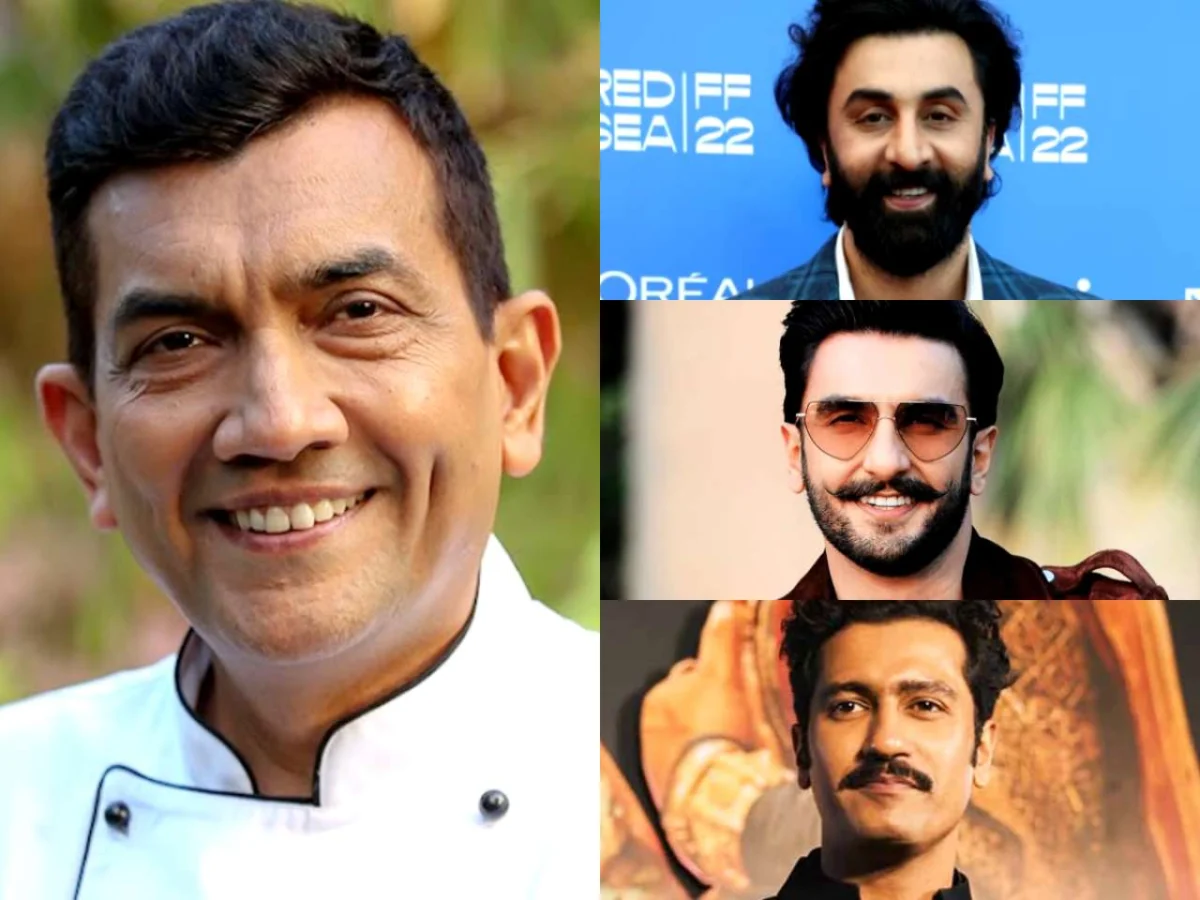
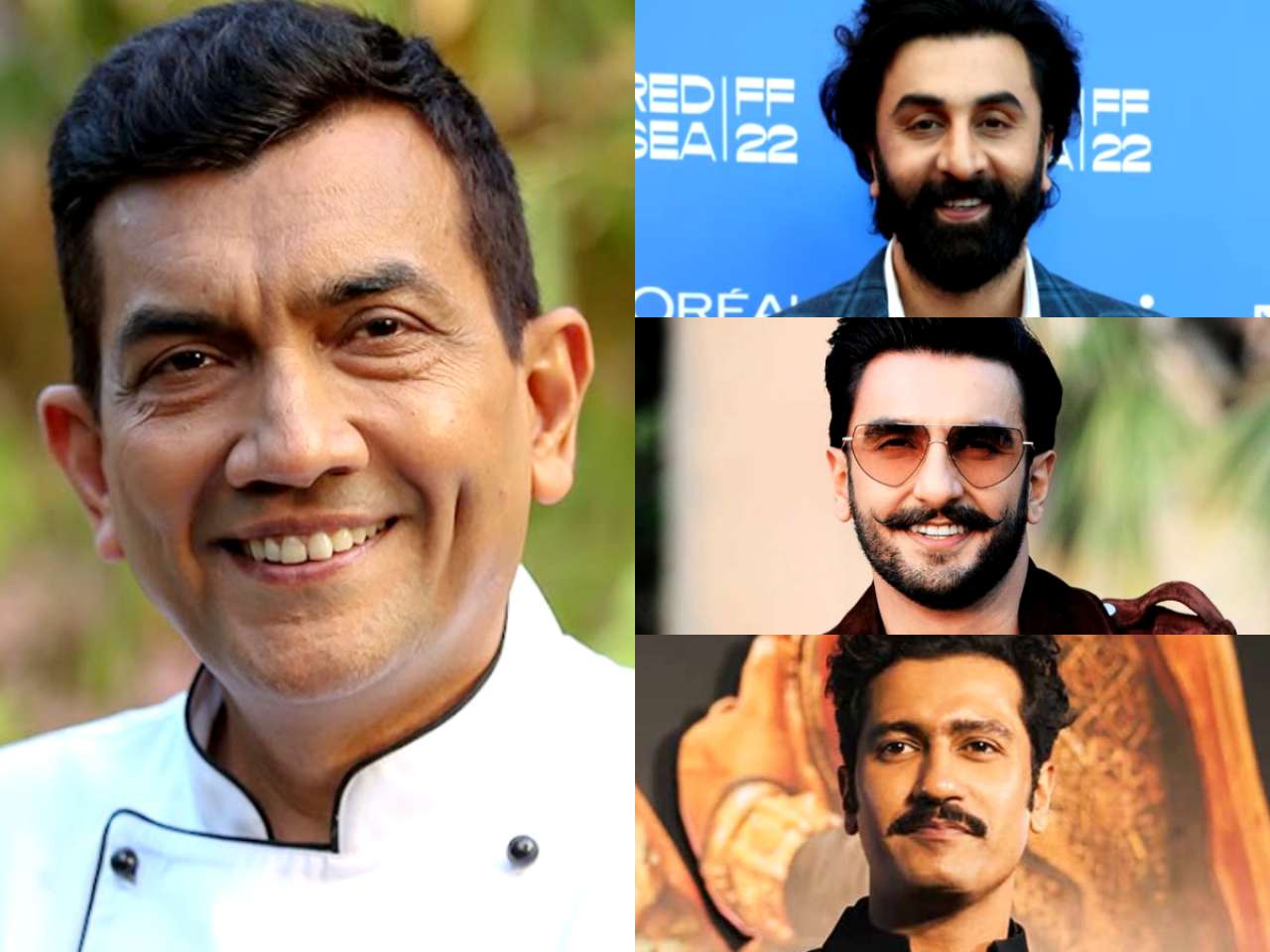
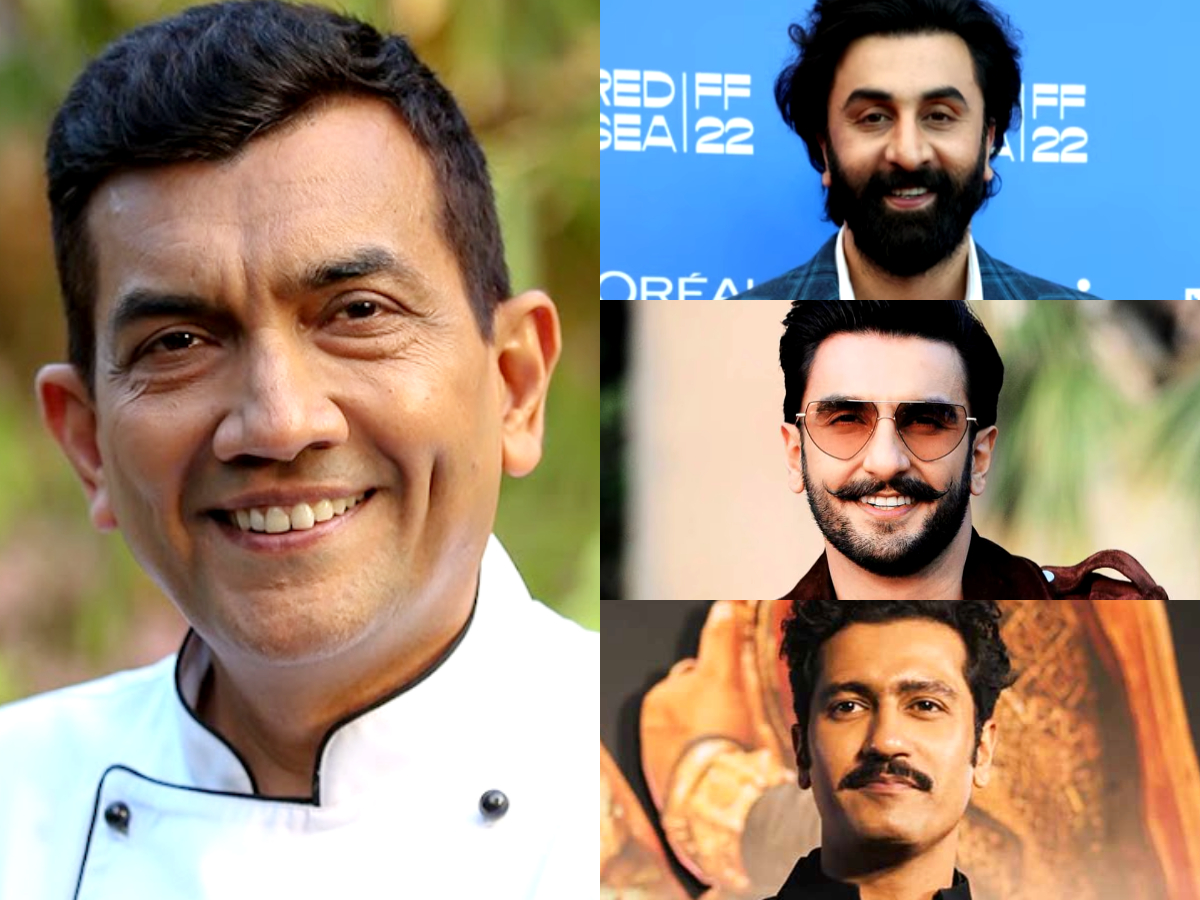
While his directorial choice is firm, Kapoor demonstrates a surprising openness when it comes to the actors who could embody his on-screen persona. Initially reticent to name names, preferring to believe that any actor capable of delivering a "good job" would suffice, he eventually divulged a shortlist of three prominent Bollywood stars he feels could convincingly portray him. "I believe Ranbir Kapoor, Ranveer Singh, or Vicky Kaushal would all be excellent choices for the role," he revealed, indicating a preference for actors known for their versatility and ability to immerse themselves in diverse characters.
)
The Culinary Maestro’s Journey: A Look Back
Sanjeev Kapoor’s ascent from a humble beginning to becoming a household name is a testament to his dedication, innovation, and a deep passion for food. His career trajectory can be broadly understood through several key phases:
Early Life and Culinary Beginnings
Born in 1963, Sanjeev Kapoor’s initial forays into the culinary world were shaped by a traditional upbringing and a burgeoning interest in food. His early education in hospitality laid the foundation for his future endeavors.

The "Khana Khazana" Phenomenon
The 1990s marked a watershed moment in Indian television and culinary history with the launch of "Khana Khazana." This show, which ran for over a decade, was instrumental in demystifying cooking for millions of Indian households. Kapoor’s accessible style, clear instructions, and engaging personality made him a beloved figure. The show’s success was not just about recipes; it was about fostering a connection with food and encouraging home cooks. Hansal Mehta’s involvement in the early days of this groundbreaking program undoubtedly solidified their professional bond.
Global Ambassador of Indian Cuisine
Beyond the television screen, Kapoor embarked on a mission to elevate Indian cuisine’s global standing. Through numerous cookbooks, international workshops, and appearances, he introduced a wider audience to the richness and diversity of Indian flavors. His efforts have been pivotal in bridging cultural divides through the universal language of food.
)
Entrepreneurial Ventures and Brand Building
Kapoor has also been a shrewd entrepreneur, expanding his brand beyond television and books. He has launched restaurants, food products, and digital platforms, demonstrating a keen understanding of the evolving food industry and consumer trends.
The Biopic Conundrum: Director’s Vision and Actor’s Persona
Kapoor’s unwavering insistence on Hansal Mehta as director is not merely a matter of friendship; it reflects a deep appreciation for Mehta’s directorial prowess and his ability to capture the human element in his films. Mehta has a proven track record of delivering critically acclaimed biopics and character-driven narratives, including "Shahid," "Aligarh," and "The Accidental Prime Minister." His sensitivity to nuanced storytelling and his knack for exploring complex characters make him the ideal candidate to navigate the intricacies of Kapoor’s life.
)
"I think Ranbir Kapoor, Ranveer Singh or Vicky Kaushal. Anyone among these three would make for a good choice," Kapoor stated, offering a glimpse into his ideal on-screen representation. Each of these actors brings a unique set of skills and fan following that could contribute to the biopic’s success.
- Ranbir Kapoor: Known for his intense performances and ability to embody complex characters, Ranbir has a natural charm that could translate well to Kapoor’s persona. His roles in films like "Barfi!" and "Sanju" showcase his range and emotional depth.
- Ranveer Singh: With his boundless energy and chameleon-like ability to transform, Ranveer could bring a dynamic and vibrant portrayal of the celebrity chef. His performances in "Bajirao Mastani" and "Padmaavat" highlight his theatrical flair and commitment.
- Vicky Kaushal: Vicky has established himself as a formidable actor with his grounded and relatable portrayals. His performance in "Uri: The Surgical Strike" demonstrated his ability to carry a film and connect with audiences on a personal level.
The selection of these actors underscores Kapoor’s desire for a portrayal that is not just a physical resemblance but also captures the spirit and charisma of his public image.
)
The Global Ambitions of Indian Cuisine: A Measured Perspective
In a candid conversation, Sanjeev Kapoor also addressed the prevailing notion of Indian cuisine achieving significant global success. He offered a more pragmatic and nuanced perspective, cautioning against overstating the current impact.
"It is like saying that Japanese food is very big in India. There is nothing like that," Kapoor elaborated. "Thinking that opening two to five restaurants in a big city abroad will turn things around is expecting too much. It is hardly a drop in the ocean. Consumption-wise, it still needs much bigger production."
)
This statement highlights a crucial distinction between niche popularity and widespread global integration. While Indian restaurants are indeed present in major international cities, Kapoor argues that this does not equate to the deep-rooted acceptance and widespread consumption akin to other global cuisines. He emphasizes that the internationalization of Indian food is a gradual process that requires sustained effort and strategic promotion.
Supporting Data and Trends:
- Global Indian Restaurant Count: While precise numbers are difficult to ascertain, estimates suggest thousands of Indian restaurants operate worldwide. However, this number needs to be viewed against the backdrop of hundreds of thousands of restaurants representing other cuisines.
- Culinary Diplomacy Initiatives: Various governments and organizations are actively promoting their national cuisines abroad through food festivals, trade missions, and cultural exchanges. India has also been a part of such initiatives, aiming to increase the visibility of its culinary heritage.
- Fusion Cuisine and Adaptation: The adaptation of Indian flavors into fusion dishes and incorporation of Indian ingredients into international cuisines (like pepper in a burger, as Kapoor cited) represent steps towards familiarity, but not necessarily direct consumption of traditional Indian dishes.
Kapoor’s assertion suggests that the path to global culinary dominance for Indian food is still a long one, requiring more than just the establishment of eateries. It necessitates a deeper understanding and appreciation of its diverse regional variations, traditional cooking techniques, and the cultural context that surrounds it.
)
India’s Culinary Ascent: A Promising Trajectory
Despite his measured assessment of the current global standing of Indian cuisine, Sanjeev Kapoor expressed optimism about the country’s direction. He lauded the Indian government’s efforts in creating platforms and organizing events that facilitate direct engagement between Indian food producers and international buyers.
"The government is creating platforms and organizing events that bring major food importers from around the world to India, helping promote Indian produce in global markets," Kapoor explained. "That way they are taking something from India. Of course, they are going to use it according to their taste and for their cooking. Still, there is some familiarity happening. They will come here, they will eat here."
)
This initiative, as highlighted by Kapoor, focuses on exporting Indian ingredients and produce, which can then be integrated into global culinary landscapes. While this might not directly translate to increased consumption of Indian dishes abroad, it fosters a greater awareness and familiarity with Indian flavors and ingredients. The example of Indian pepper finding its way into a burger illustrates how Indian produce can gain traction, even if indirectly. This approach creates a foundational understanding that can, in the long run, pave the way for greater appreciation of Indian cuisine as a whole.
Implications of Government Initiatives:
- Increased Export of Indian Produce: Facilitating direct interaction between Indian suppliers and international importers can boost the export of key Indian ingredients like spices, grains, and fruits.
- Global Familiarity with Indian Flavors: The use of Indian ingredients in international kitchens, even in adapted forms, helps in acclimatizing global palates to the unique taste profiles of India.
- Economic Opportunities for Indian Farmers: These initiatives can create new markets and better economic prospects for Indian agricultural producers.
Kapoor’s perspective underscores the multifaceted nature of promoting a national cuisine on a global scale. It involves not only the restaurant industry but also agricultural exports, cultural exchange, and a sustained effort to educate and engage international audiences.
)
The "MasterChef Australia" Influence: Transforming Culinary Conversations
Kapoor’s recent appearance as a special guest judge on "MasterChef Australia" Season 18 provided him with firsthand insight into the show’s profound impact on the culinary landscape of the country. He was effusive in his praise for the popular cooking competition, attributing to it a significant role in revolutionizing how Australians discuss and engage with food.
"In India, we serve food to guests, you ask them how it was, and they say, ‘It was good’. That’s where the conversation ends," Kapoor observed, drawing a stark contrast with the Australian approach. "But in Australia, the way people talk about food has evolved. Conversations now include words like ‘succulent’, ‘juicy’, and other descriptions that capture the experience of eating."
)
He emphasized that "MasterChef Australia" has been instrumental in fostering a richer and more sophisticated culinary vocabulary among the general populace. The show, which has a significant following in India, has exposed audiences to a wide array of ingredients, techniques, and international cuisines, encouraging a more discerning and appreciative approach to food.
Key Takeaways from Kapoor’s Observations:
- Elevated Food Discourse: "MasterChef Australia" has moved beyond simple acknowledgments of taste to encourage descriptive and nuanced discussions about food.
- Increased Culinary Literacy: The show educates viewers about diverse ingredients, cooking methods, and global cuisines, thereby enhancing their understanding and appreciation of food.
- Inspiration for Home Cooks: The aspirational nature of the show inspires individuals to experiment in their own kitchens and explore new culinary horizons.
- Cultural Exchange Through Food: By showcasing various international cuisines, the show promotes a broader understanding and acceptance of diverse culinary traditions.
Kapoor’s experience on "MasterChef Australia" not only highlights the show’s positive influence but also serves as a benchmark for what can be achieved through consistent exposure and engagement with culinary arts. It reinforces his belief in the power of media to shape cultural perceptions and inspire a deeper connection with food, a principle that likely informs his own vision for his potential biopic.
)
As Sanjeev Kapoor continues to navigate the possibility of his life story gracing the silver screen, his clear vision for the director and his thoughtful insights into the global culinary landscape paint a compelling picture of a man who is not just a chef, but a true cultural ambassador. The anticipation for his biopic, with Hansal Mehta at the helm and a stellar cast in contention, is undoubtedly set to rise.