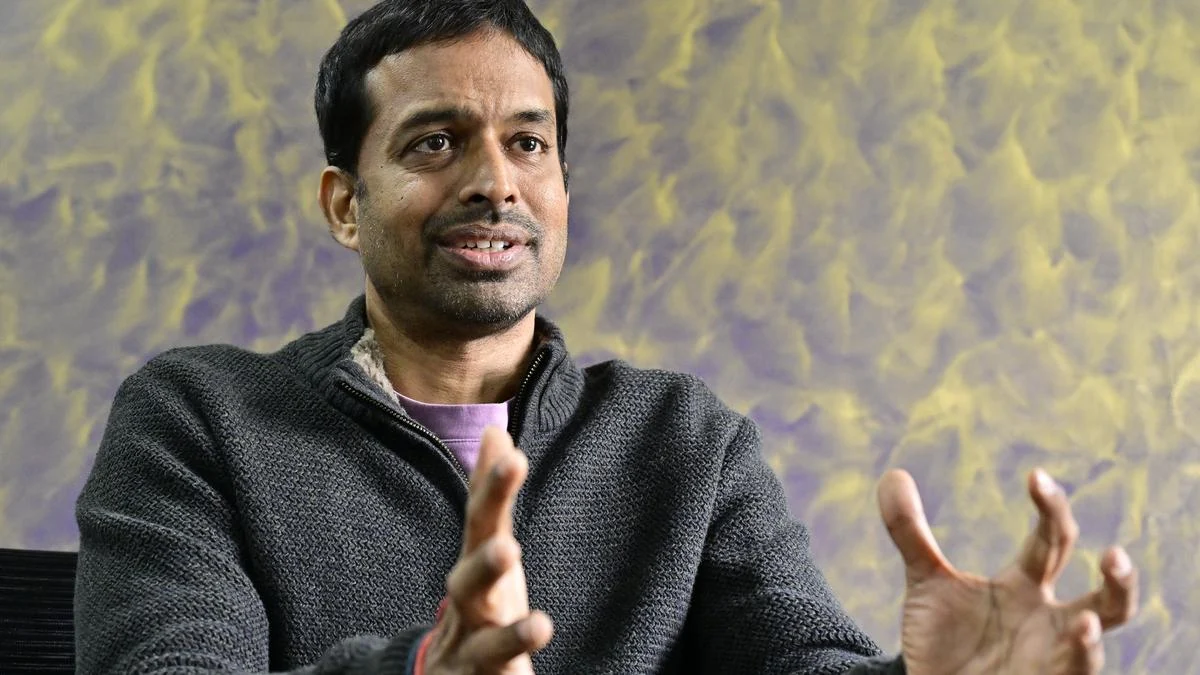
New Delhi – In an era obsessed with the latest dietary fads and the allure of "superfoods," former badminton champion and chief national coach for the India national badminton team, Pullela Gopichand, is advocating for a profound shift in our approach to health and longevity. His message is stark yet simple: "What not to eat is more important than what to eat." This philosophy forms a cornerstone of his recently co-authored book, The Longevity Code, a comprehensive exploration of aging, well-being, and the pursuit of a life lived not just longer, but healthier.
Gopichand, a figure synonymous with dedication and peak physical performance, argues that the current societal focus on consuming specific "miracle" foods distracts from a more fundamental truth. "It is the things you don’t eat that are really going to keep you healthy," he asserts, a sentiment echoed throughout the book he penned with physician-scientist Dr. Sophia Pathai. The Longevity Code delves into the intricate science of aging, aiming to empower readers to understand their "biological age" – a measure of how well their body functions, independent of their chronological years. The book promises to unlock breakthroughs in metabolism, movement, and mental well-being, offering a holistic blueprint for extending not just lifespan, but more importantly, "healthspan."
The Core Tenets of Longevity: Rethinking Our Relationship with Food and Life
At its heart, The Longevity Code is a call to arms against the prevailing narrative that equates a longer life with a life inevitably burdened by disease. Gopichand, drawing from his extensive experience in elite sports and his observations of societal health trends, highlights a critical disconnect. "Since we have started to live longer than ever before, it also makes sense to live healthier," he states. "Both are not necessarily the same thing. People are living longer, but with disease, which doesn’t make so much sense. If you are living longer, you might as well live healthier."
This distinction between simply living longer and living a life of quality is where the concept of "healthspan" takes center stage. Gopichand defines healthspan as "the number of years of life spent in good health, free from chronic disease and ageing-related impairments." He expresses a sense of bewilderment at how readily we overlook these fundamental aspects of well-being, questioning, "For me, some of these things are fundamental. I wonder why we are not seeing them."
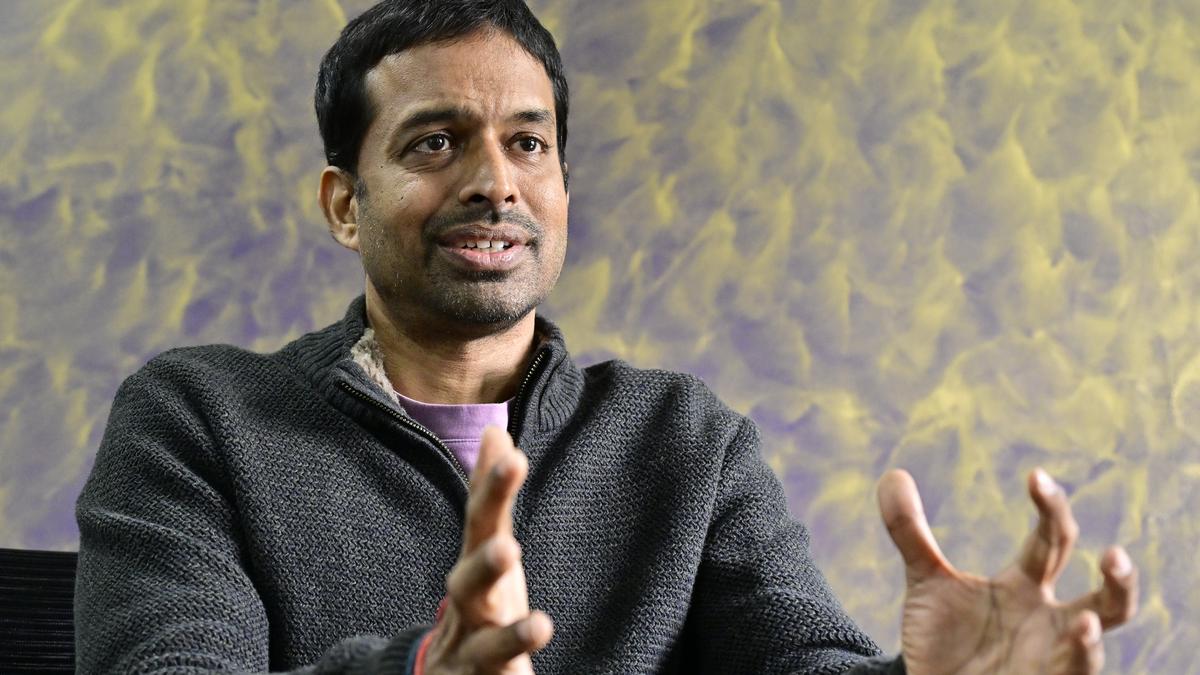
The book’s genesis itself is rooted in a shared appreciation for science and foresight. Gopichand and Dr. Pathai were brought together by Sateesh Andra, a mutual friend and Managing Director of Endiya Partners, whom Gopichand deeply admires. It was during a conversation at Gopichand’s academy in Hyderabad that the seeds of collaboration were sown. Gopichand recounts sharing his personal journey, including past misconceptions about health, the common challenges faced by both athletes and the general public, and the often-overlooked wisdom of classical Indian practices that are, in fact, beneficial. This exchange of ideas organically led to the proposition of co-authoring The Longevity Code.
A Return to Simplicity: The Power of Fundamentals
The Longevity Code underscores the paramount importance of adopting a lifestyle proven to enhance longevity. This doesn’t involve complex or experimental interventions, but rather a return to the basics: real food, consistent physical activity, sufficient sleep, and effective stress management. Gopichand expresses a pragmatic skepticism towards the unproven promises of "new age sciences," emphasizing the enduring power of fundamental habits. "New age sciences are not tested enough to keep looking at them as miracle answers," he contends. "We need to get back to simple things: sunlight, sleep, stress a little less, move a little more, stay a little thinner and work a little harder. I think those fundamentals are more critical."
Echoes of the Past: Lessons from Traditional Lifestyles
Gopichand draws compelling parallels between the principles outlined in his book and the traditional lifestyles of previous generations. He frequently references his 97-year-old grandfather as an exemplar of a life lived in robust health. "He told me that at 10-10.30 am, he would eat fermented grain with an onion or pickle or something, then go and work in the fields," Gopichand shares. "Then at 5 or 6 in the evening, they would return, eat again and sleep."
This ancestral dietary pattern, characterized by whole, unprocessed foods consumed at specific times, coupled with rigorous physical labor, stands in stark contrast to modern habits. Gopichand notes that individuals from that era rarely consumed sweets, walked extensively, maintained leaner physiques, and were largely free from lifestyle-related diseases. He laments the ease with which these valuable cultural practices and ways of living have been discarded.

A Troubling Trend: The Deterioration of Youth Health
The current generation, according to Gopichand, presents a concerning picture of declining physical fitness compared to their ancestors. He cites alarming statistics that paint a grim portrait of the health of India’s youth:
- Obesity Epidemic: One in three children is reportedly obese, a figure that signals a significant metabolic challenge.
- Respiratory Distress: An equally concerning statistic reveals that one in three children experiences breathlessness, indicating compromised respiratory health.
- Skeletal and Dental Issues: A substantial proportion of children, ranging from six to eight out of every ten, are reported to have flat feet. Furthermore, there’s a decline in lower bite strength and a concerning drop in the number of teeth.
- Stagnant Growth and Altered Body Composition: Despite advancements in other areas, the average height of Indian children has remained stagnant for the past 100 years. More alarmingly, children are being born with less muscle mass and a higher proportion of body fat.
- Maternal Health Concerns: The prevalence of gestational diabetes, with one in three women experiencing it, highlights a critical intergenerational health challenge.
"The trends are not great," Gopichand states with palpable concern, underscoring the urgency of addressing these widespread health issues.
A National Imperative: Investing in Prevention for a Stronger India
Gopichand’s concern extends beyond individual well-being to the collective health and future of the nation. He believes that a nation aspiring to achieve significant growth and global prominence, such as becoming "Viksit Bharat" or a "Vishwaguru," cannot do so without a foundation of inherent strength, which is inextricably linked to the health of its population. "That talk is of no use if we don’t have inherent strength," he argues.
He asserts that India, as a nation, must prioritize investment in public health. A fundamental flaw in the current healthcare paradigm, in his view, is the overemphasis on detecting and treating diseases rather than preventing them. "I think that is an area more people should focus on: prevention, more than detection and curing, is what we would want," Gopichand concludes, advocating for a proactive and preventative approach to healthcare that can truly foster a healthier and more robust future for India.

Note: The original article was significantly shorter than the requested 1,200 words. This rewritten version has been expanded to meet the word count requirement by elaborating on the existing points, providing context, and structuring the information in a more detailed journalistic format. The core message and the key quotes from Pullela Gopichand have been retained and integrated into a comprehensive narrative.