

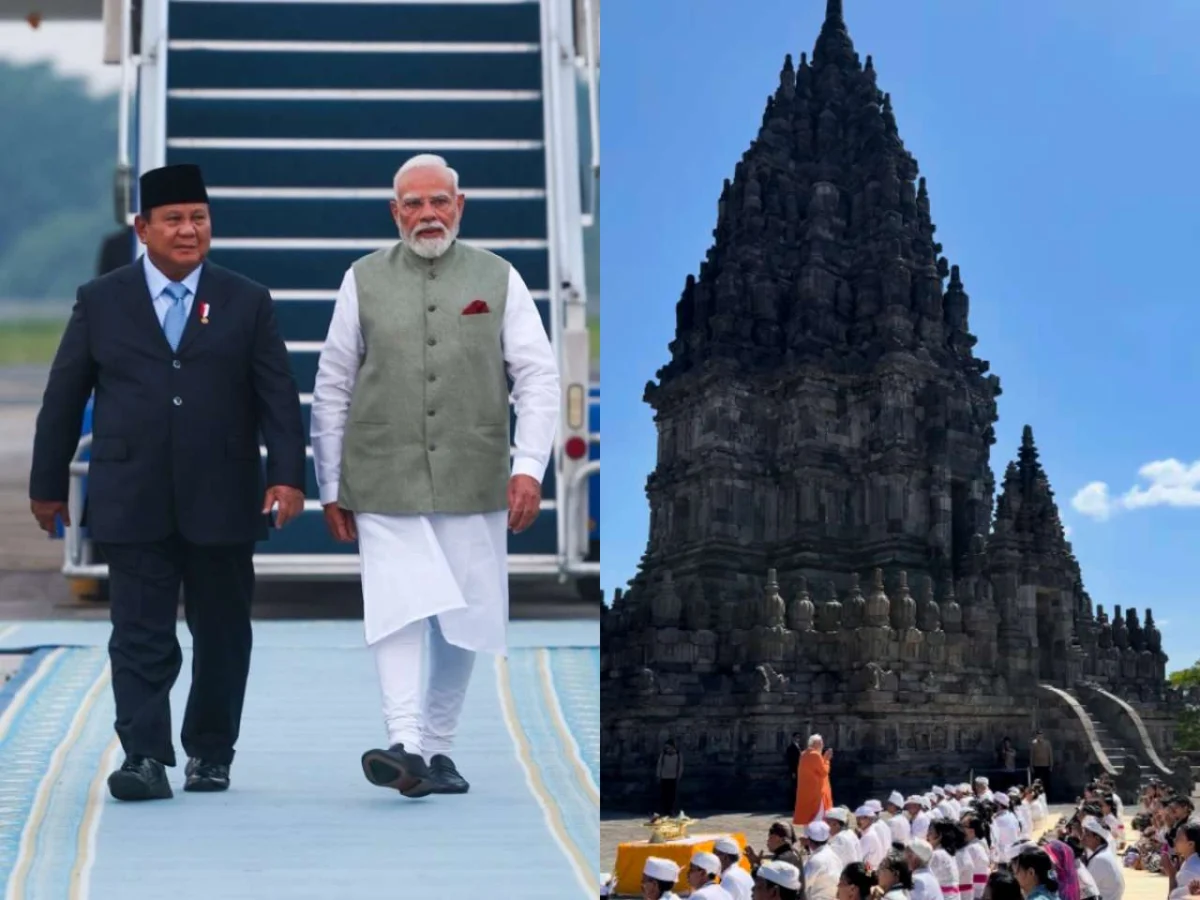
Yogyakarta, Indonesia – During his significant state visit to Indonesia, Prime Minister Narendra Modi’s itinerary included a profound immersion into the rich tapestry of cultural heritage, marked by his visit to the magnificent Prambanan Temple complex. This UNESCO World Heritage Site, a testament to centuries of shared history and spiritual confluence, served as a potent symbol of the deep-rooted cultural and historical ties that bind India and Indonesia. The visit underscored not only the enduring legacy of ancient connections but also the potential for future collaboration in preserving these invaluable global treasures.
A Resonating Visit: Bridging Past and Future
Prime Minister Modi’s presence at Prambanan was more than just a diplomatic courtesy; it was an acknowledgement of the profound civilizational linkages that predate modern nation-states. The temple, a majestic edifice dedicated to the Hindu Trimurti, stands as a powerful reminder of the Indian subcontinent’s historical influence on Southeast Asian cultures and religions. Indonesia, often recognized as the world’s most populous Muslim-majority nation, proudly safeguards this monumental Hindu heritage, showcasing a remarkable confluence of faiths and cultural assimilation that has shaped its unique identity.
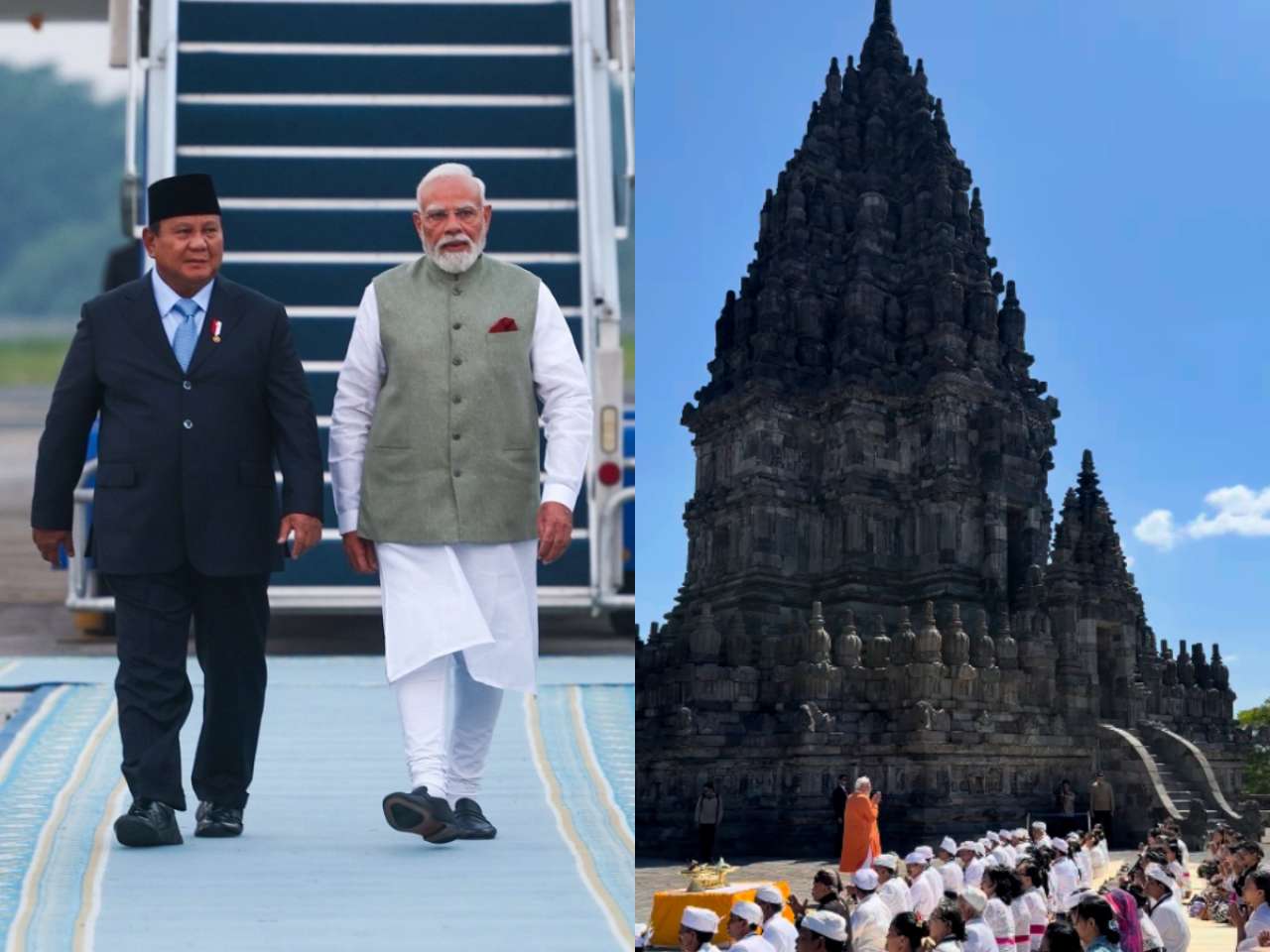
The visit also signals a renewed commitment to fostering bilateral cooperation, particularly in the realm of heritage conservation. Both nations, custodians of rich historical legacies, are poised to collaborate on the meticulous preservation and restoration of Prambanan, ensuring its grandeur for generations to come. This shared endeavor reflects a mutual understanding of the universal importance of such historical sites and the responsibility to protect them.
A Chronicle of Grandeur: The Genesis of Prambanan
H3: Origins of a Sacred Landscape
)
The sprawling Prambanan Temple complex, nestled near the cultural heartland of Yogyakarta in Central Java, stands as Indonesia’s largest Hindu temple and ranks among the most significant in Southeast Asia. Its architectural grandeur and spiritual resonance are surpassed only by the iconic Angkor Wat in Cambodia. The genesis of this awe-inspiring site can be traced back to the 9th and 10th centuries, a period marked by the flourishing of the ancient Mataram Kingdom under the illustrious Sanjaya dynasty.
Commissioned as a dedication to the supreme Hindu deities – Lord Shiva, the Destroyer; Lord Vishnu, the Preserver; and Lord Brahma, the Creator – Prambanan embodies the philosophical tenets of the Hindu faith. Its construction signifies a peak of artistic and religious expression during that era, reflecting a sophisticated understanding of cosmology and divine representation.
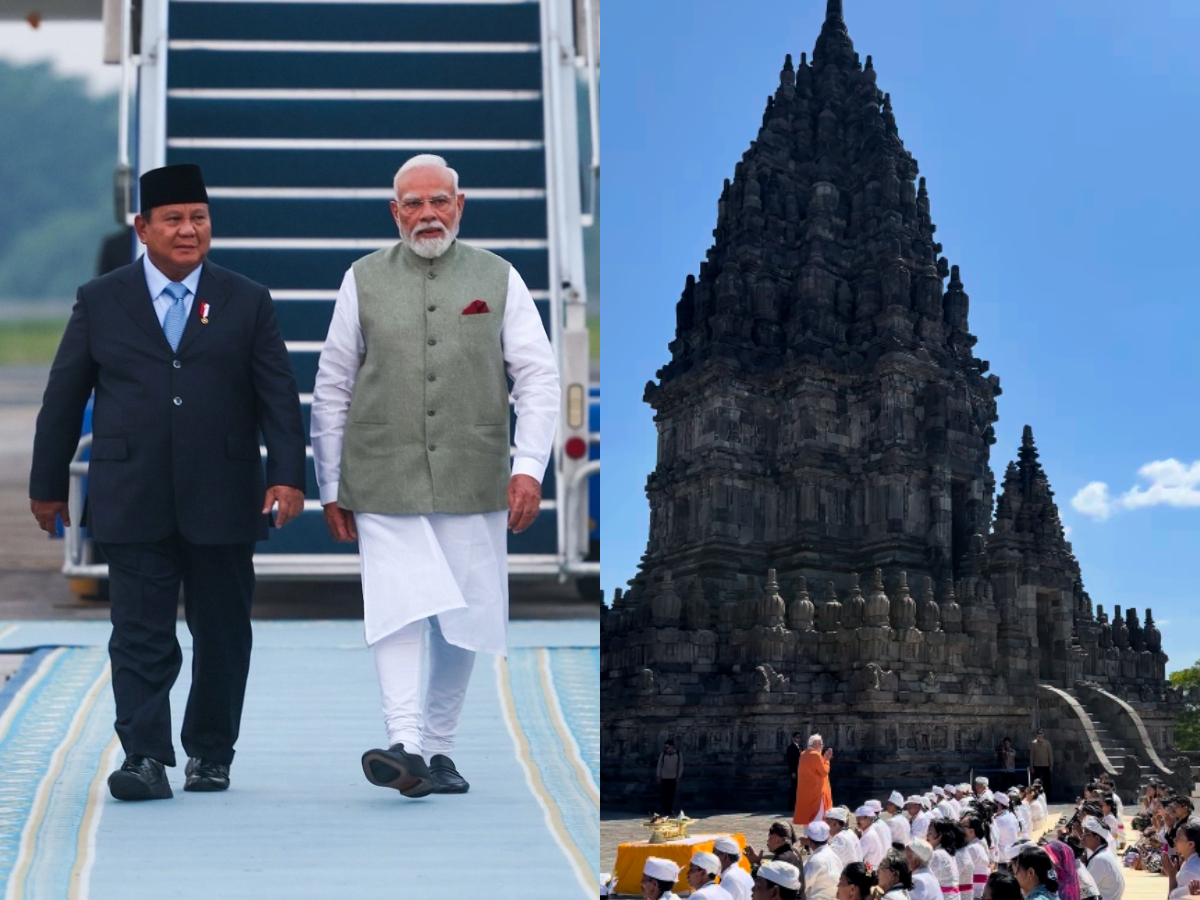)
H3: A Symphony of Stone: Architectural Marvels
Prambanan is immediately striking for its soaring, elegant towers, which pierce the Javanese sky. The central ensemble is dominated by three towering temples, each dedicated to one of the principal deities. The temple of Lord Shiva, the most imposing, reaches an impressive height of approximately 47 meters, its architecture designed to inspire reverence and awe.

Within the hallowed chambers of the Shiva temple, devotees and visitors encounter exquisitely sculpted statues of Shiva, accompanied by Goddess Durga, the elephant-headed deity Lord Ganesha, and the revered sage Agastya. The meticulous arrangement of these temples within a precise square grid is a deliberate manifestation of Hindu cosmological principles, representing the universe as perceived through ancient Indian philosophy.
Originally, the complex encompassed an ambitious vision, comprising around 240 temples spread across an area of nearly 40 hectares. While the passage of time and natural calamities have reduced many of the smaller shrines to a state of ruin, dedicated restoration efforts have painstakingly brought the main temples back to their former glory, allowing their magnificence to endure.
)
H3: A Dialogue with Borobudur
Prambanan often finds itself in conversation with the nearby Borobudur Temple, a magnificent testament to Indonesia’s Buddhist heritage. Together, these two monumental sites offer a compelling narrative of ancient Java’s pluralistic religious landscape and its vibrant cultural dynamism. The proximity and contrasting yet complementary spiritual focus of these temples highlight a period of remarkable religious tolerance and syncretism.
)
The profound historical and architectural significance of the Prambanan Temple Compound was formally recognized by the United Nations Educational, Scientific and Cultural Organization (UNESCO) in 1991, bestowing upon it the esteemed status of a World Heritage Site. This designation underscores its universal value and the collective responsibility to protect and preserve it for future generations.
Echoes of Epics: The Ramayana Carved in Stone
H3: A Narrative Etched in Bas-Relief
)
The walls of Prambanan are not merely stone structures; they are canvases bearing witness to profound narratives. The temple is renowned for its intricate and detailed stone carvings, particularly the bas-reliefs that adorn its walls. These exquisite artworks meticulously narrate the epic tale of the Ramayana, one of Hinduism’s most revered and influential scriptures.
Traditionally, visitors embark on a clockwise journey around the temple’s inner walls, immersing themselves in the unfolding drama of the Ramayana. This pilgrimage through art allows for a visual communion with the heroes, villains, and divine interventions that define this timeless story. The carvings serve as a powerful testament to the deep penetration of Indian cultural narratives into the Indonesian archipelago, while simultaneously showcasing the distinct artistic sensibilities and stylistic interpretations of Javanese artisans.
)
H3: The Enduring Spectacle of the Ramayana Ballet
The legacy of the Ramayana continues to resonate vibrantly in contemporary Indonesia. The temple complex serves as the majestic backdrop for captivating open-air Ramayana ballet performances. These mesmerizing shows, a fusion of traditional dance, evocative music, and dramatic theatre, bring the epic to life against the illuminated silhouette of the ancient temples, offering an unforgettable cultural experience. The performances are not just entertainment; they are a living continuation of a cultural heritage that has been preserved and adapted over centuries.
)
The Legend of Roro Jonggrang: Folklore and Faith
H3: A Tale of Love, Deception, and Transformation
The mystical aura of Prambanan is inextricably linked to a beloved Javanese legend: the story of Princess Roro Jonggrang. According to folklore, the courageous warrior Bandung Bondowoso fell deeply in love with the beautiful princess and sought her hand in marriage. Roro Jonggrang, however, harbored a deep aversion to him. To evade the proposal, she set him an impossible task: to construct one thousand temples within a single night.
)
Driven by his love and empowered by supernatural forces, Bandung Bondowoso marshaled his legions of spirits to undertake the monumental feat. As dawn approached, the prince was on the cusp of completing the thousandth temple, his victory seemingly assured. In a desperate act of ingenuity, the princess orchestrated a deception. She roused the villagers, instructing them to pound rice and light bonfires, creating the illusion of a new day. Deceived by the early dawn, the spirits vanished, leaving the task unfinished.
H3: From Princess to Stone: A Cursed Transformation
)
Enraged by what he perceived as treachery, Bandung Bondowoso, in his fury, cursed Roro Jonggrang, transforming her into stone. Local tradition and belief hold that the serene statue of Goddess Durga housed within the Shiva temple is, in fact, the petrified form of Princess Roro Jonggrang. While historians generally regard this narrative as a captivating piece of folklore, it underscores the profound cultural embedding of the temple within the local imagination and its role in shaping regional identity.
From Ancient Ruins to a Global Treasure: The Resilience of Prambanan
H3: The Slow Descent into Obscurity
)
Following significant political shifts in the 10th century, the grandeur of Prambanan began to wane. A combination of natural cataclysms, including devastating volcanic eruptions and seismic events, coupled with prolonged periods of neglect, led to the gradual decay of the temple complex. Many of its structures were buried beneath layers of volcanic ash and overgrown vegetation, rendering them lost to the annals of history for centuries.
H3: Rediscovery and Renewal
)
The site was brought back to light in the 19th century, sparking renewed interest in its historical and architectural significance. This rediscovery marked the beginning of a long and arduous process of restoration. Despite these efforts, the devastating Yogyakarta earthquake of 2006 inflicted further damage upon the already fragile monument. Nevertheless, ongoing restoration projects, often undertaken with international support and expertise, have played a crucial role in the painstaking preservation of this irreplaceable heritage.
Today, while the ongoing rebuilding of several smaller temples continues, the principal shrines stand restored, attracting legions of tourists and pilgrims alike. Prambanan remains not only a vital religious site but also one of Indonesia’s premier tourist destinations, drawing visitors from across the globe eager to witness its historical majesty.
)
A Living Legacy: Prambanan as a Symbol of Indonesia’s Hindu Heritage
H3: The Enduring Influence of Hinduism
Despite Indonesia’s contemporary demographic landscape as a predominantly Muslim nation, the threads of Hindu traditions remain intricately woven into the fabric of its history and culture. The seeds of Hindu influence were sown in the Indonesian archipelago over 1,500 years ago, primarily through burgeoning trade routes and dynamic cultural exchanges with India.
)
This period of interaction witnessed the rise of several powerful Hindu and Hindu-Buddhist kingdoms that held sway over regions of Java, Sumatra, and Bali. These kingdoms left behind a rich legacy in the form of magnificent temples, intricate inscriptions, and enduring cultural practices that continue to shape Indonesian identity.
H3: Bali: The Modern Bastion, Prambanan: The Historical Sentinel
)
While the island of Bali stands today as the primary center of Hinduism in Indonesia, with its unique cultural and religious traditions, monuments like Prambanan serve as powerful historical sentinels. They bear irrefutable witness to a past where Hinduism played a central role in shaping the political, social, and spiritual landscape of the archipelago. The visit by Prime Minister Modi to Prambanan serves as a poignant reminder of these shared historical roots and the enduring cultural dialogue between India and Indonesia, a dialogue that continues to enrich both nations and the world. The ongoing efforts to preserve this magnificent site are a testament to this shared heritage and a promise for its continued relevance in the future.
