

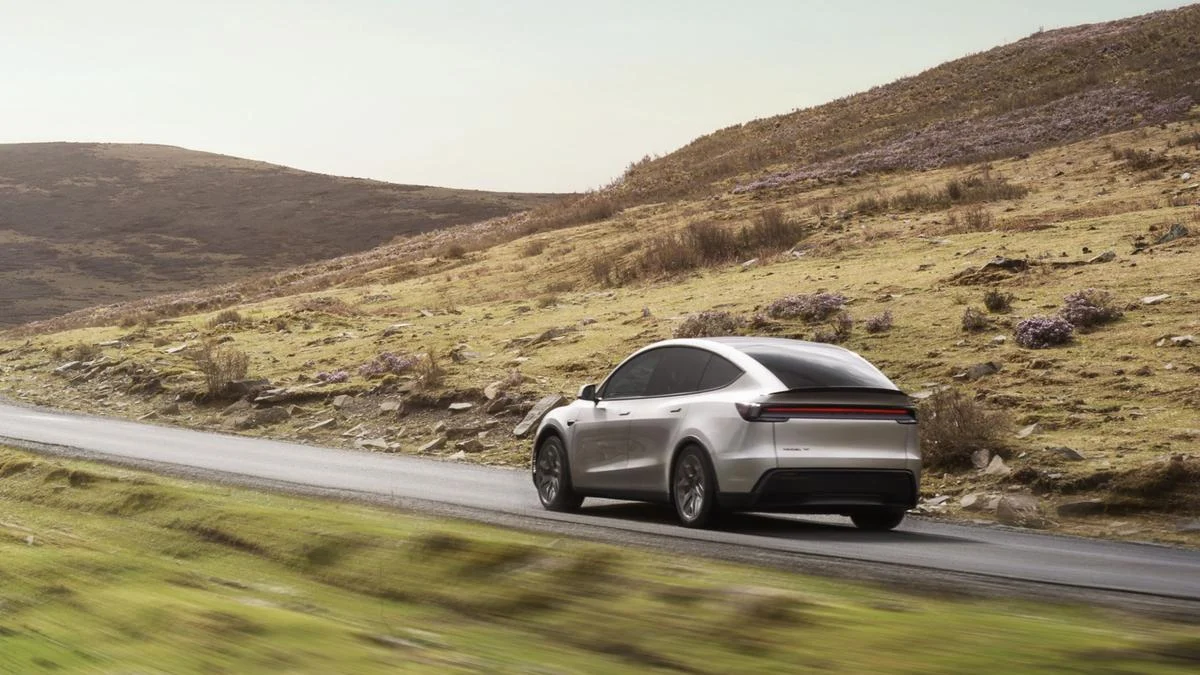
The long-anticipated arrival of Tesla on Indian shores has transitioned from speculative headlines to a concrete market reality. However, rather than a hurried mass-market entry, the American electric vehicle (EV) pioneer has opted for a calculated, surgical strike into the premium segment. The introduction of the Tesla Model Y L, priced at ₹61.99 lakh, marks a significant departure from the brand’s global "one-size-fits-all" strategy, signaling a localized approach tailored to the unique demands of the Indian sub-continent.
In a landscape where electric mobility is gaining momentum amidst persistent infrastructure challenges and high price sensitivity, the Model Y L represents Tesla’s most pragmatic move to date. By prioritizing space, rear-seat comfort, and a refined ride quality, Tesla is not just selling a car; it is attempting to redefine the "family luxury" archetype for the Indian elite.
Main Facts: The Model Y L at a Glance
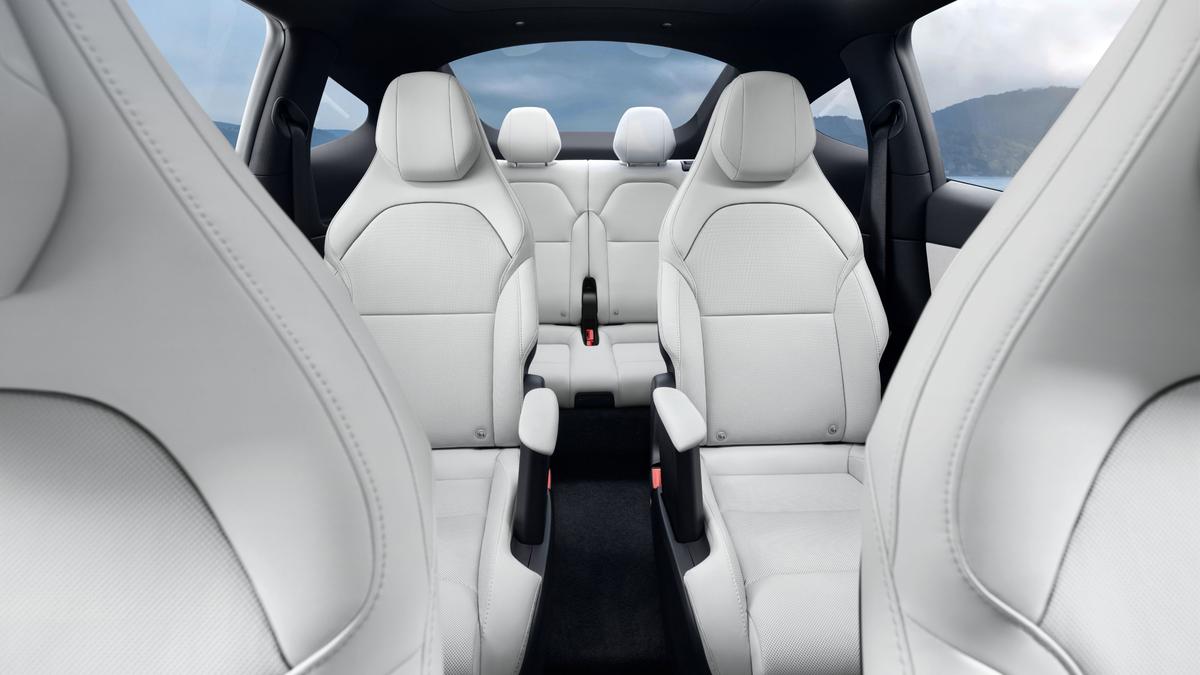
The Tesla Model Y L is a long-wheelbase, three-row configuration of the world’s best-selling electric SUV. While the standard Model Y is globally recognized as a five-seater, the "L" variant introduced to India features a 2+2+2 six-seat layout. This configuration is specifically designed to cater to the Indian luxury buyer’s preference for "Captain Seats" in the second row—a feature typically associated with chauffeur-driven comfort and high-end MPVs.
Key Specifications and Pricing:
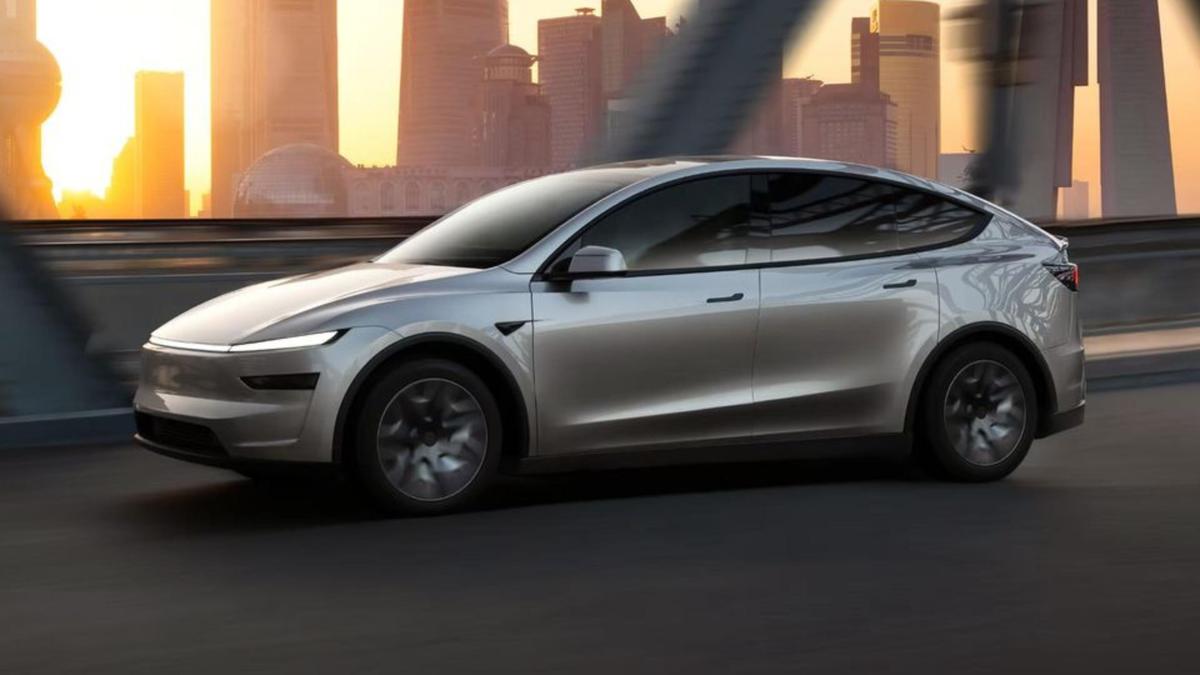
- Price: ₹61.99 Lakh (Ex-showroom).
- Seating Configuration: 6-seater (Three rows with second-row captain seats).
- Performance: 0–100 km/h in 5.0 seconds (AWD variant).
- Range: Up to 681 km (WLTP cycle).
- Cargo Space: Up to 2,539 liters with seats folded.
- Infrastructure: Initial rollout supported by 5 Supercharger stations and 20 individual Superchargers across major metros.
The vehicle’s positioning is deliberate. At just over ₹60 lakh, it sits in a "sweet spot" that undercuts established European luxury electric SUVs like the BMW iX1 and Volvo XC40 Recharge, while offering significantly more interior volume and brand prestige than mass-market offerings from Hyundai or Kia.
Chronology: The Long Road to the Indian Market
Tesla’s journey to India has been a decade-long saga of policy negotiations, infrastructure planning, and market assessment.
- 2016–2017: Initial Interest and Pre-orders: Tesla first opened bookings for the Model 3 in India in 2016. Thousands of Indian enthusiasts paid the $1,000 deposit, but regulatory hurdles regarding import duties and local sourcing requirements stalled progress.
- 2021–2022: The Import Duty Standoff: Elon Musk publicly lobbied the Indian government to lower import duties on EVs (which were as high as 100% for vehicles over $40,000). The Indian government, however, maintained a "Make in India" stance, urging Tesla to commit to local manufacturing before receiving tax breaks.
- 2024: The New EV Policy: A breakthrough occurred when the Indian government announced a new Electric Vehicle policy. This policy allowed for a reduced import duty of 15% for a limited number of vehicles, provided the manufacturer committed to investing at least $500 million (₹4,150 crore) and setting up a local manufacturing facility within three years.
- 2025–2026: Homologation and Adaptation: Following the policy shift, Tesla began testing specific "L" variants in India. The focus shifted from the standard Model 3 to the Model Y L, recognizing that the Indian premium market prioritizes SUVs and multi-passenger versatility.
- May 1, 2026: Official Launch: The Model Y L is officially launched, representing the culmination of Tesla’s refined strategy for the region.
Supporting Data: Engineering a "Local" Tesla
The Model Y L is not merely a stretched version of the standard SUV; it is a vehicle engineered to address specific pain points of the Indian luxury car buyer.
The Six-Seat Ecosystem
In the Indian premium segment, the second row is often more important than the driver’s seat. The Model Y L’s second-row captain seats are a direct response to this. These seats feature:

- Integrated Comfort: Ventilation and heating elements.
- Powered Adjustments: One-touch folding for easy access to the third row and powered armrests for a lounge-like feel.
- Third-Row Utility: Unlike many SUVs where the third row is cramped, the Model Y L provides power recline and dedicated vented climate control for the rearmost passengers, ensuring the vehicle is a genuine six-adult mover rather than a "5+2" configuration.
Performance and Range Parity
Indian consumers remain wary of "Range Anxiety." Tesla addresses this with a claimed WLTP range of 681 km. Even with the inevitable 20-30% drop in real-world Indian conditions (due to high ambient temperatures and stop-and-go traffic), the vehicle remains capable of intercity travel—such as the Mumbai-Pune or Delhi-Chandigarh corridors—on a single charge.
The All-Wheel Drive (AWD) system delivers a 0-100 km/h sprint in just 5.0 seconds, ensuring that despite its family-oriented layout, the Model Y L retains the "ludicrous" DNA that defined Tesla’s global rise.
Ride Quality and NVH
One of the most significant technical inclusions is the refined chassis setup featuring adaptive suspension and electronic damping. Standard Teslas have often been criticized for a "stiff" ride. For India’s varied road surfaces—ranging from smooth expressways to pothole-ridden urban arteries—the adaptive system continuously adjusts to filter out surface imperfections. Furthermore, the use of acoustic glass significantly lowers Noise, Vibration, and Harshness (NVH) levels, creating a serene cabin environment that rivals traditional luxury brands like Mercedes-Benz.
Official Responses and Industry Sentiment
The launch has elicited a mix of excitement and cautious optimism from industry stakeholders and government officials.

Ministry of Heavy Industries (MHI):
Sources within the Ministry suggest that Tesla’s entry is seen as a "catalytic event." An official spokesperson noted, "The entry of global leaders like Tesla validates India’s New EV Policy. It encourages a competitive ecosystem where local players and global giants push the boundaries of technology and localization."
Automotive Analysts:
Market analysts suggest that Tesla’s pricing strategy is a "disruptive masterstroke." "At ₹61.99 lakh, Tesla is targeting the ‘entry-luxury’ buyer who was previously looking at a BMW X1 or an Audi Q3," says Rajesh Kumar, a senior automotive consultant. "By offering a larger, faster, and more technologically advanced electric alternative, Tesla is forcing traditional luxury OEMs to accelerate their own EV timelines."
Tesla’s Stance:
While Tesla’s official communications remain characteristically lean, the company has emphasized that the Model Y L is part of a broader "connected ecosystem." The focus is not just on the vehicle, but on the integration of live traffic visualization, satellite-view maps, and over-the-air (OTA) updates that ensure the car "gets better with age."
Implications: Changing the Indian Automotive Landscape
The introduction of the Model Y L has several far-reaching implications for the Indian market:
1. The "Supercharger" Effect
Tesla’s current footprint—5 stations and 20 Superchargers—is modest. However, the brand’s history suggests that where Tesla goes, charging infrastructure follows. The expansion of the Supercharger network along key national highways will likely set a gold standard for charging speed and reliability, pressuring third-party providers like Tata Power and Zeon to upgrade their hardware.
2. Redefining "Luxury" as "Technology"
For decades, luxury in India was defined by leather, wood, and chrome. Tesla is shifting that definition toward software and connectivity. With integrated streaming platforms like Spotify, YouTube, and Netflix, and a minimalist 15-inch interface-driven cabin, the Model Y L appeals to a younger, tech-savvy demographic that views the car as a "computer on wheels."
3. Pressure on Domestic Manufacturers
While Mahindra and Tata Motors currently dominate the mass-market EV space, Tesla’s entry creates a "trickle-down" pressure. To compete with the allure of the Tesla brand, domestic manufacturers will need to enhance their software capabilities and autonomous driving features (ADAS), ultimately benefiting the consumer through better technology across all price points.
4. The Chauffeur-Driven EV
By opting for the "L" variant with captain seats, Tesla is acknowledging that a significant portion of its Indian owners will never sit in the driver’s seat. This marks a shift in Tesla’s global marketing, which usually focuses on the driver-centric "Autopilot" experience. In India, the Model Y L is as much about the "Passenger Experience" as it is about the "Driving Experience."

Conclusion: A Measured Revolution
The Tesla Model Y L is perhaps the most "Indian" car the American manufacturer has ever built. It respects the local cultural emphasis on family and space while maintaining the high-performance, high-tech identity that made Tesla a global phenomenon.
While the initial limited charging network and service infrastructure remain hurdles for mass adoption, the value proposition at ₹61.99 lakh is undeniable. Tesla has moved past the era of aggressive disruption and entered a phase of localized pragmatism. In the high-stakes world of the Indian automotive market, being "relevant" is often more profitable than being "revolutionary." With the Model Y L, Tesla appears to have achieved both.
The Tesla Model Y L is now available for order at a starting price of ₹61.99 lakh. For more updates on the evolving EV landscape, follow Motorscribes in association with The Hindu.
