

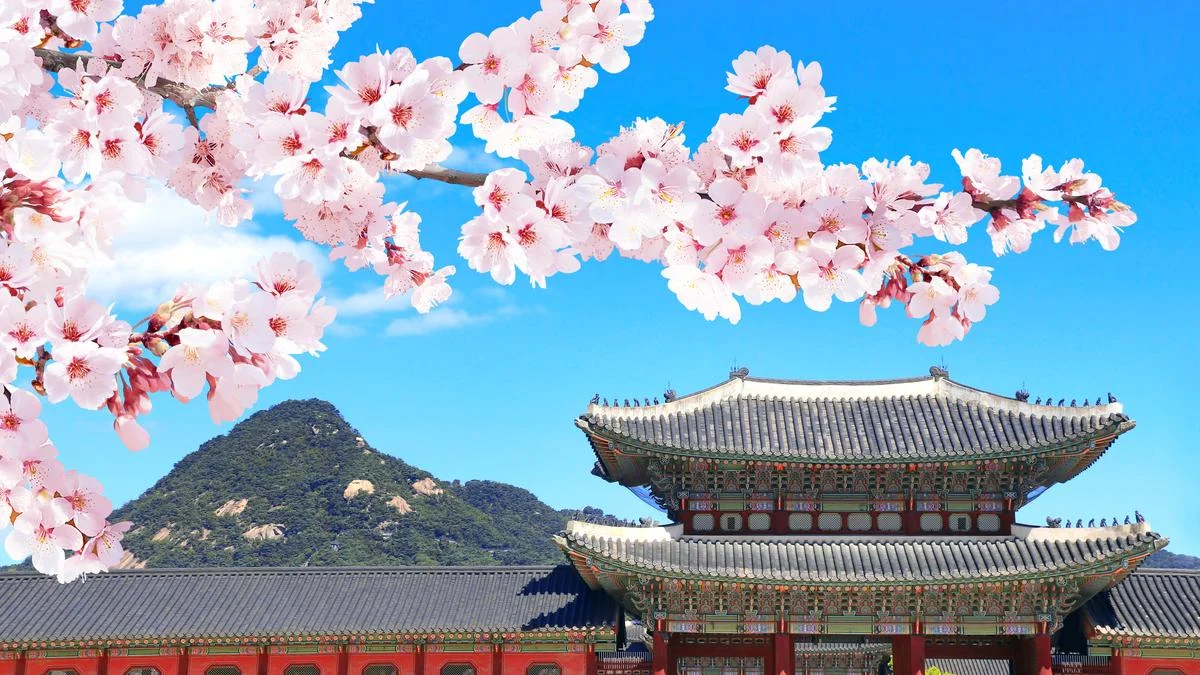
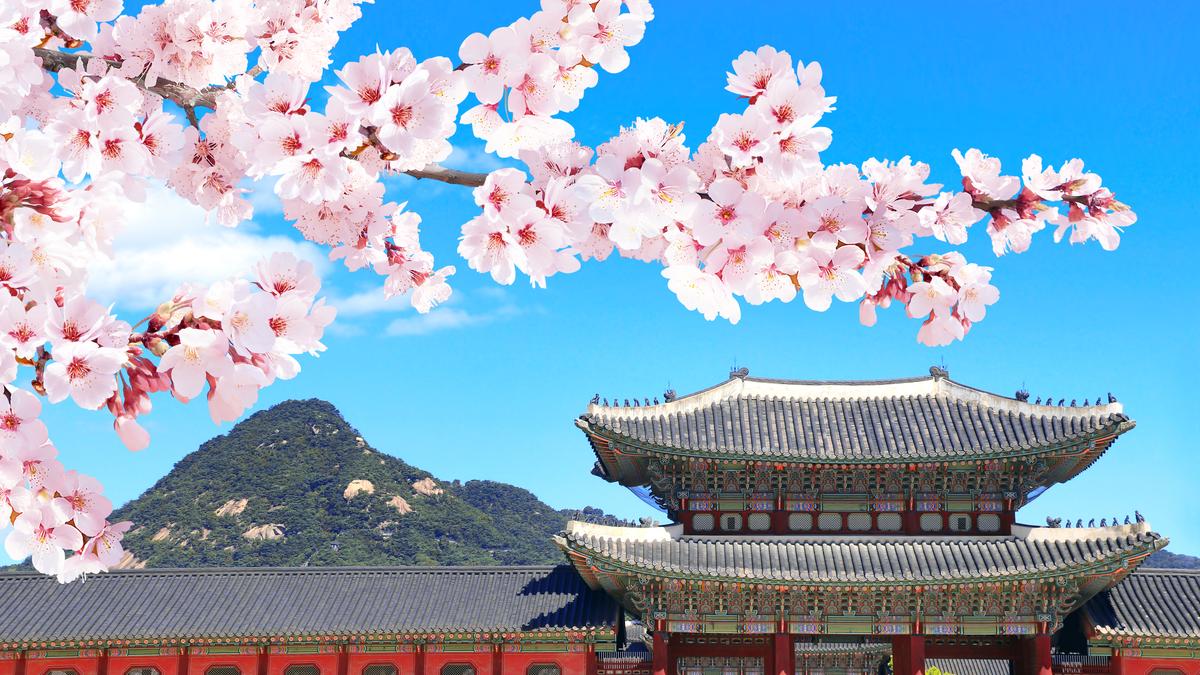
SEOUL – As the pale pink petals of cherry blossoms reach their peak across the Korean Peninsula, a different kind of fever is sweeping through the nation. Today, April 9, the K-pop global phenomenon BTS officially commences its highly anticipated "Arirang" concert tour in Goyang, a major satellite city of Seoul. The event marks a significant milestone in the group’s touring history, coinciding with a seasonal tourism surge that has seen hundreds of thousands of international visitors descend upon the capital region.
The convergence of South Korea’s most famous cultural export and its most celebrated natural season has created a unique socio-economic atmosphere. While the "ARMY" (the group’s dedicated fanbase) fills the stadiums in Goyang on April 9, 11, and 12, the streets of Seoul have been transformed into a living museum of Hallyu (the Korean Wave) and traditional spring aesthetics.
Main Facts: A Symphony of Music and Nature
The "Arirang" concert tour is not merely a musical event; it is a strategic cultural moment. Named after the traditional Korean folk song that is often considered the unofficial anthem of Korea, the tour represents a homecoming for the septet. The choice of Goyang as the kickoff point—specifically the Goyang Stadium—highlights the increasing capacity of Seoul’s surrounding metropolitan areas to host world-class events.
Key Highlights of the Opening Week:
- Performance Schedule: The initial leg features three massive shows on April 9, 11, and 12.
- The "Arirang" Theme: The tour incorporates traditional Korean motifs, blending high-octane K-pop production with deep-rooted cultural heritage.
- Tourism Influx: South Korean tourism officials report a record-breaking number of "concert-tourists" who have booked extended stays to align with the cherry blossom peak, forecasted for April 10.
- Economic Impact: Local hospitality sectors in Goyang and Seoul’s northwestern districts have reported near 100% occupancy rates, driven by the group’s return to the live stage.
Chronology: From Gwanghwamun to Goyang
The road to the "Arirang" tour has been paved with high-profile appearances that signaled a new era for the group.
March 2024: The Prelude at Gwanghwamun
In a historic move, BTS performed BTS THE COMEBACK LIVE | ARIRANG at Gwanghwamun Square. Set against the majestic backdrop of the Gyeongbokgung Palace’s southern gate, the performance was streamed globally via Netflix. This event served as a cultural bridge, linking the Joseon-era architecture with modern digital dominance.
Early April 2024: The Blossom Watch
As temperatures rose, the "Cherry Blossom Front" moved northward. By April 5, the southern regions were in full bloom, and by April 8, the eve of the concert, the trees lining the Han River and Seoul’s palace grounds began to flush pink.

April 9, 2024: The Goyang Kickoff
Today’s opening night in Goyang serves as the official launch. Fans began queuing 48 hours in advance, transforming the stadium vicinity into a makeshift village of global diversity.
April 10, 2024: The Predicted Peak
Between the first and second concert dates, the cherry blossoms in Seoul are expected to reach their maximum bloom, providing a "rest day" for fans to explore the city’s curated K-pop trails.
Supporting Data: Navigating the "BTS City"
To accommodate the influx of global visitors, the Korea Tourism Organization (KTO) and local enthusiasts have highlighted a "beyond-the-obvious" guide to the city. For the modern traveler, navigating Seoul requires more than just a passport; it requires a digital toolkit.

The Digital Infrastructure
Unlike most global cities, Google Maps offers limited functionality in South Korea due to national security regulations regarding mapping data. Consequently, the use of Naver Maps or KakaoMap has become essential for visitors. Coupled with a T-Money card—the rechargeable transit pass used for buses, subways, and even taxis—the city’s infrastructure is designed for high-efficiency movement.
Cultural Hubs and "Idol-Spotting"
The "BTS Effect" is physically etched into the city’s geography. In Seongsu, often referred to as the "Brooklyn of Seoul," Seoul Forest Park has become a pilgrimage site. Fans frequent the park to find benches dedicated to specific members:
- Suga’s Bench: Engraved with the comforting message, "Please lean on me and rest sometimes."
- RM’s Bench: Featuring lyrics and quotes curated by the group’s leader.
- J-Hope Forest: A vibrant garden featuring a signature J-shaped yellow bench.
Gastronomy and the "RM Effect"
The culinary landscape of Seoul is currently defined by a mix of high-concept cafes and traditional street food.

- Samcheongdong Hotteok: This humble stall in the Jongno district has seen a surge in popularity after RM shared photos of his visits. The stall specializes in hotteok (stuffed pancakes), offering both sweet (honey and nuts) and savory (beef bulgogi) fillings.
- Unmanned Convenience: The Ramen Convenience Store in Jongno represents a uniquely Korean trend. Open 24 hours and completely unstaffed, it allows visitors to prepare their own ramen using induction cookers, surrounded by thousands of post-it notes left by global travelers.
Official Responses: Urban Planning and Cultural Diplomacy
The South Korean government and the Seoul Metropolitan Government have leaned into the "Arirang" tour as a centerpiece of their 2024 tourism strategy.
The Korea Tourism Organization (KTO) stated that the synchronization of the concert with the cherry blossom season was an intentional highlight of their "Visit Korea Year" campaign. By providing support for facilities like HiKR Ground—a multi-floor tourism center—the government is facilitating a hands-on K-pop experience. HiKR Ground features an XR Live Studio, where fans can record their own music videos using professional-grade backgrounds, effectively democratizing the K-pop production experience.
Urban Initiatives: The Seoul Outdoor Library initiative is another official response to the seasonal crowd. By setting up beanbags and bookshelves at Gwanghwamun Square and along the Cheonggyecheon stream, the city aims to balance the high-energy concert atmosphere with spaces for "slow tourism" and intellectual engagement.

Public Safety: In light of the massive crowds in Goyang, the local police department and the Ministry of the Interior and Safety have deployed additional personnel to manage pedestrian flow, particularly around the Goyang Stadium and major subway transfer points like Seoul Station and Hongdae.
Implications: The Future of Cultural Tourism
The "Arirang" tour kickoff in Goyang signifies more than just a successful concert; it illustrates the maturing of the "Hallyu 4.0" era.
1. The Decentralization of Tourism
By hosting the kickoff in Goyang rather than central Seoul, officials are testing the capacity of satellite cities to absorb tourist traffic. This decentralization is crucial for the long-term sustainability of South Korean tourism, reducing the pressure on Seoul’s core infrastructure while boosting the economies of the Gyeonggi Province.

2. The Integration of Tradition and Modernity
The "Arirang" theme—reinforced by the March performance at Gwanghwamun—suggests a shift in BTS’s brand identity toward being "Global Cultural Ambassadors." By weaving traditional Korean music and history into their comeback, the group is encouraging their young, global audience to engage with Korean history, not just modern pop culture.
3. The "Experience Economy"
The success of spots like HiKR Ground and the "tourist experience" dance studios (where sessions cost upwards of ₹2,000 or $25) indicates a shift in traveler behavior. Visitors are no longer content with just seeing sites; they want to participate in the culture—whether by engraving their names on a stamp in Insa-dong, busking in Hongdae, or training with backup dancers.
4. Economic Resilience
Despite global economic fluctuations, the "BTS Economy" remains a robust driver for South Korea. The synergy of retail (the Dior and Prada Beauty flagships in Seongsu), beauty (the ubiquitous Olive Young), and entertainment ensures that the "Spring Surge" provides a significant injection into the national GDP.

As the sun sets over the Han River and the first notes of "Arirang" echo through the Goyang Stadium tonight, it is clear that South Korea has successfully turned a concert tour into a nationwide festival. For the fans sitting on Suga’s bench in Seoul Forest or sipping a sweet potato latte in Myeong-dong, the experience is a testament to the enduring power of music to turn a city into a home.
The writer’s travel to Seoul was supported by the Korea Tourism Organization.
