

Landmark Partnership Unlocks Seamless Digital Verification
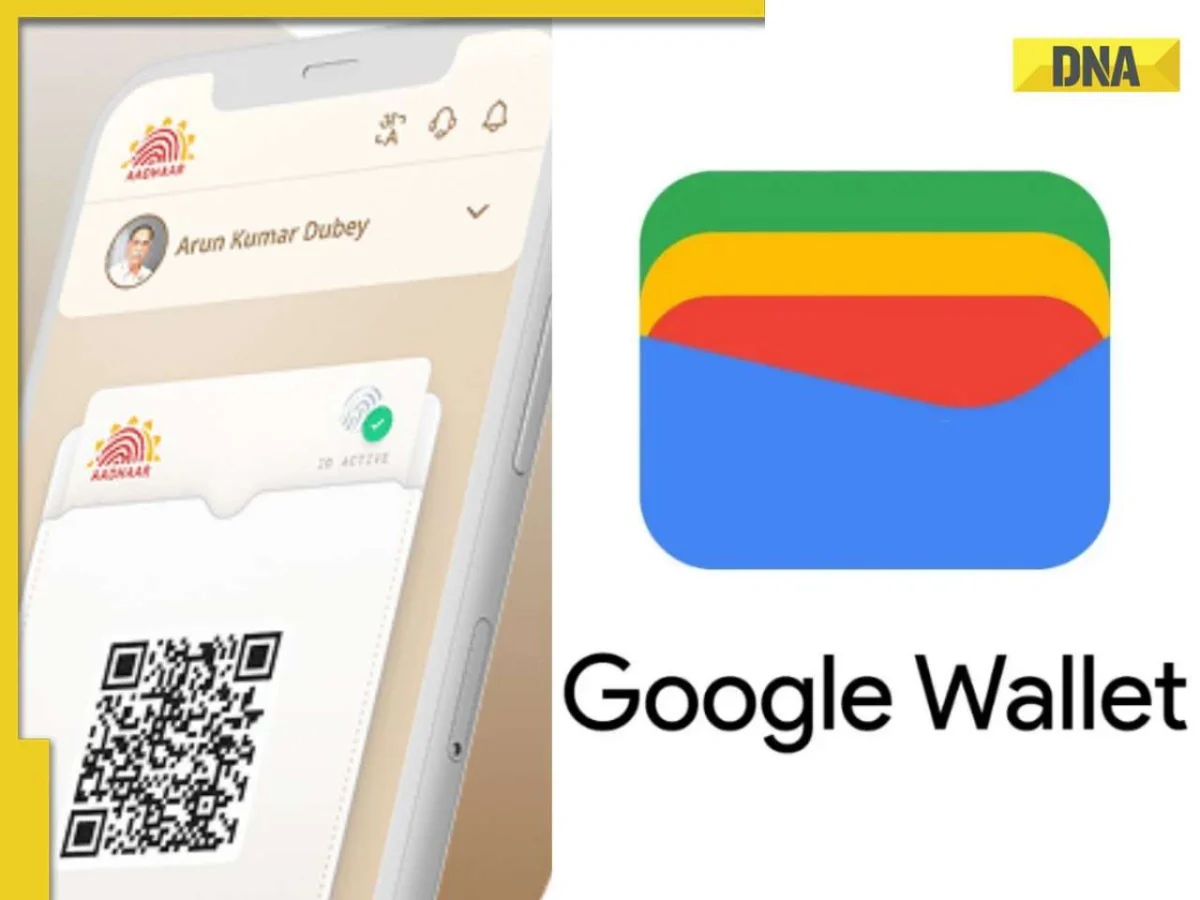
NEW DELHI, India – In a significant stride towards digitizing identity management and enhancing user convenience, Google has announced a groundbreaking partnership with the Unique Identification Authority of India (UIDAI). This collaboration now empowers users across India to securely store a digital version of their Aadhaar details directly within the Google Wallet app, marking a pivotal moment in the nation’s digital transformation journey.
The announcement signifies more than just a new feature; it represents a strategic alignment between a global technology giant and India’s foundational digital identity system. By integrating Aadhaar – the 12-digit unique identification number issued to residents of India – into Google Wallet, the aim is to streamline identity verification processes, making them more accessible, secure, and free from the traditional hassles of carrying physical documents. This initiative is set to revolutionize how individuals prove their identity for a myriad of services, both online and offline, promising a smoother, more efficient experience for millions.
Unlike previous Aadhaar linkages with financial instruments like PAN cards or bank accounts, this integration focuses purely on the secure storage and presentation of identity details. Users will not be "linking" their Aadhaar in the sense of data sharing between Google and UIDAI for backend processes. Instead, Google Wallet will act as a secure repository for a "verifiable credential" of their Aadhaar, allowing users to present it digitally for authentication purposes whenever required. This distinction is crucial, underscoring a commitment to user control and privacy within the digital ecosystem.
Initial rollout suggests that Google Wallet authentication for Aadhaar will align with select partners, including prominent names like PVR INOX and BharatMatrimony, indicating a phased expansion strategy. The overarching goal is to foster an environment where proving one’s identity is no longer a cumbersome task but a swift and secure digital interaction, firmly aligning with the broader objectives of the ‘Digital India’ initiative.
The Journey Towards a Digitized India: A Chronology of Identity
The integration of Aadhaar into Google Wallet is not an isolated event but rather the culmination of a decade-long evolution in India’s digital identity landscape. Understanding this journey provides essential context for the significance of the latest development.
Aadhaar: India’s Foundational Identity Pillar
The Unique Identification Authority of India (UIDAI) was established in 2009 with the ambitious mandate to issue a unique identity number, Aadhaar, to all residents of India. Designed as a robust, de-duplicated, and verifiable identification system, Aadhaar quickly became the world’s largest biometric ID program. Its primary purpose was to provide a portable and universally accepted identity proof, enabling transparent delivery of government subsidies, benefits, and services directly to eligible beneficiaries, thereby reducing leakages and corruption.
)
Over the years, Aadhaar has transcended its initial welfare-centric role, becoming a cornerstone for various services, including opening bank accounts, filing income tax returns, obtaining mobile connections, and accessing digital lockers. With over 1.3 billion Aadhaar numbers issued to date, it stands as a testament to India’s commitment to digital inclusion and good governance.
Evolution of Digital Identity Solutions
Prior to the Google Wallet integration, India had already made significant strides in digital identity. The government launched DigiLocker in 2015, a flagship initiative under the Digital India program, which provides a dedicated cloud-based platform for citizens to store and access their official documents, including Aadhaar, driving licenses, and academic certificates, in a digital format. This platform eliminated the need for physical documents, enabling paperless governance.
Subsequently, the UIDAI itself introduced the mAadhaar app, allowing users to carry their Aadhaar profile on their smartphones. This app offered features like downloading e-Aadhaar, viewing/updating demographic details, and generating a Time-based One-Time Password (TOTP) for authentication, further enhancing the digital utility of Aadhaar.

A critical development that directly underpins the Google Wallet integration is the introduction of Aadhaar Verifiable Credentials (AVC) by UIDAI. Launched a few months prior to this announcement, AVC is an offline verification protocol designed to enhance privacy and security. Instead of sharing raw Aadhaar data, AVC allows for the generation of digitally signed, tamper-proof credentials that can be verified offline by authorized entities. This framework ensures that only necessary information is disclosed for verification, empowering users with greater control over their data and significantly reducing the risk of data misuse. It’s this AVC technology that Google Wallet is leveraging to store Aadhaar details securely, emphasizing a privacy-preserving approach.
Google Wallet’s Expanding Footprint
Google Wallet, originally launched as Google Pay in India, has evolved into a comprehensive digital wallet platform globally, offering much more than just payment functionalities. While its payment features remain widely popular, Google Wallet has been expanding its capabilities to include loyalty cards, boarding passes, event tickets, and increasingly, digital identification. India, being one of Google’s largest and most strategic markets, naturally became a prime candidate for rolling out advanced digital identity features, especially given the pervasive nature of Aadhaar. This move solidifies Google Wallet’s position as a central hub for various digital assets in the everyday life of an Indian user.
The Genesis of the Google-UIDAI Collaboration
The partnership between Google and UIDAI is a strategic convergence of mutual interests. For UIDAI, collaborating with a global tech platform like Google means wider adoption and greater accessibility for its Aadhaar Verifiable Credentials framework, furthering the goal of secure digital identity for all. For Google, integrating India’s primary identity document into its Wallet app enhances the app’s utility, strengthens its ecosystem in India, and aligns with its broader commitment to supporting digital transformation in key markets. The discussions and technical collaborations leading to this announcement would have focused heavily on security protocols, user experience, and adherence to Indian regulatory frameworks, particularly those pertaining to data privacy and digital identity.
)
Deep Dive into the Mechanism: How Aadhaar Integrates with Google Wallet
The integration of Aadhaar into Google Wallet is engineered to be user-friendly while maintaining stringent security and privacy standards. The core technology enabling this is UIDAI’s Aadhaar Verifiable Credentials (AVC).
Understanding "Verifiable Credentials"
At the heart of this integration lies the concept of "Verifiable Credentials." When a user adds their Aadhaar to Google Wallet, they are not uploading their raw Aadhaar data to Google’s servers. Instead, through the UIDAI’s framework, a digitally signed "verifiable credential" is created and stored securely on the user’s device within the Google Wallet app. This credential contains specific, verifiable information about the user’s Aadhaar, but it’s cryptographically protected and designed for selective disclosure.
This means:
)
- Privacy-Preserving: The user retains control over what information is shared and with whom. For instance, if only age verification is needed, only that specific attribute can be presented, rather than the entire Aadhaar card details.
- Offline Verification: The credentials can be verified offline by authorized entities using a public key infrastructure, eliminating the need for real-time online checks with the UIDAI database in many scenarios. This enhances speed and reliability.
- Tamper-Proof: The digital signature ensures that the credential has not been altered since its issuance by UIDAI, providing a high level of trust.
- Decentralized Storage: The verifiable credential resides on the user’s device, not on a central Google server, further enhancing data security and user control. Google acts as an enabler for the storage and presentation, not as a central repository of Aadhaar data.
Step-by-Step Guide: Adding Your Aadhaar
The process of adding Aadhaar to Google Wallet has been designed for simplicity, offering users two primary pathways:
Method 1: Via the Google Wallet App
- Update Google Wallet: Ensure your Google Wallet app is updated to its latest version from the respective app store (Google Play Store for Android).
- Open the App: Launch the Google Wallet application on your smartphone.
- Initiate Addition: Tap the ‘+’ or ‘Add to wallet’ button, typically found at the bottom right or center of the screen.
- Select Aadhaar: Choose the option to add an ‘ID card’ or specifically ‘Aadhaar card’ from the list of available card types.
- Redirection to Aadhaar App/Portal: The Google Wallet app will likely redirect you to the official Aadhaar app (mAadhaar) or a secure UIDAI-approved web interface to initiate the credential generation process.
- Enter Aadhaar Details & OTP: Within the Aadhaar app/interface, you will be prompted to enter your 12-digit Aadhaar number. Following this, an One-Time Password (OTP) will be sent to the mobile number registered with your Aadhaar.
- Confirm & Add: Enter the OTP to verify your identity. Upon successful verification, your Aadhaar ‘verifiable credential’ will be securely added to your Google Wallet.
- Follow On-Screen Instructions: Adhere to any additional prompts or instructions provided by the app to complete the setup.
Method 2: Via the Official Aadhaar App (mAadhaar)
- Open the Aadhaar App: Launch the official mAadhaar application on your smartphone.
- Sign In & Verify: Sign in to your mAadhaar profile and complete any necessary identity verification steps within the app.
- Tap ‘Add to Wallet’: Look for an option such as ‘Add to Wallet’ or ‘Generate Verifiable Credential’ within the mAadhaar app’s interface.
- Select ‘Google Wallet’: When prompted to choose a wallet or storage option, select ‘Google Wallet’.
- Continue: Tap ‘Continue’ to proceed with the transfer of the verifiable credential.
- Follow On-Screen Instructions: The mAadhaar app will guide you through the remaining steps, which will typically involve confirming the addition to Google Wallet.
Practical Applications: Where and How to Use Digital Aadhaar
Once the Aadhaar verifiable credential is saved in Google Wallet, its utility is extensive and designed to simplify everyday interactions:
- Age Verification: For services or purchases requiring proof of age (e.g., age-restricted content, certain financial products).
- Identity Confirmation on Apps: Streamlining the KYC (Know Your Customer) process for various online applications, banking, or fintech services.
- Filling Out Forms: Pre-filling identity details in digital forms, reducing manual entry errors and saving time.
- Travel & Hospitality: Expediting check-ins at hotels, airports (where applicable), or railway stations, reducing reliance on physical documents.
- Accessing Services: Proving identity at government service centers, healthcare facilities, or for obtaining various permits.
- Partner Authentication: As initially announced, partners like PVR INOX and BharatMatrimony can leverage this for identity verification, for instance, for ticket collection or profile authentication.
This mechanism offers users the flexibility to present their identity safely for both online and offline verification scenarios, empowering them with a convenient and secure digital alternative to the physical Aadhaar card.
)
Supporting the Digital Leap: Data and Context
The success and widespread adoption of this Google-UIDAI partnership will be heavily influenced by India’s robust digital infrastructure and a populace increasingly comfortable with digital solutions.
India’s Digital Landscape: Numbers and Trends
India presents an unparalleled landscape for digital innovation due to its sheer scale and rapid digital adoption:
- Aadhaar Penetration: With over 1.3 billion Aadhaar numbers issued, nearly every resident of India possesses this unique identifier, making it the most ubiquitous identity document.
- Smartphone Users: India is home to over 800 million smartphone users, a number that continues to grow exponentially. This high penetration provides a ready user base for mobile-centric solutions like Google Wallet.
- Internet Access: Widespread and affordable internet access, particularly mobile internet, ensures that digital services can reach even remote corners of the country.
- Growth of Digital Transactions: India has witnessed an explosive growth in digital payments, driven by UPI (Unified Payments Interface) and other digital wallets. This has cultivated a tech-savvy user base accustomed to conducting financial and transactional activities through their smartphones.
- Android Dominance: Android holds a dominant market share in India’s smartphone ecosystem, making Google Wallet (an Android-centric offering) exceptionally well-positioned for broad adoption.
The Imperative for Seamless Identity Verification
The need for a frictionless and secure identity verification system in India is profound. The traditional reliance on physical documents often leads to:
)
- Physical Card Loss/Damage: The risk of misplacing or damaging physical Aadhaar cards is constant, leading to inconvenience and the need for reissuance.
- Verification Delays: Manual verification processes are often time-consuming, prone to human error, and can create bottlenecks in service delivery.
- Fraud and Tampering: While Aadhaar itself has robust security features, physical cards can be subject to tampering or unauthorized use if not handled carefully.
- Environmental Impact: The paper-intensive nature of traditional KYC and identity verification contributes to environmental concerns.
The digital Aadhaar in Google Wallet addresses these challenges head-on, promising a more efficient, secure, and environmentally friendly approach to identity management.
Voices from the Forefront: Official Responses and Strategic Vision
The collaboration between Google and UIDAI is a strategic move that reflects the broader digital ambitions of both entities. Official statements and the underlying philosophies reveal a shared vision for a more connected and empowered India.
Google’s Commitment to India’s Digital Transformation
Google’s foray into digital identity management in India through this partnership underscores its deep commitment to the market and its ‘Digital India’ initiatives. While specific direct quotes from Google officials on this exact partnership might not be public at the time of writing, their consistent messaging around digital inclusion and security provides insight into their likely stance:
)
"Our mission has always been to make information universally accessible and useful," a Google spokesperson might state, reflecting on the announcement. "By partnering with UIDAI, we are taking a significant step towards empowering Indian users with a secure, convenient, and private way to manage their primary identity document. This integration aligns perfectly with our vision for Google Wallet as a comprehensive digital hub, simplifying everyday interactions and bolstering the ‘Digital India’ ecosystem. We believe this will not only enhance user experience but also foster greater trust and efficiency in digital transactions across the country, all while prioritizing user control over their verifiable credentials."
This likely sentiment emphasizes the user-centric benefits, the technological alignment, and the broader socio-economic impact Google envisions for this initiative.
UIDAI’s Vision for Secure and Empowered Identity
The UIDAI, as the custodian of India’s foundational identity program, has consistently championed secure, privacy-preserving, and user-empowering digital identity solutions. The integration with Google Wallet, leveraging the Aadhaar Verifiable Credentials (AVC) framework, is a testament to this commitment.
)
"The UIDAI is dedicated to providing robust and secure identity solutions that empower every resident of India," an UIDAI official could articulate. "Our Aadhaar Verifiable Credentials (AVC) framework was specifically designed to enable privacy-preserving, offline verification of Aadhaar, giving citizens greater control over their data. The partnership with Google Wallet is a significant milestone in expanding the reach and utility of this secure framework. It demonstrates our commitment to collaborating with leading technology platforms to ensure that Aadhaar continues to be a trustworthy and convenient tool for digital identity, while always upholding the principles of security, privacy, and user consent."
Such a statement would highlight the technical robustness of Aadhaar, the strategic importance of the AVC framework, and the UIDAI’s proactive approach to embracing collaborations that enhance the user experience without compromising on the core tenets of data security and individual autonomy. The emphasis on ‘user control’ and ‘privacy-preserving’ elements is paramount from UIDAI’s perspective, ensuring that the digital identity remains a tool for empowerment, not surveillance.
Far-Reaching Implications: A Paradigm Shift in Identity Management
The integration of Aadhaar into Google Wallet is poised to trigger a wide array of implications, reshaping how identity is managed, verified, and utilized across India.
)
Enhanced User Convenience and Accessibility
Perhaps the most immediate and tangible benefit for citizens is the unparalleled convenience. Users will no longer need to carry a physical Aadhaar card, eliminating the risk of loss or damage. A smartphone, which most individuals already carry, will suffice for identity verification. This 24/7 access to a verifiable digital identity will streamline countless daily interactions, from collecting a movie ticket to opening a new digital account, significantly reducing friction in service access.
Robust Security and Privacy Safeguards
The architecture of this integration, centered around Aadhaar Verifiable Credentials (AVC), is designed with strong security and privacy safeguards:
- Decentralized Storage: The verifiable credential is stored locally on the user’s device, not on Google’s central servers. This minimizes the risk associated with centralized data breaches.
- Encryption: The digital Aadhaar stored in Google Wallet is encrypted, protecting it from unauthorized access even if the device is compromised.
- User Consent: Users explicitly control when and what parts of their identity credential are shared. Selective disclosure ensures that only the necessary information (e.g., just age, not full address) is revealed for a specific transaction.
- No Aadhaar Data Sharing with Google: Crucially, Google does not store or process raw Aadhaar data. It merely facilitates the secure storage and presentation of the UIDAI-issued verifiable credential. This clear separation of roles is vital for privacy.
- Offline Verification: The ability for authorized verifiers to authenticate the credential offline reduces reliance on network connectivity and minimizes potential points of attack.
These measures collectively aim to address common concerns surrounding digital identity and data privacy, positioning the Google Wallet integration as a secure and trustworthy solution.
)
Economic Efficiencies and Business Opportunities
For businesses and service providers, this integration promises substantial economic efficiencies:
- Faster Customer Onboarding (KYC): Industries such as banking, telecom, and fintech can leverage digital Aadhaar for quicker and more reliable Know Your Customer (KYC) processes, reducing the time and cost associated with manual verification.
- Reduced Operational Costs: Minimizing paper-based processes, physical document handling, and manual data entry translates into significant operational cost savings.
- Fraud Reduction: The tamper-proof nature of verifiable credentials can help in reducing identity fraud, leading to greater trust in digital transactions.
- Expanded Digital Service Delivery: Businesses can expand their digital service offerings, reaching a wider customer base by simplifying identity verification. For instance, a quick digital Aadhaar verification could facilitate instant loans or insurance policies.
Propelling the ‘Digital India’ Initiative
This partnership is a significant propellant for the Indian government’s ‘Digital India’ vision, which aims to transform India into a digitally empowered society and knowledge economy. The core pillars of ‘Digital India’ – Digital Infrastructure as a Utility to Every Citizen, Governance & Services on Demand, and Digital Empowerment of Citizens – are all advanced by this initiative. It promotes paperless transactions, enhances the accessibility of government and private services, and empowers citizens with digital tools.
Potential Challenges and the Path Forward
While the benefits are clear, potential challenges must be acknowledged:
)
- Digital Literacy: A segment of the population may still require guidance on how to effectively use digital wallets and understand the nuances of verifiable credentials. Continuous public awareness campaigns will be crucial.
- Infrastructure: While India’s digital infrastructure is robust, ensuring seamless internet connectivity and smartphone access for all remains an ongoing effort, especially in rural areas.
- Broader Adoption by Service Providers: The full potential of this integration will only be realized when a wide array of public and private service providers adopt the digital Aadhaar verification mechanism.
- Continuous Security Updates: As technology evolves, continuous vigilance, updates, and audits will be necessary to maintain the highest security standards.
The path forward will involve aggressive outreach, simplified user interfaces, and collaborative efforts between technology providers, government agencies, and businesses to ensure inclusive and secure adoption.
A Glimpse into the Future
Looking ahead, this integration could be a precursor to a broader ecosystem of digital credentials within Google Wallet. We might see the addition of other official documents like driving licenses, educational certificates, or health records as verifiable credentials, further consolidating digital identity management. The expansion to more partners across various sectors, including healthcare, education, and transportation, seems inevitable, paving the way for a truly integrated digital experience for Indian citizens.
Conclusion: A Step Towards a Truly Integrated Digital Ecosystem
The partnership between Google and UIDAI to enable Aadhaar storage in Google Wallet marks a watershed moment for India’s digital identity landscape. By leveraging UIDAI’s secure Aadhaar Verifiable Credentials framework, this initiative champions user convenience, robust security, and individual privacy. It represents a powerful synergy between global technological innovation and national digital infrastructure, promising to simplify identity verification, accelerate digital service delivery, and further cement India’s position as a global leader in digital transformation. As millions of Indians embrace this new digital frontier, the vision of a paperless, seamless, and empowered society moves ever closer to reality.
