

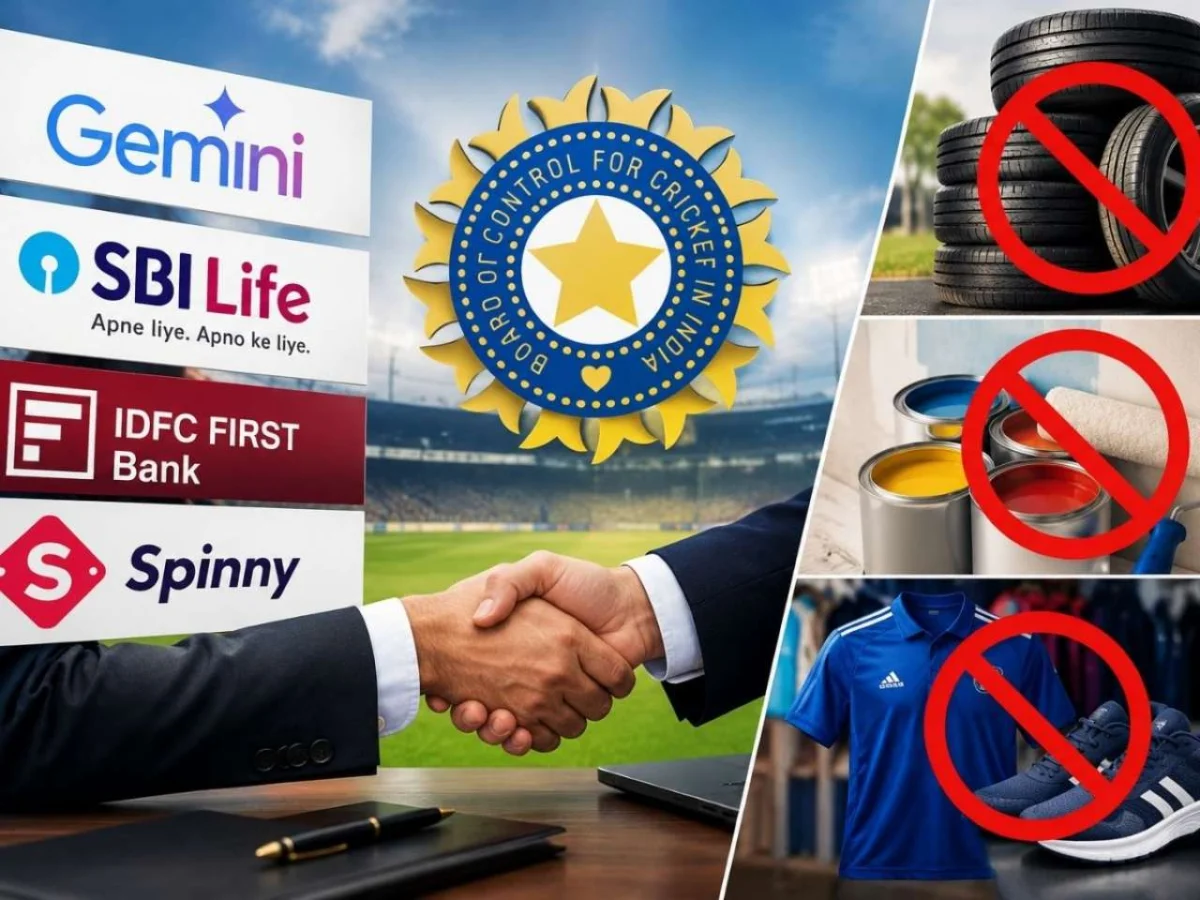
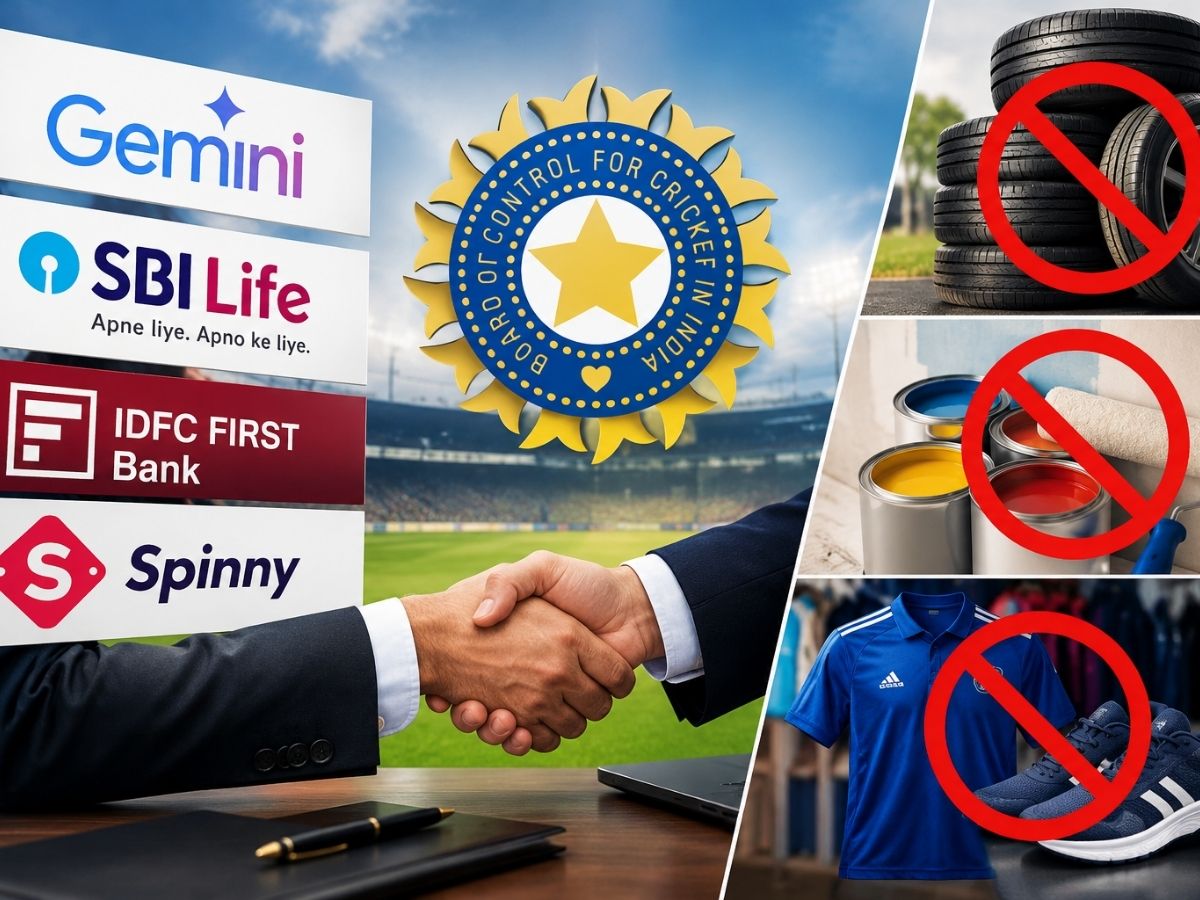
Mumbai, India – The Board of Control for Cricket in India (BCCI), the world’s wealthiest cricket board, is currently navigating a complex and high-stakes process to secure a new title sponsor for India’s international matches. Weeks after the initial bidding deadline passed, the board has shifted its strategy from a public auction to direct, one-on-one negotiations with a select group of prominent brands. Among those reportedly in contention are tech giant Google Gemini, financial services behemoth SBI Life, challenger bank IDFC First Bank, and the rapidly growing used car platform Spinny.
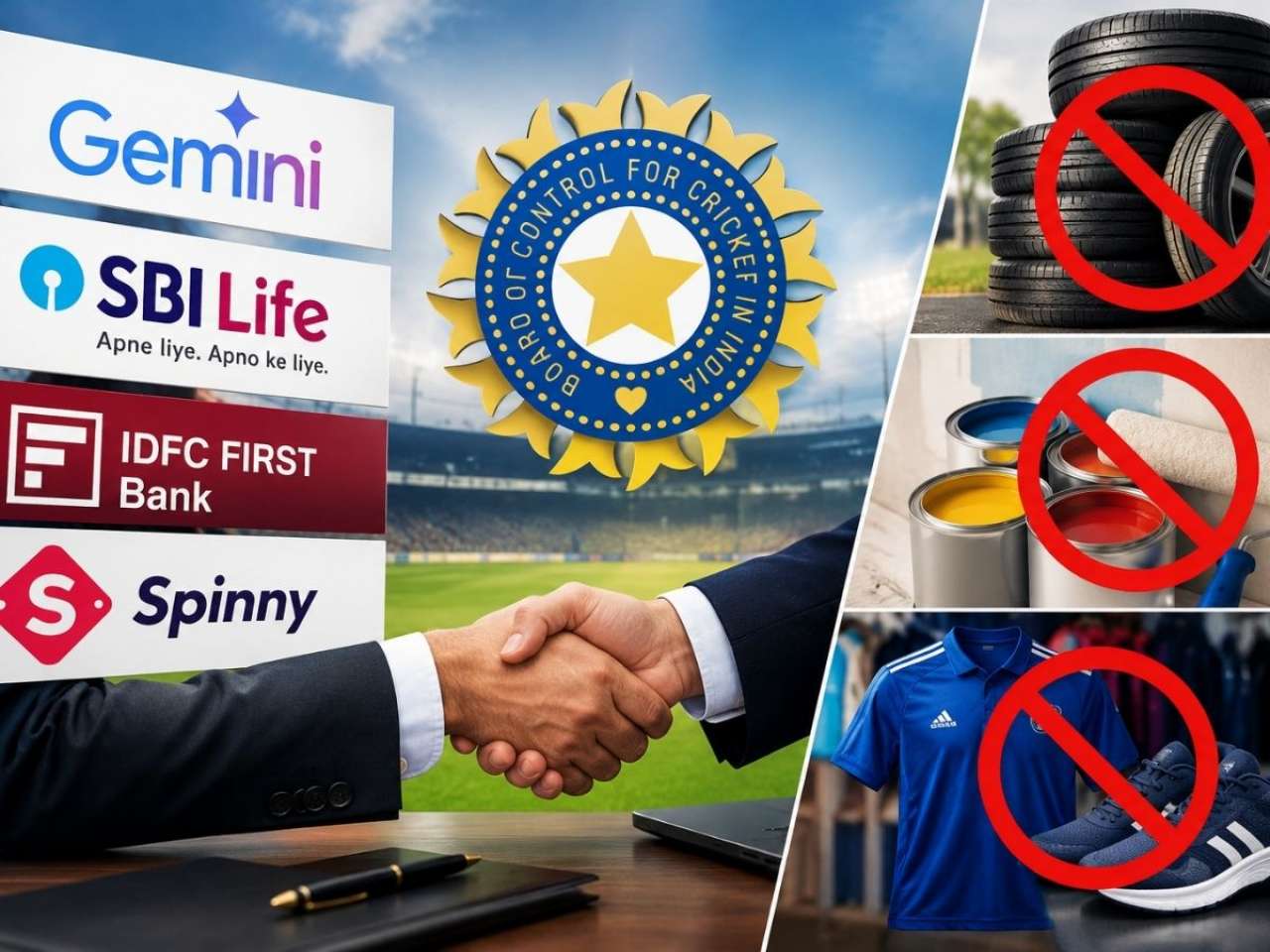
This intensive pursuit of a lucrative title sponsorship, however, is not without its controversial facets. The BCCI has explicitly barred companies from the tyre, paint, and sportswear sectors from participating in the bidding process. This decisive move is designed to safeguard the commercial interests of its existing sponsors within these categories, specifically Apollo Tyres, Adidas, and Asian Paints. The exclusion effectively shuts out other major players like MRF, CEAT, Berger Paints, JSW Paints, Nike, Puma, and Decathlon from associating their brands with the immense visibility and emotional connection of Indian cricket’s pinnacle platform.
)
The title sponsorship rights are for a significant portfolio of international fixtures involving the Indian men’s senior team, carrying a substantial reserve price of Rs 4.85 crore per match. With an estimated 35 ‘chargeable’ matches anticipated during the contract period, the deal represents a multi-crore opportunity for the chosen partner and a crucial revenue stream for the BCCI.

The Core of the Matter: Main Facts Unpacked
The current landscape of the BCCI’s title sponsorship quest is defined by several critical elements:
)
- Direct Negotiations: The most striking feature of the present situation is the BCCI’s pivot to direct talks. After an initial Invitation to Tender (ITT) process did not yield a desired outcome by the bidding deadline, the board opted for a more targeted approach. This allows for tailored discussions and potentially more flexible terms, moving away from the rigid structure of an open auction.
- Key Contenders: The names currently in discussions represent a diverse cross-section of industries. Google Gemini, an artificial intelligence initiative from Google, signals a potential embrace of cutting-edge technology. SBI Life brings the gravitas and widespread trust of a major financial institution. IDFC First Bank, a relatively newer player in the banking sector, could leverage the sponsorship for aggressive brand building. Spinny, a used car platform, reflects the growing digital commerce landscape and its increasing appetite for mass-market reach.
- Strategic Exclusions: The explicit barring of tyre, paint, and sportswear brands stands as a central talking point. This policy, clearly articulated in the ITT, is a deliberate strategy to protect the category exclusivity of existing sponsors. While common in sports marketing to prevent direct competition among sponsors, the breadth of the exclusion and the prominence of the barred brands have drawn significant attention.
- Financial Scale: The reserve price of Rs 4.85 crore per match underscores the premium value placed on associating with Team India. For approximately 35 matches over the contract duration, this translates to a base value exceeding Rs 170 crore (approximately USD 20 million), before any potential premium bids. This substantial figure highlights the commercial prowess and global appeal of Indian cricket.
- Eligibility Criteria: To ensure financial stability and brand synergy, the BCCI has imposed stringent eligibility criteria. Prospective bidders must demonstrate an average turnover or net worth of at least Rs 100 crore over the last three financial years. Furthermore, only properly incorporated companies are permitted to bid, ruling out consortia, joint ventures, or individual submissions, emphasizing a preference for established and stable entities.
A Timeline of the Sponsorship Pursuit
The search for a title sponsor has evolved over several phases, reflecting the dynamic nature of high-value sports marketing deals:
)
- Initial Invitation to Tender (ITT): The BCCI initiated the process by issuing an ITT, inviting bids for the title sponsorship rights. This document detailed the terms, conditions, eligibility criteria, and the scope of the rights on offer, including the crucial clauses regarding restricted categories. The ITT served as the formal start of the bidding cycle, outlining the board’s expectations and requirements.
- Bidding Deadline: A specific deadline was set for interested parties to submit their bids. This period typically allows potential sponsors to conduct due diligence, formulate their proposals, and submit competitive offers. The expectation is usually that a clear winner would emerge or a shortlist would be drawn from this process.
- Post-Deadline Assessment & Shift to Direct Talks: Following the bidding deadline, the BCCI undertook an assessment of the received bids. The fact that direct talks are now underway suggests that either the initial bids did not meet the board’s financial expectations (i.e., failed to cross the reserve price), or the board believes it can secure a more favorable deal through direct engagement. This pivot is a strategic decision, allowing for more nuanced negotiations that might factor in brand synergy, long-term partnership potential, and other qualitative aspects beyond just the highest monetary offer.
- Ongoing Negotiations: Currently, the BCCI is engaged in active discussions with the shortlisted brands. These talks involve detailed presentations, financial proposals, and potentially the negotiation of various contractual clauses. The goal is to finalize a deal that maximizes revenue for the board while securing a reputable and strategically aligned partner for Indian cricket.
- Announcement Awaited: The process culminates with the official announcement of the new title sponsor, an event eagerly anticipated by both the corporate world and cricket enthusiasts. The timing of this announcement will depend on the speed and success of the ongoing direct negotiations.
Supporting Data: The Financial Landscape and Strategic Rationale
The commercial machinery of Indian cricket is a colossal enterprise, and the title sponsorship is a jewel in its crown. The financial parameters and strategic exclusions are meticulously crafted to maximize returns and protect existing partnerships.
)
Financial Specifics:
)
- Reserve Price: The Rs 4.85 crore reserve price per match is a significant benchmark. For an estimated 35 chargeable men’s international matches, the minimum contract value would be approximately Rs 169.75 crore (USD 20.3 million approx., assuming 1 USD = 83.5 INR). This figure only represents the floor; the BCCI would naturally aim for a higher value, especially through direct negotiations.
- Contract Scope: The rights cover international fixtures involving the India men’s senior team. Crucially, this excludes domestic games (like the Ranji Trophy or Duleep Trophy), ACC (Asian Cricket Council) tournaments (like the Asia Cup), ICC (International Cricket Council) tournaments (like the World Cup or Champions Trophy), and matches involving the women’s team. This focused scope ensures clear delineation of sponsorship rights and avoids conflicts with other tournament-specific or team-specific sponsors.
- Eligibility Criteria – The Rs 100 Crore Threshold: The requirement for an average turnover or net worth of at least Rs 100 crore over the past three years serves multiple purposes. Firstly, it filters out smaller, less stable entities, ensuring that the title sponsor has the financial muscle to sustain such a high-value partnership. Secondly, it signals the BCCI’s commitment to partnering with established corporate players, enhancing the overall brand prestige associated with Indian cricket.
- No Consortia or JVs: The prohibition on bids from consortia, joint ventures, or individuals reinforces the BCCI’s preference for a single, accountable corporate entity as the title sponsor. This simplifies contractual obligations, brand integration, and overall partnership management.
Strategic Rationale for Exclusions:
)
The decision to bar specific categories is rooted in the principle of category exclusivity, a cornerstone of modern sports sponsorship.
)
- Protection of Incumbent Sponsors: The primary stated reason for the exclusions is to protect the interests of existing sponsors.
- Tyre Brands: Apollo Tyres is a current partner. Barring other tyre manufacturers like MRF, CEAT, and JK Tyres prevents direct competitors from leveraging the same platform, thereby maximizing Apollo’s return on investment and maintaining their exclusive association.
- Paint Brands: Asian Paints holds a significant association. Excluding Berger Paints, JSW Paints, and other players ensures Asian Paints’ unique visibility within the cricket ecosystem, preventing dilution of their brand messaging.
- Sportswear/Athleisure Brands: Adidas is an official kit sponsor. Preventing Nike, Puma, Decathlon, and other sports apparel companies from bidding for title sponsorship ensures that Adidas retains its exclusive brand space related to the team’s attire and merchandise.
- Avoiding Conflict of Interest: Such exclusions prevent potential conflicts where a title sponsor from a particular category might clash with another prominent sponsor within the same category but holding different rights (e.g., official partner, kit sponsor). This streamlined approach ensures clarity for all commercial partners.
- Optimizing Value for Existing Partners: By offering category exclusivity, the BCCI can command higher fees from its existing partners. Brands are willing to pay a premium for exclusive access to a passionate fan base, knowing their message won’t be overshadowed by direct rivals on the same platform.
- Maintaining Brand Harmony: The policy contributes to a coherent sponsorship ecosystem, where each partner has a distinct space and role, preventing brand clutter and ensuring that each sponsor’s message resonates effectively with the audience.
- Standard Restricted Industries: Beyond these specific categories, the BCCI, like many other sports bodies, also bars bids from industries traditionally deemed sensitive or controversial, such as tobacco, liquor, fantasy gaming, and gambling. This aligns with broader societal norms and brand safety considerations.
Official Responses and Communication
While the BCCI has maintained a degree of confidentiality around the specific details of the ongoing direct negotiations – a standard practice in high-value corporate deals – its overarching strategy and the rationale for the exclusions have been clearly communicated through the Invitation to Tender (ITT).
)
- Transparency through ITT: The ITT itself serves as the official communication from the BCCI, laying out the rules of engagement. The detailed stipulations regarding barred categories and eligibility criteria represent the board’s official stance on how it intends to structure its commercial partnerships. This document, while not a public statement on current talks, outlines the foundational principles governing the sponsorship process.
- Implicit Rationale: The explicit barring of specific categories, coupled with the mention of existing sponsors (Apollo Tyres, Adidas, Asian Paints), implicitly communicates the BCCI’s commitment to protecting its current commercial relationships. This strategy is about long-term partner retention and value maximization across its entire sponsorship portfolio, rather than solely focusing on the highest bidder for one specific right.
- No Direct Quotes on Negotiations: It is common for high-profile organizations like the BCCI to refrain from making public statements about ongoing commercial negotiations until a deal is finalized. This approach helps maintain the integrity of the process, prevents speculation, and allows for sensitive discussions to occur without external pressure. Therefore, official spokespersons are unlikely to offer real-time updates on the progress with Google Gemini, SBI Life, IDFC First Bank, or Spinny until an agreement is reached. The public will likely only hear an official response once the new title sponsor is formally announced.
Implications: Far-Reaching Consequences for Indian Cricket and Beyond
The BCCI’s current strategy for securing a title sponsor carries significant implications for various stakeholders, from the board itself to the broader Indian sports marketing landscape.
)
For the BCCI and Indian Cricket:
)
- Revenue Optimization vs. Transparency: The shift to direct talks allows the BCCI to negotiate bespoke deals that might extract more value or better strategic alignment than a rigid auction. However, it also raises questions about transparency. A public auction, while potentially yielding lower initial bids, offers clear accountability. Direct talks, while potentially more lucrative, can be perceived as less transparent.
- Strategic Partnership Selection: By directly engaging with specific brands, the BCCI can assess not just the financial offer but also the brand fit, long-term vision, and activation potential of a prospective sponsor. This can lead to a more synergistic partnership that enhances both the sponsor’s brand and Indian cricket’s image.
- Setting Precedents: The aggressive protection of category exclusivity sets a strong precedent for future sponsorship deals. It signals to potential partners that the BCCI is committed to safeguarding their investment by ensuring a clean competitive environment within its commercial ecosystem.
- Diversification of Sponsorship Portfolio: The inclusion of brands like Google Gemini (tech/AI) and Spinny (digital commerce) reflects a broader trend of sports properties attracting sponsors from emerging industries, moving beyond traditional categories like FMCG or automotive. This diversification can future-proof the BCCI’s revenue streams.
- Ensuring Financial Stability: A robust title sponsorship is a major component of the BCCI’s financial health, enabling investments in infrastructure, grassroots cricket, player development, and ensuring competitive remuneration for cricketers.
For Barred Brands (Tyre, Paint, Sportswear):
)
- Missed Opportunity: Major players like MRF, CEAT, Nike, Puma, Berger, and JSW Paints are denied the pinnacle of Indian sports sponsorship. This means they miss out on unparalleled brand visibility and the emotional connect with hundreds of millions of cricket fans.
- Impact on Marketing Strategies: These brands will need to recalibrate their marketing and sponsorship strategies, potentially seeking opportunities in other sports, regional leagues, or individual player endorsements to maintain their presence within the sporting arena.
- Competitive Disadvantage: While their existing rivals (Apollo, Asian Paints, Adidas) enjoy exclusivity with Team India, the barred brands face a competitive disadvantage in leveraging the most prominent cricket platform for national branding campaigns.
For Potential Sponsors (Google Gemini, SBI Life, IDFC First Bank, Spinny):
)
- Unprecedented Visibility: Becoming the title sponsor for Team India offers unparalleled brand visibility across television, digital platforms, and in-stadium branding. The sheer reach of Indian cricket ensures massive exposure.
- Emotional Resonance: Associating with a national passion like cricket provides an immediate emotional connection with consumers, fostering brand loyalty and positive sentiment.
- Strategic Growth: For brands like IDFC First Bank and Spinny, it’s a massive opportunity to accelerate brand recognition and market penetration. For established giants like SBI Life, it reinforces their national presence and trust. For Google Gemini, it signifies a major push into the Indian market for its AI offerings.
- High Return on Investment: Despite the substantial investment, the potential return on investment (ROI) through enhanced brand recall, market share gains, and customer acquisition can be immense.
For the Indian Sports Marketing Industry:
)
- Evolution of Sponsorship Models: The move to direct talks highlights the evolving nature of sports sponsorship, where relationships and strategic fit are becoming as important as the highest bid.
- Emphasis on Category Exclusivity: The BCCI’s firm stance on category exclusivity will likely reinforce this principle across other sports leagues and federations in India, making it a critical aspect of future commercial negotiations.
- Increased Competition for Niche Rights: With the top-tier title sponsorship locked down and certain categories excluded, competition for other sponsorship tiers (e.g., official partners, associate sponsors, digital partners) will intensify, offering opportunities for a broader range of brands.
In conclusion, the BCCI’s ongoing quest for a title sponsor is a microcosm of the dynamic and commercially robust world of Indian cricket. The strategic decisions to engage in direct talks and to enforce strict category exclusions underscore the board’s sophisticated approach to maximizing its commercial assets. As the negotiations progress, the eventual announcement of the new title sponsor will not only inject significant funds into Indian cricket but also provide a powerful barometer of corporate India’s continued faith in the unparalleled reach and emotional power of the sport. The chosen brand will embark on a journey that intertwines its identity with the aspirations and passions of a cricket-loving nation, marking a new chapter in the commercial narrative of Team India.
