

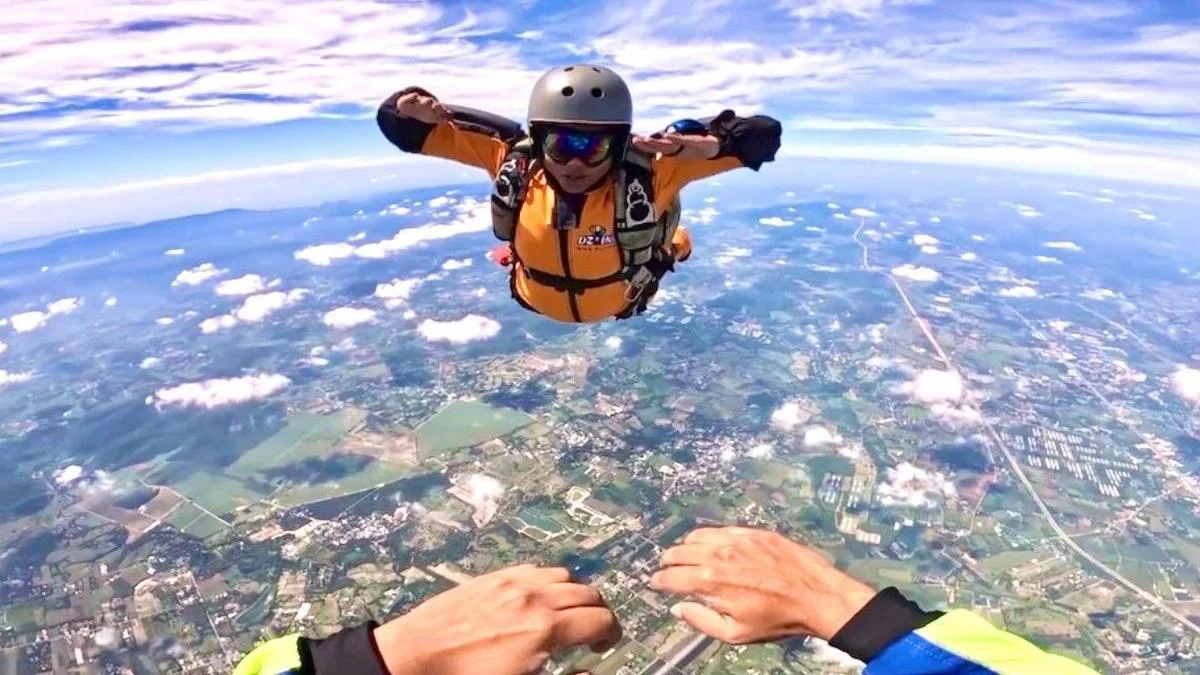
Visakhapatnam, Andhra Pradesh – In a nation where the skies are predominantly traversed by military personnel or those experiencing a fleeting thrill via tandem jumps, Divya Surepalli, at 37, has etched her name in history as the first licensed civilian woman skydiver from Andhra Pradesh. Her achievement in 2024 marks a significant milestone, not just for her home state but for the nascent landscape of civilian aerial sports in India, where fewer than 20 women nationwide have ventured beyond a singular tandem experience to pursue the rigorous path of certified skydiving. This select group, a testament to the sport’s exclusivity, comprises individuals who are either licensed or actively working towards their certifications, underscoring the narrow and challenging route to becoming a solo skydiver in India.
Surepalli, a native of Visakhapatnam with a postgraduate degree in Environmental Engineering from Germany, harbored the dream of skydiving for years. What began as a distant aspiration, a "what if" during a visit to the United States, transformed into a determined pursuit after an unexpected turn of events. A planned tandem jump was thwarted by adverse weather, but the disappointment sparked a new ambition: to experience the sport not just as a passenger, but as a skilled participant, complete with training and certification. This initial setback, instead of deterring her, became the catalyst for a journey that would test her resilience, discipline, and courage.
The Genesis of a Skyward Dream: From Tandem to Training
Divya Surepalli’s foray into the world of skydiving wasn’t a spontaneous decision but a meticulously nurtured aspiration. The idea had lingered for years, a whisper of adventure against the backdrop of her academic and professional life. During a visit to the United States, she found herself on the precipice of her first jump, a tandem experience that would have offered a fleeting glimpse into the world above. However, the capricious nature of weather intervened, grounding her plans and leaving her with a sense of unfulfilled longing. Yet, this disappointment was not a dead end. Instead, it ignited a more profound interest, shifting her focus from a singular thrill to a sustained engagement with the sport. The thought of acquiring proper training and certification began to take root, transforming a casual desire into a concrete objective.
The turning point in Surepalli’s journey arrived when she joined forces with Shweta Parmar, a pioneering figure among India’s civilian women skydivers. Together, they embarked on a trip to Moscow, Russia, with the explicit goal of undertaking an Accelerated Freefall (AFF) course at Drop Zone Krutitcy, located on the outskirts of the city. The AFF course is a comprehensive training program designed to teach individuals to skydive solo. It involves a series of jumps with an instructor, gradually reducing the instructor’s assistance as the student progresses. Surepalli intended to complete the entire sequence of jumps required for her license at this location. However, much like her initial attempt in the US, external factors intervened. Worsening weather conditions after the initial stages of her training disrupted her meticulously laid plans. "I finished my AFF there, but the conditions deteriorated soon after," she recounted, highlighting the unpredictable nature of aerial sports. "To complete the remaining jumps required for my license, I had to relocate." This unforeseen complication necessitated a change of venue, leading her to Thailand, which would become her second classroom, a place where she would ultimately complete the rigorous training needed to earn her wings.
The Rigors of Certification: Navigating the A-License Requirements
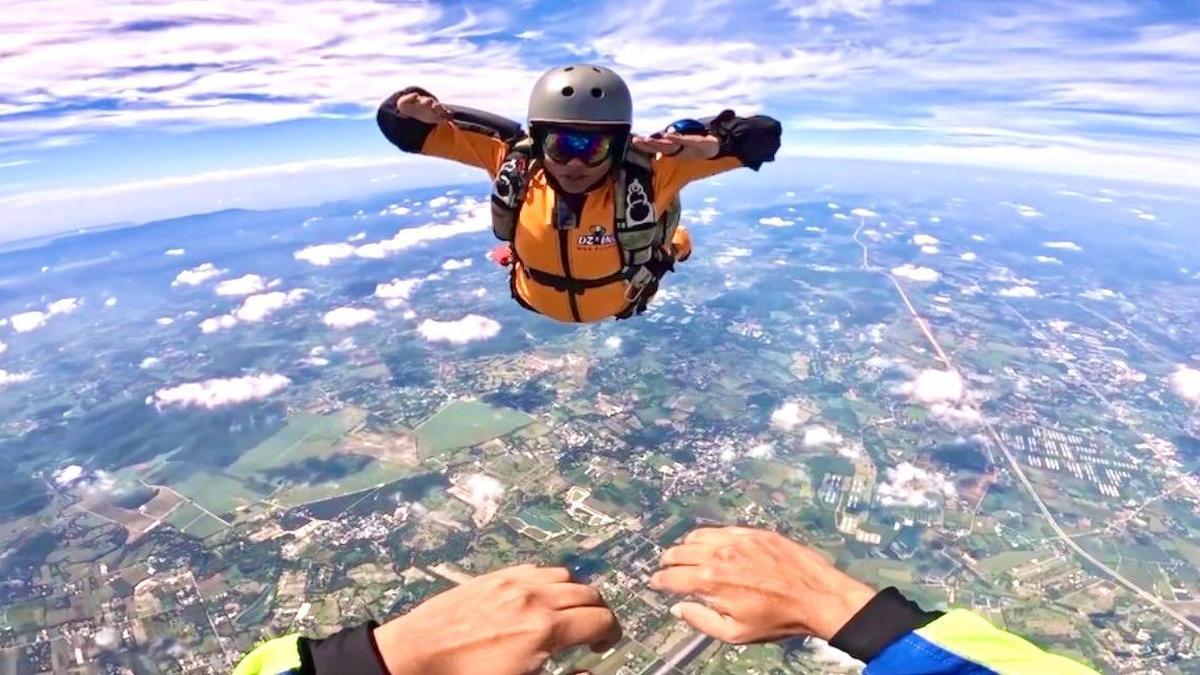
Earning an A license, the foundational certification for solo skydivers, is a demanding process that requires a blend of practical skill, theoretical knowledge, and sheer determination. The standards, set by organizations like the United States Parachute Association (USPA), which often serve as benchmarks globally, are stringent. To achieve this initial license, a skydiver must successfully complete a minimum of 25 jumps. This isn’t merely about accumulating airtime; each jump is a graded performance. Crucially, these jumps must demonstrate proficiency in specific freefall maneuvers and precise canopy control. Participants are also required to pass written or oral assessments that cover a broad spectrum of knowledge, including emergency procedures, equipment knowledge, and air traffic rules. Furthermore, the ability to execute group jumps, showcasing coordination and awareness within a formation, is a key component. Finally, a critical aspect of the A license is the demonstration of self-sufficiency; skydivers must be able to properly pack their own parachute, a task that requires meticulous attention to detail and understanding of the equipment’s mechanics.
With a total of 29 jumps logged, Divya Surepalli successfully met all the stipulated criteria for her A license. This certification is more than just a piece of paper; it represents a significant achievement in mastering the fundamentals of solo skydiving. It grants the holder the autonomy to jump at affiliated drop zones across the world without requiring direct supervision, a privilege earned through demonstrated competence and adherence to safety protocols. Her accomplishment signifies not just her personal triumph but also contributes to the growing, albeit small, community of licensed civilian skydivers in India.
Navigating Turbulence: Personal Challenges and Triumphs
The path to becoming a licensed skydiver is rarely a smooth ascent. For Divya Surepalli, the journey was punctuated by moments that tested her resolve and pushed her beyond her perceived limits. Midway through her AFF course, a harrowing experience during freefall – a severe spin that sent her into an uncontrolled rotation – left a significant impact on her confidence. "That incident shook my confidence more than I expected," she admitted, her voice reflecting the lingering gravity of the moment. The unsettling experience transcended mere fear of the sky; it instilled a profound doubt in her own judgment and decision-making capabilities under duress.
It was during this period of introspection and self-doubt that the crucial role of mentorship came to the fore. Her instructor and mentor, Alex Troshyn, played an instrumental part in her recovery. "I had withdrawn and was staying in my hostel," she recalled, painting a picture of isolation and apprehension. "He came to speak with me and reminded me that setbacks are part of training, not signs of failure. That conversation helped me return to the process." Troshyn’s words served as a vital anchor, helping her to reframe the incident not as a personal failing but as an integral, albeit challenging, part of the learning curve. This intervention was pivotal, enabling her to overcome the psychological hurdle and recommit to her training.

Thailand, her second training ground, presented a different set of challenges, each demanding swift thinking and adaptability. During one jump, a sudden shift in wind patterns dramatically altered her intended landing trajectory when she was approximately 1,000 feet above ground level. The situation rapidly devolved into a stark choice between two undesirable outcomes: landing on an asbestos roof, which carried a high probability of serious injury, or descending into a swamp. Training had unequivocally emphasized avoiding water landings due to the inherent risks. A third, albeit unconventional, option presented itself in the form of a cluster of trees. Recognizing the immediate danger of the roof and the potential perils of the swamp, she made the calculated decision to aim for the trees, accepting the potential for a hard impact over the certainty of broken bones. Against all odds, and through a combination of instinct and practiced skill, her landing in the trees was unexpectedly controlled, a testament to her ability to apply her training under extreme pressure, even if the preceding moments were anything but serene.
Another critical juncture involved a late correction required to avoid a hazardous encounter with electric poles situated perilously close to the designated landing zone. Surepalli elaborated on the unique challenges posed by Thailand’s drop zones, often characterized by lower altitudes compared to those in Moscow. "At 12,000 feet, you have less freefall time than you would at 14,000 feet, as in Moscow," she explained. "That reduces the margin available for adjustments." This reduced window of opportunity for corrective maneuvers underscored the absolute necessity of maintaining a clear head and executing precise actions under pressure. Each of these incidents, while fraught with peril, served as invaluable real-world lessons, reinforcing the discipline required to remain calm and analytical amidst the chaos of an airborne emergency.
The Human Element: Support Systems and Family Acceptance
Beyond the technical demands and the adrenaline-fueled challenges, Surepalli emphasizes the profound importance of robust mentorship and unwavering support systems in navigating the demanding world of skydiving. The journey was not solely a solitary endeavor; it was bolstered by the guidance of experienced individuals and the gradual acceptance of her loved ones. Family acceptance, particularly from her mother, was not an immediate or effortless affair. Convincing her mother of the safety and viability of her chosen pursuit required time, patience, and consistent reassurance. The eventual agreement came with a specific condition: "She asked me to video call her before and after every jump," Divya shared. "She wanted to see that I was safe. That reassurance mattered to both of us." This simple yet profound request highlighted the emotional toll her pursuit took on her family and the reciprocal need for connection and peace of mind. These video calls, a small ritual, became a crucial bridge between the exhilarating heights of her sport and the grounded concerns of her family.
The Steep Climb: Cost and Access as Major Hurdles
The most significant impediment to the growth of civilian skydiving in India, as highlighted by Surepalli’s experience, remains the formidable barrier of access and the associated costs. Currently, India boasts only a single drop zone that offers tandem jumps, and critically, none that facilitate the issuance of civilian licenses. This stark reality forces aspiring skydivers to seek international destinations for certification, a necessity that dramatically escalates expenses. Surepalli estimates that the cost of obtaining her initial A license alone amounted to approximately ₹5 lakh. While subsequent levels of certification tend to be less expensive, the initial investment represents a substantial financial undertaking, placing the sport well beyond the financial reach of a vast majority of the Indian population. This economic disparity creates a significant bottleneck, limiting participation to a privileged few.
Gender Dynamics in the Sky: Navigating a Male-Dominated Arena
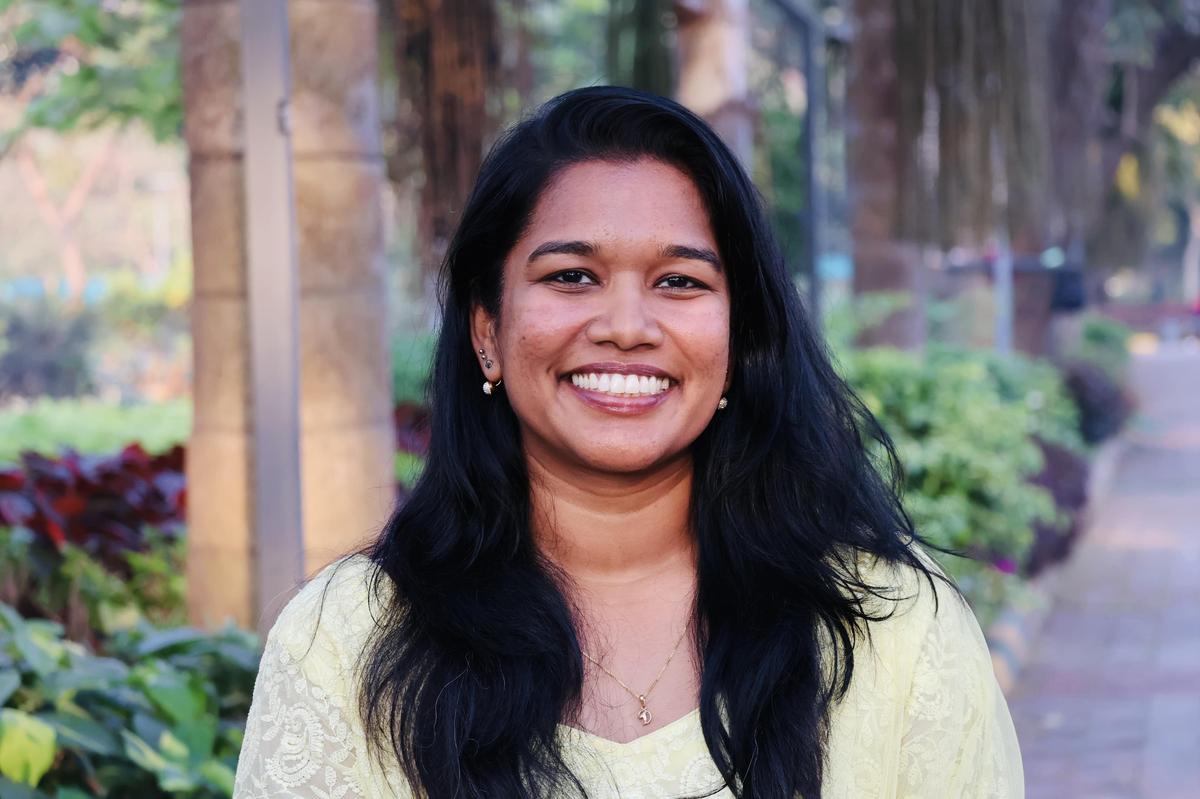
The landscape of skydiving, like many extreme sports, is predominantly male-dominated, a reality that presents its own set of challenges. "It is a male dominated space and stereotypes are very real," Surepalli stated candidly. "There were moments when I felt dismissed." The inherent biases and preconceived notions about women’s capabilities in such physically demanding and perceivedly dangerous activities can lead to feelings of being underestimated or overlooked. However, her experience was not monolithic. She also encountered individuals who offered genuine support and professionalism. "At the same time, I also encountered men who were supportive and professional. Both experiences exist." This nuanced perspective acknowledges the existence of both prejudice and positive allyship within the community, emphasizing that individual interactions can vary significantly. During her periods of self-doubt, these supportive allies provided tangible encouragement and a sense of belonging.
Transformation from the Clouds: Personal Growth and Future Aspirations
Divya Surepalli, who describes herself as inherently shy, quiet, and ambiverted, embodies a persona that might seem at odds with the commonly held image of a daredevil skydiver. Yet, the sport has profoundly reshaped not only her external perception but also her internal self-assessment. "It changed how I respond to situations," she reflected. "There is a heightened awareness that carries into everyday life. It has helped me become clear about what deserves attention and what does not." This newfound clarity and enhanced situational awareness are significant byproducts of her skydiving journey, demonstrating how the sport has instilled a greater sense of control and prioritization in her daily life.
She is now an active participant in an informal network of civilian women skydivers across India. This community serves as a vital platform for sharing advice, exchanging training experiences, and offering mutual encouragement. The camaraderie and shared understanding within this group are invaluable for navigating the unique challenges and joys of being a woman in this sport. Maintaining physical fitness remains a cornerstone of her routine. Daily runs provide a steady and grounding counterbalance to the intense physical and mental demands of skydiving, ensuring she remains prepared for every jump.
For Divya Surepalli, her achievement is not defined by conquest or a pursuit of adrenaline-fueled thrills. Instead, it is a testament to her unwavering persistence, the dedication to rigorous training, and the quiet, resolute determination to finally complete what was once postponed by the whims of the weather. Her journey from Visakhapatnam to the skies above, marked by resilience and a pioneering spirit, serves as an inspiration and a beacon for aspiring women in India, demonstrating that with passion and perseverance, the sky is truly no limit.
