Bengaluru, India – What began in 2015 as a platform to celebrate the exceptional talent of Indian wildlife photographers has evolved into a powerful advocacy tool for conservation. Nature in Focus (NIF), a Bengaluru-based organization dedicated to natural history storytelling, has significantly broadened the scope of its annual photography contest. Beyond recognizing photographic prowess, the contest now serves as a crucial conduit for raising awareness about critical environmental issues, with a particular spotlight this year on the escalating waste crisis in the Himalayas.
From Recognition to Advocacy: The Evolving Mission of Nature in Focus
Rohit Varma, co-founder of Nature in Focus, articulated the genesis of the photography contest, stating, "Recognition is important. We wanted to acknowledge the skill and hard work of wildlife photographers across India." However, the vision extended beyond mere accolades. Varma envisioned these striking images as catalysts for fostering a deeper connection with nature. "If you see these," he explained, "somewhere, at the back of your mind, you start thinking you should go and visit this place. That is how, slowly, that connection with nature happens."
Over the past decade, this initial intent has matured into a more comprehensive conservation agenda. The contest now actively seeks to highlight pressing environmental challenges faced both domestically and globally. "Today, I see our photography competition has a larger purpose," Varma elaborated. "Apart from the recognition for wildlife photographers, we also want to highlight conservation and environmental issues through images and photo stories." This shift underscores a profound understanding of photography’s potent ability to move audiences and inspire action.
A Spectrum of Natural Wonders and Emerging Threats
The Nature in Focus photography contest is meticulously structured into various categories, each designed to illuminate different facets of the natural world. These include established categories such as "Animal Behaviour," "Animal Portraits," the esteemed "Ramki Sreenivasan Conservation Photography Award," and "Wildscape & Animals in their Habitat." These categories have consistently showcased the breathtaking biodiversity of India and the dedication of photographers who venture into its wild heart.
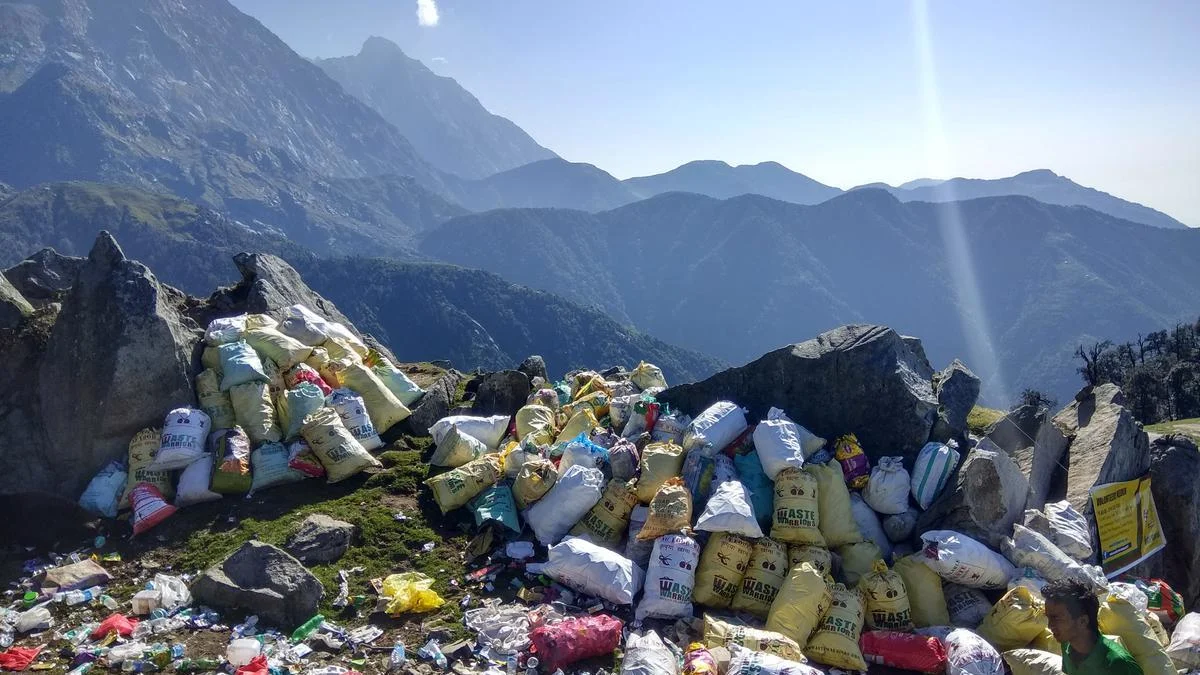
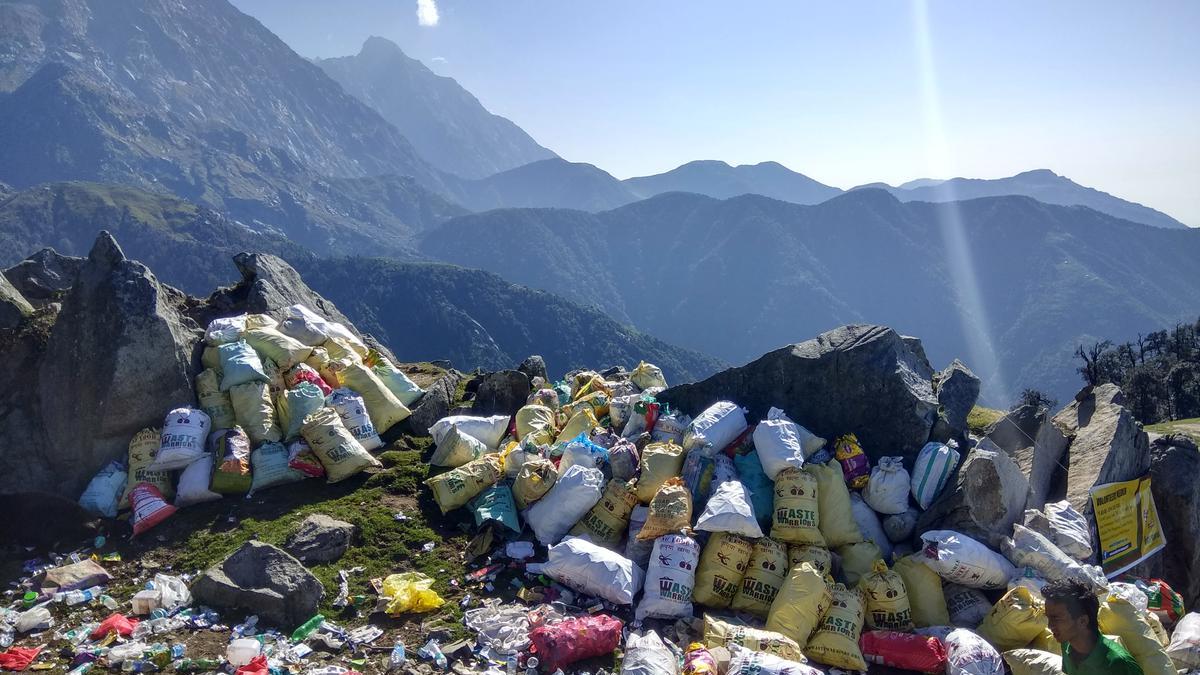
However, this year marks a significant and urgent addition: the "Himalayas on the Edge" category. This new initiative directly confronts the detrimental impact of indiscriminate littering on the fragile Himalayan ecosystem and its wildlife. The category aims to generate visual evidence and public discourse around a pervasive problem that often goes unaddressed.
The Invisible Scourge: Unpacking the Himalayan Waste Crisis
Rohit Varma emphasized the critical need for greater attention to the waste problem, particularly plastic pollution, in the Himalayas. "We are not talking about the plastic problem as much as we should be," he asserted. The hope is that entries in the "Himalayas on the Edge" category will serve as an educational tool, prompting both residents and visitors to adopt more responsible waste management practices. "What we want is for more people to participate, more images to come out and more evidence created," Varma stated, underscoring the desire for tangible impact.
The gravity of this issue is further amplified by the partnership with Waste Warriors, a Dehradun-based non-governmental organization. Waste Warriors is at the forefront of tackling waste management challenges in critical regions across India, including Dehradun, Dharamshala, Corbett National Park, and Himachal Pradesh.
Angad Khanna, Associate Director of Communications at Waste Warriors, highlighted the multifaceted nature of waste management. "While waste is considered a hygiene or cleanliness issue," Khanna explained, "it also has intersectionalities across many areas, such as climate change, wildlife, and habitat conservation." This perspective moves beyond superficial clean-up efforts to acknowledge the systemic and ecological ramifications of unchecked waste.
The Interconnectedness of Waste and Wildlife Conflict
Khanna provided a stark illustration of how waste directly contributes to human-wildlife conflict, particularly in areas experiencing intense development pressures and high human footfall. "Where there are more people, especially in high-footfall tourist areas, there is definitely more waste," he observed. "And as waste accumulates, animals move closer to these areas. Because of this, human-wildlife conflict is increasing."
He recounted a recent incident in Dehradun where wild elephants ventured close to the city limits, drawn by the presence of a dumping ground. "Because there was a dumping ground, they were looking for food there," Khanna explained. This scenario exemplifies how human-generated waste inadvertently lures wildlife into proximity with human settlements, escalating the potential for dangerous encounters.
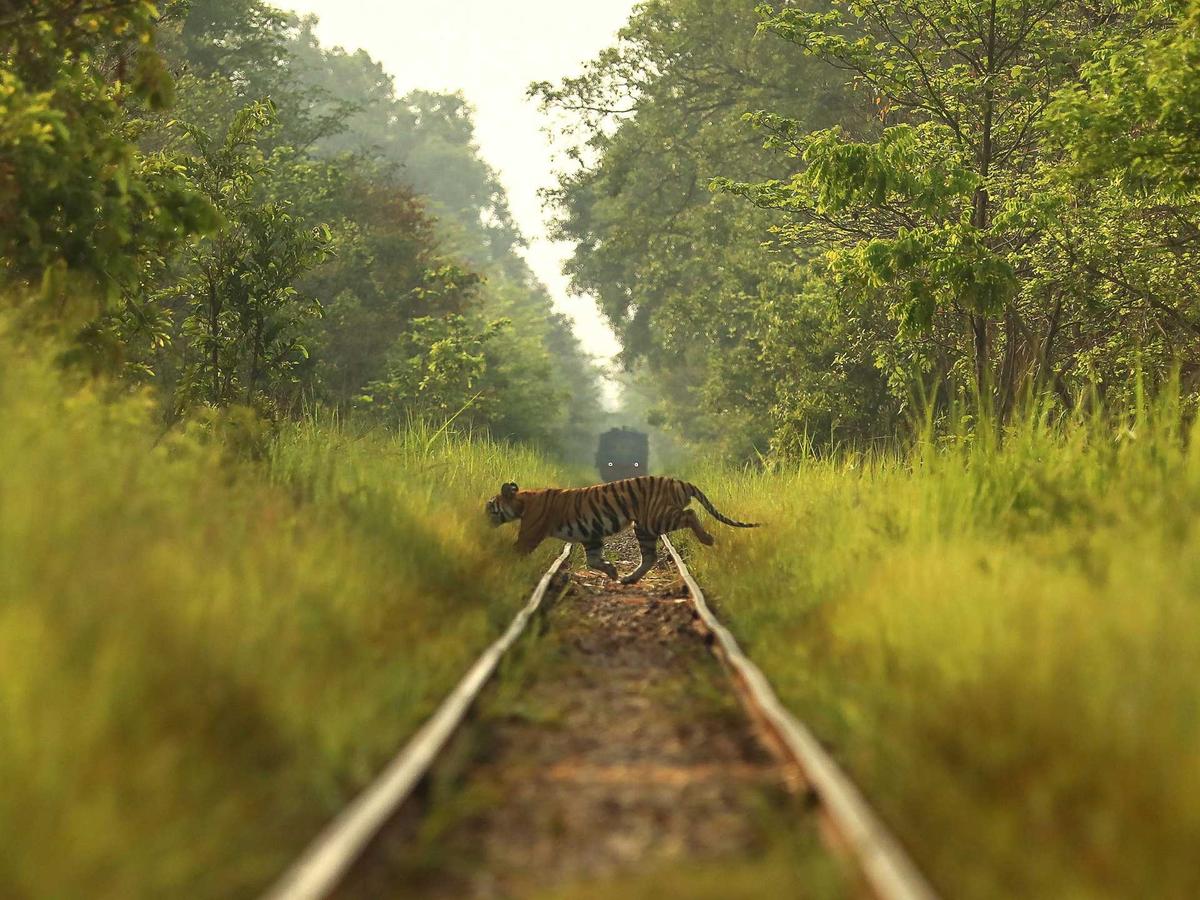
Furthermore, many ecologically sensitive areas, including biodiversity parks, national parks, and reserves, often lack adequate waste management infrastructure. This deficiency is particularly problematic in the Indian Himalayan Region, where the challenging terrain and limited funding present significant hurdles.
"Setting up waste management systems in the Indian Himalayan Region is not easy, given the tough terrain and limited funds," Khanna pointed out. "Also, many people in rural mountain villages lack awareness, since plastic is new for some of these communities." This lack of awareness often leads to unsustainable practices such as burning or indiscriminate dumping of waste, without understanding the necessity of segregation and proper disposal.
The Alarming Reality of Wildlife Ingestion of Plastic
The consequences of improper waste disposal are particularly dire for wildlife. When animals ingest unsegregated waste, they are often exposed to harmful plastics. Khanna cited a concerning study by Wildlife SOS in Kashmir, which found that 70-75% of the diet of Himalayan brown bears consists of scavenged garbage, including plastic bags, milk powder wrappers, and chocolate packaging. This alarming statistic was derived from an analysis of the bears’ excreta, providing undeniable evidence of plastic contamination in their food chain.
The Photographic Imperative: Documenting the Undocumented
Despite the evident severity of the problem, Angad Khanna believes that the magnitude of the Himalayan waste crisis remains insufficiently documented. "While there is written evidence, and there have been some studies through camera traps by a few agencies and organisations, there is not enough photographic evidence," he stated.
He observed that photographers often inadvertently avoid capturing waste in their frames when documenting wildlife in these regions. Instead, they may choose to wait for animals to move to cleaner areas or meticulously frame their shots to exclude visible refuse. This tendency, Khanna suggests, stems from a broader societal desensitization to the presence of waste.
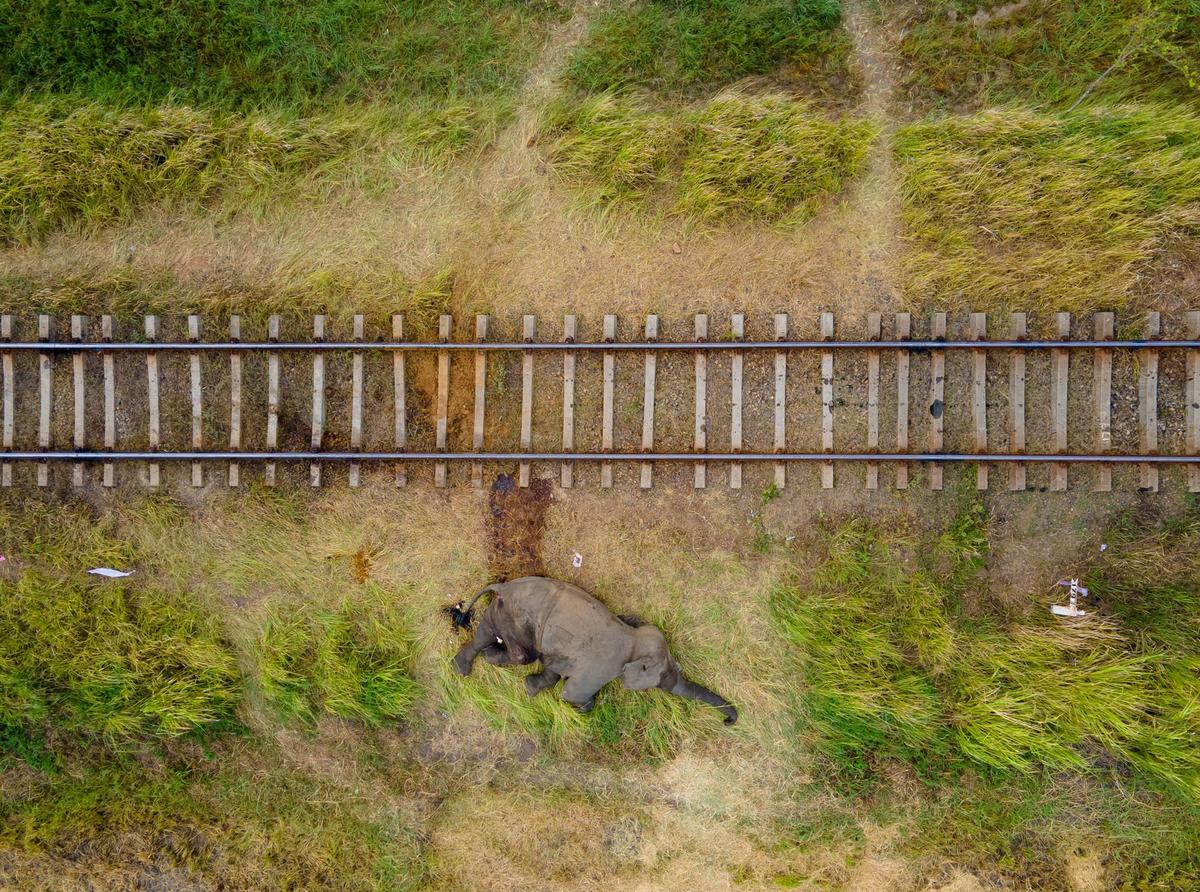
"As human beings, we have become so desensitised to seeing waste around us," he remarked. "That is why photographs are needed. If waste cannot sensitise someone directly, maybe an innocent animal eating waste could have an emotional effect on a human being." This powerful statement underscores the potential of photography to bypass apathy and evoke empathy, compelling viewers to confront the harsh realities faced by wildlife.
A Call to Action Through Art and Awareness
Minakshi Pandey, Partnership Consultant at Waste Warriors, echoes this sentiment, expressing her hope that the "Himalayas on the Edge" category will inspire profound realization. "Given that people do not seem to see waste as a problem," Pandey stated, "this category wants people to realise that waste is a problem; not just for the voiceless animals and the beautiful landscape that we are destroying, but also for humans." This comprehensive perspective highlights the interconnectedness of environmental health and human well-being.
Pandey’s articulation of why they approached Nature in Focus reveals a shared vision: "We want to use these images for a larger purpose." Rohit Varma fully supports this aspiration. "I personally, and as an organisation, believe that images can talk a lot and make people take certain decisions, whether they are laypeople, the forest department, the government or conservation organisations," he affirmed. "Photography can effect change in a big way."
The Nature in Focus photography contest, with its expanded focus and the introduction of the "Himalayas on the Edge" category, stands as a testament to the evolving role of art and storytelling in environmental advocacy. By harnessing the power of visual narratives, the contest aims to not only celebrate the natural world but also to illuminate the urgent conservation challenges that threaten its very existence, urging a collective shift towards responsible stewardship of our planet.
Registrations for the Nature in Focus photography competition close on May 31. For more information, please visit natureinfocus.in/wildlife-photography-contest.