

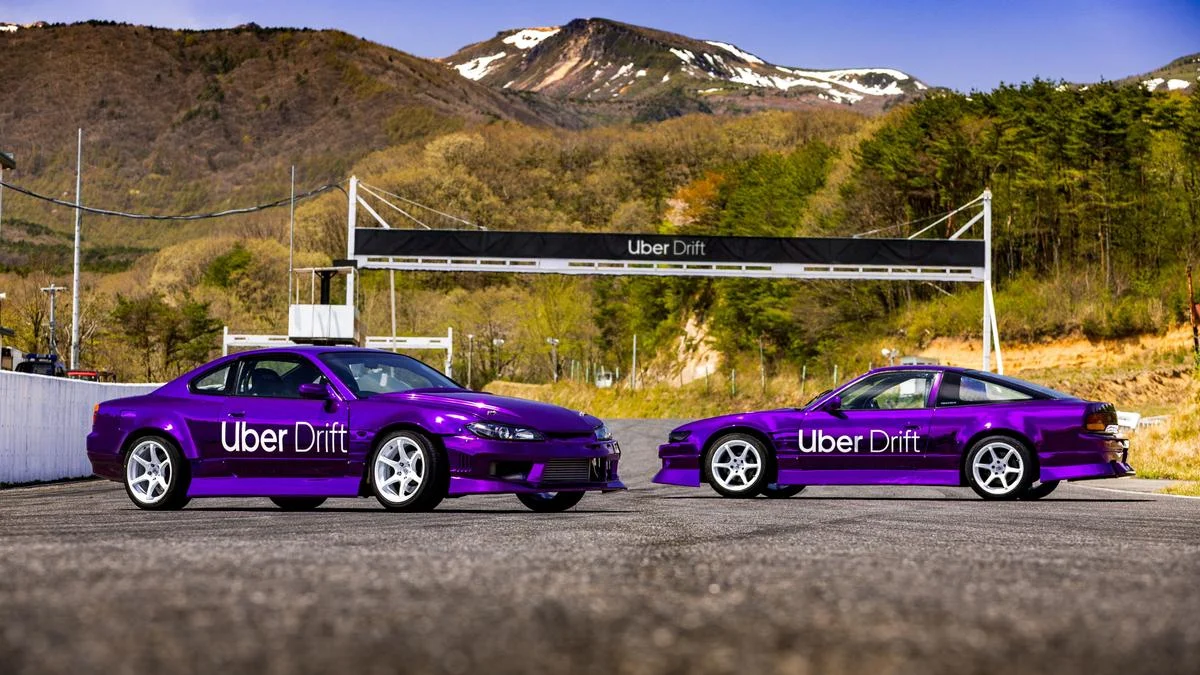
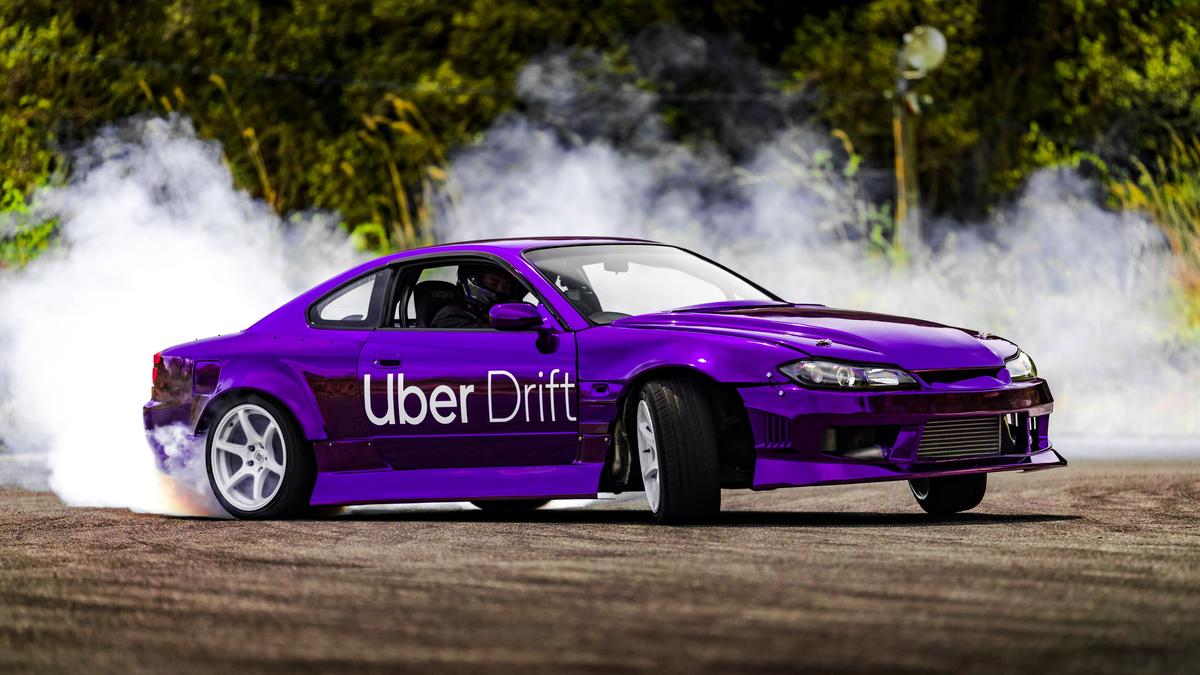
TOKYO — At the Mobara Twin Circuit, located roughly 90 minutes outside the neon-lit sprawl of Tokyo, the air is thick with the scent of vaporized rubber and high-octane fuel. Within the cockpit of a modified Nissan Silvia S15, the world outside the windshield becomes a blurred smear of grey asphalt and green perimeter fencing. To the uninitiated, the sensation is one of an impending accident. To Fausto, a reigning drift champion and master of this automotive discipline, it is simply another day at the office.
Drifting, once a clandestine activity practiced on the winding mountain passes of Japan, has evolved into a global motorsport phenomenon. Its latest iteration involves a surprising partnership with the tech-giant Uber, through its "Go Anywhere" campaign, offering a rare window into a subculture that has historically been difficult for outsiders to access. This report examines the mechanics, history, and the shifting landscape of Japanese drifting culture.
I. Main Facts: The Intersection of Performance and Spectacle
Drifting is unique in the world of motorsport because it prioritizes aesthetic execution and technical control over raw chronological speed. Unlike Formula 1 or Le Mans, where the goal is to maintain maximum grip to achieve the fastest lap time, drifting requires the intentional abandonment of traction.
The Uber Drift Initiative
The "Uber Drift" experience represents a significant shift in how Japanese car culture is marketed to the world. As part of a limited-edition series of "Go Anywhere" experiences, Uber has bridged the gap between a high-end concierge service and the raw intensity of the racetrack. The package includes:
- Premium Transport: An Uber Black pickup from central Tokyo.
- The Venue: Access to Mobara Twin Circuit, a legendary grassroots racing hub.
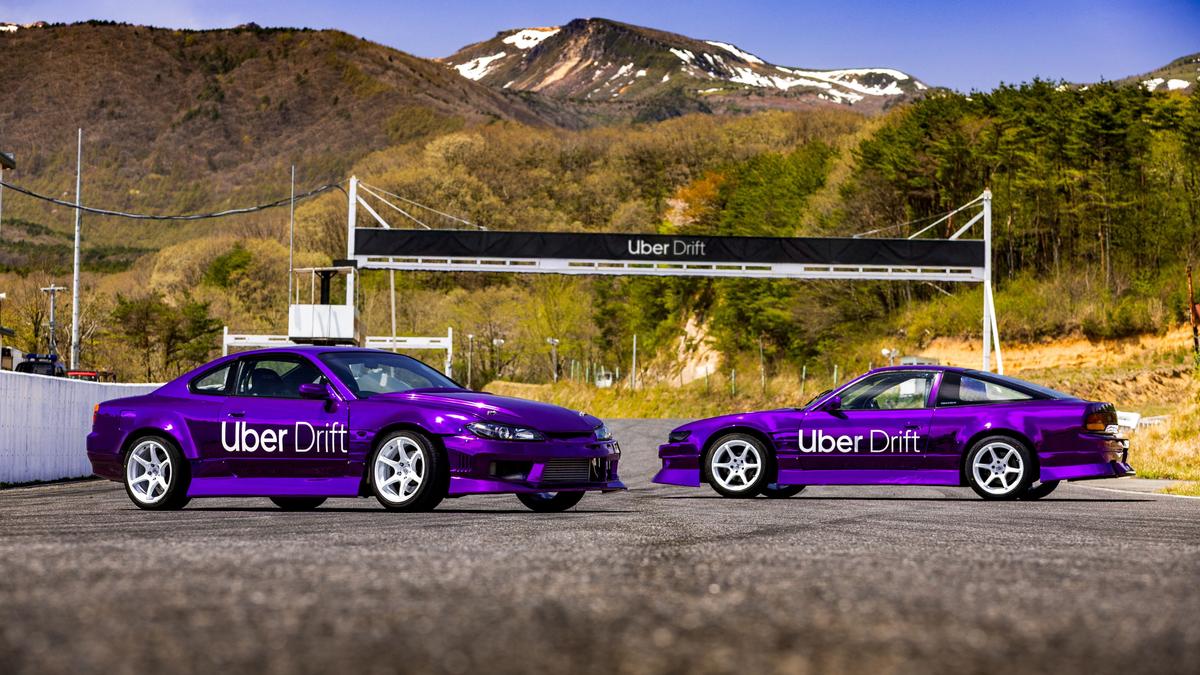
- The Machinery: Professional-grade Nissan Silvia S15s and 180SXs—icons of the drifting world.
- The Talent: Tandem sessions with Formula Drift licensed professional drivers.
The Judging Criteria
In professional competition, such as the D1 Grand Prix (D1GP) or Formula Drift, drivers are not timed. Instead, they are judged on four primary pillars:
- Line: Following a predetermined path marked by "clipping points."
- Angle: The degree to which the car is sideways relative to the direction of travel.
- Speed: The velocity maintained throughout the slide.
- Style/Impact: The fluidity of transitions and, in tandem rounds, the proximity to the lead car.
II. Chronology: From the Touge to the Global Stage
The history of drifting is a narrative of rebellion evolving into a disciplined art form. It is a story that mirrors Japan’s broader relationship with automotive engineering and social expression.
The 1970s: The Takahashi Era
The roots of drifting are often traced back to Kunimitsu Takahashi, a legendary motorcyclist and car racer. In the All Japan Touring Car Championship, Takahashi employed an aggressive driving style, hitting the apex of a corner with high speed and then sliding through it. This technique allowed him to maintain a higher exit speed while preserving his tires’ heat. While his primary goal was winning races, the visual spectacle captured the imagination of a generation.
The 1980s: The Touge Movement
As Japan’s "Bubble Economy" began to surge, a subculture of street racers known as Hashiriya emerged. They took to the touge—the narrow, winding mountain passes of regions like Gunma and Nagano. These drivers discovered that "drifting" was not just a racing technique but a way to navigate tight hairpins while showcasing immense bravery. It was during this era that the Nissan Silvia, Toyota AE86, and Mazda RX-7 became the preferred tools of the trade.
The 1990s: The Rise of the "Drift King"
Keiichi Tsuchiya, known globally as the "Drift King," was instrumental in legitimizing the sport. Tsuchiya, who honed his skills on the mountain roads before becoming a professional racing driver, starred in the "Pluspy" video series, which showcased his drifting prowess. These underground videos became the blueprint for the sport. In 2001, Tsuchiya helped launch the D1 Grand Prix, the world’s first professional drifting championship, turning an illegal pastime into a sanctioned sport.
The 2020s: Corporate Integration
Today, drifting is a multi-million dollar industry. The partnership between Uber and the Japanese drifting scene signifies the final stage of this evolution: the transition from underground "organized violence" to a curated, high-end cultural export.
III. Supporting Data: The Engineering of Controlled Oversteer
To the casual observer, a drift car might look like a standard production vehicle with a loud exhaust. However, the engineering required to sustain a 60-degree slide at 100 km/h is immense.
Suspension and Steering Geometry
Standard cars are designed to "self-center"—if you let go of the wheel, the tires want to point straight. Drift cars utilize specialized "angle kits." While a standard road car may have a steering lock of 30 to 40 degrees, a professional drift car can achieve 65 to 75 degrees of steering angle. This allows the driver to maintain a slide even when the car is nearly perpendicular to the track.
Power and Torque Delivery
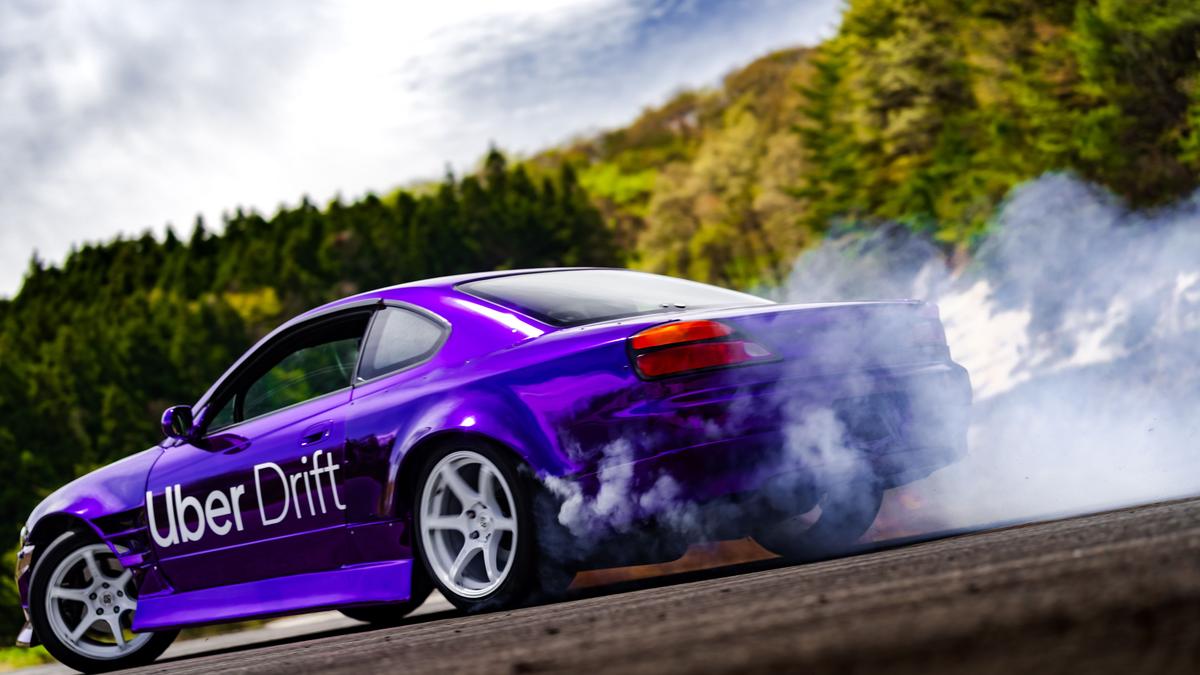
The engines in these vehicles—frequently the Nissan SR20DET or the Toyota 2JZ—are tuned for immediate torque. In the "Uber Drift" S15 Silvia, the engine is forced to stay at the top of its power band, often bouncing off the rev limiter. This constant high-RPM state ensures that the rear tires continue to spin, preventing them from regaining grip and "snapping" the car back into a straight line.
Tire Physics
Drifting is a literal "burn" of resources. In a single 20-minute session, a professional driver can incinerate a brand-new pair of high-performance rear tires. The smoke produced is not just for show; it is the physical manifestation of the friction being converted into heat as the rubber reaches its melting point.
IV. Official Responses: The Philosophy of the Driver
Interviews with professional drivers at Mobara highlight a recurring theme: the mental discipline required to operate in a state of perpetual instability.
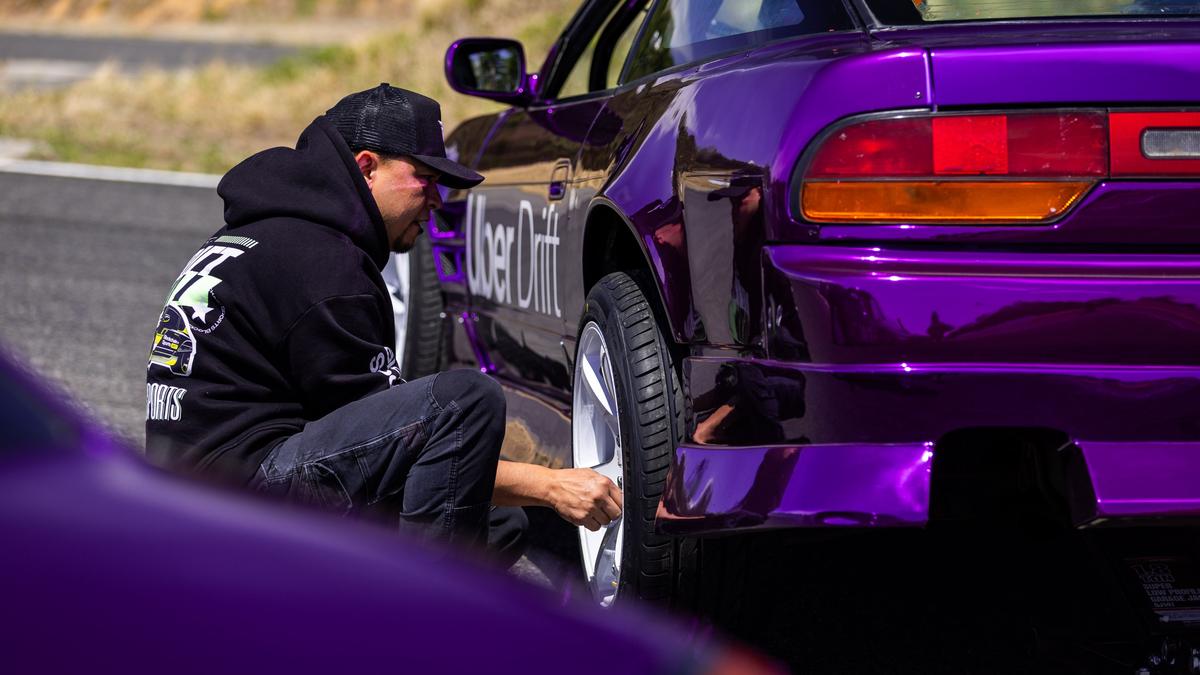
Fausto, Professional Drift Driver:
"People think we are out of control. It’s the opposite. If I am out of control for even a millisecond, the car spins or hits the wall. You are balancing the car on a knife’s edge using your feet more than your hands. The throttle is what steers the car; the steering wheel is just there to catch it."
Uber Japan Spokesperson (Regarding the ‘Go Anywhere’ Campaign):
"Our goal was to provide access to the ‘authentic’ Japan. Drifting is a core part of the country’s modern heritage. By partnering with professional circuits and licensed drivers, we can offer the adrenaline of the underground with the safety and professionalism expected of a global brand."
The consensus among the community is that while the sport has become more commercialized, the "soul" of drifting—the commitment to the slide—remains unchanged. The cars are still "raw," often featuring zip-tied bumpers and battle scars that serve as badges of honor in a sport where contact is a constant risk.
V. Implications: The Future of Automotive Subcultures
The emergence of experiences like Uber Drift and the continued popularity of drifting have several long-term implications for Japanese culture and the global automotive industry.
1. Tourism and the "Experience Economy"
Japan has seen a massive influx of "automotive tourists"—travelers who visit specifically to see the Daikoku Parking Area in Yokohama or to witness drifting at Ebisu Circuit. This represents a pivot from traditional temple-and-shrine tourism toward a "technological-cultural" tourism.
2. The Preservation of Internal Combustion
As the world moves toward electrification, drifting remains one of the last bastions of internal combustion celebrated for its noise, smell, and mechanical tactility. There is a growing movement to preserve these 1990s Japanese icons (Silvias, Chasers, Skylines) as historical artifacts rather than just old cars.
3. Safety and Legalization
By moving drifting into controlled environments like Mobara Twin Circuit, the sport has successfully mitigated the dangers of illegal street racing. The "organized violence" is now performed in a theater with fire crews, paramedics, and safety barriers, ensuring the longevity of the culture without the legal repercussions that defined its early years.
Conclusion: The Logic of the Sideways Path
There is a moment—somewhere between the first transition and the second lungful of tire smoke—when drifting stops feeling like automotive theatre and starts making complete sense. It is a masterclass in physics disguised as madness.
In the passenger seat of Fausto’s S15, as another car hovers inches from the door, the chaos disappears. You realize that the driver is not fighting the car; he is dancing with it. In a world that is increasingly automated and safety-obsessed, drifting stands as a reminder of what is possible when human skill is pushed to the very edge of mechanical limits. Japan didn’t just invent drifting; it perfected the art of losing control beautifully. For the enthusiasts and the curious alike, the "Uber Drift" is more than a ride—it is an induction into a philosophy where the shortest distance between two points is never a straight line.
