

Introduction: A Viral Claim Sparks Health Debate
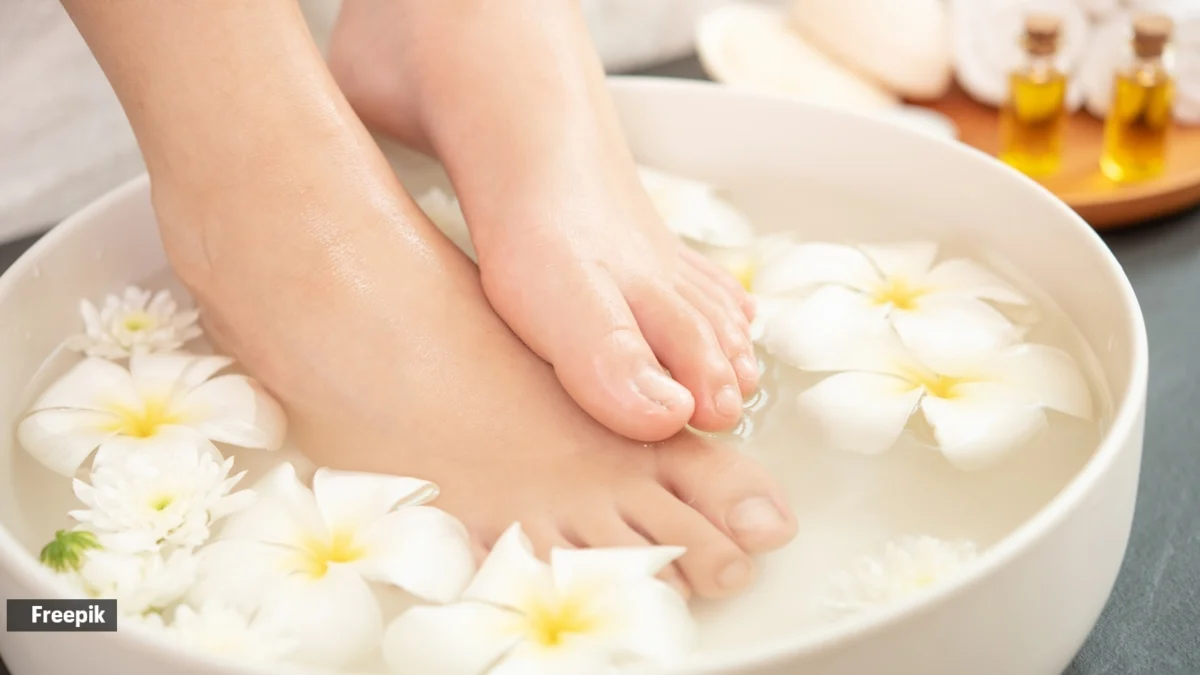
A recent social media trend, amplified by claims from Shweta Shah, former nutritionist to Bollywood star Deepika Padukone, has ignited a discussion around a seemingly simple Japanese ritual for stroke prevention: soaking feet in hot water. Shah asserted that this practice, particularly beneficial for individuals over 50, possesses "really big science" behind it, claiming it expands blood vessels, improves circulation, and calms the body, thereby reducing stress. The inclusion of Epsom salt, she further suggested, could enhance sleep quality. However, these bold assertions have been met with skepticism from the medical community, prompting a deeper examination of the scientific validity and potential implications of such widespread health advice.
The Allure of Simplicity: Shah’s Stroke Prevention Prescription
The core of Shweta Shah’s proposition lies in its profound simplicity. In an Instagram post, she outlined a straightforward regimen: soaking one’s feet in hot water for 15 to 20 minutes. This, she believes, is a powerful, yet easily accessible, method for averting strokes, especially among the aging population. Her explanation points to physiological benefits such as the expansion of blood vessels, leading to improved blood circulation and a calming effect on the body. The reduction of stress, a known contributor to various health issues, was also highlighted. Furthermore, Shah suggested that adding Epsom salt to the foot soak could amplify its benefits by promoting better sleep. Her confident assertion, "I am sure it works," has undoubtedly resonated with a broad audience seeking straightforward solutions to serious health concerns.
The appeal of such a simple, non-invasive, and potentially enjoyable practice is undeniable. In a world often inundated with complex medical jargon and demanding lifestyle changes, a 15-20 minute foot soak offers an accessible entry point into proactive health management. For individuals over 50, a demographic increasingly concerned about age-related health risks like strokes, this "Japanese secret" presented a beacon of hope for a preventative measure that requires minimal effort and disruption to their daily routines. The endorsement by a nutritionist associated with a prominent celebrity like Deepika Padukone further lends an air of credibility and widespread appeal to the claim, contributing to its rapid dissemination across social media platforms.
Expert Rebuttal: The Scientific Grounding of Stroke Prevention
While the notion of a simple foot soak providing a panacea for stroke prevention is alluring, medical professionals are quick to temper such enthusiasm with scientific reality. Dr. Pankaj Agarwal, Director of Neurology, Stroke, and Neurocritical Care at Gleneagles Hospital, Parel, Mumbai, unequivocally states that while warm water foot soaks may offer temporary relaxation and comfort, "there is no scientific evidence to support the claim that it can prevent strokes." This direct refutation underscores the critical need for evidence-based approaches to health.
Dr. Agarwal elaborates on the complex nature of strokes, defining them as "serious medical emergencies caused by interrupted blood flow to the brain." He meticulously outlines the primary risk factors, which include well-established medical conditions and lifestyle choices: "high blood pressure, diabetes, cholesterol, smoking, and lifestyle factors." The proven methods for mitigating stroke risk, according to Dr. Agarwal, are rooted in proactive medical management and healthy living. These include "regular medical check-ups, a healthy diet, physical activity, and prescribed medication." He emphatically states that these are the "proven way to lower stroke risk, not home remedies."
His assessment of the purported benefits of warm foot soaks is nuanced but firm. He acknowledges that they "may help improve circulation slightly and reduce stress for some people," but crucially, he points out that "these effects are temporary and localised." He emphasizes that "They do not influence the deeper arteries or the brain’s blood supply, where stroke prevention truly matters." Similarly, the use of Epsom salt, while potentially beneficial for "mild muscle relaxation or sleep," is deemed to have "no role in stroke prevention." Dr. Agarwal’s concluding remark serves as a crucial warning: "It’s important to be cautious with such online health claims. People, especially those above 50, should consult doctors for personalised advice and avoid substituting medical care with unverified practices."
Historical and Traditional Perspectives: Warm Water Therapy Beyond Stroke Prevention
The practice of soaking feet in warm water is not entirely without precedent, drawing roots from traditional medicine systems. Dr. Amit Saraf, Director of Internal Medicine at Wockhardt Hospitals, Mumbai Central, sheds light on this aspect. He explains that "Warm-water therapy has roots in traditional Japanese and Chinese medicine, where it’s thought to balance energy and improve blood flow." This historical context acknowledges a perceived benefit within these ancient practices, albeit not directly linked to stroke prevention in the way the viral claim suggests.
Dr. Saraf further elaborates on the potential indirect benefits of such rituals. He notes that "The ritual also encourages relaxation, which may lower stress hormones and slightly reduce blood pressure." These two factors, stress and blood pressure, are indeed acknowledged as indirect contributors to stroke risk. However, Dr. Saraf reiterates the crucial distinction: "These two factors are indirectly linked to stroke prevention. So, while it might make you feel better, it doesn’t replace medical or lifestyle changes that truly protect your heart and brain." This perspective highlights that while the practice might offer a sense of well-being and indirectly influence some contributing factors, it does not constitute a primary or scientifically validated stroke prevention strategy.
The Established Pillars of Stroke Prevention: The SMART Acronym
In stark contrast to the unverified claims surrounding foot soaks, the medical community champions a robust and evidence-based approach to stroke prevention. This approach is often encapsulated by the widely recognized "SMART" acronym, a mnemonic designed to simplify and reinforce key preventative actions.
-
S – Stop Smoking: This is unequivocally presented as non-negotiable. Smoking is a potent risk factor for cardiovascular diseases, including stroke, by damaging blood vessels and increasing blood pressure. Quitting smoking is one of the most impactful steps an individual can take to reduce their stroke risk.
-
M – Consume Meals that are Healthy: This emphasizes the importance of diet in stroke prevention. It involves actively avoiding "junk/fried food" and prioritizing a balanced intake of fruits, vegetables, whole grains, and lean proteins. A healthy diet helps manage weight, blood pressure, cholesterol, and blood sugar levels, all critical factors in stroke risk.
-
A – Lead an Active Lifestyle: This calls for regular physical activity and discourages a "sedentary life." Activities like walking, running, swimming, or cycling improve cardiovascular health, help maintain a healthy weight, and contribute to better blood pressure and cholesterol levels. Regular exercise is a cornerstone of preventing many chronic diseases, including stroke.
-
R – Get Regular Checkups Done: This highlights the necessity of proactive medical monitoring. Regular checkups allow healthcare professionals to track key health indicators such as "weight, blood pressure, cholesterol, sugar, and heart health." Early detection and management of these risk factors are paramount in preventing their progression to more severe conditions that can lead to stroke.
-
T – Treatment Adherence: This crucial element emphasizes the importance of following medical advice. For individuals diagnosed with conditions that increase stroke risk, consistent adherence "to medicines given by your doctor for the above" is vital. This ensures that underlying medical issues are effectively managed, thereby reducing the likelihood of a stroke.
This SMART framework provides a comprehensive and scientifically validated roadmap for individuals seeking to protect themselves from stroke. It moves beyond anecdotal evidence and focuses on actionable, evidence-based strategies that have a demonstrable impact on health outcomes.
Considerations for Individuals with Pre-existing Medical Conditions
While the general advice regarding warm foot soaks is that they are not a primary stroke prevention method, Dr. Saraf also raises important considerations for individuals with pre-existing medical conditions who might still wish to engage in this practice for relaxation. He emphasizes the need for caution, particularly for those with diabetes or peripheral neuropathy. In these conditions, reduced sensation in the feet can make it difficult to accurately gauge water temperature, and even "mildly hot water can cause burns." Therefore, careful temperature monitoring is essential.
Furthermore, individuals with "severe varicose veins or heart failure" are advised to "avoid prolonged hot soaks." This is because prolonged exposure to heat can potentially exacerbate these conditions. This cautionary note underscores the principle that even seemingly benign home remedies can have adverse effects for certain individuals and reinforces the importance of personalized medical advice.
The Broader Implications: Navigating Health Information in the Digital Age
The viral dissemination of Shweta Shah’s claims about foot soaks for stroke prevention serves as a potent reminder of the challenges and responsibilities associated with navigating health information in the digital age. The ease with which unverified claims can spread through social media platforms, often amplified by celebrity endorsements or personal anecdotes, poses a significant public health concern.
The allure of quick fixes and simple solutions can lead individuals to forgo evidence-based medical advice and established preventative measures. This can have serious consequences, particularly for vulnerable populations such as the elderly, who are at higher risk for conditions like stroke. The medical community’s role in providing clear, accurate, and evidence-based information becomes even more critical in this environment.
The disclaimer included in the article, "This article is based on information from the public domain and/or the experts we spoke to. Always consult your health practitioner before starting any routine," is a vital safeguard. It underscores the fundamental principle that individual health decisions should always be made in consultation with qualified healthcare professionals. Relying solely on information gleaned from social media or anecdotal evidence without professional validation can be detrimental to one’s well-being.
Conclusion: Prioritizing Evidence-Based Strategies for Stroke Prevention
In conclusion, while the Japanese ritual of soaking feet in hot water may offer temporary comfort and relaxation, and even indirectly influence stress levels, it is crucial to understand that it does not constitute a scientifically proven method for preventing strokes. The medical community strongly emphasizes that stroke prevention is a multifaceted endeavor requiring a commitment to established medical guidelines and healthy lifestyle choices.
The SMART acronym serves as a powerful and actionable framework for individuals seeking to mitigate their stroke risk. By focusing on stopping smoking, consuming healthy meals, leading an active lifestyle, getting regular medical checkups, and adhering to prescribed treatments, individuals can significantly reduce their vulnerability to this debilitating condition. The viral spread of unverified health claims highlights the imperative need for critical evaluation of online information and the unwavering importance of consulting healthcare professionals for personalized advice and treatment plans. True stroke prevention lies not in simple rituals, but in sustained, evidence-based practices that safeguard our cardiovascular health.
