


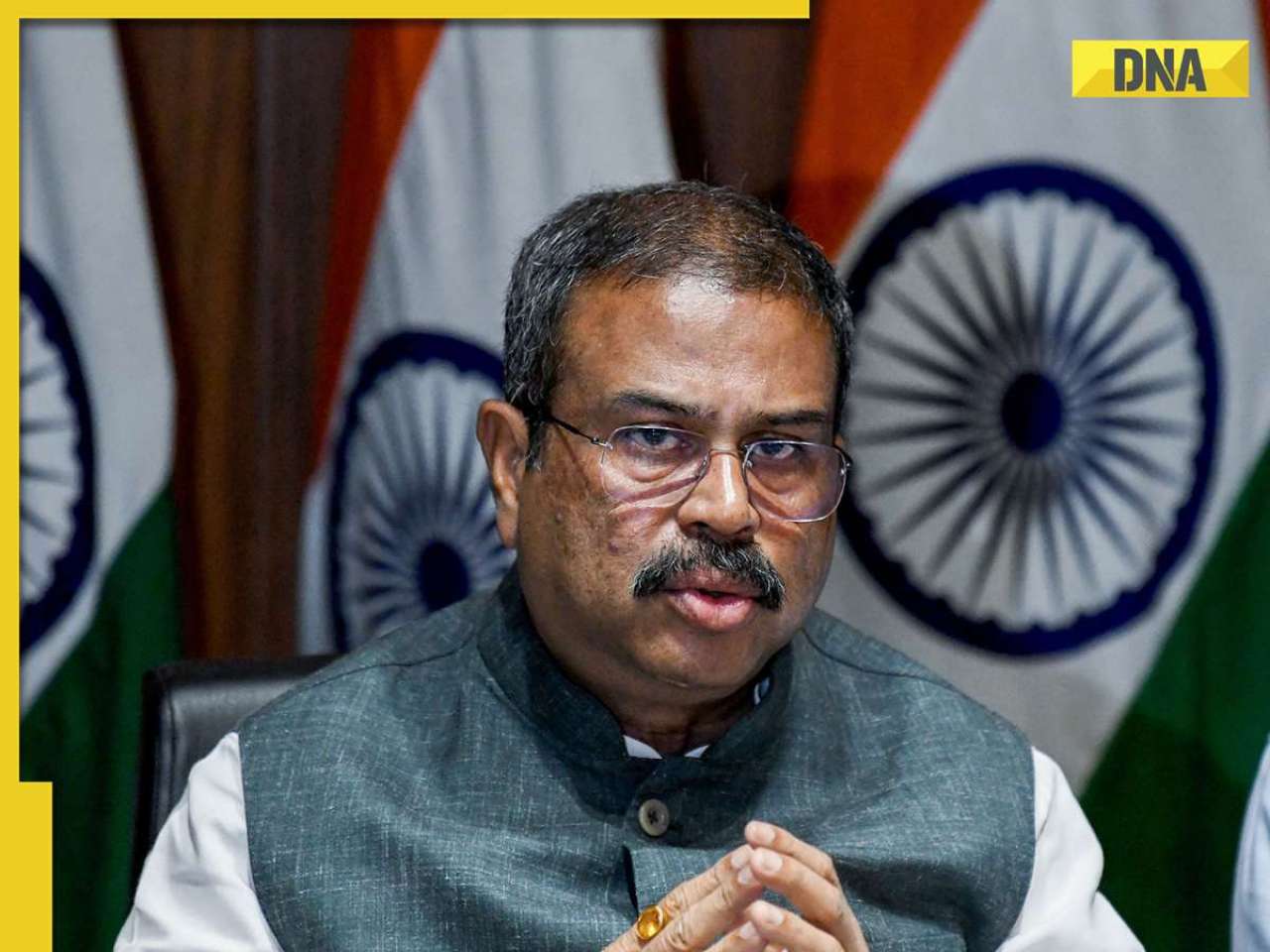
New Delhi: Union Education Minister Dharmendra Pradhan has publicly taken responsibility for the technical and payment-related issues plaguing the Central Board of Secondary Education’s (CBSE) recent On-Screen Marking (OSM) evaluation process. Speaking after a high-level meeting with CBSE officials at the board’s headquarters, Pradhan assured students and parents that all discrepancies would be addressed, and strict action would be taken against any individuals found to be intentionally responsible for the irregularities. The minister’s candid admission comes amidst growing student and public anger over the perceived flaws in the new digital system, which has led to widespread anxiety and distress.
The meeting, convened to dissect the technical malfunctions and payment gateway problems that have hampered the re-evaluation and verification processes, underscored the significant challenges faced by students seeking to rectify perceived errors in their Class 12 examination results. With the re-evaluation process now underway, the urgency to resolve these issues has intensified, impacting the academic futures of lakhs of students.
The Scale of the Challenge: Millions of Answer Sheets Under Scrutiny
Union Education Minister Dharmendra Pradhan, in his post-meeting address, highlighted the sheer magnitude of the task undertaken by the CBSE. "Today, we’ve gathered as the CBSE 12th class re-evaluation is about to begin soon," he stated. "Seventeen lakh students appeared for the examination, and we have ninety-eight lakh answer sheets. Each answer sheet has forty pages. So, nearly forty crore pages have been scanned." This staggering volume of digital data underscores the complexity of implementing a new, large-scale digital evaluation system.
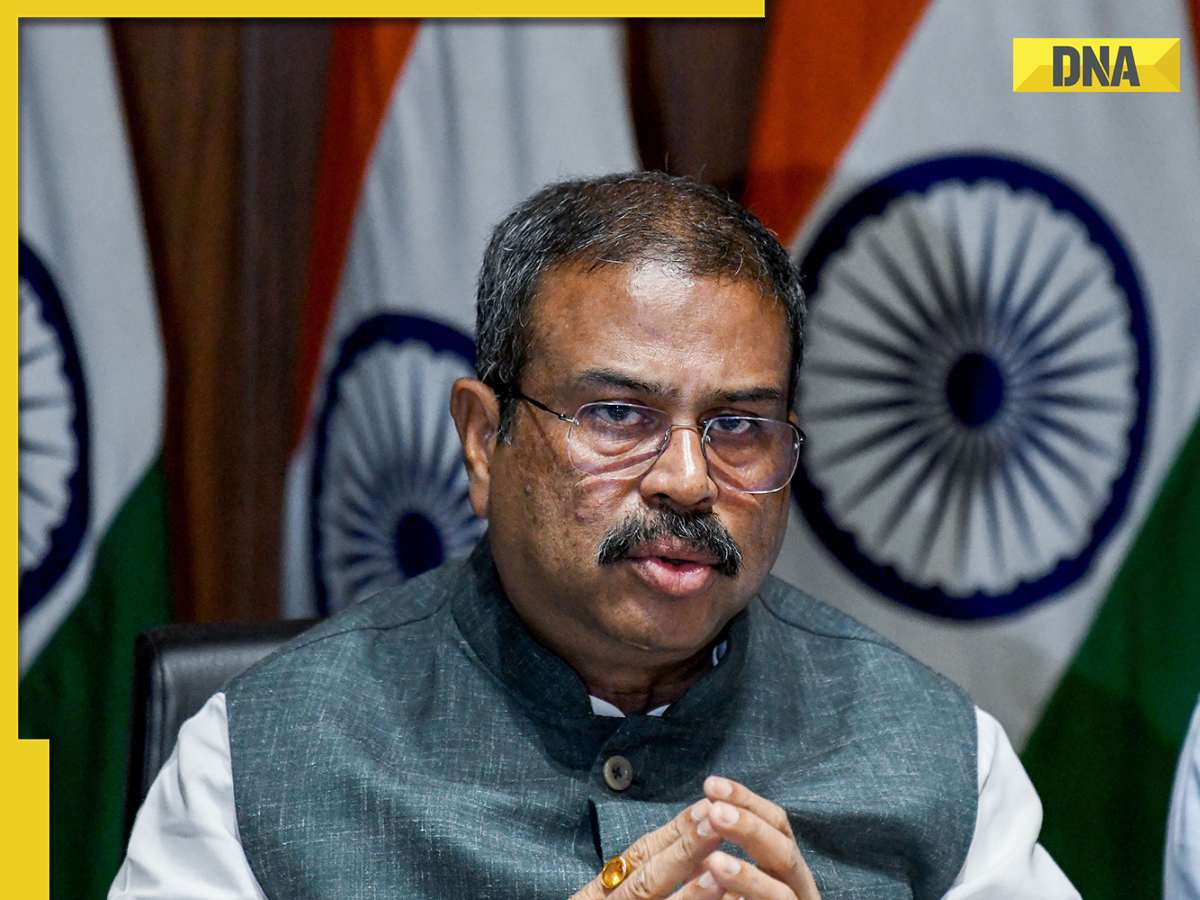
Pradhan emphasized that this was the inaugural year for CBSE’s adoption of the OSM evaluation process. He described the system as a "student-centric" and globally accepted methodology designed to enhance transparency and efficiency in academic assessments. However, he candidly acknowledged that this maiden voyage had encountered turbulence. "This was the first time CBSE used it, and some discrepancies have come to light," he admitted. "I take responsibility for this and assure you that a solution will be found. We are working on it. We will not leave any student’s query unaddressed."
)
The Minister’s commitment to addressing every student’s concern stems from a wave of complaints that have flooded the board and the ministry. Students have voiced their grievances regarding unclear scanned answer sheets, allegations of unanswered questions not being evaluated, persistent portal failures, frustrating payment glitches, and a general lack of clarity surrounding the re-evaluation procedures. These issues have not only caused academic anxiety but have also raised questions about the integrity and reliability of the newly implemented digital evaluation system.
A Chronology of Discontent: From Post-Result Concerns to Ministerial Intervention
The current crisis did not emerge overnight. The issues began to surface in the aftermath of the Class 12 results, as students, dissatisfied with their marks, sought re-evaluation or verification of their answer scripts. The traditional process, while sometimes cumbersome, was familiar. The transition to OSM, however, introduced a new set of problems, amplifying student concerns.

Early Post-Result Phase: Students began reporting initial technical difficulties when trying to access their scanned answer sheets or initiate the re-evaluation process. These included website crashes and issues with the payment gateway for re-evaluation fees.
Escalation of Complaints: As more students attempted to engage with the system, the complaints grew more specific and alarming. Allegations of scanned copies being illegible, containing watermarks that obscured answers, or even appearing to be misdirected to the wrong student gained traction on social media and through direct communication channels with the CBSE.
)
Unanswered Questions and Payment Glitches: A significant point of contention became the alleged non-evaluation of certain questions within answer scripts, despite students having attempted them. Compounding this frustration were repeated failures in the payment system, where students were charged multiple times or payments failed to register, leaving them in a state of uncertainty about their application status.
Student Protests and Media Attention: The growing volume of unresolved issues and the perceived lack of a prompt and effective response from the CBSE led to widespread student dissatisfaction, culminating in protests and extensive media coverage. This heightened public scrutiny and put significant pressure on the Ministry of Education.
)
Ministerial Intervention and High-Level Meeting: The gravity of the situation prompted Union Education Minister Dharmendra Pradhan to convene an urgent meeting with senior CBSE officials. This meeting, held at the CBSE headquarters, marked a turning point, signifying the government’s direct engagement with the crisis and its commitment to finding a resolution.
Supporting Data and Technical Backing: Addressing the Root Causes
The scale of the CBSE’s digital transformation is immense. The processing of nearly 98 lakh answer sheets, each potentially containing 40 pages, translates into an astronomical volume of scanned documents. This undertaking, while aimed at modernization, has evidently stretched the existing technical infrastructure and processes.
)
To address the technical inadequacies, Minister Pradhan revealed that the CBSE has sought external expertise. "Experts from IIT Kanpur and IIT Madras have been roped in to assist the CBSE’s technical team in reviewing the software and resolving issues," he announced. This collaboration with premier technical institutions signals a serious attempt to diagnose and rectify the underlying software and system architecture problems.
The OSM system, by its nature, involves sophisticated optical character recognition (OCR) and image processing technologies. Glitches in these systems can lead to:
)
- Poor Image Quality: Inadequate scanning resolution, improper lighting, or faulty camera calibration can result in illegible or distorted scanned images.
- Data Misalignment: Issues with the system’s ability to accurately identify and segment individual questions and their corresponding answers can lead to evaluation errors.
- Software Bugs: Underlying programming errors in the OSM platform can cause unexpected behavior, including data corruption, processing failures, and incorrect marking.
- Server and Bandwidth Limitations: Handling such a massive volume of data requires robust server infrastructure and sufficient bandwidth. Any shortcomings in these areas can lead to system slowdowns and crashes, particularly during peak demand periods like re-evaluation applications.
- Payment Gateway Integration Issues: The seamless integration of the OSM platform with multiple payment gateways is crucial. Failures in this integration can result in double billing, failed transactions, and a lack of real-time confirmation, creating significant distress for students.
The involvement of IIT experts is intended to provide an independent and rigorous assessment of the OSM system, identifying specific vulnerabilities and recommending robust solutions. This collaborative approach aims to ensure that the corrected system is not only functional but also resilient and capable of handling future evaluation cycles with greater efficiency and accuracy.
Official Responses: Accountability and Assurance
Union Education Minister Dharmendra Pradhan’s response has been characterized by a dual approach: taking ownership of the problem while firmly backing the long-term vision of digital transformation.
)
Taking Responsibility: "I take responsibility for this and assure you that a solution will be found," Pradhan stated unequivocally. This admission is significant, as it preempts further criticism and demonstrates the government’s willingness to acknowledge shortcomings. By accepting responsibility, the Minister has set a precedent for accountability within the education system.
Backing the Digital System: Despite the current challenges, Pradhan reiterated his support for the OSM system. "The education minister added that experts from IIT Kanpur and IIT Madras had been roped in to assist the CBSE’s technical team in reviewing the software and resolving issues." He highlighted its "student-centric" nature and its alignment with global best practices for enhancing transparency. The government’s stance is that the OSM system, once perfected, will offer significant advantages over traditional manual evaluation, including faster results, reduced human error, and greater accessibility to scanned answer sheets.
)
Addressing Political Accusations: The post-result evaluation issues have unfortunately become a political football, with Opposition leaders, including Rahul Gandhi, raising questions about the handling of the situation and demanding accountability. Minister Pradhan addressed these remarks directly, dismissing them as politically motivated.
"CBSE has already responded to this responsibly. The procurement was done following the Government of India’s policies. I repeat, if any irregularities are found, no one will be spared. However, as for Rahul Gandhi, he seems to be in a different mental state due to repeated election losses," Pradhan remarked, adding, "He has opposed Rafale, EVMs, and Digital India. He seems to be against India’s scientific progress."
)
Pradhan urged for a collective focus on resolving the students’ issues rather than engaging in political rhetoric. "As I’ve taken responsibility on behalf of the government for these discrepancies, I would request everyone to refrain from playing politics at this time. Our collective goal should be to ensure that the mental stress of the students doesn’t increase." This call for non-partisanship underscores the sensitive nature of the students’ academic careers and the need for a unified approach to address their concerns.
Implications and the Path Forward: Restoring Trust and Ensuring Student Welfare
The repercussions of the CBSE OSM system’s initial rollout are multifaceted and extend beyond the immediate logistical challenges.
)
Erosion of Student Trust: The most significant implication is the erosion of trust between students and the examination board. Years of consistent evaluation processes have been disrupted, leading to anxiety and doubt about the fairness and accuracy of their academic assessments. Rebuilding this trust will require not only technical fixes but also a sustained commitment to transparency and student-centric communication.
Academic and Mental Stress: The uncertainty surrounding re-evaluation outcomes, coupled with the technical hurdles, has imposed considerable mental stress on students who are already navigating the high-pressure academic environment. For those whose future educational prospects depend on the outcome of re-evaluation, this stress can be particularly debilitating.
)
Reputational Impact on CBSE: The incidents have cast a shadow on the CBSE’s reputation as a leading examination board. While the intention behind adopting a digital system was to modernize and improve, the flawed implementation has raised questions about the board’s preparedness and capacity to manage such large-scale technological transitions.
Future of Digital Evaluation: The current crisis presents a critical juncture for the future of digital evaluation in India’s education system. If handled effectively, it can serve as a learning experience, paving the way for more robust and student-friendly digital assessment platforms. Conversely, a failure to address these issues adequately could lead to a reluctance to embrace necessary technological advancements.
)
The path forward necessitates a multi-pronged strategy:
- Swift Resolution of Pending Cases: All pending re-evaluation and verification requests must be processed with utmost urgency and accuracy.
- Transparent Communication: The CBSE must maintain open and clear communication channels with students, providing regular updates on the resolution process and addressing concerns promptly.
- Enhanced Technical Infrastructure: Significant investment in and upgrading of the OSM system’s technical infrastructure, including servers, bandwidth, and software, is imperative.
- Robust Quality Control: Stringent quality control measures must be implemented at every stage of the digital evaluation process, from scanning to data processing and final marking.
- Student Grievance Redressal Mechanism: A more effective and accessible grievance redressal mechanism needs to be established to handle student complaints efficiently.
- Continuous Training and Capacity Building: CBSE officials and evaluators require continuous training on the OSM system to ensure proficiency and minimize human error.
Minister Pradhan’s commitment to taking responsibility and his assurance of swift action are crucial first steps. However, the true measure of success will lie in the CBSE’s ability to not only rectify the current issues but also to implement a system that instills confidence and provides a reliable and fair assessment experience for all students in the years to come. The nation’s educational future hinges on its ability to embrace technological innovation while safeguarding the fundamental principles of fairness, accuracy, and student well-being.
