

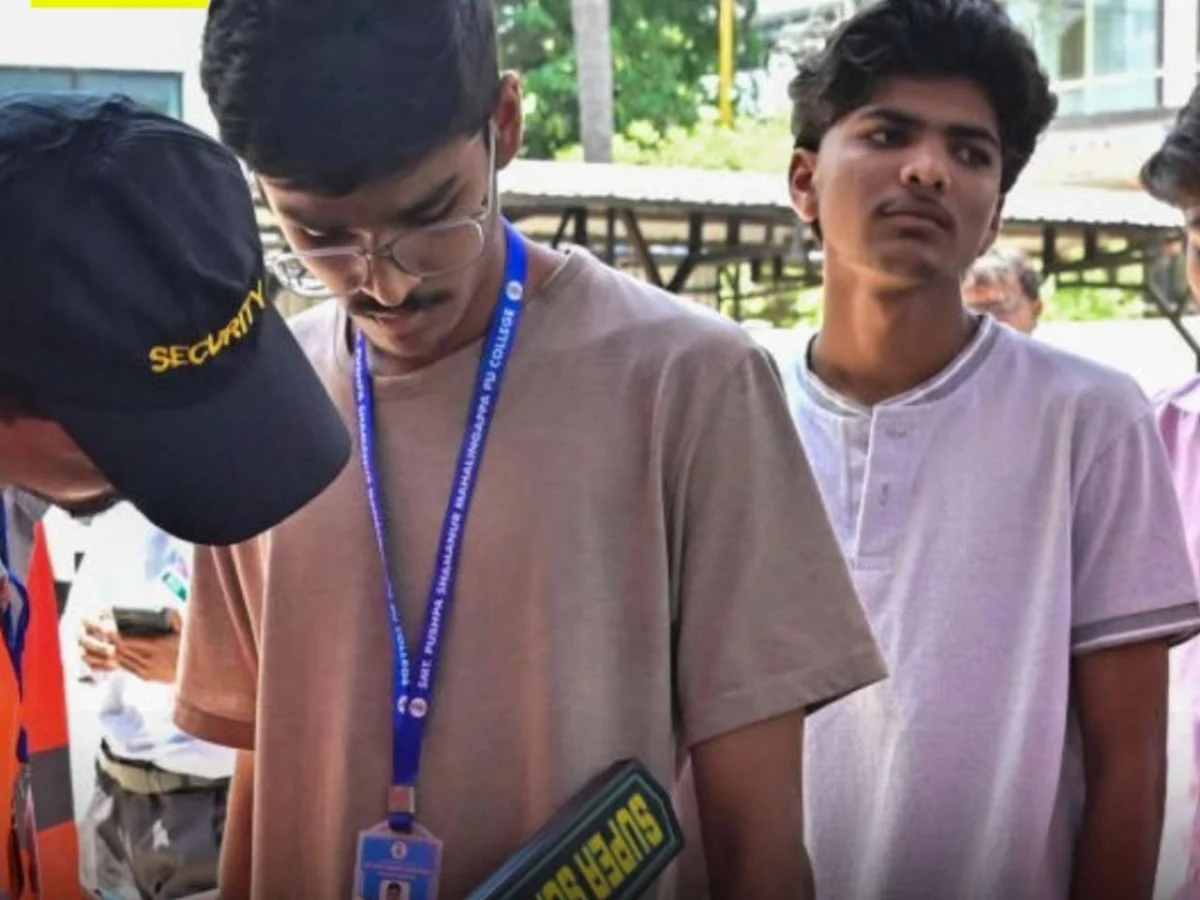
New Delhi: In a significant move to bolster the integrity and efficiency of India’s premier medical entrance examination, the National Eligibility cum Entrance Test – Undergraduate (NEET-UG), authorities are poised to implement a series of transformative changes. From next year, the NEET-UG is expected to transition to a computer-based examination (CBE) format, a departure from its long-standing pen-and-paper model. Concurrently, the National Testing Agency (NTA), the body responsible for conducting NEET-UG and numerous other competitive examinations, is slated for a comprehensive organizational and operational overhaul in response to repeated paper leak controversies that have plagued the system.
These far-reaching reforms, detailed in reports by The Indian Express, are a direct consequence of the recurrent challenges faced in safeguarding the sanctity of these crucial examinations. The proposed changes aim to not only enhance the security and fairness of the NEET-UG but also to rebuild public trust in the examination process.
The Dawn of a New Era: Computer-Based Testing and Multi-Day Conduct
The most immediate and visible change for aspiring medical professionals will be the shift to a computer-based testing format for NEET-UG. This move, long advocated for by examination experts and adopted by many international testing bodies, is expected to significantly reduce the opportunities for malpractices and streamline the entire examination process. Unlike the traditional OMR-based sheets, CBEs allow for real-time invigilation and immediate data capture, making manipulation considerably more difficult.
Furthermore, the examination is likely to be conducted over a span of five to six days, a departure from the single-day affair it has been. This staggered approach is designed to manage the logistical complexities associated with a computer-based format and to accommodate the massive number of candidates appearing for the exam. Each day, an estimated five lakh candidates are expected to appear, requiring a robust infrastructure capable of handling such a large volume of test-takers.
)
The examination is envisioned to be held across approximately 1,000 centres, strategically located in nearly 500 cities nationwide. This expanded network of centres aims to ensure accessibility for students across diverse geographical locations. A crucial aspect of this expansion will be the increased utilization of government educational institutions as primary test venues. Kendriya Vidyalayas and Navodaya Vidyalayas are expected to form the backbone of the examination centre network, supplemented by select well-reputed private institutions. Each centre is projected to accommodate around 500 candidates daily, ensuring manageable supervision and a conducive testing environment.
A detailed notification, outlining specific shift timings, the comprehensive list of exam cities, and other essential instructions, is anticipated to be released post the completion of the NTA’s revamp. This phased rollout signifies a methodical approach to introducing these significant changes.
)
A Comprehensive Overhaul of the National Testing Agency (NTA)
The planned revamp of the NTA is arguably the most critical component of the government’s strategy to restore confidence in its examination machinery. The agency, established with the mandate to conduct higher education entrance examinations with professionalism and efficiency, has faced mounting criticism due to persistent paper leak incidents. Sources indicate that the Ministry of Education is planning a complete restructuring of the NTA, encompassing its organizational framework, technological capabilities, infrastructure, and operational procedures.
"We are going to change the entire organisation of the NTA, from top to bottom," a source privy to the discussions told The Indian Express, highlighting the depth of the intended reforms. This exercise is reportedly being expedited, with a target completion date before October. Currently, the NTA has around 150 sanctioned posts, suggesting a need for both structural expansion and a potential re-evaluation of staffing and skill sets within the agency.

The overhaul is expected to address several key areas:
- Organizational Structure: This may involve a review of the NTA’s hierarchy, reporting mechanisms, and departmental responsibilities to enhance accountability and streamline decision-making processes.
- Technology and Infrastructure: Investing in advanced technological solutions for question paper setting, storage, distribution, and examination conduct will be paramount. This includes robust cybersecurity measures and secure digital platforms.
- Working Processes: A critical review of existing protocols for question paper design, printing, transportation, examination invigilation, and result processing is likely to be undertaken to identify and plug vulnerabilities.
- Human Resources: This could involve recruitment of specialized personnel, enhanced training programs for existing staff, and a stricter vetting process for individuals involved in sensitive aspects of examination conduct.
Chronology of Events Leading to the Reforms
The impetus for these drastic measures can be traced back to a series of high-profile paper leak incidents, most notably the one that occurred during the NEET-UG examination held on May 3rd of this year. This incident led to widespread student protests, significant public outcry, and ultimately, the cancellation and re-conduct of the exam.
)
- May 3, 2026: The NEET-UG examination is conducted, with approximately 22 lakh students appearing.
- Post-May 3, 2026: Reports of a paper leak emerge, triggering widespread concern and allegations of irregularities.
- June 2026: Following investigations and protests, the NEET-UG exam is cancelled and rescheduled.
- June 21, 2026: The re-conducted NEET-UG examination takes place.
- July 2026: The Ministry of Education announces plans for a major revamp of the NTA and the potential transition of NEET-UG to a computer-based format.
This year’s controversy is not an isolated incident. The proposed changes are also informed by the recommendations of a seven-member committee, headed by former ISRO Chairman K. Radhakrishnan. This committee was constituted by the Centre in 2024 following another NEET paper leak, underscoring a persistent pattern of vulnerabilities in the examination system. The committee’s findings and recommendations are expected to be instrumental in shaping the NTA’s restructuring and the implementation of new examination protocols.
Supporting Data and the Scale of the Problem
The urgency for reform is underscored by the sheer scale of the NEET-UG examination and the broader context of examination integrity in India. With over 20 lakh students appearing for NEET-UG annually, ensuring a fair and secure platform for such a vast pool of aspirants is a monumental task.
)
A review of 45 major examination paper leak cases over the past two decades, involving exams with at least one lakh candidates, revealed a concerning trend: only two of these cases have resulted in convictions. This statistic highlights a significant gap in the enforcement and prosecution of those involved in exam malpractices, contributing to a perception of impunity. The proposed revamp of the NTA and the enhanced security features for NEET-UG are aimed at not only preventing leaks but also ensuring that those who attempt to compromise the system are brought to justice.
The government’s proactive stance on addressing these issues is also reflected in the recent briefing of senior officials from the Ministry of Education and the NTA before the Parliamentary Standing Committee on Education, Women, Children, Youth and Sports. This engagement signifies a commitment to transparency and accountability, with officials apprising the committee of the steps being taken to fortify the examination system.
)
Official Responses and the Path Forward
While specific details of the NTA’s restructuring are yet to be fully disclosed, the commitment from the Ministry of Education appears firm. The "from top to bottom" overhaul signals a deep-seated intention to address systemic weaknesses.
Regarding the ongoing paper leak investigations, sources have reiterated the government’s resolve: "As far as criminal action is concerned, investigations are going on and no one will be spared if he or she has committed the crime." This statement aims to assure the public that the culprits behind the recent leaks will be identified and face legal consequences.
)
The transition to a computer-based test for NEET-UG, along with the multi-day examination schedule, is a significant undertaking that will require substantial investment in technology, infrastructure, and human resources. The selection of government schools as primary centres is a pragmatic approach to leveraging existing infrastructure and ensuring cost-effectiveness.
Implications for Students and the Future of Entrance Examinations
The impending changes hold profound implications for future generations of medical aspirants. The shift to CBE is expected to reduce anxiety associated with potential paper leaks and provide a more standardized testing experience. The multi-day format, while potentially requiring some adjustment, could lead to a more relaxed examination environment for students, mitigating the pressure of a single high-stakes day.
)
For the NTA, this period represents a critical juncture. The success of the revamp will depend on its ability to implement robust technological solutions, foster a culture of accountability, and continuously adapt to evolving security threats. The agency’s ability to emerge as a more secure and efficient testing body will be crucial for the credibility of all national-level entrance examinations it conducts.
Ultimately, these reforms are not merely about NEET-UG; they represent a broader commitment to enhancing the integrity and fairness of the entire higher education entrance examination system in India. By embracing technological advancements and undertaking structural overhauls, the government aims to create a more equitable and trustworthy pathway for students aspiring to pursue their academic dreams. The journey ahead will undoubtedly be complex, but the intent to fortify the foundations of India’s examination framework is clear.
