

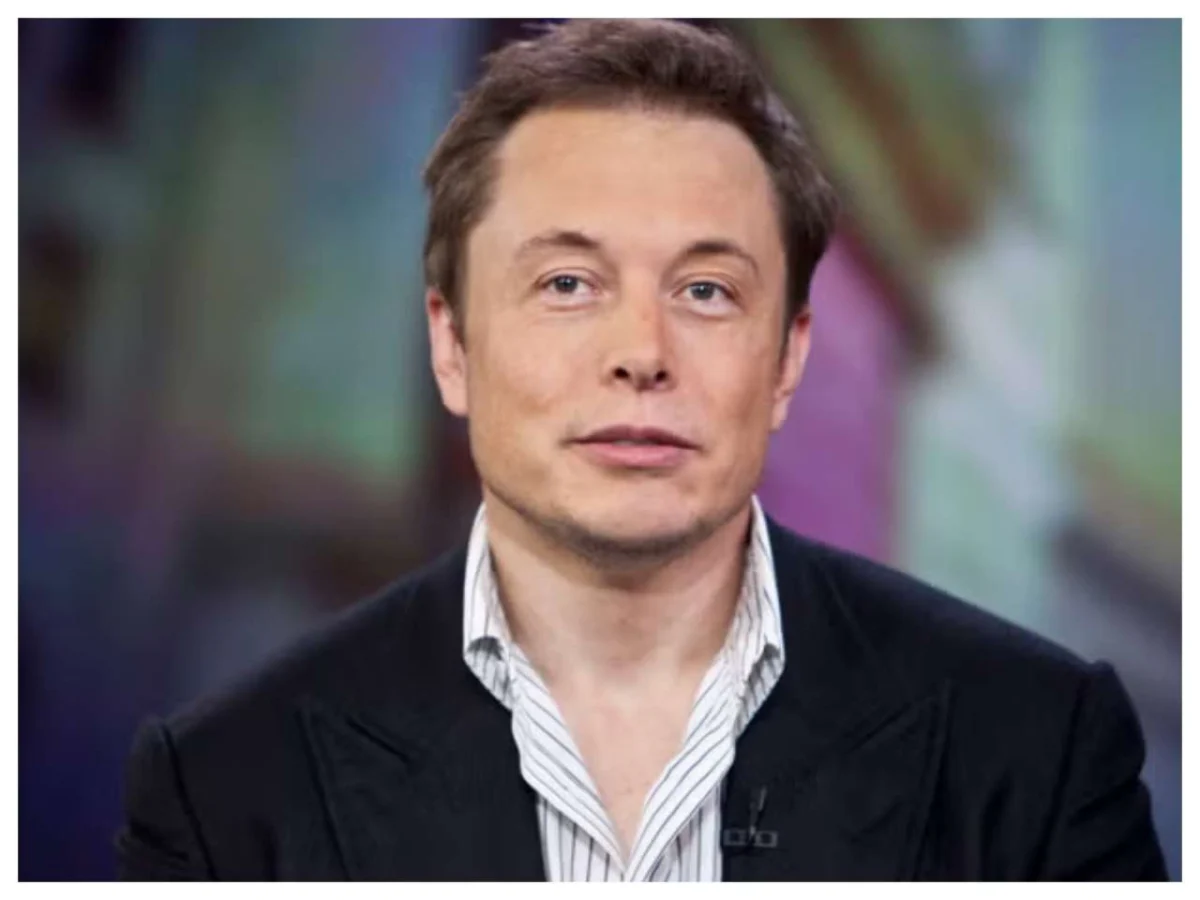
REDWOOD CITY, CA – In a swift and definitive rebuttal that has reverberated throughout the global technology sector, Elon Musk, CEO of SpaceX, has unequivocally denied widespread reports suggesting his aerospace company is actively developing an AI-powered smartphone. Dismissing the claims as "utterly false," Musk’s statement has brought a sudden halt to fervent speculation regarding SpaceX’s potential foray into consumer electronics, particularly in the burgeoning field of dedicated artificial intelligence hardware.
The reports, which gained significant traction across tech news outlets and social media platforms, had painted a detailed picture of a prototype device. This supposed SpaceX smartphone was rumored to integrate advanced AI technologies from Musk’s xAI venture, feature a remarkably compact design potentially thinner than Apple’s iPhone, run on Qualcomm Snapdragon chips, and utilize a custom operating system. Enthusiasts and investors alike had envisioned a device that could leverage SpaceX’s Starlink satellite internet capabilities, perhaps even being presented to investors ahead of a future SpaceX Initial Public Offering (IPO). However, Musk’s direct intervention on X (formerly Twitter) has definitively squashed these narratives, at least for the foreseeable future.
This denial comes at a pivotal moment for the tech industry, which is currently abuzz with the potential of AI-first devices. Major players and innovative startups are actively exploring new hardware paradigms centered around artificial intelligence, aiming to redefine how users interact with technology. Against this backdrop of intense innovation and speculation, Musk’s firm stance serves as a crucial clarification, delineating the current boundaries of SpaceX’s ambitious portfolio.
Main Facts: Unpacking the Denial and Its Context
The core of the recent technology news cycle revolves around a singular, emphatic statement from one of the industry’s most influential figures. Elon Musk’s declaration that reports of a SpaceX-developed AI smartphone are "utterly false" has set a clear boundary, contrasting sharply with the detailed rumors that had been circulating. These reports had not merely suggested a concept but delved into specific purported features and strategic implications, igniting significant interest.
)
At the heart of the denied claims was the notion of an AI-powered smartphone, a device concept that would extend SpaceX’s technological prowess beyond its core competencies in space launch and satellite internet. The rumored device was speculated to be a powerful, high-performance unit, designed with an emphasis on artificial intelligence. Key features attributed to this hypothetical phone included the integration of AI technologies stemming from xAI, Musk’s artificial intelligence company. This would logically imply deep on-device processing capabilities, potentially leveraging xAI’s Grok AI model for advanced conversational interfaces, data analysis, and predictive functions.
Furthermore, the physical design was described as exceptionally compact, with some reports even suggesting it could be thinner than current market leaders like the iPhone. This focus on miniaturization and sleek aesthetics would align with premium smartphone market trends, while also presenting significant engineering challenges given the integration of advanced AI components. Internally, the device was expected to utilize Qualcomm Snapdragon chips, a standard for high-performance Android devices, renowned for their processing power and increasingly, their neural processing units (NPUs) optimized for AI tasks. A custom operating system was also part of the speculation, indicating an ambition to create a highly integrated and optimized user experience distinct from existing mobile ecosystems.

The strategic timing of the rumored prototype’s potential unveiling was also noteworthy. Reports suggested it could be presented to investors, possibly as a demonstration of SpaceX’s expanded capabilities and future revenue streams, ahead of a hypothetical Initial Public Offering (IPO). Such a move would serve to diversify SpaceX’s valuation beyond its space transportation and Starlink internet services, appealing to a broader investment base interested in cutting-edge consumer technology.
Musk’s "utterly false" pronouncement, delivered via his preferred communication channel, X, was not ambiguous. It directly addressed and rejected the very premise of SpaceX being involved in smartphone hardware development. This firm denial contrasts with the general exploratory nature often associated with early-stage tech projects, leaving little room for interpretation regarding the company’s immediate plans in this specific domain. The clarity of his statement underscores a deliberate effort to manage expectations and correct what he perceives as misinformation, rather than leaving room for continued speculation.
)
Chronology: Tracing the Rise and Fall of the AI Phone Rumors
The narrative surrounding the alleged SpaceX AI smartphone unfolded rapidly, a testament to both the pervasive nature of tech speculation and the unique influence of Elon Musk’s ventures. To understand the impact of Musk’s denial, it is crucial to trace the sequence of events that led to this point.
Initial Rumors Emerge
The first whispers of a SpaceX AI smartphone began to surface in late 2025 and early 2026. These reports, often originating from unverified sources within tech blogs and industry forums, quickly gained traction. They painted a compelling, albeit speculative, vision of SpaceX leveraging its extensive technological portfolio to enter the lucrative consumer electronics market. The initial claims were broad, hinting at a device that would integrate satellite connectivity through Starlink and feature advanced AI capabilities. As the rumors intensified, more specific details began to emerge, including the integration of xAI technologies, the use of Qualcomm chips, and the development of a custom operating system. These details lent a veneer of credibility to the reports, fueling further discussion and analysis across the tech landscape. The speculative articles often cited unnamed industry insiders or "leaked roadmaps," characteristic of early-stage tech product rumors, suggesting the device was in "early development with no guarantee of a commercial launch."
)
Musk’s Swift Rebuttal
The pinnacle of this speculative cycle arrived when the reports reached a critical mass, prompting a direct response from Elon Musk himself. On July 1, 2026, Musk took to X, his platform of choice for major announcements and clarifications, to address the burgeoning claims. His post was succinct but unequivocal: "Reports claiming SpaceX is developing an AI-powered smartphone are utterly false." The categorical nature of his denial left no room for ambiguity, immediately dousing the flames of speculation that had been fanned for weeks. This direct and public refutation served to instantly debunk the narrative, forcing a recalibration of expectations across the industry. Musk’s history of using X to communicate directly with the public, often bypassing traditional media channels, meant his denial carried immense weight and reached a vast audience almost instantaneously.
Broader Context of AI Hardware Buzz
It is important to place these specific SpaceX rumors within the broader context of a surging interest in AI hardware. The period leading up to Musk’s denial saw an unprecedented focus on dedicated AI devices across the tech industry. Companies, both established giants and nimble startups, were actively exploring new form factors and interaction paradigms that prioritized artificial intelligence. This trend predates the SpaceX rumors, with early prototypes and product announcements beginning to surface in mid-2024 and gaining momentum throughout 2025. The general sentiment was that the next wave of computing would move beyond traditional smartphones and PCs, towards more ambient, conversational, and context-aware AI-driven devices. This pervasive industry-wide buzz created fertile ground for ambitious rumors, making the idea of a SpaceX AI phone seem plausible within the prevailing technological zeitgeist.
)
Musk’s Past Comments on Starlink Phone
Adding another layer of nuance to the chronology are Elon Musk’s prior statements regarding a "Starlink phone." While distinct from an "AI-powered smartphone," these earlier comments, made years prior, indicated an openness to consumer-facing hardware that leveraged SpaceX’s satellite internet capabilities. Musk had previously stated that a Starlink phone was "not out of the question," particularly in the context of providing connectivity in remote areas or as an alternative to traditional cellular networks. This earlier remark, while not directly related to an AI-first device, might have inadvertently contributed to the willingness of some to believe the more recent AI smartphone rumors. It demonstrated a precedent for SpaceX considering consumer hardware, even if the specific AI-centric device was never confirmed or planned. The distinction between a general Starlink-connected phone and a sophisticated AI smartphone, however, is critical in understanding the precise nature of Musk’s recent denial.
Supporting Data: The Landscape of AI, Space, and Consumer Tech
While Elon Musk’s denial is definitive regarding the immediate future of a SpaceX AI smartphone, the very existence of such pervasive rumors speaks to several underlying trends and capabilities within his various ventures. Examining the broader landscape of SpaceX’s ambitions, xAI’s development, and the volatile consumer AI hardware market provides crucial context.
)
SpaceX’s Strategic Expansion and Innovation
SpaceX is not merely a rocket company; it is an innovation powerhouse consistently pushing the boundaries of what is technologically feasible. From reusable rockets (Falcon 9) to the colossal Starship, and the global satellite internet constellation (Starlink), SpaceX has demonstrated an unparalleled capacity for audacious projects and rapid execution. This history of ambitious diversification makes the idea of a foray into consumer electronics, while ultimately denied, not entirely out of character for a company that fundamentally aims to redefine humanity’s future on Earth and beyond. Starlink, in particular, represents a massive infrastructure play with direct consumer implications. The existing Starlink terminals, while not phones, are sophisticated pieces of hardware designed for mass deployment and user interaction. The logical extension of providing global internet access could, in theory, include developing devices optimized to utilize that access, especially in remote or underserved areas. This strategic expansion into various verticals, all orbiting the central theme of advanced technology and connectivity, creates an environment where novel product ideas are often associated with the company.
The Rise of xAI and AI Integration
Elon Musk’s deep and vocal interest in artificial intelligence is well-documented. His concerns about AI safety led him to co-found OpenAI (though he later departed), and more recently, to establish xAI. The stated mission of xAI is to "understand the true nature of the universe" by developing advanced AI that is "truth-seeking" and safe. Its flagship product, Grok, is a conversational AI designed to have a sense of humor and access to real-time information via X. The theoretical integration of xAI’s capabilities into a consumer device like a smartphone would be a logical step in bringing Musk’s AI vision directly to users. On-device AI processing, particularly for privacy-sensitive data and rapid responses, is a growing area of interest. A SpaceX AI phone, therefore, could have served as a tangible manifestation of xAI’s power, offering unique functionalities that differentiate it from competitors relying solely on cloud-based AI. This synergy between hardware and advanced AI models is a frontier that many tech companies are eager to explore.
)
The AI Hardware Landscape: Ambition Meets Reality
The reports emerged at a time when the market for dedicated AI hardware devices is experiencing a significant surge in interest, albeit with mixed results. This broader trend lends a degree of plausibility to the SpaceX rumors.
- Market Context: The prevailing narrative is that the smartphone, as we know it, is reaching a plateau in innovation, prompting a search for the "next big thing" in personal computing. Many believe this next paradigm will be centered around artificial intelligence, moving away from screen-centric interfaces towards more intuitive, conversational, and ambient interactions.
- Key Players and Prototypes: Several high-profile initiatives underscore this trend:
- Microsoft’s Experimental Wearables: Microsoft has showcased various experimental wearable prototypes that are heavily driven by AI, aiming to provide context-aware assistance and hands-free interaction. These devices often focus on voice, gesture, and environmental sensing to deliver proactive AI experiences.
- OpenAI and Jony Ive Collaboration: The partnership between OpenAI, the creator of ChatGPT, and LoveFrom, the design firm founded by legendary Apple designer Jony Ive, is a significant indicator of the industry’s direction. Their collaboration is focused on developing "AI-focused products," strongly suggesting a hardware component that marries advanced AI with exquisite industrial design.
- Humane AI Pin and Rabbit R1: These startups launched highly anticipated AI-first devices in 2024 and early 2025, respectively. The Humane AI Pin is a screenless, wearable projector device designed for voice interaction and AI assistance, while the Rabbit R1 is a compact, orange-colored device featuring a large language model (LLM) agent that aims to execute tasks across various apps on behalf of the user.
- Challenges and Skepticism: Despite the initial hype, devices like the Humane AI Pin and Rabbit R1 have faced significant difficulties in gaining traction. Reviews have often highlighted issues such as:
- Unclear Value Proposition: Users struggle to identify a compelling reason to replace or augment their existing smartphones, which already offer a vast array of AI-powered apps.
- Battery Life and Performance: The intensive computational demands of on-device AI often lead to poor battery life and inconsistent performance.
- Reliance on Cloud: Many "AI-first" devices still heavily rely on cloud processing, raising concerns about latency and continuous connectivity.
- Privacy Concerns: The constant listening and data collection required by these ambient AI devices raise significant privacy questions.
- High Cost: The premium pricing of some of these devices, without a clear demonstration of indispensable utility, makes them a tough sell.
These challenges illustrate the volatile and unpredictable nature of the consumer AI device market, providing a backdrop against which any new entrant, even one from SpaceX, would be critically scrutinized.
Technological Feasibility: Chips, OS, and Connectivity
From a purely technical standpoint, many elements of the rumored SpaceX AI phone are plausible:
)
- Qualcomm’s Role: Qualcomm is a dominant force in mobile chipsets, and its Snapdragon platforms are increasingly designed with powerful Neural Processing Units (NPUs) specifically for on-device AI. A partnership or supply agreement would be a natural fit for any company developing an advanced smartphone.
- Custom OS: Developing a custom operating system is a monumental task, but for a company aiming for deep AI integration and a unique user experience, it offers unparalleled control. It would allow for seamless integration of xAI’s models and Starlink connectivity at a fundamental level.
- Satellite Connectivity: While a full Starlink phone is complex, leveraging Starlink for specific data tasks, emergency communication, or even as a backup internet source for a smartphone is technically feasible. SpaceX’s existing partnerships with T-Mobile and other carriers to enable direct-to-cell Starlink services demonstrate this ongoing effort to integrate satellite connectivity into standard mobile devices.
The confluence of SpaceX’s engineering capabilities, xAI’s advanced models, and the wider industry’s push for AI hardware made the rumors, despite their ultimate falsity, resonate with a certain technological logic.
Official Responses: The Definitive Word from the Top
In the realm of high-stakes technology news, official responses – or the lack thereof – carry significant weight. For the SpaceX AI smartphone reports, the official response was singular, emphatic, and came directly from the company’s highest authority.
)
Elon Musk’s Categorical Denial
The most crucial and, indeed, the only official response came from Elon Musk himself. His statement on X, unequivocally labeling the claims as "utterly false," was a masterclass in direct and unadulterated communication. Unlike corporate press releases that often use carefully crafted language to deflect or defer, Musk’s message was blunt and left no room for interpretation. He did not suggest that the project was merely "not ready for announcement" or "under review"; he outright denied its existence.
This categorical denial is significant for several reasons:
)
- Elimination of Ambiguity: It directly addressed the core claim of an "AI-powered smartphone" being developed by SpaceX. This specificity prevents lingering questions about alternative interpretations or different types of devices.
- Credibility of Source: Coming from the CEO, the ultimate decision-maker for SpaceX, the statement carries the highest possible authority. It is not a spokesperson or a mid-level executive but the founder himself putting an end to the speculation.
- Impact on Speculation: The definitive nature of the denial is designed to immediately halt further rumors and investor speculation, which can be disruptive and misleading. It serves to redirect focus back to SpaceX’s officially acknowledged projects.
Musk’s decision to use X for this announcement is also noteworthy. It bypasses traditional media filters, delivering his message directly to his vast following of millions, including investors, tech enthusiasts, and the general public. This ensures rapid dissemination and control over the initial narrative.
Silence from Other Parties
Conspicuously, there has been a notable silence from other parties implicated in the rumors:
)
- Qualcomm: Despite reports suggesting the hypothetical device would utilize Qualcomm Snapdragon chips, the semiconductor giant has not issued any public statement regarding the SpaceX AI phone rumors. This is standard practice for Qualcomm, which rarely comments on speculative reports involving potential customer engagements or unannounced products. Their silence can be interpreted as neither confirmation nor denial, but rather adherence to corporate policy of not engaging with unsubstantiated rumors.
- SpaceX (beyond Musk): While Musk is the CEO, a formal press release from SpaceX’s corporate communications department could have provided a more detailed explanation or reiteration of the company’s focus. However, the absence of such a release, beyond Musk’s personal X post, suggests that his statement was deemed sufficient and authoritative enough to represent the company’s official position. It also implies that the reports were considered so baseless that they did not warrant a full corporate response.
Implications of a Public Denial
Musk’s decision to deny the claims so strongly and publicly carries several implications:
- Quelling Investor Speculation: For a company like SpaceX, which could potentially go public in the future, controlling the narrative around its strategic direction is paramount. Unsubstantiated rumors about a dramatic diversification into consumer electronics could create unrealistic investor expectations or distract from the core business.
- Managing Public Expectations: Musk is known for setting ambitious goals, but he also understands the importance of managing public perception. A false rumor gaining too much momentum could lead to disappointment if the product never materializes.
- Correcting Misinformation: In an era of rapid information dissemination, Musk’s quick denial serves as a clear effort to correct what he considers to be factual inaccuracies before they become entrenched in public discourse.
- Reinforcing Core Focus: By denying involvement in a smartphone project, Musk implicitly reinforces SpaceX’s commitment to its established mission: advancing space technology, making humanity multi-planetary, and providing global internet access through Starlink. This clarity helps to maintain strategic focus for both internal teams and external stakeholders.
The definitive nature of Musk’s denial, coupled with the silence from other implicated parties, firmly establishes that, for now, the SpaceX AI smartphone remains firmly in the realm of fiction.
)
Implications: Beyond the Denial
Elon Musk’s categorical denial of a SpaceX AI smartphone has immediate consequences, but it also casts a long shadow over broader trends in technology, corporate strategy, and the future of artificial intelligence hardware. While the specific device is off the table, the context in which its rumors flourished remains highly relevant.
Impact on SpaceX’s Image and Strategy
Musk’s denial reinforces SpaceX’s primary strategic focus on space exploration, satellite internet, and related aerospace technologies. By firmly rejecting the notion of a consumer smartphone, the company avoids diluting its brand image or diverting resources from its immensely ambitious core missions, such as developing Starship for Mars colonization and expanding the Starlink constellation. This clarity is crucial for investors and employees alike, signaling a sustained commitment to its foundational goals.
)
However, the rumors themselves, even if false, highlight the public’s perception of SpaceX as a company capable of tackling any technological challenge. This perception, while positive, also means that any future diversification, if it occurs, will need to be meticulously planned and communicated to manage expectations. The denial might temporarily narrow the perceived scope of SpaceX’s immediate product pipeline, but it doesn’t diminish the company’s reputation for groundbreaking innovation. Indeed, the very plausibility of the rumors underscores the company’s perceived capability.
The Future of AI Hardware: A Persistent Trend
Despite the specific denial concerning SpaceX, the underlying trend towards dedicated AI hardware remains robust. The persistent rumors about an AI phone from a major tech player like SpaceX, even if debunked, reflect a genuine industry-wide belief that the next paradigm shift in computing will involve AI-first devices.
)
- Learning from Early Stumbles: The challenges faced by devices like the Humane AI Pin and Rabbit R1 will likely inform future iterations and new entrants. Developers are learning critical lessons about the importance of a clear value proposition, seamless integration, robust performance, and addressing user privacy concerns. The market is still in its nascent stages, and significant innovation is expected in areas such as energy efficiency for on-device AI, advanced multimodal interfaces, and truly personalized AI agents.
- Convergence and Specialization: The future might see a convergence of AI capabilities into existing devices (like enhanced smartphones and smartwatches) or the emergence of highly specialized AI hardware designed for specific tasks or user groups, rather than a single "AI phone" meant to replace everything. Musk’s xAI and OpenAI’s ventures clearly indicate a long-term commitment to advancing AI, and while not necessarily through a SpaceX phone, these technologies will undoubtedly find their way into consumer hands through various other channels.
Musk’s Influence on Tech Narratives
Elon Musk occupies a unique position in the tech world, where his pronouncements, decisions, and even the rumors surrounding his companies can significantly influence market sentiment and public discourse. His direct denial on X highlights his preference for immediate, unfiltered communication and his capacity to instantly reframe a major tech narrative. This influence means that what Musk says (or denies) often becomes a central point of discussion, shaping how the public and investors perceive technological advancements and corporate strategies. His ability to definitively end speculation with a single post underscores the power of his personal brand and direct communication channels in the modern media landscape.
Distinguishing Between Speculation and Reality
The entire episode serves as a powerful reminder of the importance of critical evaluation in the fast-paced and often rumor-driven tech news cycle. In an environment where information spreads instantly and unverified claims can gain rapid momentum, distinguishing between informed speculation, strategic leaks, and outright fabrications is crucial. The SpaceX AI phone rumors, while ultimately false, demonstrated how a combination of a company’s innovative reputation, an industry-wide trend, and vague "insider" information can coalesce into a compelling, albeit untrue, narrative. It underscores the responsibility of both media outlets and consumers to verify information, especially when it concerns ambitious projects from high-profile figures.
)
Lingering Questions and Future Possibilities
While the AI-powered smartphone from SpaceX has been explicitly denied, certain questions and possibilities inevitably linger. Musk’s previous statement that a "Starlink phone" was "not out of the question" suggests a potential future for some form of consumer device leveraging satellite connectivity, even if it’s not the AI-centric smartphone that was recently rumored. The ongoing development of direct-to-cell Starlink services with telecom partners indicates a clear trajectory towards integrating satellite communication into standard mobile devices, rather than SpaceX manufacturing its own phone.
Ultimately, Elon Musk’s "utterly false" declaration has brought a definitive end to one specific chapter of tech speculation. However, it simultaneously emphasizes the vibrant, sometimes chaotic, landscape of AI innovation and consumer electronics, where the lines between ambitious vision and current reality are constantly being drawn and redrawn. The denial doesn’t diminish the potential for future AI breakthroughs or novel hardware, but it firmly clarifies SpaceX’s current position within that evolving narrative.
)
Find your daily dose of All Latest News including Sports News, Entertainment News, Lifestyle News, explainers & more. Stay updated, Stay informed- Follow DNA on WhatsApp.
