

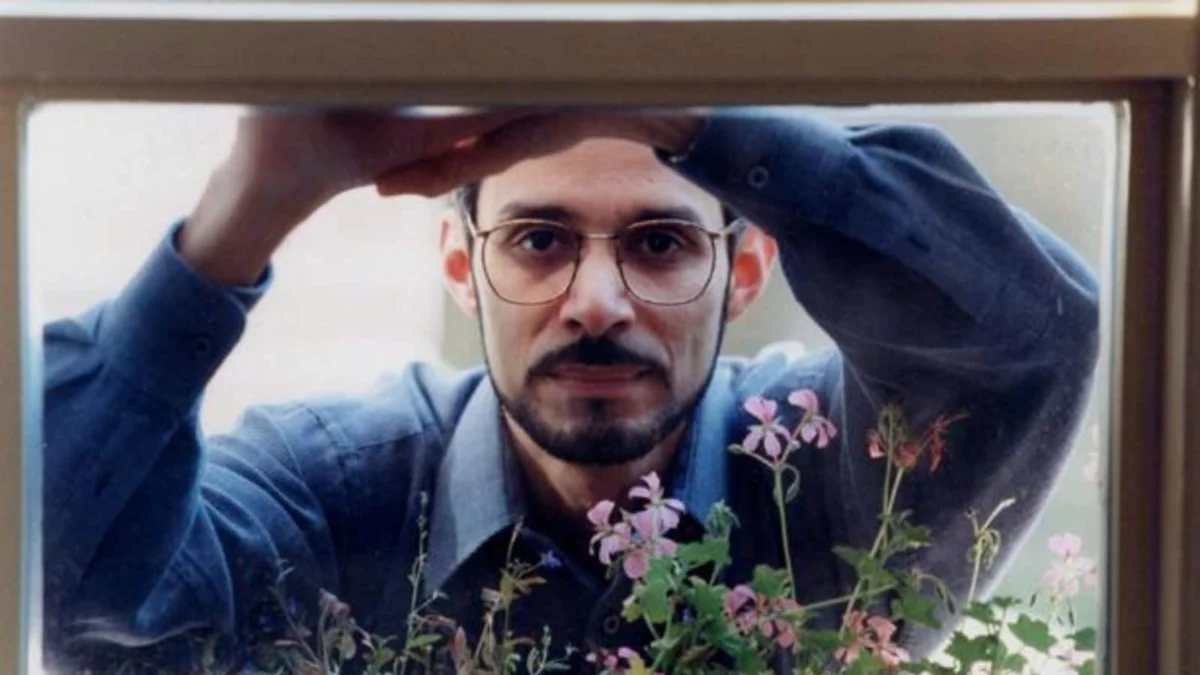
The landscape of global streaming is set to witness a monumental literary transition as HBO announces the development of a high-stakes series based on Rohinton Mistry’s seminal 1995 novel, A Fine Balance. In a move that signals a continued commitment to prestige international storytelling, the network has tapped acclaimed filmmaker Ritesh Batra—best known for his BAFTA-nominated epistolary drama The Lunchbox—to helm the adaptation.
The project, envisioned as a seven-part limited series, aims to bring Mistry’s harrowing yet humanistic portrayal of mid-1970s India to a contemporary global audience. Produced by a powerhouse consortium including Blueprint Pictures and Northwood Entertainment, the series represents one of the most ambitious attempts to translate the complexities of post-Independence Indian sociology into the "Golden Age" of television.
Main Facts: The HBO Vision for an Indian Masterpiece
The upcoming adaptation of A Fine Balance is not merely another addition to the streaming wars; it is a strategic move by HBO to capture the "prestige drama" niche within the South Asian market and beyond. The series is slated to be a seven-part odyssey, providing the narrative breathing room necessary to capture the sprawling, 600-plus page source material.
Production Pedigree
The production is backed by significant industry weight. Blueprint Pictures, the firm behind the Academy Award-winning Three Billboards Outside Ebbing, Missouri and the critically acclaimed A Very British Scandal, is leading the charge. Joining them is Northwood Entertainment, the production house responsible for the visually stunning and emotionally resonant Anne with an E. This collaboration suggests a production value that prioritizes period authenticity and cinematic scale.
Direction and Creative Leadership
The appointment of Ritesh Batra as the primary creative force is a deliberate choice. Batra’s filmography, particularly The Lunchbox and Photograph, demonstrates a unique sensitivity to the quiet dignity of ordinary lives—a core theme of Mistry’s novel. Batra’s ability to find "the extraordinary in the ordinary" aligns perfectly with the novel’s focus on four disparate individuals forced together by circumstance.
Filming Schedule
According to industry reports from Variety, the production is scheduled for an intensive shooting block in India, originally slated to run from early June through November. The choice to film on location is critical, as the setting of Mumbai (then Bombay) serves as more than just a backdrop; it is a living, breathing character in Mistry’s narrative.
Chronology: The Journey of a Literary Giant
To understand the weight of this announcement, one must look at the historical trajectory of Rohinton Mistry’s career and the enduring legacy of the novel itself.
- 1991: The Debut. Rohinton Mistry, a Mumbai-born writer who immigrated to Canada in 1975, rose to international prominence with his first novel, Such a Long Journey. The book was shortlisted for the Booker Prize and later adapted into a 1998 feature film starring Roshan Seth.
- 1995/1996: The Publication of ‘A Fine Balance’. Originally published in Canada by McClelland & Stewart, the novel became an instant sensation. It won the 1995 Giller Prize and the 1996 Commonwealth Writers’ Prize. In 1996, it was shortlisted for the Booker Prize, cementing Mistry’s status as a master of contemporary realism.
- 2001: The Oprah Effect. In a rare feat for a Canadian-Indian author, the novel was selected for Oprah’s Book Club. This propelled the book into the American mainstream, making it a perennial bestseller and a staple of university syllabi worldwide.
- 2021: The Radio Dramatization. The BBC produced a significant radio play adaptation of the novel, proving that the story’s themes of political upheaval and human resilience remained deeply relevant decades after its release.
- 2022: The HBO Announcement. The news of the OTT (Over-The-Top) adaptation marks the first time the novel will be translated into a long-form visual medium, capitalizing on the capabilities of modern streaming budgets.
Supporting Data: The Narrative and Historical Context
A Fine Balance is widely regarded as one of the most important novels written about India in the 20th century. Its power lies in its unflinching look at the "Emergency"—the 21-month period between 1975 and 1977 when Prime Minister Indira Gandhi unilaterally declared a state of emergency across the country.
The Plot Intersection
The story centers on four characters from vastly different social strata who find their lives inextricably linked in a cramped apartment:
- Dina Dalal: A fiercely independent Parsi widow struggling to maintain her autonomy without remarrying.
- Ishvar Darji and Omprakash Darji: Two tailors from the "untouchable" (Dalit) caste who have fled horrific village violence in hopes of finding work in the city.
- Maneck Kohlah: A young student from a scenic mountain village, disillusioned by the changing world and the pressures of his education.
Historical Backdrop
The series will traverse the political landscape of India starting from Independence in 1947, but its heart beats in the mid-70s. The narrative provides a visceral account of the "Emergency," including:
- The Internal Disturbance: The suspension of civil liberties and the crackdown on political dissent.
- Slum Clearances: The brutal displacement of the urban poor under the guise of "beautification" programs.
- Forced Sterilization: The controversial population control measures that disproportionately targeted the marginalized.
Mistry’s work is often compared to the realism of Charles Dickens, as he uses the micro-struggles of his characters to critique the macro-failures of the state.
Official Responses and Industry Buzz
While HBO has been traditionally tight-lipped regarding specific casting for the four leads, the industry response has been one of high anticipation. Literary critics and film historians have long noted that A Fine Balance was "un-filmable" as a two-hour movie due to its density and the sheer emotional weight of its tragedy.
A representative from the production circle noted that the transition to a limited series format allows for a "faithful exploration of Mistry’s nuances." The involvement of Northwood Entertainment suggests that the series will not shy away from the darker, more visceral elements of the book, while Blueprint Pictures brings the expertise of handling complex, politically charged narratives.
Ritesh Batra’s involvement has also been hailed by the Indian creative community. Having successfully bridged the gap between Indian sensibilities and Western distribution with The Lunchbox, Batra is seen as the ideal bridge-builder for a story that is quintessentially Indian yet universal in its themes of friendship and survival.
Implications: A New Era for South Asian Narratives
The adaptation of A Fine Balance carries several significant implications for the entertainment industry and the cultural representation of South Asia.
1. The Shift Toward Literary Realism
For years, Western depictions of India fluctuated between the "Slumdog Millionaire" brand of kinetic energy and the "Best Exotic Marigold Hotel" brand of colonial nostalgia. By choosing Mistry’s work, HBO is pivoting toward "Literary Realism." This move suggests that global audiences are now perceived as ready for grittier, more historically accurate, and politically complex stories from the subcontinent.
2. The "Prestige TV" Treatment of Global Literature
Following the success of adaptations like A Suitable Boy (BBC/Netflix) and The White Tiger (Netflix), A Fine Balance represents the pinnacle of this trend. It signals that streaming giants are looking for "prestige IP" (Intellectual Property) that offers more than just entertainment—they are looking for cultural landmarks.
3. Reckoning with History
The series will likely spark renewed conversation about the Emergency—a period that remains a sensitive and polarizing chapter in Indian history. By dramatizing the state-sponsored atrocities of that era, the HBO series could play a role in historical memory, much like Chernobyl did for the Soviet era.
4. Career Milestone for Ritesh Batra
For Batra, this project is a significant escalation in scale. While his previous works were intimate and contained, A Fine Balance requires him to manage a period piece with massive crowds, political riots, and a timeline spanning decades. It places him in the top tier of international directors capable of handling high-budget, high-concept drama.
Conclusion
As production moves forward, the adaptation of A Fine Balance stands as a testament to the enduring power of Rohinton Mistry’s prose. In a world of fleeting digital content, HBO’s investment in a seven-part exploration of human dignity, caste struggle, and political tyranny suggests a belief that "a fine balance" can indeed be struck between commercial streaming and high art. For fans of the novel, the wait to see Dina, Ishvar, Om, and Maneck on screen is fraught with both excitement and the heavy expectation that the series will do justice to one of the most heartbreaking stories ever told.
