

BUSINESS
New Delhi, July 28, 2026 – India’s precious metals market witnessed notable movements today, with both gold and silver registering a slight uptick, largely propelled by a complex interplay of global economic shifts, robust domestic demand, and fluctuating currency valuations. As of July 28, 2026, investors and consumers alike are closely monitoring these trends, which underscore the enduring significance of gold and silver as both cultural staples and critical investment assets within the Indian economy.
The current pricing structure reflects a nuanced market sentiment, where inflationary pressures and global uncertainties bolster the safe-haven appeal of these metals, even as regional variations in demand and supply dynamics create slight differentials across major Indian cities. This comprehensive analysis provides a detailed breakdown of today’s prices, the underlying factors influencing these rates, expert perspectives, and the broader implications for stakeholders.
Current Market Snapshot: Gold Prices Across India
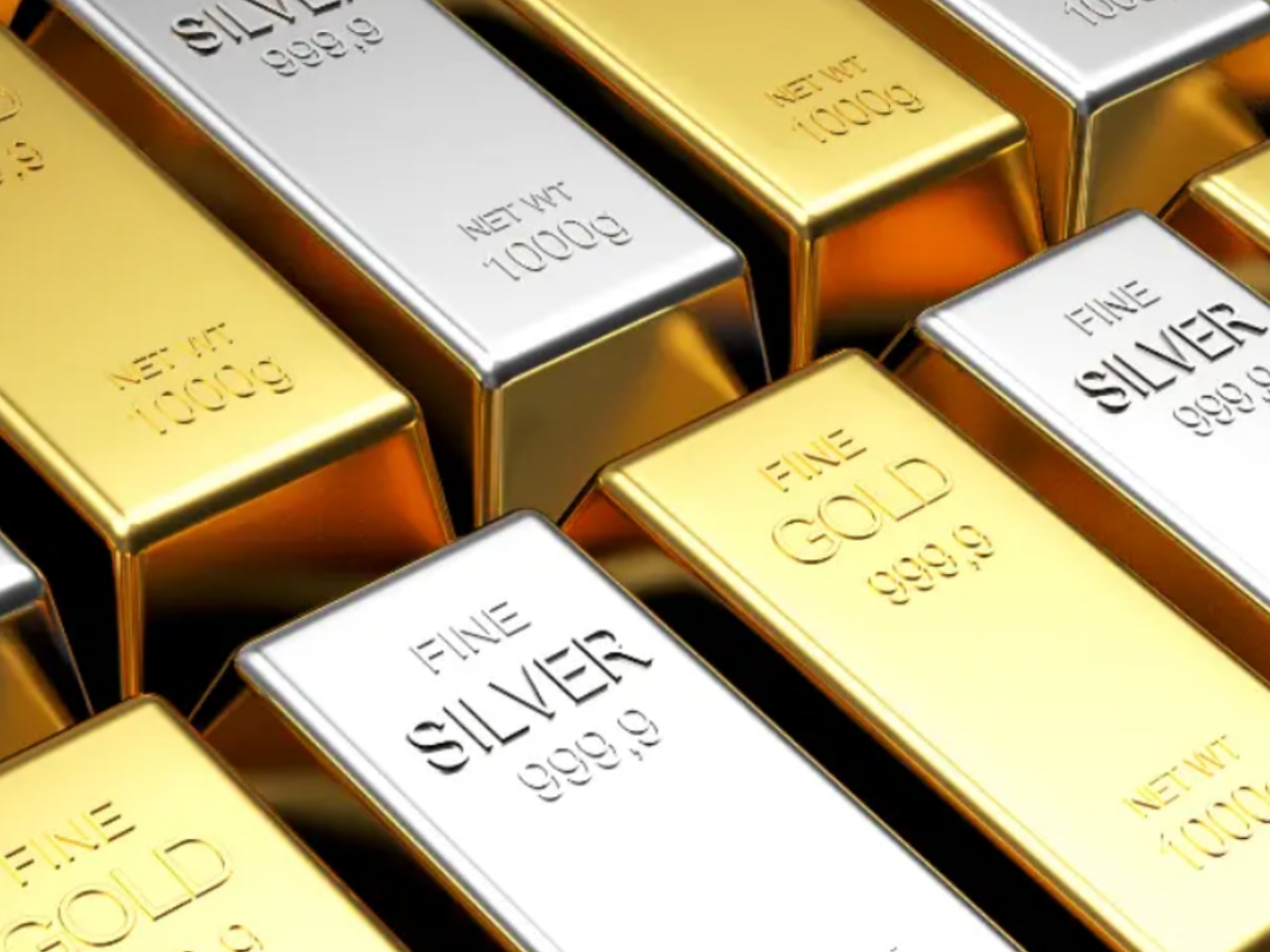
Today, July 28, 2026, gold prices in India have experienced a measured ascent, signalling continued investor confidence amidst a backdrop of economic volatility. The national average for 24-karat gold (999 purity) stands at Rs 14,587 per gram, while 22-karat gold (91.67% pure, commonly used in jewellery) is priced at Rs 13,371 per gram. This increase is attributed primarily to heightened global demand and persistent inflationary pressures that continue to shape international commodity markets.
Understanding Gold Purity and Pricing
It is crucial for consumers and investors to understand the distinction between 24K and 22K gold. 24K gold represents the purest form, containing 99.9% gold, making it ideal for investments like gold bars and coins. Its price is typically the benchmark for market valuation. 22K gold, on the other hand, is an alloy comprising 91.67% gold and 8.33% other metals like copper or silver. This composition enhances its durability, making it suitable for intricate jewellery designs, which often require greater structural integrity than pure gold can offer. The slight difference in price per gram between these two purities directly reflects their gold content.
City-Wise Gold Rates Today (July 28, 2026):
While the national averages provide a general overview, specific city rates often vary due to local taxes, transportation costs, and regional demand patterns. According to data compiled from Good Returns, the prices across major Indian metros are as follows:
)
-
Gold Prices in Delhi:
- 24K Gold: Rs 14,605 per gram
- 22K Gold: Rs 13,386 per gram
- Delhi often sees slightly higher prices due to its status as a major trading hub and significant consumer market.
-
Gold Prices in Mumbai:
- 24K Gold: Rs 14,587 per gram
- 22K Gold: Rs 13,371 per gram
- Matching the national average, Mumbai remains a pivotal financial and jewellery market.
-
Gold Prices in Kolkata:

- 24K Gold: Rs 14,590 per gram
- 22K Gold: Rs 13,371 per gram
- Kolkata’s rates are marginally above the national average for 24K, reflecting regional demand nuances.
-
Gold Prices in Chennai:
- 24K Gold: Rs 14,587 per gram
- 22K Gold: Rs 13,371 per gram
- Chennai, a significant market for both jewellery and investment gold, aligns with the broader national trend.
These city-wise variations, though minor today, are a consistent feature of India’s fragmented precious metals market, influenced by local taxes, logistical costs, and regional purchasing power.
Current Market Snapshot: Silver Shines Bright
Silver, often termed "poor man’s gold," also recorded an upward trajectory today, solidifying its position as a popular choice for both investment and ornamental purposes. As of July 28, 2026, the price of 999 pure silver in India is approximately Rs 2,39,900 per kilogram. For Silver 925, also known as sterling silver (92.5% pure), the rate is marginally lower at Rs 2,39,000 per kilogram.
)
Understanding Silver Purity and Pricing
Similar to gold, silver prices are quoted based on purity. 999 silver is the purest form available, primarily used for investment in bullion bars and coins. Sterling silver (925 purity) is an alloy, typically with copper, to enhance its strength and durability for jewellery and tableware. The industrial applications of silver also play a crucial role in its valuation, distinguishing it significantly from gold, which is predominantly a monetary and ornamental metal.
City-Wise Silver Rates Today (July 28, 2026):
The uniformity in silver prices across major cities today highlights the efficiency of its national distribution and trading mechanisms, coupled with a more homogenous national demand pattern compared to gold.
-
Silver Price in Delhi Today:
)
- 999 Silver: Rs 2399 per 10 grams (or Rs 2,39,900 per kg)
-
Silver Price in Mumbai Today:
- 999 Silver: Rs 2399 per 10 grams (or Rs 2,39,900 per kg)
-
Silver Price in Kolkata Today:
- 999 Silver: Rs 2399 per 10 grams (or Rs 2,39,900 per kg)
-
Silver Price in Chennai Today:
)
- 999 Silver: Rs 2399 per 10 grams (or Rs 2,39,900 per kg)
The consistent pricing for silver across these metros indicates a relatively stable supply chain and uniform market response to national and international cues on this particular day.
The Recent Trajectory: A Look at Market Movements Leading to Today’s Rates
The current prices of gold and silver on July 28, 2026, are not isolated figures but rather the culmination of recent market dynamics and a series of economic events. Over the past few weeks and months, precious metals have navigated a volatile landscape, reacting swiftly to global financial indicators and geopolitical shifts.
The initial half of 2026 saw gold consolidating gains made in late 2025, buoyed by persistent concerns over inflation in major economies like the United States and Europe. Central banks, while signaling a cautious approach to monetary tightening, have struggled to fully tame price surges, leading investors to increasingly seek refuge in non-fiat assets. This period was characterized by moderate volatility, with prices reacting sharply to key economic data releases such as CPI reports, manufacturing PMIs, and employment figures from leading nations.
)
Silver, too, has followed a similar, albeit more volatile, trajectory. Its dual role as an industrial metal and a precious commodity means its prices are sensitive not only to safe-haven demand but also to the health of the global manufacturing sector. Recent upticks in demand from the renewable energy sector, particularly solar panel manufacturing, have provided a strong floor for silver prices, even during periods when investment demand might have wavered.
In the immediate lead-up to July 28, 2026, several factors contributed to today’s slight price increase. Reports of higher-than-expected inflation figures from the Eurozone last week, coupled with a weakening US dollar index (DXY) against a basket of major currencies, made dollar-denominated gold more attractive to international buyers. Furthermore, ongoing geopolitical tensions in Eastern Europe and the Middle East continue to fuel safe-haven buying, as investors seek to hedge against potential economic and political instability. The anticipation of upcoming festive seasons in India has also started to build, contributing to a slight pre-emptive increase in local demand and, consequently, prices.
Unpacking the Drivers: Factors Influencing Precious Metal Prices
The value of gold and silver in India is a complex tapestry woven from a multitude of domestic and international threads. Understanding these influencing factors is key to deciphering market movements.
)
1. Global Economic Climate and Monetary Policy
The health of the global economy and the policies adopted by major central banks, particularly the U.S. Federal Reserve, are paramount. When global economic growth is uncertain or slowing, investors often flock to gold as a safe haven, driving up its price. Conversely, robust economic growth and higher interest rates can make other assets, like bonds, more attractive, potentially drawing money away from gold.
- Interest Rates: Higher interest rates typically increase the opportunity cost of holding non-yielding assets like gold, making it less appealing. However, if real interest rates (nominal rates minus inflation) are low or negative, gold’s attractiveness as an inflation hedge increases.
- Inflationary Pressures: Gold is traditionally viewed as a hedge against inflation. When the cost of living rises and the purchasing power of fiat currencies erodes, investors turn to gold to preserve wealth, leading to increased demand and prices. The current global inflationary environment is a significant tailwind for precious metals.
- Strength of the US Dollar: Since gold is priced in U.S. dollars on international markets, a weaker dollar makes gold cheaper for buyers holding other currencies, thereby increasing demand and price. Conversely, a strong dollar makes gold more expensive.
2. Geopolitical Tensions and Global Uncertainty
Political instability, regional conflicts, trade wars, and major international crises invariably lead to heightened risk aversion among investors. During such periods, gold’s status as a reliable store of value comes to the forefront, driving significant safe-haven buying. The ongoing geopolitical situations mentioned earlier contribute directly to this demand.
3. Domestic Demand Dynamics in India
India’s cultural affinity for gold and silver is unparalleled globally. Demand is not just driven by investment but deeply embedded in social and religious customs.
)
- Festive and Wedding Seasons: India’s calendar is dotted with numerous festivals (Diwali, Akshaya Tritiya, Dhanteras) and wedding seasons, during which gold and silver purchases surge. These periods account for a significant portion of the annual demand.
- Rural Demand: A substantial portion of India’s gold demand originates from rural areas, where it is often considered a traditional form of savings and financial security, especially for agricultural communities.
- Investment Demand: Beyond physical jewellery, there’s growing interest in gold and silver as pure investment vehicles, including gold ETFs, digital gold, and sovereign gold bonds, driven by diversification motives and hedging against market volatility.
4. The Rupee-Dollar Exchange Rate
Given that India imports the vast majority of its gold and silver, the exchange rate between the Indian Rupee (INR) and the US Dollar (USD) plays a critical role. When the Rupee weakens against the Dollar, imported gold and silver become more expensive in INR terms, directly impacting local prices. This effect can often amplify or counteract international price movements.
5. Industrial Demand for Silver
Unlike gold, silver has significant industrial applications, which account for over 50% of its global demand. This makes its price sensitive to global economic growth and technological advancements.
- Electronics: Silver’s excellent electrical conductivity makes it indispensable in electronics, including switches, circuits, and conductors in smartphones, computers, and various appliances.
- Solar Panels: The booming solar energy sector is a major consumer of silver, used in photovoltaic cells. Global efforts towards renewable energy greatly influence silver demand.
- Automotive Industry: Silver is used in various electrical components in vehicles, and its demand is growing with the rise of electric vehicles (EVs).
- Medical Applications: Silver’s antibacterial properties make it useful in medical instruments, wound dressings, and certain pharmaceutical products.
Expert Insights and Official Stances
To fully grasp the current market situation, it is imperative to consider the perspectives of market analysts, industry experts, and the indirect influence of governmental and regulatory bodies.
)
Market Analysts’ Outlook
"The slight increase in gold and silver prices today is a clear reflection of continued safe-haven buying amidst persistent global inflation concerns and geopolitical uncertainties," stated Mr. Rohan Sharma, a senior commodity analyst at a leading financial firm. "We anticipate that gold will remain well-supported in the short term, especially as central banks adopt a more measured approach to monetary policy, keeping real interest rates suppressed. For silver, the industrial demand from green technologies like solar and EVs provides a strong fundamental floor, making it an attractive prospect for long-term investors."
Another analyst, Ms. Priya Singh, specializing in precious metals, added, "Indian consumers are highly attuned to these price movements. With the festive season approaching, we expect a gradual build-up in demand, which could provide further upward pressure on domestic prices, potentially decoupling them slightly from pure international trends due to local premiums."
Jewellery Sector Perspectives
The jewellery industry, a significant consumer of precious metals in India, is constantly adapting to price fluctuations. Mr. Vijay Jain, President of the All India Gem & Jewellery Domestic Council, commented, "While daily price changes are a reality, the long-term trend of gold as a valued asset remains strong in India. Jewelers are navigating these dynamics by offering a diverse range of products, from lightweight daily wear to elaborate bridal sets, catering to varied budgets. Digital gold platforms and schemes allowing customers to book prices in advance are also gaining traction, helping manage price volatility for both consumers and retailers." He also highlighted the industry’s focus on transparency and ethical sourcing to maintain consumer trust.
)
Government and RBI’s Indirect Influence
While there are no direct "official responses" to daily price movements, the Indian government and the Reserve Bank of India (RBI) exert significant indirect influence on the precious metals market through various policies:
- Import Duties: The government periodically revises import duties on gold and silver to manage the country’s current account deficit and regulate inbound flows. Higher duties make imports more expensive, directly impacting domestic prices. Any discussions around duty changes can cause immediate market reactions.
- Monetary Policy: The RBI’s monetary policy decisions, particularly regarding interest rates and inflation targets, indirectly affect the attractiveness of gold as an investment. Higher domestic interest rates might encourage savings in bank deposits, potentially diverting some investment away from gold.
- Sovereign Gold Bond (SGB) Scheme: The government’s SGB scheme aims to reduce physical gold imports by offering an alternative, paper-based investment in gold. This initiative helps manage foreign exchange outflows and provides investors with a secure, government-backed option.
- Gold Monetisation Scheme: This scheme encourages individuals to deposit idle gold with banks to earn interest, aiming to bring unaccounted gold into the formal economy and reduce reliance on fresh imports.
These policy tools reflect the government’s ongoing effort to balance the cultural and economic significance of gold with its macroeconomic implications.
Broader Implications of Current Price Trends
The current price trends for gold and silver have far-reaching implications across various segments of the Indian economy and society.
)
For Indian Consumers
- Purchasing Power: Higher prices mean consumers need to allocate more funds for gold and silver purchases, impacting household budgets, especially during festive and wedding seasons. This might lead to a shift towards lighter jewellery or even an increase in purchases of silver as a more affordable alternative.
- Investment Decisions: For those considering gold and silver as an investment, today’s slight increase may reinforce the perception of these metals as reliable assets. However, timing purchases becomes crucial, with many buyers trying to ‘buy the dip’ or invest systematically.
- Cultural Significance: Despite price fluctuations, the deep-rooted cultural and traditional value of gold and silver in India ensures continued demand, regardless of minor daily movements. It remains an integral part of dowries, gifts, and religious ceremonies.
For Investors
- Portfolio Diversification: Gold and silver serve as excellent diversifiers in an investment portfolio, offering a hedge against equity market volatility and currency depreciation. Today’s movements highlight their role in balancing risk.
- Inflation Hedge: In an environment of persistent inflation, precious metals are often favored. Investors seeking to preserve purchasing power are likely to continue allocating a portion of their wealth to gold and silver.
- Long-term vs. Short-term: While short-term traders might react to daily fluctuations, long-term investors typically view gold and silver as strategic assets, holding them through various economic cycles. The slight increase today might encourage some profit-booking for short-term holders, while long-term investors remain focused on broader trends.
- Investment Avenues: The market offers various ways to invest beyond physical metals, including Gold ETFs, Gold Mutual Funds, Digital Gold, and Sovereign Gold Bonds, catering to different risk appetites and convenience preferences.
For the Jewellery Industry
- Sales and Margins: Rising input costs due to higher gold and silver prices can squeeze profit margins for jewelers, unless they are able to pass on the costs to consumers. This often leads to innovation in design, focusing on lightweight jewellery or designs that use a combination of metals and precious stones.
- Inventory Management: Jewelers face the challenge of managing inventory in a volatile price environment. Hedging strategies and efficient inventory turnover become critical to minimize risks.
- Design Trends: High prices can influence design trends, leading to a greater emphasis on craftsmanship and intricate designs rather than sheer weight, particularly for gold jewellery.
Macroeconomic Impact
- Current Account Deficit: India’s substantial reliance on gold and silver imports contributes significantly to its current account deficit. Higher prices mean a larger outflow of foreign exchange, impacting the country’s balance of payments.
- Foreign Exchange Reserves: While imports deplete reserves, the overall strength of the Rupee and the nation’s foreign exchange reserves are crucial in determining the cost of these imports.
- Household Savings: Gold has historically been a significant component of household savings in India. Price fluctuations affect the perceived wealth and financial security of millions of households.
Conclusion
As of July 28, 2026, the Indian precious metals market is a vibrant arena, reflecting a blend of global economic forces, deeply ingrained cultural practices, and strategic investment decisions. The slight increase in gold and silver prices today underscores their continued relevance as valuable assets in a complex economic landscape. From the intricate dynamics of international trade and monetary policy to the nuanced preferences of local consumers and investors, every factor contributes to the daily ebb and flow of these precious commodities.
Looking ahead, the interplay of global inflation trends, the policies of major central banks, geopolitical stability, and India’s own domestic demand patterns will continue to shape the trajectory of gold and silver prices. Stakeholders, ranging from individual consumers planning festive purchases to institutional investors diversifying their portfolios, will remain keenly observant of these movements, recognizing that in the world of precious metals, today’s snapshot is merely a single frame in an ever-evolving narrative of value and security.
Find your daily dose of All Latest News including Sports News, Entertainment News, Lifestyle News, explainers & more. Stay updated, Stay informed- Follow DNA on WhatsApp.
