

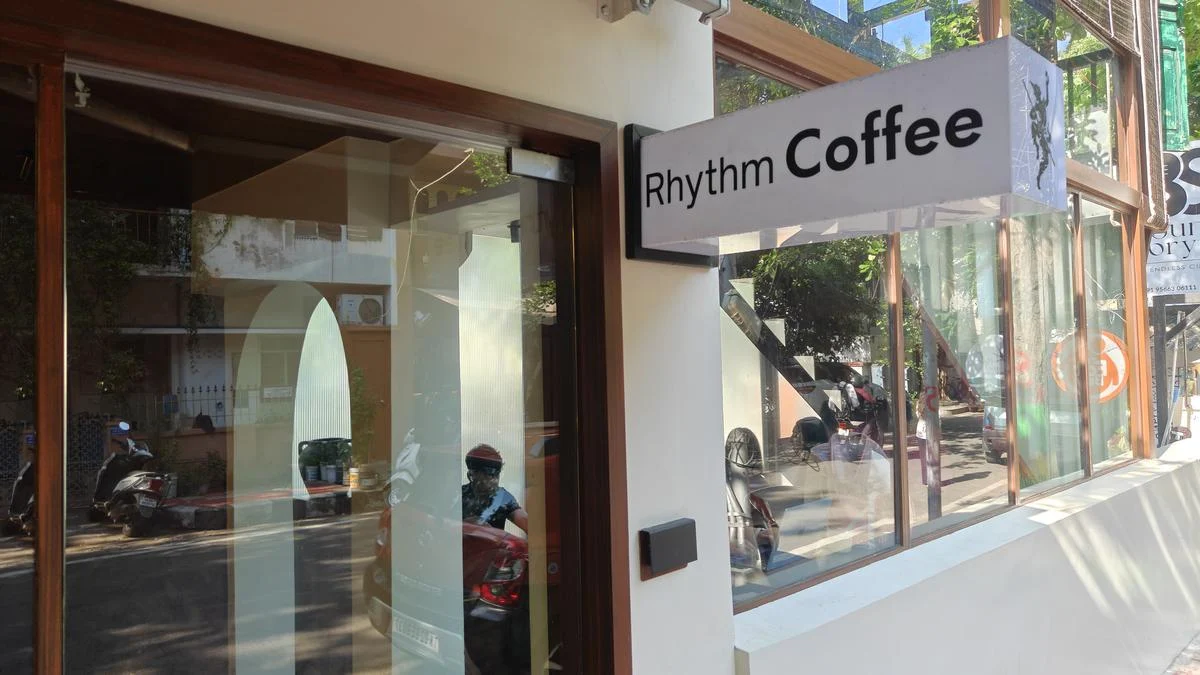
CHENNAI — In the leafy, upscale neighborhood of Alwarpet, where traditional filter coffee has long reigned supreme, a new contender is challenging the status quo. Rhythm Coffee, a diminutive yet ambitious specialty coffee bar, has recently emerged as the latest focal point for the city’s burgeoning "Third Wave" coffee movement. Despite its modest physical footprint—frequently likened to Harry Potter’s cupboard under the stairs—the establishment is making significant waves across social media and within the local culinary community.
As Chennai’s gastronomic landscape continues to evolve, the arrival of Rhythm Coffee signals a broader shift in consumer preferences. It marks a transition from the heavy, chicory-laced brews of yesteryear to a sophisticated appreciation for single-origin beans, experimental fermentation processes, and the precision of the pour-over.
Main Facts: A Micro-Cafe with Macro Ambitions
Located in the heart of Alwarpet, Rhythm Coffee operates on a philosophy of "minimalism meets expertise." The cafe is characterized by its limited seating capacity—comfortably accommodating only six patrons at a time—and a curated menu that prioritizes quality over quantity.
The venture is the brainchild of Roshan A S, a coffee enthusiast turned entrepreneur, whose journey reflects the changing caffeine habits of the modern Indian professional. Rhythm Coffee distinguishes itself by offering four distinct specialty roasts, each sourced from premium estates across Tamil Nadu and Karnataka. These beans are not static fixtures; the cafe intends to rotate its selection in sync with the annual harvest seasons, ensuring that patrons always have access to the freshest possible profiles.
The current selection includes:
- Vaanam (Valparai): Known for its delicate floral and citron notes.
- Solai (Kodaikanal): A rare Yellow Bourbon Arabica featuring hints of allspice and citrus.
- Kairee (Chikmagalur): A unique bean subjected to raw mango fermentation.
- Maalai (Chikmagalur): A rose-petal dried bean offering a profile of rose and lychee.
Beyond the pour-overs, the menu extends to inventive concoctions like the "Blanc 2.0," a localized take on the classic Mont Blanc, and the "Orange Pound Cake Latte," alongside high-quality matcha and non-caffeinated options.

Chronology: From Home Brewing to the High Street
The genesis of Rhythm Coffee is rooted in the personal evolution of its founder, Roshan A S. Like many residents of Chennai, Roshan began his relationship with coffee through the traditional South Indian filter variety. However, the demands of a high-pressure professional life eventually led him to the world of black coffee—specifically Americanos—as a functional tool for late-night work sessions.
This functional relationship soon blossomed into a hobby. Roshan transitioned into home brewing, experimenting with various techniques and bean varieties. As his expertise grew, so did his realization that Chennai’s specialty coffee scene, while growing, still had room for a dedicated, "no-frills" coffee bar that focused purely on the science and art of the bean.
The development of Rhythm Coffee followed a meticulous path:
- Sourcing Phase: Roshan spent months establishing relationships with estates in the Western Ghats, specifically targeting those willing to experiment with fermentation and processing.
- Concept Design: Recognizing the high real estate costs in Alwarpet, the decision was made to adopt a "micro-cafe" model, focusing on takeaways and a high-turnover, high-quality experience.
- Launch: Upon opening, the cafe was quickly picked up by local food influencers and social media "hidden gem" hunters, propelling it into the spotlight of Chennai’s digital food discourse.
Supporting Data: The Science of the Sip
The "Third Wave" coffee movement is defined by its transparency and focus on the supply chain. Rhythm Coffee’s menu provides a data-driven look at why specialty coffee commands a premium price (approximately ₹350 per beverage).
The Estate Breakdown
The cafe’s current rotation highlights the geographical diversity of South Indian coffee:
- The Yellow Bourbon Factor: The "Solai" bean from Kodaikanal is particularly noteworthy. Yellow Bourbon is a natural mutation of the Bourbon variety. While red cherries are more common, yellow cherries often yield a cleaner, more acidic cup with a distinct creamy mouthfeel. Cultivating this in the micro-climate of Kodaikanal adds a layer of terroir-specific complexity.
- Experimental Fermentation: The "Kairee" bean utilizes "fruit-macerated fermentation." By introducing raw mango during the fermentation stage, the sugars in the fruit interact with the coffee mucilage, resulting in a cup that carries a tangy, tropical acidity that is rarely found in traditional Indian coffees.
The Micro-Cafe Economics
The physical constraints of the shop—seating only four to six people—are a strategic response to urban density. In high-rent districts like Alwarpet, the "cupboard-style" cafe allows for lower overheads, enabling the business to invest more heavily in high-grade equipment and premium bean sourcing rather than expansive square footage.

Official Responses: A Philosophy of Education
Owner Roshan A S emphasizes that Rhythm Coffee is not merely a retail outlet but an educational platform. "We want to keep these beans rotating every year with the harvest season," Roshan stated, highlighting a commitment to seasonal transparency that is often missing in commercial coffee chains.
The baristas at Rhythm are trained to act as guides. In an industry often criticized for being "snobbish" or inaccessible to the uninitiated, Roshan’s team maintains a welcoming stance. "The baristas are knowledgeable and happy to help even those who are just starting out on their coffee journey and only need a cup to stay awake," a recent review noted. This approach aims to bridge the gap between the casual drinker and the coffee connoisseur.
Regarding the menu’s creative direction, the "Blanc 2.0" serves as a testament to their innovative spirit. By replacing the traditional orange used in Mont Blanc coffee with sweet lime (Sathukudi), the cafe pays homage to local flavors while maintaining a global standard of craft.
Implications: The Shifting Caffeine Culture of Chennai
The rise of Rhythm Coffee carries several implications for the future of the F&B industry in South India.
1. The "Hidden Gem" Economy
The rapid popularity of Rhythm Coffee underscores the power of social media in shaping urban consumption. The "hidden gem" narrative—fueled by short-form video content—has become a primary driver for small businesses. While this provides immediate visibility, it also places immense pressure on micro-spaces to manage crowds that exceed their physical capacity.
2. The Premiumization of Local Produce
By sourcing from specific estates in Valparai and Chikmagalur, cafes like Rhythm are helping to elevate the status of Indian coffee. For decades, India’s best beans were exported to Europe and North America. The domestic "Third Wave" ensures that high-quality, estate-grown coffee is consumed where it is grown, fostering a more sustainable and lucrative ecosystem for Indian farmers.

3. Urban Planning and the "Quick-Stop" Trend
As Chennai becomes more congested, the "destination cafe" (where one spends hours) is being supplemented by the "high-quality quick-stop." Rhythm Coffee’s recommendation for takeaways suggests a shift in how residents interact with their neighborhoods—valuing the quality of the product over the duration of the stay.
4. Flavor Innovation
The success of fermented beans (mango, rose petal) suggests that the Indian palate is ready for more adventurous flavor profiles. This opens the door for further experimentation with indigenous ingredients—such as spices, tropical fruits, and traditional preservation techniques—within the framework of specialty coffee.
Conclusion
Rhythm Coffee may be small in stature, but its impact on Alwarpet’s coffee scene is substantial. By combining the technical rigor of specialty brewing with a deeply personal, approachable service model, Roshan A S has created more than just a cafe; he has established a contemporary landmark in Chennai’s culinary map. Whether it is a quick "Blanc 2.0" to beat the humidity or a carefully timed pour-over of Yellow Bourbon, Rhythm Coffee offers a glimpse into the future of Indian caffeine culture—one small, expertly crafted cup at a time.
Fact Box: Visiting Rhythm Coffee
- Location: Alwarpet, Chennai.
- Average Cost: ₹350 per beverage.
- Best For: Takeaway specialty coffee, seasonal roasts, and experimental brews.
- Seating: Limited (Max 6 people); not recommended for long working sessions.
