

The Fiery Heart of South Indian Cuisine: Unpacking the Allure of Gunpowder Masala
New Delhi | July 17, 2026, 05:56 PM IST
In the vibrant tapestry of Indian gastronomy, few condiments possess the assertive character and widespread appeal of "Gunpowder Masala," also known as Milagai Podi. This seemingly simple dry spice blend, a cornerstone of South Indian kitchens, transcends its humble origins to deliver a complex symphony of flavors – a fiery, nutty, and profoundly umami punch that elevates a myriad of dishes. More than just an accompaniment, Gunpowder Masala is a testament to the ingenuity of regional culinary traditions, a versatile powerhouse that has earned its place at the heart of South Indian tables, and increasingly, on global palates.
The Essence of "Gunpowder": A Culinary Enigma
The name "Gunpowder" itself evokes an image of explosive flavor, a descriptor that perfectly captures the potent impact of this dry spice mix. Far from its explosive namesake, this culinary concoction is a meticulously crafted blend of toasted and ground spices, often featuring dried red chilies, coconut, sesame seeds, and fresh curry leaves. It is typically classified as a "dry chutney," a versatile powder that can be rehydrated with oil or ghee to create a rich, flavorful paste or used directly as a flavorful dusting.
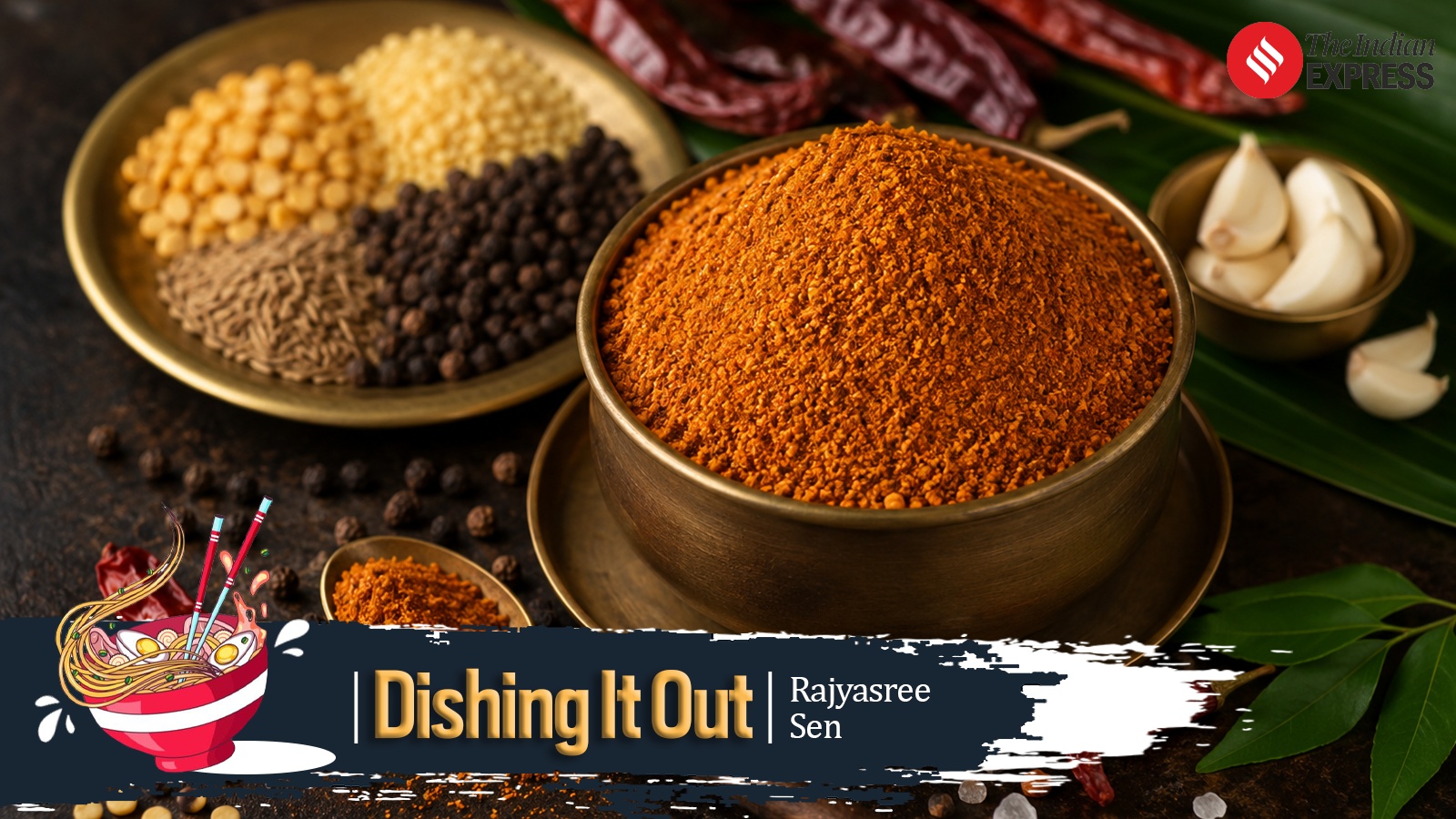
The foundational ingredients are what give Gunpowder its distinctive personality. A base of lentils, such as urad dal (split black gram) and chana dal (split chickpeas), provides a nutty undertone and a pleasingly granular texture. Dried red chilies are the undisputed stars, responsible for the characteristic heat and vibrant reddish hue. The specific variety of chili used dictates the intensity of the spice, ranging from a mild warmth to a formidable inferno. Cumin seeds contribute an earthy fragrance and a subtle nuttiness, while coriander seeds add a brighter, citrusy note. Sesame seeds, when incorporated, impart a deeper, more pronounced nutty flavor and a richer mouthfeel.
Beyond these core components, regional variations introduce further layers of complexity. In coastal areas, the addition of shredded coconut is common, lending a subtle sweetness and a softer texture. Tamarind, a staple in South Indian cooking, can be added in its dried form to provide a characteristic tanginess that balances the heat. Asafoetida (hing), a pungent spice derived from a resin, is a crucial element that adds a profound umami depth and a distinct, almost savory aroma. Salt is, of course, a constant, ensuring the blend is ready to be enjoyed without further seasoning.
A Culinary Journey Through Time: The Origins and Evolution of Gunpowder
The history of Gunpowder Masala is deeply intertwined with the culinary heritage of South India, with its most prominent roots firmly planted in Tamil Nadu. Traditionally, this spice blend was not merely a quick mix; it was a product of meticulous preparation, often involving a traditional stone grinder known as an ammikal. This ancient tool, operated by hand, allowed for a slower, more controlled grinding process. The friction generated by the stone against the grinding surface not only pulverized the spices but also coaxed out their essential oils, resulting in a coarser, more textured powder with a superior aroma and flavor profile compared to modern electric grinders. This artisanal approach ensured that each batch of Gunpowder was a unique expression of the ingredients and the skill of the maker.
The evolution of Gunpowder Masala mirrors the broader shifts in Indian cuisine and food preparation. As modern kitchen appliances became more accessible, the ammikal gradually gave way to electric grinders. While this brought convenience, it also led to a finer texture in many commercially produced versions. However, the essence of the blend – its bold flavor profile – has largely remained intact.
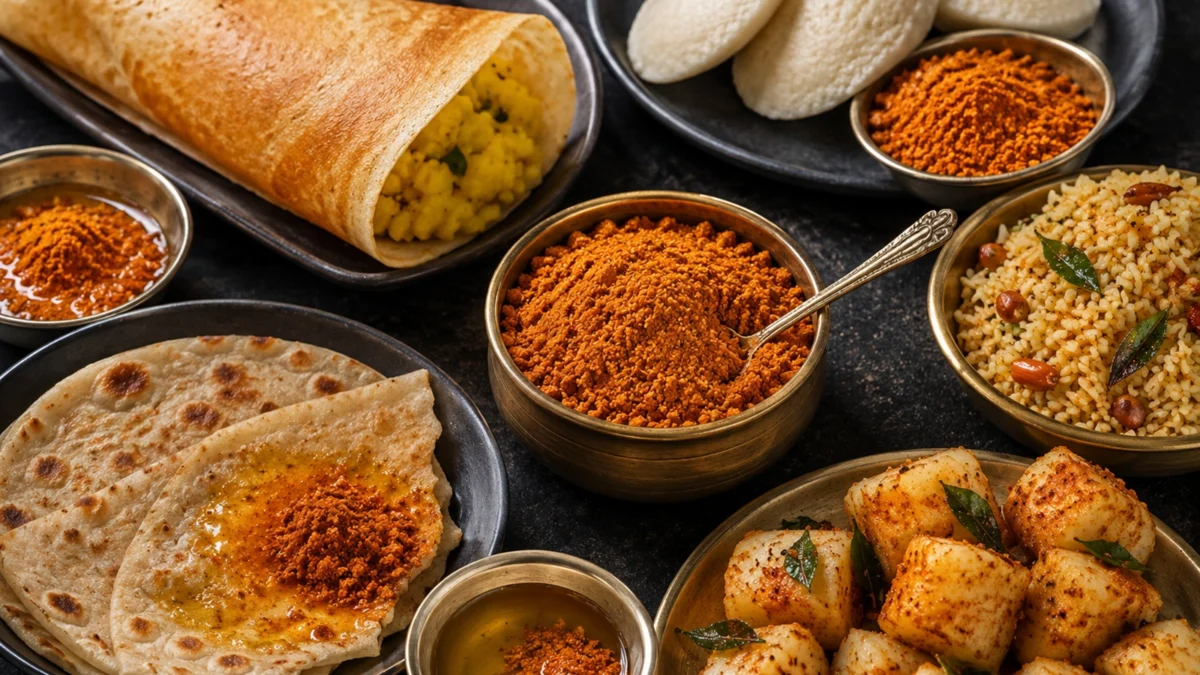
The widespread adoption of Gunpowder Masala can also be attributed to its remarkable versatility. It is an indispensable accompaniment to iconic South Indian breakfast staples like dosas and idlis. When ordering a Mysore Masala Dosa or a classic Masala Dosa, one will invariably find the crisp crepe generously coated with this vibrant spice mix, or served alongside a small bowl of it. Even modern appetizers like "cocktail idlis," which have found a place in the menus of upscale restaurants, often showcase Gunpowder Masala as a key flavor component.
The Many Faces of Gunpowder: Regional Variations and Culinary Adaptations
While the core ingredients of Gunpowder Masala remain consistent, regional variations are a testament to the diverse palates and agricultural bounty of South India. The article highlights a particularly intriguing example: the Karnataka-style Puliyogare Powder. This is not a direct substitute for Gunpowder but rather a distinct preparation that shares some foundational elements. The Puliyogare Powder is a richer, more complex blend that includes ingredients like Bydagi chilies (known for their vibrant color and moderate heat), fenugreek, tamarind, turmeric powder, peanuts, dried coconut, jaggery, mustard seeds, chickpea dal, urad dal, curry leaves, and salt. Its preparation for consumption is also different; it is typically heated in oil before being mixed with cooked rice to create a flavorful tamarind rice dish, often referred to as "hot rice." This demonstrates how the fundamental concept of a dry spice blend can be adapted to create entirely new culinary experiences.
The article also points to the inclusion of ingredients like shredded coconut in coastal regions, emphasizing how local produce influences the final taste and texture. Similarly, the prominence of sesame seeds in certain blends underscores the regional preferences for specific nutty flavors. These variations are not merely stylistic choices; they are a reflection of the deep understanding of flavor profiles and ingredient synergy that defines South Indian cooking.
The Umami Punch: Deconstructing the Flavor Profile
The enduring appeal of Gunpowder Masala lies in its complex and deeply satisfying flavor profile, often described as a perfect balance of spice, tang, and umami. Let’s delve deeper into the contribution of each key ingredient to this culinary alchemy:
- Urad Dal (Split Black Gram): This lentil is crucial for providing a subtle nuttiness and a desirable granular texture. When toasted, it develops a mild sweetness that rounds out the sharper flavors.
- Dried Red Chilies: The soul of Gunpowder, chilies deliver the characteristic heat and vibrant color. The choice of chili variety is paramount; for instance, Guntur or Byadgi chilies are popular choices, each offering a distinct level of spice and aroma.
- Salt: Essential for enhancing all other flavors, salt ensures the blend is perfectly seasoned and ready to be used directly.
- Cumin Seeds: These aromatic seeds contribute an earthy, slightly smoky, and nutty flavor that adds depth and complexity to the blend.
- Coriander Seeds: Offering a brighter, citrusy counterpoint to the earthiness of cumin, coriander seeds add a refreshing dimension.
- Asafoetida (Hing): This potent spice is the secret weapon for achieving the signature umami punch. A small amount adds a savory depth and a pungent aroma that elevates the entire blend. It also aids in digestion, a traditional benefit often associated with Indian spices.
- Curry Leaves: Fresh curry leaves, when dried and toasted, impart a unique aromatic quality and a subtle herbaceous note that is distinctly South Indian.
- Sesame Seeds: Often toasted to a golden brown, sesame seeds contribute a rich, nutty flavor and a pleasant crunch. They are particularly prevalent in blends from regions like Karnataka and Andhra Pradesh.
- Tamarind: The addition of dried tamarind pulp or powder introduces a delightful tanginess that cuts through the richness and spice, creating a more rounded flavor.
The interplay of these ingredients creates a multi-dimensional taste experience. The initial hit is one of heat from the chilies, quickly followed by the nutty undertones of the lentils and seeds. The earthy notes of cumin and coriander ground the flavor, while the subtle tang of tamarind and the pungent umami of asafoetida provide a lingering depth that keeps you coming back for more.
Beyond the Dosa: Versatile Applications of Gunpowder Masala
While Gunpowder Masala is intrinsically linked with dosas and idlis, its culinary applications extend far beyond these breakfast staples. The article thoughtfully suggests innovative ways to enjoy this flavorful condiment, even for those who may not be avid fans of traditional South Indian tiffins.
One of the most straightforward yet incredibly effective methods is to create a simple, flavorful chutney. By taking a spoonful of vegetable oil or, preferably, ghee, and mixing it with a generous amount of Gunpowder Masala, one can achieve a slightly runny, intensely flavored paste. This mixture can then be enjoyed with a variety of accompaniments:
- Parathas: The rich, spicy, and tangy Gunpowder-ghee mixture is a revelation when paired with flaky parathas, adding an exciting dimension to a common flatbread.
- Steamed Rice: Stirring this potent blend into plain steamed rice transforms it into a quick, flavorful meal. The rice absorbs the spices, creating a delicious and satisfying dish with minimal effort. This is particularly useful for busy weeknights or as a comforting meal.
- As a Seasoning: A pinch of Gunpowder Masala can be sprinkled over roasted vegetables, grilled meats, or even popcorn for an instant flavor boost.
- In Soups and Curries: While less traditional, a small amount of Gunpowder Masala can be added to lentil soups or vegetable curries to introduce a layer of spice and complexity.
The versatility of Gunpowder Masala lies in its ability to be both a standalone flavor enhancer and a potent ingredient in more complex preparations. Its dry nature also makes it an excellent choice for travel, as it doesn’t require refrigeration and can be easily transported.
The Future of Flavor: Preserving Tradition, Embracing Innovation
The article’s concluding remarks hint at a broader theme within Indian cuisine: the "waste not-want" culinary movement, a philosophy that has long been ingrained in the Indian way of cooking, predating its modern trendiness. Gunpowder Masala, with its ability to utilize dried ingredients and create a concentrated flavor that extends the shelf life of meals, perfectly embodies this ethos. It is a celebration of resourcefulness and a testament to the enduring wisdom of traditional food practices.
As South Indian cuisine continues to gain global recognition, Gunpowder Masala is poised to become an even more prominent player on the international culinary stage. Its bold flavors and versatility make it an attractive ingredient for chefs and home cooks alike, seeking to add an authentic taste of India to their creations. While commercial production offers convenience, the enduring appeal of homemade Gunpowder, crafted with love and regional nuances, ensures that this fiery heart of South Indian cuisine will continue to beat strong for generations to come. The simple act of toasting spices and grinding them together has created a culinary marvel, a powder that explodes with flavor and tells a story of tradition, ingenuity, and the sheer joy of eating well.
(The author’s next article will explore how India has long been a practitioner of the "waste not-want" culinary movement, discussing the vegetable peels that should be incorporated into cooking.)
