

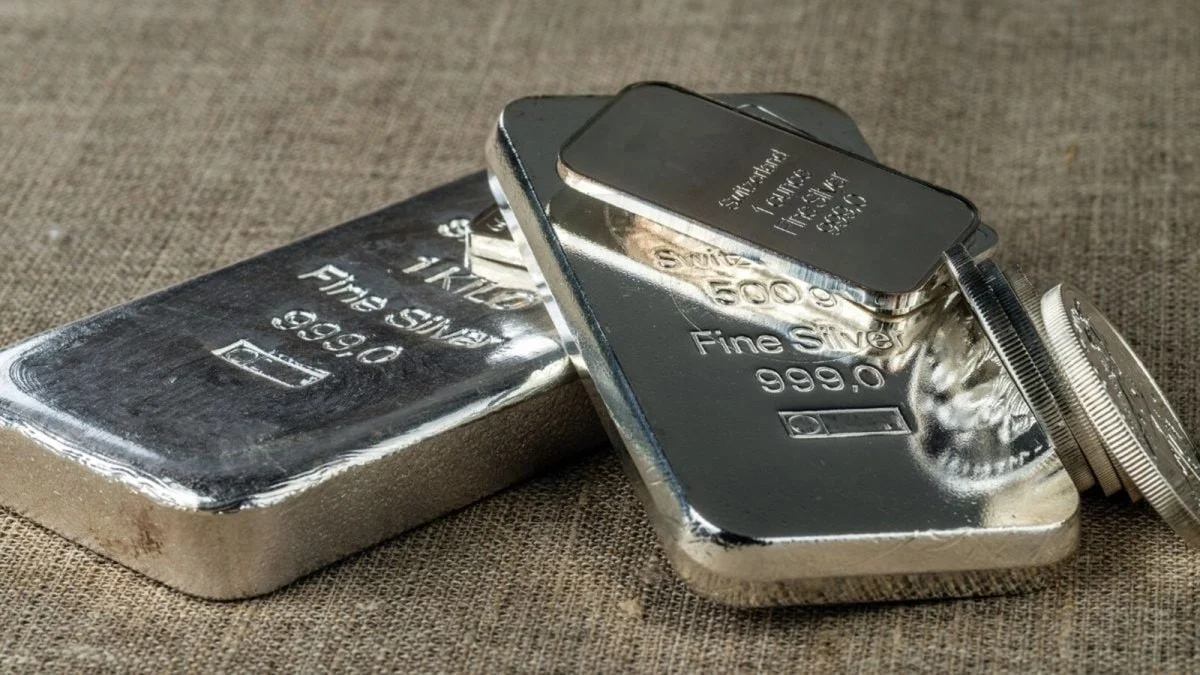
New Delhi, India – May 16, 2026 – In a decisive and multi-pronged strategic pivot, the Indian government is moving aggressively to curb the surging inbound flow of silver bars, marking a significant recalibration of its precious metals import policy. This comprehensive clampdown, initiated by the Ministry of Finance and the Directorate General of Foreign Trade (DGFT), is driven by an unprecedented surge in domestic silver consumption and the critical imperative to safeguard the nation’s foreign exchange reserves amidst escalating global energy prices and geopolitical instability.
The Ministry of Finance has already doubled the effective import tax on both gold and silver, raising it to a formidable 15 per cent. Concurrently, the DGFT has reclassified silver, shifting it into a restricted category that now mandates specific licensing for procurement. These immediate measures are precursors to an anticipated, more robust regulatory framework currently being prepared to further restrict silver bar shipments. The government’s resolve underscores a growing concern over the economic implications of unchecked precious metal imports, particularly at a time when global economic headwinds threaten India’s fiscal stability.
A New Era for Precious Metal Policy: The Chronology of Controls
The recent policy shifts represent a marked acceleration in India’s efforts to manage its precious metals trade, building upon a historical trajectory of intervention when faced with macroeconomic pressures. While specific dates for each step within the "recent past" are not explicitly detailed beyond the "May 16, 2026" publication date, the narrative suggests a rapid sequence of events leading to the current state.
The initial and perhaps most impactful step was the Ministry of Finance’s decision to double the effective import tax on both gold and silver to 15 per cent. This hike, a powerful fiscal tool, serves a dual purpose: increasing government revenue and simultaneously making imports more expensive, thereby discouraging demand. Such a move invariably signals a strong government intent to reduce reliance on foreign supply for what it considers non-essential commodities.
Following closely, the Directorate General of Foreign Trade (DGFT), the principal body responsible for formulating and implementing foreign trade policy, enacted a crucial administrative change. Silver was moved from an ‘open’ or ‘free’ import category to a ‘restricted’ category. This administrative reclassification is not merely semantic; it imposes a stringent licensing regime, meaning importers can no longer freely bring in silver bars. Instead, they must obtain specific permits from the DGFT, allowing the government to control the volume and origin of imports. This shift provides the government with direct leverage over the supply chain, enabling targeted reductions.
Currently, the government is actively preparing a broader regulatory framework. This upcoming framework is expected to solidify and expand upon the existing restrictions, potentially introducing quotas, stricter eligibility criteria for importers, or even more nuanced classifications of silver products. This phased approach, from tax hikes to administrative reclassification and finally to a comprehensive regulatory structure, illustrates a well-thought-out, escalating strategy to bring the precious metal trade under tighter governmental control. These measures collectively aim to manage the systemic outflow of US dollars and bolster the nation’s foreign exchange reserves, a critical bulwark against global economic volatility.
Unprecedented Demand: The Silver Consumption Conundrum
The primary catalyst for this swift governmental intervention is the astonishing and unsustainable surge in domestic silver consumption. India, with its deep-rooted cultural affinity for precious metals and a burgeoning industrial sector, has witnessed an unparalleled appetite for silver, transforming it from a traditional investment avenue into a critical industrial raw material and a significant drain on foreign exchange.
A Surge Beyond Expectations: Detailed Import Data
The latest data from the Ministry of Commerce and Industry paints a stark picture of this demand explosion. In April 2026 alone, India’s silver imports rocketed by a staggering 157.16 per cent compared to the same period last year, reaching a formidable USD 411 million. This monthly spike, while alarming, is merely a snapshot of a more profound and aggressive trend observed throughout the preceding fiscal year.
For the entire fiscal year 2025-26, India’s total silver import bill ballooned by roughly 150 per cent, reaching an astronomical USD 12 billion. To put this into perspective, this figure represents a significant portion of India’s overall merchandise import bill and a substantial outflow of foreign currency. While the global bullion market did experience an upward trend in prices, contributing to a portion of this value inflation, the underlying physical demand remained exceptionally robust. In volume terms, inbound shipments expanded by a remarkable 42 per cent, with India absorbing an colossal 7,334.96 tonnes of silver over the fiscal year. This volume makes India one of the world’s largest consumers of silver, with its demand impacting global prices and supply chains. Such an enormous intake underscores a domestic market that is both voracious and rapidly expanding, driven by a confluence of traditional and modern applications.
The Multifaceted Drivers of Demand
The insatiable demand for silver in India is not monolithic; rather, it stems from a diverse array of sectors, each contributing significantly to the overall consumption surge:
-
Extensive Industrial Manufacturing: India’s rapidly expanding manufacturing base relies heavily on silver for a multitude of applications. Silver’s excellent electrical conductivity, thermal conductivity, and resistance to corrosion make it indispensable in the production of electronics, electrical components, and automotive parts. From circuit boards in smartphones and computers to switches and contacts in industrial machinery, silver is a fundamental ingredient. The ‘Make in India’ initiative, while boosting domestic production, concurrently increases the demand for essential raw materials like silver, many of which are imported.
-
Green Energy Infrastructure Requirements: India’s ambitious push towards renewable energy, particularly solar power, has emerged as a major driver of silver demand. Silver paste is a critical component in the production of photovoltaic (PV) cells, forming the conductive grid lines that capture and transport electricity. As India scales up its solar energy capacity to meet its climate goals and burgeoning energy needs, the demand for silver in this sector is set to continue its upward trajectory. Furthermore, silver finds applications in other green technologies, including electric vehicles (EVs) and energy storage systems, further cementing its role in the nation’s sustainable development agenda.
-
Traditional Consumer Demand: Beyond industrial uses, silver holds immense cultural and investment significance in India. It is a cherished metal for jewelry, particularly during festivals, weddings, and religious ceremonies. Silverware, idols, and decorative items are integral to Indian households and traditions. Moreover, silver is a popular investment vehicle, especially among middle-class households, serving as a more affordable alternative to gold for hedging against inflation and economic uncertainty. The perception of silver as a safe-haven asset, combined with its cultural importance, ensures a consistent and robust consumer base.
-
Investment Appetite: With global economic uncertainties, local investors, both institutional and retail, have increasingly turned to precious metals as a store of value. While gold traditionally dominates this space, silver has gained traction due to its lower price point and higher volatility, offering potentially greater returns for those willing to take on more risk. The rise of silver-based ETFs and digital silver platforms has also made investment in the metal more accessible to a broader demographic.
This multifaceted demand, spanning both critical industrial applications and deeply ingrained cultural practices, has created a unique challenge for policymakers. The government must balance the needs of a growing economy and its strategic sectors with the imperative to maintain fiscal prudence and protect its financial reserves.
Safeguarding the Nation’s Coffers: The Forex Imperative
Beyond the domestic consumption surge, the second and arguably more urgent rationale underpinning India’s proposed import restrictions is the critical necessity to protect the country’s foreign exchange (forex) reserves. This imperative has been significantly heightened by adverse geopolitical developments and their ripple effects on global commodity markets.
Geopolitical Headwinds and Energy Shocks
The ongoing conflict in West Asia and the prolonged blockade of the Strait of Hormuz have sent shockwaves across the global energy landscape. The Strait of Hormuz, a narrow choke point between the Persian Gulf and the Arabian Sea, is a vital artery for global oil shipments. Disruptions or threats to this passageway invariably trigger anxieties in the international oil markets, leading to price volatility.
In this instance, the conflict and blockade have pushed global crude oil benchmarks soaring past USD 104 per barrel. This surge in oil prices poses a severe threat to India’s economic stability. India is a net importer of crude oil, relying on overseas supplies to satisfy more than 80 per cent of its crude oil requirements. The direct consequence of these elevated international prices is a dramatic expansion of the national import bill. Higher crude oil prices mean India has to spend significantly more US dollars to purchase the same quantity of oil, draining its forex reserves at an alarming rate.
This energy-driven surge in imports, coupled with other factors, has pushed India’s merchandise trade deficit to a staggering USD 28.38 billion in April. A widening trade deficit indicates that the country is importing significantly more goods than it is exporting, leading to a net outflow of foreign currency. This imbalance puts immense pressure on the nation’s financial stability and its currency.
The Rupee Under Pressure: A Call for Fiscal Prudence
In response to these mounting pressures, the Prime Minister’s Office (PMO) has issued a clear directive, urging aggressive measures to conserve foreign exchange reserves and provide much-needed support to the Indian rupee (INR). The Indian rupee has faced sustained downward pressure in recent months, depreciating against the US dollar. A weakening rupee makes imports more expensive, fuels inflation, and increases the cost of servicing foreign debt, thereby creating a vicious cycle of economic instability.
In this challenging macroeconomic environment, every dollar saved becomes critical. It is against this backdrop that the government classifies silver bars as a "non-essential luxury item." While acknowledging its industrial uses, the government’s current policy prioritizes macroeconomic stability over discretionary consumption. By placing tight licensing restrictions on silver bars, policymakers aim to achieve a direct reduction in the systemic outflow of US dollars. This strategic conservation ensures that the nation’s precious financial reserves remain adequately cushioned and are primarily allocated for essential commodity purchases, such as crude oil and cooking gas, which are indispensable for sustaining the economy and the daily lives of its citizens. The decision reflects a pragmatic approach to resource allocation, diverting scarce foreign currency away from what is deemed a non-critical import towards vital necessities.
Official Responses and Policy Justifications
The Indian government’s actions reflect a unified approach across key ministries to address pressing economic concerns. The Ministry of Finance, as the custodian of the nation’s fiscal health, took the lead by implementing the import duty hike. This decision was not merely about revenue generation but was strategically aimed at making precious metal imports less attractive and more costly for domestic buyers, thereby dampening demand at the source. Finance Ministry officials, while not directly quoted in the provided text, would likely emphasize the need for fiscal prudence and the importance of preventing non-essential imports from exacerbating the trade deficit.
The Directorate General of Foreign Trade (DGFT), under the Ministry of Commerce and Industry, is the executing arm for trade policy. Its decision to move silver into the "restricted, licensed procurement category" is a powerful administrative lever. This move signifies a shift from a largely open market for silver to one where governmental oversight is paramount. DGFT officials would justify this by highlighting the need for controlled imports to manage the trade balance and support domestic industries that might be impacted by unrestricted foreign competition. The licensing mechanism provides the government with granular control over who can import, how much, and from where, allowing for a more strategic deployment of foreign exchange.
The Prime Minister’s Office (PMO) serves as the overarching coordinating body, providing strategic direction. The PMO’s directive for "aggressive measures to conserve foreign exchange reserves and support the Indian rupee" underscores the high-level importance attached to these policy changes. This indicates that the decision to restrict silver imports is not an isolated one but part of a broader, national economic strategy to stabilize the rupee, manage inflation, and ensure energy security. The classification of silver as a "non-essential luxury item" directly stems from this PMO directive, prioritizing vital imports over discretionary ones during a period of economic stress.
Collectively, these official responses highlight a government that is proactive in its approach to economic management, willing to implement stringent measures to protect national interests in the face of both domestic consumption booms and external geopolitical shocks. The justification rests on the principles of macroeconomic stability, judicious use of foreign exchange, and a commitment to ensuring essential supplies for the nation.
Broader Implications and Market Reactions
The government’s decisive move to tighten silver imports is poised to trigger a cascade of effects across various sectors of the Indian economy, influencing everything from domestic prices to industrial supply chains and investor sentiment.
Impact on Domestic Silver Market and Industries
- Price Volatility and Increase: The most immediate and foreseeable consequence of import restrictions will be an upward pressure on domestic silver prices. With reduced inbound supply and continued robust demand (albeit with some dampening from higher duties), the imbalance will likely lead to higher prices in the local market. This could benefit domestic refiners and existing holders of silver but would increase costs for industrial users and consumers.
- Industrial Sector Strain: Industries heavily reliant on silver, such as solar panel manufacturers, electronics producers, and medical device companies, will face challenges. They may need to absorb higher raw material costs, potentially impacting their profitability and competitiveness. This could also spur innovation in material substitution or drive greater efficiency in silver usage. However, in the short term, it presents an operational hurdle.
- Jewellery and Investment Market: The jewellery sector, a significant consumer of silver, will likely see higher input costs, which could translate into higher retail prices for consumers. For individual investors, the domestic premium on silver might increase, making physical silver a more expensive investment. This could lead to a shift in investment patterns towards other assets or digital forms of silver that are not directly impacted by physical import restrictions.
- Rise in Smuggling Activities: Historically, India’s stringent import duties and restrictions on precious metals have inadvertently fueled an illicit trade. Higher domestic prices due to restrictions create a lucrative arbitrage opportunity for smugglers, potentially leading to an increase in illegal silver inflows through informal channels. This would pose a challenge for law enforcement and could undermine the government’s efforts to control foreign exchange outflow.
- Encouragement of Domestic Refining and Sourcing: In the long term, these restrictions could incentivize greater domestic refining capacity and exploration for indigenous silver sources, reducing reliance on imports. However, establishing such infrastructure is a capital-intensive and time-consuming process.
Economic Repercussions and Future Outlook
- Improvement in Trade Balance: The primary economic objective of these measures is to reduce the merchandise trade deficit. By curbing silver imports, the government anticipates a significant reduction in the outflow of US dollars, which should help narrow the trade gap and alleviate pressure on the current account deficit.
- Support for the Indian Rupee: A reduction in dollar outflow directly contributes to strengthening the Indian Rupee (INR) against major currencies. A stronger rupee can help control imported inflation, make essential imports (like crude oil) cheaper, and improve investor confidence in the Indian economy.
- Signals to International Markets: India’s move sends a clear signal to international commodity markets about its commitment to protecting its economic stability. It also highlights the growing importance of emerging economies like India in shaping global demand and price dynamics for precious metals.
- Precedent for Other Non-Essential Imports: If successful, these silver restrictions could set a precedent for similar measures on other "non-essential" luxury goods or commodities that contribute significantly to the import bill. This indicates a broader governmental strategy for managing external sector vulnerabilities.
- Risk of Economic Slowdown: While the measures aim for stability, there is an inherent risk that overly restrictive policies could stifle industrial growth, particularly in sectors heavily dependent on imported raw materials. Balancing economic growth with fiscal prudence will remain a delicate act for policymakers.
Market analysts are expected to closely monitor the impact of these policies on silver prices, industrial output, and India’s trade figures. Initial reactions from commodity traders and precious metals associations may express concerns over supply disruptions and price volatility, while economists might laud the government’s proactive stance on forex management.
Conclusion: Navigating a Complex Economic Landscape
India’s decision to implement stringent import restrictions on silver bars is a multifaceted policy response to a complex confluence of internal and external economic pressures. It represents a bold and decisive move by the government to assert greater control over its precious metals trade, driven by both a burgeoning domestic appetite for silver and the urgent necessity to fortify its foreign exchange reserves amidst an volatile global economic climate.
The unprecedented surge in silver consumption, fueled by an expanding industrial base and enduring traditional demand, has created an unsustainable drain on the nation’s coffers. Concurrently, the geopolitical turbulence in West Asia and the resulting spike in crude oil prices have exerted immense pressure on the Indian rupee and significantly widened the trade deficit. In this challenging environment, the government’s classification of silver as a "non-essential luxury item" underscores a strategic prioritization of national economic stability over discretionary imports.
By doubling import taxes, imposing licensing requirements, and preparing a comprehensive regulatory framework, New Delhi aims to systematically reduce the outflow of precious US dollars, ensuring that these vital reserves are preserved for critical imports such as energy and essential commodities. While these measures are expected to bring stability to the rupee and improve the trade balance, they also present potential challenges for domestic industries reliant on silver and could lead to market adjustments, including price volatility and the potential for increased illicit trade.
Ultimately, this move reflects India’s proactive approach to navigating a complex economic landscape. It is a strategic balancing act, designed to protect the nation’s financial sovereignty and foster resilience in the face of both robust internal growth dynamics and unpredictable global headwinds. The coming months will reveal the full impact of these policies, as India continues to chart its course towards sustainable economic growth and greater self-reliance.
