

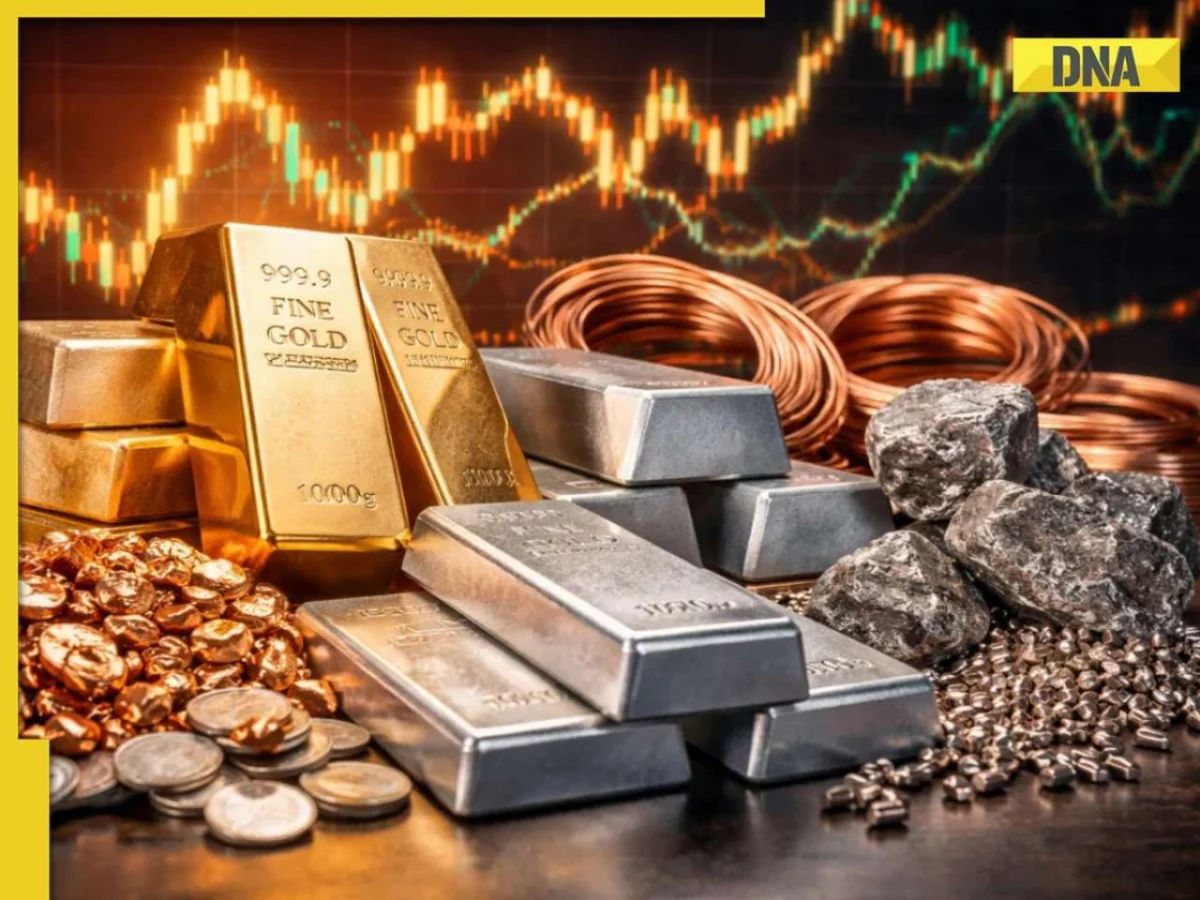
NEW DELHI, India – May 16, 2026 – The Indian precious metals market continues its intricate dance with global economic forces and domestic demand, reflecting a nuanced landscape for investors and consumers alike. As of May 16, 2026, gold and silver prices in India are charting a course influenced by a confluence of international market trends, shifting currency valuations, and persistent inflationary pressures. This dynamic environment necessitates a detailed examination of current rates, underlying drivers, historical context, and expert outlooks.
The Current Snapshot: Gold and Silver Prices on May 16, 2026
Today, the Indian bullion market presents a mixed picture, with gold experiencing a slight upward nudge, while silver maintains a robust position, driven by both investment and industrial demand. The yellow metal, a perennial favourite for both investment and adornment, has seen its value buoyed by global demand and inflationary concerns, making it a compelling asset in uncertain economic times. Silver, often seen as gold’s more volatile counterpart, continues to command significant interest, especially given its increasing utility in industrial applications alongside its traditional role in jewellery and investment.
Gold Prices Across India (May 16, 2026):
- 24K Gold (999 Purity):
- All India Average: ₹16,234 per 1 gram
- Mumbai: ₹16,234 per 1 gram
- Kolkata: ₹16,234 per 1 gram
- Delhi: ₹16,227 per 1 gram
- Chennai: ₹16,419 per 1 gram
- 22K Gold (91.67% Purity, Jewellery Standard):
- All India Average: ₹14,881 per 1 gram
- Mumbai: ₹14,881 per 1 gram
- Kolkata: ₹14,881 per 1 gram
- Delhi: ₹14,886 per 1 gram
- Chennai: ₹15,051 per 1 gram
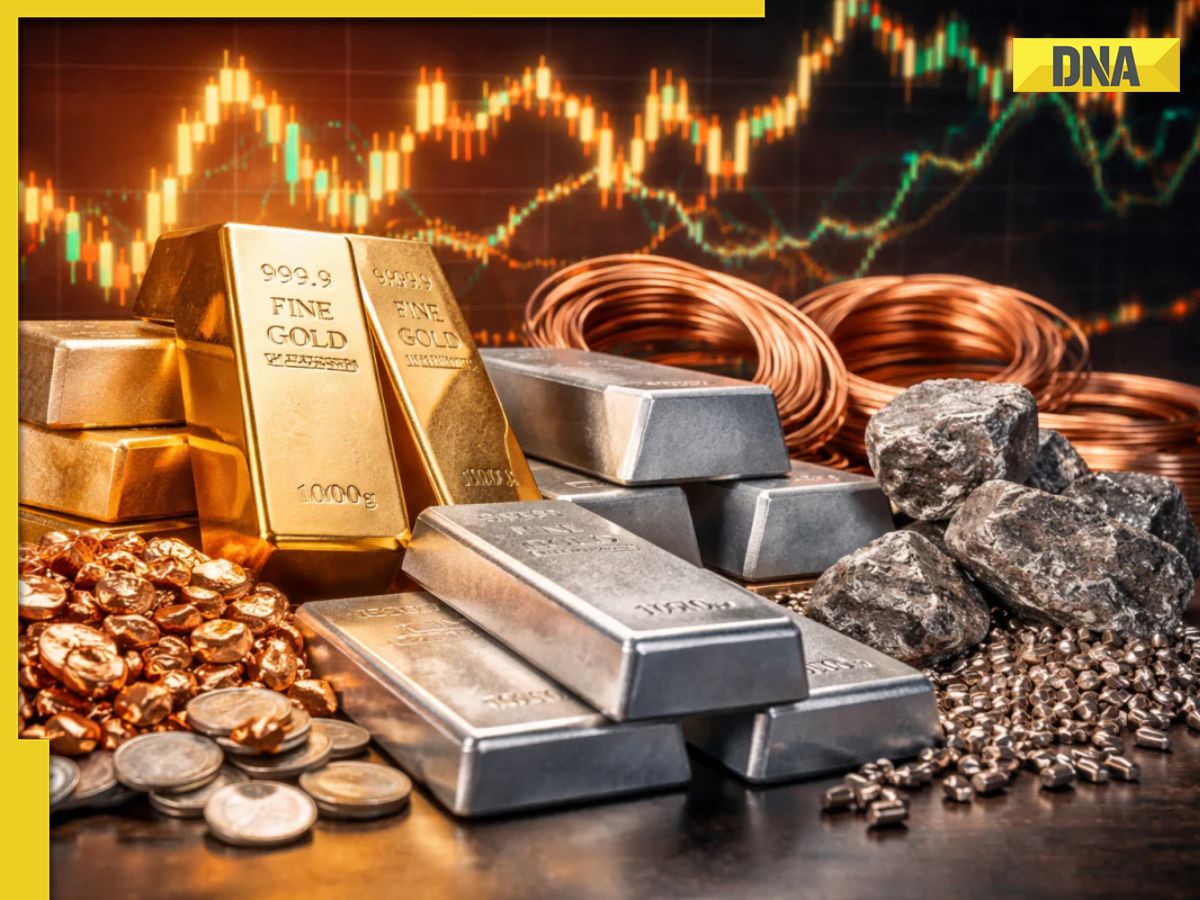
Silver Prices Across India (May 16, 2026):
)
- Silver 999 (Pure Silver):
- All India Average: Approximately ₹2,99,900 per kilogram
- Delhi: ₹2,999 per 10 grams (equivalent to ₹2,99,900 per kilogram)
- Mumbai: ₹2,999 per 10 grams (equivalent to ₹2,99,900 per kilogram)
- Kolkata: ₹2,999 per 10 grams (equivalent to ₹2,99,900 per kilogram)
- Chennai: ₹2,999 per 10 grams (equivalent to ₹2,99,900 per kilogram)
- Silver 925 (Sterling Silver):
- All India Average: Approximately ₹3,10,100 per kilogram
These figures underscore the dynamic nature of the market, with slight variations observed across major Indian cities, primarily due to local taxes, transportation costs, and specific market premiums. Chennai, for instance, often sees slightly higher gold prices reflecting unique regional demand patterns and logistical factors.
A Look Back: Chronology of Precious Metal Trends Leading to May 2026
The journey of gold and silver prices to their current levels on May 16, 2026, has been shaped by a series of interconnected global and domestic events over the preceding years. The post-pandemic economic recovery, marked by unprecedented fiscal and monetary stimuli, laid the groundwork for a period of heightened inflation, initially dismissed as "transitory" but proving to be persistent.

2023-2024: The Inflationary Surge and Safe-Haven Demand:
The years 2023 and 2024 were characterized by central banks worldwide grappling with elevated inflation. Aggressive interest rate hikes by the US Federal Reserve, the European Central Bank, and the Reserve Bank of India (RBI) initially put downward pressure on non-yielding assets like gold. However, geopolitical tensions, including ongoing conflicts in Eastern Europe and increasing volatility in the Middle East, quickly reasserted gold’s role as a safe-haven asset. Investors flocked to the yellow metal amidst fears of global economic instability and currency depreciation. Silver, too, benefited from this sentiment, albeit with added volatility due to its dual role as an industrial metal. Supply chain disruptions and energy crises further complicated the picture, contributing to cost-push inflation.
2025: Economic Rebalancing and Industrial Resurgence:
As 2025 unfolded, many economies began to show signs of rebalancing, with inflation cooling from its peaks, yet remaining above central bank targets in several regions. This period saw a cautious optimism emerge regarding a "soft landing" for the global economy, averting a deep recession. For gold, this meant a slight moderation in its relentless upward trajectory, but underlying demand from central banks, which continued to diversify reserves away from fiat currencies, provided a strong floor.
)
Silver, however, truly began to shine in 2025 due to a significant surge in industrial demand. The global push towards green energy initiatives, particularly solar power, and the burgeoning electric vehicle (EV) sector, saw a dramatic increase in the consumption of silver. Its superior electrical and thermal conductivity made it indispensable in these rapidly expanding industries, pushing prices upwards even as general economic growth was moderate. In India, a relatively stable rupee against the dollar and consistent domestic demand, especially during key festive and wedding seasons, provided consistent support for both metals.
Early 2026: Continued Momentum and Anticipation:
Entering 2026, the market carried forward the momentum from the previous year. Gold continued to derive strength from lingering inflationary concerns, the possibility of future interest rate cuts by major central banks (though not yet materialized), and persistent geopolitical uncertainties. Silver’s industrial demand remained robust, with projections for solar and EV manufacturing continuing to grow. The Indian market mirrored these global trends, with local sentiment heavily influenced by the rupee’s stability and the approach of the Akshaya Tritiya festival, a traditional period of significant gold purchases. The slight rise in gold prices on May 16, 2026, is a direct continuation of these trends, reflecting a market that anticipates continued economic shifts and strategic investment.
)
Supporting Data and Key Influencing Factors
The intricate pricing mechanisms of gold and silver are governed by a complex interplay of several factors, both macro and micro. Understanding these elements is crucial for comprehending the current market dynamics.
1. Global Market Trends: The Macro Picture
- US Dollar Strength/Weakness: The US Dollar Index (DXY) remains a pivotal determinant. A stronger dollar typically makes dollar-denominated commodities like gold and silver more expensive for holders of other currencies, potentially dampening demand. Conversely, a weaker dollar makes them cheaper and more attractive. In May 2026, the dollar’s relative stability against a basket of major currencies has allowed gold to find its footing without significant currency headwinds.
- International Spot Prices: Benchmark prices on exchanges like COMEX (New York) and the London Bullion Market Association (LBMA) are the primary drivers. Any significant movement in these global benchmarks immediately translates to Indian prices, adjusted for currency exchange rates and local duties.
- Geopolitical Events: Ongoing geopolitical tensions, trade disputes, or conflicts in critical regions consistently elevate gold’s safe-haven appeal. The global political landscape in 2026 remains fraught with uncertainties, prompting investors to seek stability in precious metals.
- Global Economic Outlook: Fears of recession, or conversely, strong global growth, impact investment sentiment. In a high-growth, high-interest-rate environment, gold might struggle against yielding assets. However, current global growth projections, while positive, carry underlying concerns about inflation and market stability, which favour precious metals.
- Central Bank Policies: Decisions by major central banks regarding interest rates, quantitative easing, or tightening directly affect the attractiveness of gold. Higher interest rates increase the opportunity cost of holding non-yielding assets like gold, while lower rates make gold more appealing. The market in 2026 is keenly watching for any signals regarding future rate cuts.
- Inflationary Expectations: Gold is widely considered a hedge against inflation. As global inflationary pressures persist, albeit at a moderated pace compared to 2023, investors continue to allocate capital to gold to preserve purchasing power.
2. Domestic Demand in India: The Cultural and Economic Bedrock
- Cultural Significance: India’s deep-rooted cultural affinity for gold, especially during weddings and festivals like Diwali, Akshaya Tritiya, and Dhanteras, creates an inelastic demand floor. Gold is not just an investment but a symbol of prosperity, security, and tradition.
- Investment vs. Jewellery Demand: While jewellery accounts for a significant portion of gold consumption, investment demand (physical bars/coins, Sovereign Gold Bonds, Gold ETFs, digital gold) has grown substantially. This diversification in demand sources lends resilience to the market.
- Rural vs. Urban Consumption: Rural India’s demand for gold is heavily influenced by agricultural income and monsoon performance. A good monsoon generally translates to higher rural disposable income and, consequently, increased gold purchases. Urban demand is more aligned with disposable income, wealth management strategies, and fashion trends.
- Currency Exchange Rates (INR vs. USD): The exchange rate between the Indian Rupee and the US Dollar is a critical factor. Since international gold is priced in dollars, a depreciation of the rupee makes gold imports more expensive in local currency terms, pushing up domestic prices. Conversely, a stronger rupee can moderate price increases. The RBI’s interventions and overall economic health play a significant role here.
3. Industrial Demand for Silver: A Modern Catalyst
- Green Energy Transition: Silver’s exceptional conductivity makes it indispensable in solar photovoltaic cells. The aggressive global push for renewable energy, especially solar power, is driving unprecedented demand for silver.
- Electronics and Electric Vehicles: Silver is a crucial component in various electronic devices, from smartphones to circuit boards, and is increasingly used in electric vehicles for battery connections and various electrical contacts. The rapid expansion of these sectors provides a robust, long-term demand outlook for silver.
- Medical and Photography: While less dominant than industrial uses, silver still finds applications in medical instruments, certain photographic processes, and water purification.
- Supply-Side Factors: Global mining output, recycling rates, and existing stockpiles also play a role. Any disruptions in mining operations or changes in recycling efficiency can impact supply and, consequently, prices.
Official Responses and Expert Perspectives
The dynamic nature of the precious metals market elicits varied responses from industry experts, economists, and regulatory bodies.
)
Dr. Alok Sharma, Chief Economist at Zenith Financial Services, notes, "The current environment is a textbook case for gold’s appeal. Persistent inflation, even if moderating, coupled with geopolitical fissures, ensures its role as a hedge. What’s particularly interesting is the divergence in drivers: gold is primarily a monetary and safe-haven asset, while silver’s narrative is increasingly dominated by its industrial future. This duality offers unique opportunities for investors."
Ms. Priya Singh, President of the All India Jewellers Association, highlights the domestic perspective: "For Indian consumers, gold is an emotion. Despite price fluctuations, demand remains resilient, particularly during auspicious periods. We are seeing a steady shift towards lighter, more contemporary designs, but the underlying cultural significance ensures a stable base demand. The slight price variations across cities reflect local taxes and logistical overheads, but the overarching trend is set by global benchmarks and the rupee’s strength."
)
On the regulatory front, the Reserve Bank of India (RBI), while not directly controlling gold and silver prices, influences the market through its monetary policy and foreign exchange management. Efforts to stabilize the rupee, manage inflation, and promote formal gold investment avenues like Sovereign Gold Bonds (SGBs) indirectly shape market dynamics. The government’s emphasis on hallmarking (BIS certification) continues to reassure consumers about purity, fostering trust and transparency in the market. There has also been a continued push to curb illicit gold trade through stricter import regulations and vigilance.
Mr. Rajesh Gupta, a veteran bullion trader in Mumbai, observes, "We’ve seen healthy trading volumes for both gold and silver. There’s an underlying bullish sentiment for silver driven by its industrial demand, which appears sustainable. Gold is holding firm, with any dip quickly bought into, suggesting strong confidence from institutional investors and retail buyers alike. The market is keenly awaiting signals from global central banks on interest rate trajectories, which could be the next major catalyst for price movements."
)
Implications: Future Outlook and Investment Strategies
The current market conditions and underlying drivers have significant implications for various stakeholders, from individual investors to the broader Indian economy.
1. For Investors: Diversification and Strategic Allocation
- Gold as a Safe Haven: Gold remains a critical component of a diversified investment portfolio, particularly in times of economic uncertainty and geopolitical instability. Its negative correlation with traditional financial assets like equities and bonds makes it an excellent hedge.
- Silver’s Dual Appeal: Silver offers a unique blend of safe-haven characteristics and industrial growth potential. Its higher volatility compared to gold can lead to greater returns, but also higher risks. Investors looking for exposure to the green energy transition might find silver particularly attractive.
- Investment Avenues: Beyond physical gold (bars, coins, jewellery), investors in India have access to Sovereign Gold Bonds (SGBs) – government-backed securities that offer interest and capital appreciation without the risks of storage or purity concerns. Gold Exchange Traded Funds (ETFs) and digital gold platforms provide convenient and liquid alternatives for paper gold investments.
- Long-Term vs. Short-Term: Long-term investors often view gold as a wealth preservation tool against inflation and currency debasement. Short-term traders might capitalize on price volatility, but this carries higher risk.
2. For Consumers: Purity, Timing, and Budgeting
- Purity Assurance: The mandatory hallmarking for gold jewellery in India provides consumers with assurance regarding the purity of their purchases, fostering trust in jewellers.
- Timing Purchases: While cultural events often dictate purchase timing, astute consumers might monitor global and domestic price trends to make more informed decisions, potentially saving significant amounts, especially for large purchases like wedding jewellery.
- Budgeting: Given the elevated prices, budgeting for gold and silver purchases, particularly for jewellery, becomes crucial. Consumers are increasingly exploring options like gold saving schemes offered by jewellers or considering lighter designs.
3. For the Indian Economy: Trade Balance and Household Savings
- Current Account Deficit: India is a major importer of gold, and high gold prices, coupled with strong domestic demand, can exert pressure on the country’s current account deficit. Government policies, such as import duties, are often adjusted to manage this balance.
- Household Savings: Gold has historically served as a significant component of household savings in India, particularly in rural areas where access to formal financial instruments might be limited. This acts as a crucial safety net for many families.
- Gold Monetization Schemes: Government initiatives like the Gold Monetization Scheme (GMS) aim to mobilize idle gold lying with households and institutions, reducing reliance on imports and recycling domestic gold. The success of such schemes can have a positive impact on the economy.
Conclusion
As of May 16, 2026, the Indian gold and silver markets stand at a fascinating juncture. Gold, buoyed by its traditional role as a safe haven against inflation and geopolitical uncertainties, maintains a steady upward trajectory. Silver, on the other hand, is increasingly distinguishing itself through robust industrial demand, particularly from the burgeoning green energy and electronics sectors, adding a layer of growth potential to its investment appeal.
)
The intricate dance between global economic forces, central bank policies, the strength of the US Dollar, and India’s unique domestic demand patterns will continue to shape the trajectory of these precious metals. For investors, understanding these complex interdependencies is key to strategic allocation. For consumers, awareness of market trends and the assurance of purity will continue to guide their culturally significant purchases. The precious metals market remains a vibrant and essential component of India’s financial and cultural landscape, promising continued intrigue and opportunity in the months and years ahead.
