

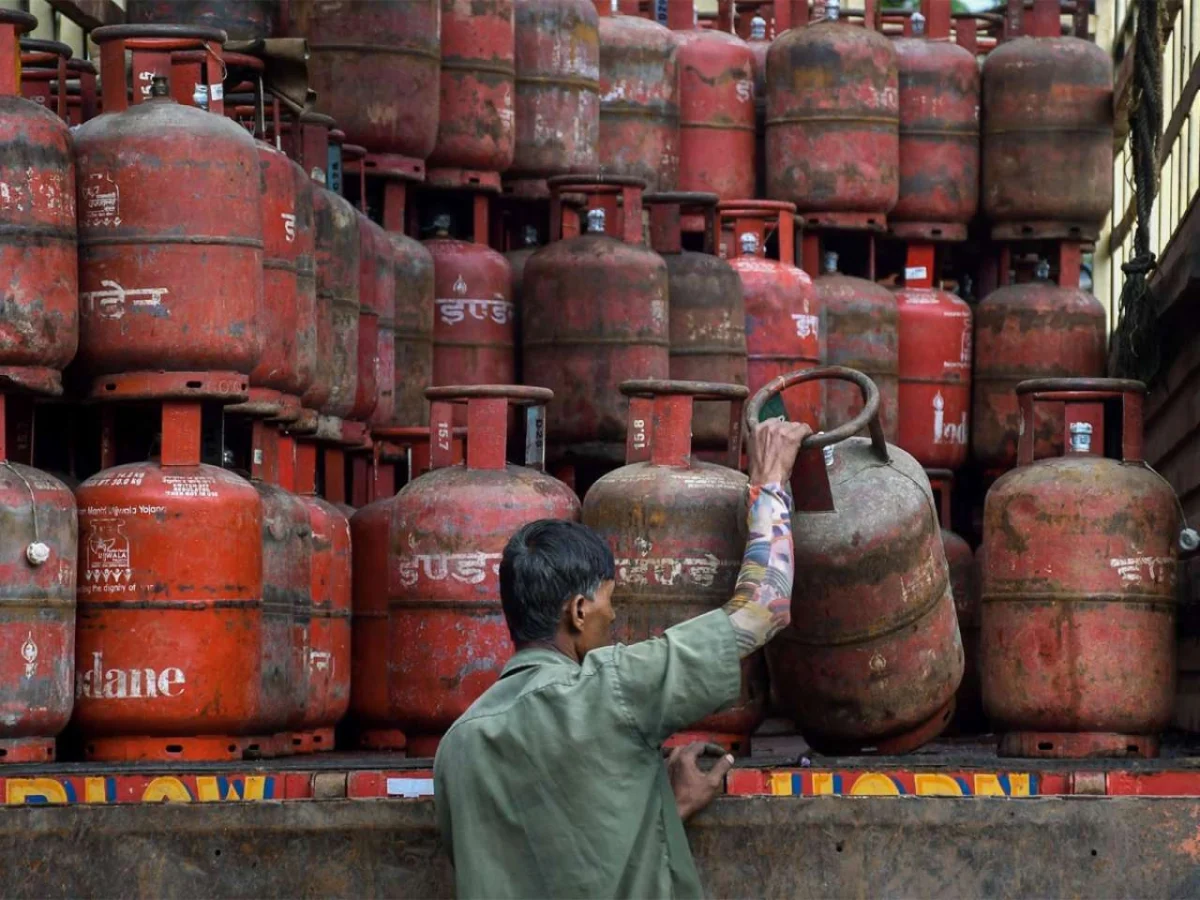
New Delhi, July 1, 2026 – In a significant move poised to invigorate the nation’s beleaguered food and beverage industry, the Indian government, through state-owned oil companies, has announced a substantial reduction in the price of 19-kg commercial Liquefied Petroleum Gas (LPG) cylinders. Effective today, July 1, 2026, commercial LPG cylinders will see their prices slashed by a notable Rs 183.50, offering a much-needed reprieve to restaurants, hotels, dhabas, and a myriad of other commercial enterprises that have grappled with escalating operational costs in recent months.
This decision marks a pivotal moment, signaling a potential stabilization in energy markets and a strategic response to the economic pressures faced by businesses. While commercial users celebrate this relief, the price of 14.2-kg domestic LPG cylinders remains unchanged at Rs 942, continuing to insulate household consumers from market volatilities for the time being.
The Immediate Impact: A Welcome Respite for Businesses
The announcement brings immediate financial relief across the commercial spectrum. A 19-kg commercial LPG cylinder, previously priced at Rs 3,113.50, will now cost Rs 2,930. This reduction, a direct outcome of eased supply constraints and improved domestic output, is expected to positively influence the profit margins of establishments heavily reliant on LPG for their daily operations. From high-end hotels to roadside eateries, the F&B sector, a significant employer and economic contributor, has been under immense strain due to persistently high fuel costs.
Industry analysts are quick to point out that this price correction is not merely a numerical adjustment but a strategic intervention that could stimulate demand, encourage expansion, and potentially lead to a moderation in menu prices, thereby benefiting the end consumer. The move is seen as a clear signal from the government of its commitment to supporting businesses and fostering an environment conducive to economic recovery.
)
Chronology of Crisis: Navigating the Geopolitical Storm
The journey to this current price cut has been fraught with challenges, tracing back to a severe global energy crisis that gripped markets earlier this year. The catalyst was a series of US and Israeli strikes on Iran on February 28, 2026, which dramatically escalated geopolitical tensions in the West Asian region. In response to these attacks, Iran initiated a critical blockade of crude oil and gas shipments through the strategically vital Strait of Hormuz – a narrow maritime chokepoint through which a significant portion of the world’s oil supply passes.
This sudden and unprecedented disruption of supply channels sent shockwaves across the global energy landscape. Nations heavily dependent on imported hydrocarbons, like India, found themselves particularly vulnerable. The immediate aftermath saw petrol, diesel, and natural gas prices surge worldwide, creating an inflationary spiral that impacted every sector of the economy.

Escalating Costs: The Burden on Commercial and Domestic Consumers
The commercial LPG sector bore the brunt of this crisis, experiencing four consecutive price hikes that cumulatively added a staggering Rs 1374.50 to the cost of a 19-kg cylinder.
)
- March 2026: Oil marketing companies (OMCs), citing major losses due to procurement costs, raised prices by Rs 144.
- April 2026: Another significant increase of Rs 195.50 followed, further squeezing commercial establishments.
- May 2026: The most substantial hike occurred, with prices soaring by Rs 993, reflecting the peak of the supply crunch and market panic.
- June 2026: A final increase of Rs 42 was implemented, solidifying the immense financial pressure on businesses.
Domestic consumers, while partially shielded, also felt the pinch. The price of a 14.2-kg domestic LPG cylinder rose by Rs 89 in two steps:
- March 2026: An initial hike of Rs 60.
- June 2026: A further increase of Rs 29.
These successive price adjustments underscored India’s profound vulnerability to international energy market fluctuations, particularly when geopolitical events impact crucial supply routes. The government’s immediate response focused on safeguarding household consumption, leading to severe restrictions on commercial LPG supplies.
)
Supporting Data: City-Wise Price Revisions
The nationwide reduction in commercial LPG prices has translated into revised rates across major Indian cities, bringing welcome relief to local businesses.
- Delhi: The price of a 19-kg commercial LPG cylinder now stands at Rs 2,930, a considerable drop from its previous Rs 3,113.50.
- Lucknow: Businesses in the Uttar Pradesh capital will now pay Rs 3,052.50, down from Rs 3,236.
- Kolkata: The revised rate in the eastern metropolis is Rs 3,081.50, a significant reduction from Rs 3,255.50.
- Patna: The capital of Bihar sees its 19-kg commercial cylinder priced at Rs 3,227, reflecting the national trend of price moderation.
These city-specific reductions illustrate the widespread impact of the government’s decision, promising a uniform easing of operational burdens for commercial entities across diverse geographical regions.
)
In a related development concerning the broader energy landscape, the central government has also amended petrol export rules. Effective July 1, the Special Additional Excise Duty (SAED) on petrol exports has been increased from Rs 1.5 per litre to Rs 4 per litre. This adjustment is likely part of a comprehensive strategy to manage domestic fuel availability and potentially generate revenue, even as global energy markets show signs of stabilization.
Official Responses: Prioritizing Stability and Supply
The Petroleum Ministry has been at the forefront of managing the energy crisis and communicating policy adjustments. In its official statement announcing the LPG price cut, the Ministry highlighted the removal of all sectoral restrictions on the supply of non-domestic packed LPG. This decision, it stated, was driven by "better domestic output and expected arrivals of imported LPG cargoes." Furthermore, bulk LPG supply, which had been completely halted at the onset of the crisis, has now partially restarted, reaching 50% of its pre-crisis consumption levels.
)
"In a major relief to industrial and commercial LPG consumers, the government has removed all sectoral restrictions on the supply of non-domestic packed LPG and restored supplies to the levels prevailing prior to the West Asia crisis," the Petroleum Ministry statement affirmed.
This policy reversal is a direct consequence of the improving supply situation. During the peak of the West Asia crisis, which saw LPG shipments from the region – accounting for approximately 90% of India’s cooking gas imports – severely disrupted, the government took stringent measures. To safeguard the availability of cooking gas for households, commercial LPG supply to hotels, restaurants, and industrial users was initially suspended, with available stocks redirected to domestic consumers. Subsequently, supplies were restored in phases, reaching around 70% of normal levels. However, several commercial sectors continued to face cuts of up to 50% of their usual quota as authorities meticulously managed fuel stocks amid persistent uncertainties over import availability. The current announcement, therefore, signifies a return to normalcy, or at least a significant step in that direction, for commercial consumers.
)
Implications: Economic Revival and Future Energy Security
The ramifications of this commercial LPG price cut extend far beyond the immediate financial relief. It represents a critical step towards economic stabilization and growth, particularly for sectors that were severely impacted by the energy crisis.
Stimulating the Food and Beverage Industry: The F&B sector, a vibrant component of India’s service economy, has been among the hardest hit. Restaurants and hotels operate on tight margins, and the significant increase in LPG costs directly impacted their profitability, forcing many to either absorb losses, increase menu prices, or even scale down operations. This price cut offers them breathing room, potentially encouraging investment, expansion, and the creation of new jobs. A robust F&B sector also has positive ripple effects on associated industries like agriculture, logistics, and tourism.
)
Easing Inflationary Pressures: High energy prices are a primary driver of inflation. By reducing commercial LPG costs, the government is taking a direct step to cool inflationary pressures. This could lead to a more stable pricing environment for goods and services, improving consumer purchasing power and confidence.
Government’s Proactive Stance on Energy Security: The crisis underscored India’s reliance on imported energy and the fragility of global supply chains. The government’s actions – from imposing restrictions to now easing them based on improved domestic output and import projections – demonstrate a dynamic approach to energy security. This event could accelerate efforts towards diversifying energy sources, investing in domestic production, and exploring alternative fuels to mitigate future shocks.
)
Building Business Confidence: Consistent policy support is crucial for business confidence. The government’s timely intervention and transparent communication about the reasons for both the hikes and the subsequent reduction help build trust among businesses. This stability is vital for long-term investment planning and economic growth.
Expert Perspectives: Economists and industry leaders have largely welcomed the move. Dr. Anjali Sharma, a leading energy economist, commented, "This is a timely intervention. The F&B sector was bleeding, and this relief will allow them to stabilize and perhaps even innovate. It also signals that global supply chains are recovering, which is good news for India’s overall import bill." Similarly, the President of the National Restaurant Association of India stated, "Our members have been struggling. This price cut provides significant operational relief and allows us to focus on growth and serving our customers better. We hope to see this stability continue."
)
Lessons Learned and Future Outlook: The West Asia crisis and its impact on India’s energy sector serve as a stark reminder of the interconnectedness of global geopolitics and domestic economics. While the immediate crisis appears to be receding, the incident will likely prompt a re-evaluation of India’s long-term energy strategy. This could include further investments in renewable energy, strengthening strategic petroleum reserves, and forging stronger bilateral energy partnerships to ensure greater resilience against future international disruptions. The partial resumption of bulk LPG supply and improved domestic output are positive indicators, but sustained vigilance and strategic planning remain paramount.
The government’s decision to slash commercial LPG prices is more than just a financial adjustment; it is a calculated move to inject vitality into critical economic sectors, manage inflationary pressures, and reinforce confidence in a recovering energy market. As India navigates the complex post-crisis landscape, this step is poised to play a crucial role in its journey towards sustained economic growth and enhanced energy security.
