

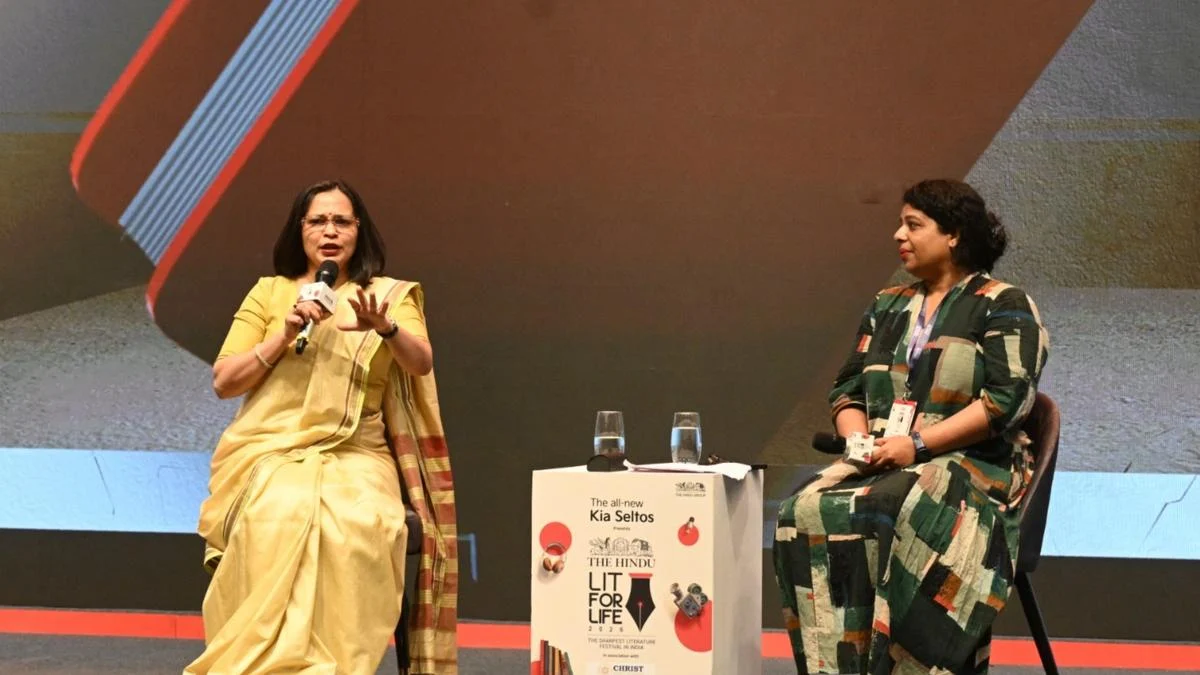
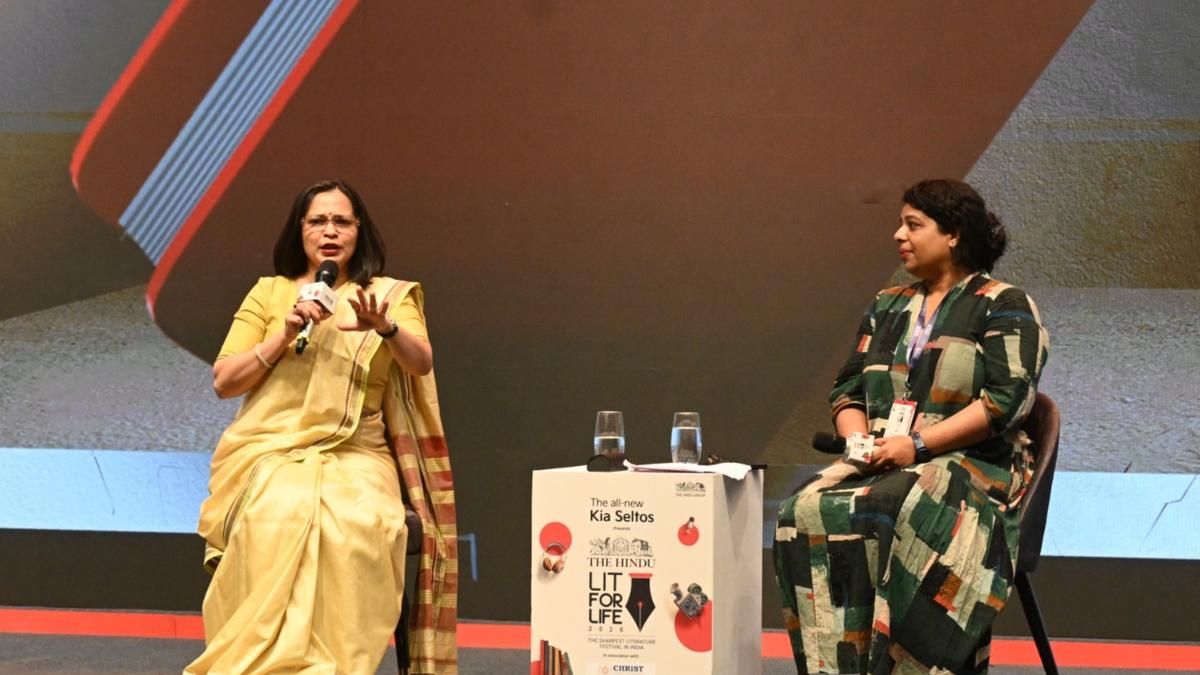
Chennai, India – January 19, 2026 – In an era saturated with fleeting wellness trends and the pervasive influence of social media on health advice, celebrity nutritionist and author Rujuta Diwekar delivered a potent reminder of enduring health principles at The Hindu Lit for Life Festival 2026. In a captivating conversation with Shonali Muthalaly, Editor of The Hindu MetroPlus, The Hindu Weekend, and The Hindu Cinema, Diwekar dismantled the complexities of modern dieting, advocating for a return to localized, traditional, and whole-food-based approaches to well-being. The session, titled "Why Dieting Made Us Fat: On Weight Loss, Metabolism and Why Food is Not the Enemy," resonated deeply with an audience grappling with the often-conflicting narratives surrounding health and nutrition.
The Unchanging Core of Diwekar’s Philosophy
For over two decades, Rujuta Diwekar has championed a consistent message: embrace local, seasonal, and traditional foods, integrate regular physical activity into your routine, and prioritize adequate sleep. This steadfastness was a point of admiration for Shonali Muthalaly, who noted, "We have known each other for 15 years since your first book. And I admire the fact that your messaging hasn’t changed at all."
Diwekar, in turn, underscored the escalating importance of her core tenets. "It is more important than ever to speak about local, seasonal, traditional," she declared, "because everyone can see that time and again, the messaging of the weight loss industry, the food industry, and now even the pharma industry and beauty industry keeps changing. They want us to adhere to a new standard every single day." This constant flux, she argued, has not only left individuals more confused but demonstrably less healthy.
The Pernicious Influence of Social Media and the "Herd Mentality"
A significant portion of Diwekar’s critique was directed at the detrimental impact of social media on public health perception. She lamented the proliferation of "Instagram influencers who have no clue" dispensing advice, leading to a collective "herd mentality" where individuals blindly follow one trend after another. "And we are like cattle, being fooled by a herd mentality," she stated emphatically. "We are just following one trend and another, and as the title of this talk says, getting fatter."
This reliance on unqualified online personalities, Diwekar suggested, diverts attention from evidence-based practices and the wisdom embedded in our cultural heritage. The curated realities presented on social media, often enhanced by filters, warp our self-perception and promote unrealistic beauty standards. This was further illustrated by a discussion on the deluge of skincare routine videos, a trend Diwekar dismisses as superficial and ultimately unhelpful in achieving genuine well-being.
Beyond Weight Loss: A Holistic Approach to Health
The session transcended a simple discussion on weight management, delving into broader aspects of health and self-perception. Diwekar challenged the pervasive notion that achieving fitness is solely a matter of "discipline and willpower." She argued that this perspective often stems from privilege and a misunderstanding of the systemic factors that influence health.
"This whole belief that we have that it takes discipline and willpower to get fit is a misunderstood one, coming out of privilege and not really understanding," she asserted. Diwekar stressed that true national health improvement hinges on robust public policies rather than individualistic efforts focused on gyms and supplements.
Systemic Change: The True Drivers of National Health
Diwekar articulated a powerful argument for prioritizing societal-level interventions that foster a healthier population. She highlighted the critical role of policies that address:
- Environmental Protection: Measures to combat air pollution are paramount, as environmental toxins significantly impact respiratory and overall health.
- Maternal and Child Health: Improved healthcare access and support for mothers and children are foundational for a healthy future generation.
- Gender Equality: Empowering women and ensuring equitable opportunities contribute to better health outcomes across families and communities.
- Regulation of Harmful Products: Stricter regulations on junk food, alcohol, and tobacco are essential to curb the rise of non-communicable diseases.
"That is the stuff that improves the health of a nation, and not gyms, protein shakes and probiotics," Diwekar declared, drawing a clear line between individualistic fitness pursuits and the broader, more impactful drivers of public health. Her emphasis on these macro-level factors underscores a belief that sustainable well-being is a collective responsibility, nurtured by supportive societal structures.
The Protein Craze and the Undermining of Traditional Wisdom
The ongoing "protein craze" also came under scrutiny. Diwekar suggested that this trend, fueled by marketing and the desire for quick fixes, often overlooks the nuanced nutritional needs of individuals and the inherent completeness of traditional food systems. The relentless pursuit of thinness, she cautioned, can paradoxically lead to a narrowing of perspective, preoccupying individuals with superficial goals at the expense of deeper, more meaningful engagement with life.

She advocated for a re-evaluation of age-old cultural practices surrounding food, recognizing their inherent wisdom in providing balanced nutrition and fostering a healthy relationship with eating. Instead of fixating solely on weight loss, Diwekar encouraged the audience to pose bigger questions about their overall health and well-being, fostering a more mindful and sustainable approach to living.
The Hindu Lit for Life: A Platform for Discourse
The Hindu Lit for Life festival, presented by The all-new Kia Seltos and supported by a robust network of educational institutions, financial organizations, and media partners, provided a crucial platform for such vital discussions. The event’s commitment to fostering intellectual exchange across diverse fields, including health and wellness, underscores its significance in the cultural landscape.
This year’s festival, with its diverse array of speakers and engaging sessions, reaffirmed the power of dialogue in challenging conventional wisdom and inspiring positive change. Rujuta Diwekar’s presence and her incisive commentary served as a powerful catalyst, urging attendees to re-examine their relationship with food, health, and the ever-evolving landscape of wellness advice, ultimately advocating for a more grounded, culturally relevant, and holistic approach to living a healthy life. The message was clear: in the quest for well-being, looking back to our roots and forward to systemic solutions offers a more promising path than chasing ephemeral trends.
