

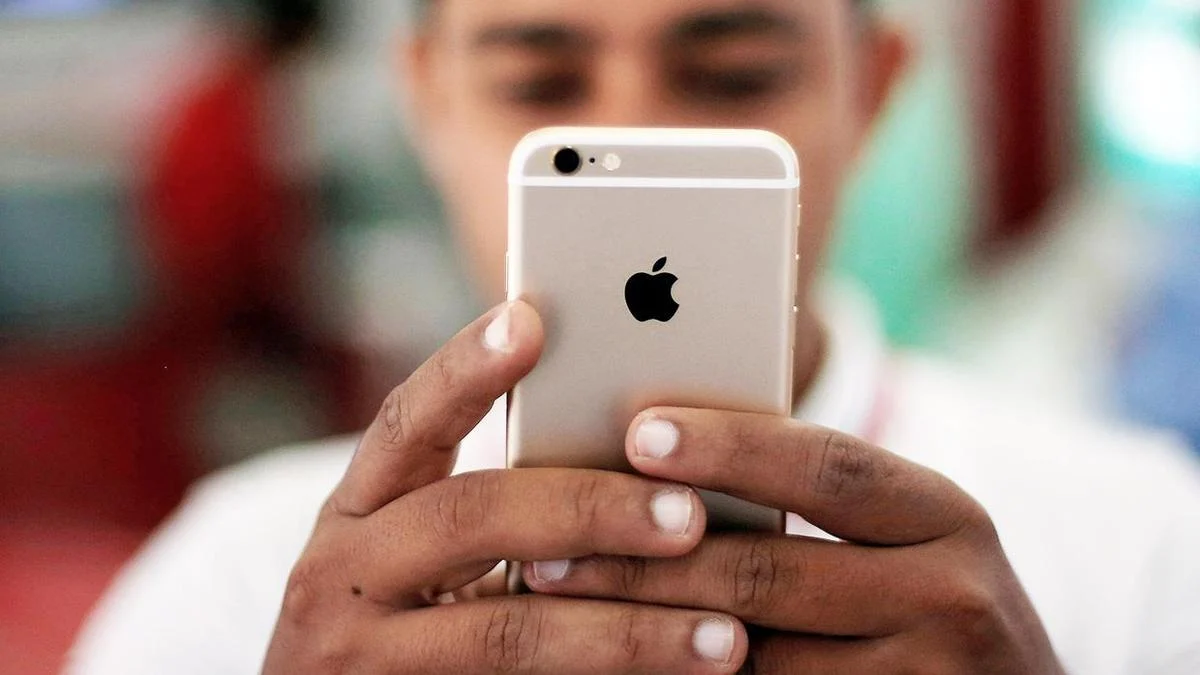
New Delhi, June 16, 2026 – India stands at the precipice of an unparalleled digital revolution, marked by a staggering surge in mobile data consumption and a record-breaking pace of 5G adoption. According to the recently released June 2026 Ericsson Mobility Report, the average Indian smartphone user now consumes an astonishing 37 GB of mobile data per month, a figure projected to nearly double to an astounding 70 GB within the next five years. This meteoric rise underscores India’s insatiable appetite for digital connectivity and positions the nation as a global powerhouse in mobile data usage.
Beyond the sheer volume of data, the report paints a vibrant picture of India’s rapid embrace of 5G technology. The nation is on track to achieve more than 1.1 billion 5G subscriptions by the end of 2031, representing a remarkable 81 percent penetration among all mobile subscriptions. This swift transition is attributed to a confluence of factors, including the widespread availability of affordable 5G devices, extensive network coverage across the vast geography, and the burgeoning uptake of Fixed Wireless Access (FWA) services, which are democratizing high-speed internet access in homes and businesses.
Unprecedented Growth in Mobile Data Consumption
The figure of 37 GB of mobile data per smartphone per month is not merely a statistic; it is a testament to the profound integration of digital life into the daily fabric of Indian society. This consumption rate places India among the global leaders, showcasing a population that has enthusiastically embraced the myriad possibilities offered by high-speed internet. From streaming high-definition video content and engaging in immersive online gaming to participating in virtual meetings, conducting e-commerce transactions, and staying connected through a multitude of social media platforms, the Indian consumer’s digital footprint is expanding exponentially.
The projected leap to 70 GB per month within half a decade is an even more striking indicator of future trends. This anticipated surge is predicated on several key drivers. Firstly, the deepening penetration of 5G will unlock new applications and services that demand higher bandwidth and lower latency, such as augmented reality (AR) and virtual reality (VR) experiences, advanced cloud gaming, and more sophisticated IoT (Internet of Things) deployments. Secondly, the increasing sophistication of digital content, moving towards 4K and 8K video resolutions, will inherently require more data. Thirdly, the ongoing digital transformation across various sectors, including education, healthcare, and finance, will further embed digital tools into daily routines, making data consumption an indispensable part of modern living. This trajectory suggests a future where mobile connectivity is not just a convenience but a foundational utility, essential for participation in the digital economy and society.
The Chronology of India’s Digital Transformation
India’s journey to becoming a mobile data giant is a story of gradual evolution, punctuated by revolutionary shifts that have reshaped its telecommunications landscape.
From 2G to 4G: A Foundation Laid
The early 2000s saw the nascent stages of mobile telephony in India, dominated by 2G networks primarily focused on voice calls and basic SMS services. Data, if at all consumed, was minimal and expensive. The subsequent arrival of 3G technology around 2008-2010 introduced the concept of mobile internet to a wider audience, enabling basic browsing and early smartphone adoption. However, it was the advent of 4G, particularly with the entry of Reliance Jio in 2016, that truly democratized data access. Jio’s disruptive pricing strategy, offering unprecedentedly cheap or even free data for initial periods, triggered a tariff war that fundamentally altered the market. This period saw a massive migration from feature phones to smartphones and a paradigm shift from voice-centric mobile usage to data-driven consumption. Millions of first-time internet users came online, primarily through their mobile devices, laying a robust foundation for the digital leap that India is experiencing today. The competitive environment forced other operators to also drastically reduce data prices, making mobile internet accessible to virtually every segment of society and propelling India into the league of top data-consuming nations.
The Dawn and Acceleration of 5G
Building on the robust 4G infrastructure, India embarked on its 5G journey with ambitious plans. Following successful spectrum auctions, major telecom operators like Reliance Jio, Bharti Airtel, and Vodafone Idea began their 5G rollouts in late 2022. Initially focusing on major metropolitan areas, the deployment quickly scaled, demonstrating an aggressive expansion strategy. The Ericsson Mobility Report’s data highlights this rapid acceleration, noting that 5G subscriptions had already reached 430 million by the end of 2025, accounting for 35% of total mobile subscriptions. This pace of adoption is remarkable, often outstripping the initial rollout trajectories seen in many developed nations. The Indian market’s inherent scale, combined with competitive operator strategies and a population eager for technological advancements, has created fertile ground for 5G’s rapid proliferation. The speed at which consumers are upgrading to 5G-enabled devices and plans is a testament to the perceived value and tangible benefits that the new generation of mobile technology offers, from lightning-fast downloads to seamless streaming and enhanced online experiences.
Supporting Data and Market Dynamics
The figures presented in the Ericsson Mobility Report are not isolated statistics but part of a broader narrative of an economy and society undergoing profound digital transformation.
The 5G Subscription Boom: Projections and Drivers
The projection of 1.1 billion 5G subscriptions by 2031, achieving an 81% penetration rate, is a colossal testament to India’s digital future. This figure underscores the expectation that 5G will become the dominant mobile technology in the country, largely replacing older generations. Several critical factors are fueling this exponential growth:
- Affordable 5G Devices: The Indian smartphone market has been instrumental in this transition. Manufacturers, both global giants and domestic players, have flooded the market with a wide range of 5G-enabled devices across various price points. Aggressive competition, local manufacturing incentives, and increasing consumer awareness have made 5G smartphones accessible to a broader demographic, moving beyond early adopters to the mass market. This affordability is crucial in a price-sensitive market like India, ensuring that the benefits of 5G are not restricted to a select few.
- Extensive Network Coverage: Indian telecom operators have invested heavily and strategically in deploying 5G infrastructure. Their rollout strategies have been characterized by rapid expansion, aiming to cover not just urban centers but also tier-2 and tier-3 cities, and increasingly, rural areas. This extensive network coverage ensures that as more users acquire 5G devices, they can immediately benefit from the advanced network capabilities, thereby accelerating adoption rates and justifying the infrastructure investments.
- Growing Uptake of Fixed Wireless Access (FWA): FWA is emerging as a game-changer, particularly in addressing the "last-mile connectivity" challenge. Leveraging 5G infrastructure, FWA offers high-speed broadband internet to homes and small businesses without the need for traditional fiber optic cables, which can be expensive and time-consuming to deploy. For many areas where fiber rollout is impractical or delayed, FWA provides a quick, reliable, and cost-effective alternative to fixed broadband. It serves as a crucial bridge, bringing high-speed internet to underserved populations and fostering digital inclusion. FWA applications range from powering smart homes and enabling remote work to supporting educational initiatives and facilitating e-health services, demonstrating its versatility and broad appeal.
The Shifting Landscape: 4G’s Sunset, 5G’s Ascent
The report’s forecast regarding 4G subscriptions provides a clear illustration of this technological transition. From approximately 570 million 4G subscriptions in 2025, the number is expected to decline significantly to nearly 160 million by 2031. This dramatic shift indicates a mass migration of users from 4G to 5G.
This migration is driven by several compelling reasons. Users are increasingly seeking the superior speeds, lower latency, and enhanced reliability that 5G offers, particularly as their digital consumption patterns become more demanding. The availability of affordable 5G devices and attractive 5G data plans further incentivizes this upgrade. For telecom operators, this shift means a strategic re-evaluation of their network assets. Spectrum previously dedicated to 4G can be re-farmed for 5G, optimizing network efficiency and capacity. While 4G will continue to serve a segment of the population, particularly those in remote areas or with basic connectivity needs, it is clear that 5G will become the dominant standard. The remaining 160 million 4G users by 2031 are likely to represent a mix of those who primarily use feature phones, those with older smartphones, or those in regions where 5G deployment is still nascent, highlighting the persistent, albeit shrinking, digital divide.

Official Responses and Industry Outlook
The Ericsson Mobility Report’s findings are met with significant optimism from industry leaders and align perfectly with the government’s overarching digital vision for India.
Ericsson’s Perspective on India’s Digital Prowess
Nitin Bansal, MD, Ericsson India, articulated the company’s perspective on India’s digital trajectory, stating, "India’s rapidly growing 5G adoption based on enhanced mobile broadband and 5G FWA is transforming consumer experiences. The robust and secure 5G infrastructure in the country is driving inclusion, governance, and innovation at scale and is serving as a powerful foundation for Digital India."
Bansal’s statement underscores the multi-faceted impact of 5G. "Enhanced mobile broadband" signifies not just faster speeds but a fundamentally richer and more reliable internet experience, enabling everything from seamless video conferencing to immersive entertainment. The emphasis on "5G FWA" highlights its role in expanding internet access beyond traditional urban fiber networks, a crucial step towards bridging the digital divide. Furthermore, Bansal’s mention of 5G as a driver for "inclusion, governance, and innovation at scale" directly links the technology to national development goals. For instance, in governance, 5G can facilitate efficient delivery of public services, smart city initiatives, and real-time data collection. In inclusion, it ensures that more citizens have access to information, education, and economic opportunities. In innovation, it provides the high-speed, low-latency backbone necessary for emerging technologies like AI, IoT, and advanced robotics to flourish. Ericsson, as a key infrastructure provider, views India as a strategic market and a testament to the transformative power of 5G.
Government Vision and Operator Strategies
The Indian government’s ambitious "Digital India" initiative finds a potent ally in the widespread adoption of 5G. The government has actively supported the telecom sector through policy frameworks, timely spectrum auctions, and incentives for domestic manufacturing of telecom equipment and devices. The vision is to leverage digital infrastructure to foster economic growth, enhance public service delivery, and empower citizens. 5G is seen as a critical enabler for this vision, providing the necessary bandwidth and connectivity for smart cities, digital education platforms, telemedicine, and the expansion of the digital economy.
Major Indian telecom operators have responded with aggressive deployment strategies. Reliance Jio and Bharti Airtel, in particular, have been at the forefront of the 5G rollout, aiming for pan-India coverage. Their strategies involve competitive pricing, bundled services, and a focus on customer acquisition through seamless upgrade paths from 4G to 5G. These operators are not just building networks; they are building ecosystems that integrate connectivity with content, digital services, and enterprise solutions. The fierce competition among these players ensures continuous innovation, better service quality, and affordable access for consumers, all contributing to the rapid adoption rates observed in the Ericsson report. The economic impact of this expansion is also significant, creating jobs in infrastructure development, network maintenance, and the burgeoning digital services sector.
Broader Implications and Future Trajectories
India’s accelerating digital transformation, driven by massive data consumption and rapid 5G adoption, carries profound implications across economic, social, and technological spheres.
Economic and Social Impact
The surge in data consumption and 5G penetration is a powerful catalyst for economic growth. It fuels the expansion of the e-commerce sector, enabling small businesses to reach national and international markets. It supports the thriving startup ecosystem, particularly in areas like FinTech, EdTech, and HealthTech, which rely heavily on robust digital infrastructure. The ability to conduct business, access financial services, and learn online irrespective of geographical location democratizes opportunities and contributes to a more inclusive economy.
Socially, the impact is equally transformative. Enhanced connectivity facilitates access to educational resources, bridging learning gaps and promoting digital literacy. In healthcare, telemedicine becomes more viable, allowing remote consultations and monitoring, particularly beneficial for rural populations. Agriculture can leverage smart farming techniques, utilizing IoT sensors and data analytics for improved yields. The ubiquitous nature of high-speed internet enhances communication, strengthens community ties, and provides greater access to information, fostering a more informed and connected citizenry.
Challenges and Opportunities
Despite the glowing projections, India’s digital journey is not without its challenges. The massive infrastructure costs associated with 5G deployment, coupled with the high energy consumption of next-generation networks, pose significant hurdles. Bridging the remaining digital literacy gaps, particularly in rural and marginalized communities, remains crucial to ensure equitable access and utilization of digital services. Cybersecurity concerns will escalate with the increasing reliance on digital platforms, necessitating robust protective measures and regulatory frameworks. Furthermore, maintaining quality of service in incredibly dense urban environments, managing spectrum efficiently, and navigating complex regulatory landscapes will require continuous effort and innovation.
However, these challenges are dwarfed by the immense opportunities. 5G unlocks a new era of innovation, enabling cutting-edge applications in areas like the metaverse, advanced AR/VR, and autonomous systems. The growth of enterprise 5G, tailored for specific industry needs (e.g., smart factories, logistics), presents a massive market. The proliferation of IoT devices, from smart appliances to industrial sensors, will create vast networks of interconnected intelligence, all reliant on 5G’s capabilities. India has the potential to become a global leader in developing and exporting digital solutions, leveraging its large talent pool and rapidly expanding digital infrastructure.
India’s Role on the Global Digital Stage
India’s trajectory in mobile data consumption and 5G adoption positions it as a significant player on the global digital stage. The scale and speed of its digital transformation offer valuable lessons for other emerging economies. India’s ability to provide affordable, high-speed connectivity to over a billion people showcases a model of digital inclusion that is both robust and scalable. By demonstrating rapid innovation in device affordability, network deployment, and digital service adoption, India is not just catching up but, in many respects, leading the charge. This leadership extends to potential collaborations, knowledge sharing, and the export of its successful digital strategies and technologies to a world increasingly reliant on mobile connectivity. As the Ericsson Mobility Report unequivocally indicates, India is not just participating in the global digital future; it is actively shaping it.
