

New Delhi, May 23, 2026 – As the Indian subcontinent braces for the arrival of the southwest monsoon, a transformative magic descends upon its vast wilderness. The parched earth drinks deeply, and the landscapes erupt in a riot of vibrant greens, breathing life into flora and fauna often hidden during drier months. This annual deluge, while disrupting travel plans for some, offers a unique and unparalleled opportunity for wildlife enthusiasts and nature lovers to witness India’s natural heritage in its most resplendent state. Far from being a period of closure, the monsoon season unveils a different, often more intimate, facet of India’s national parks and wildlife sanctuaries, revealing breathtaking vistas and offering distinct wildlife viewing experiences.
This article delves into the allure of monsoon wildlife tourism in India, highlighting premier destinations that remain accessible and thrive under the life-giving rains. We will explore the specific ecological transformations that occur during this period, the unique wildlife encounters possible, and the logistical considerations for planning a monsoon safari. From the misty lakes of Kerala to the wildflower-carpeted valleys of Uttarakhand and the tiger-rich forests of Maharashtra, India’s monsoon wilderness beckons with its raw, untamed beauty.
The Monsoon’s Embrace: A Symphony of Life and Renewal
The arrival of the monsoon is not merely a meteorological event; it is a profound ecological shift that revitalizes India’s diverse ecosystems. The increased humidity and rainfall foster an explosion of plant growth, transforming arid scrublands into dense, verdant jungles. This sudden abundance of vegetation provides a rich food source for herbivores, which in turn attracts predators. The air, often thick with the scent of damp earth and blooming flowers, teems with insect life, drawing a myriad of bird species.
Water bodies, often dwindling in the dry season, swell and become vibrant hubs of activity. Rivers surge, waterfalls roar with renewed vigor, and the landscape takes on a dramatic, almost prehistoric, beauty. For many wildlife parks, the monsoon signifies a period of regeneration, a time when the cycle of life is most palpable, and the interconnectedness of the ecosystem is on full display.
Periyar National Park, Kerala: A Misty Haven for Elephants
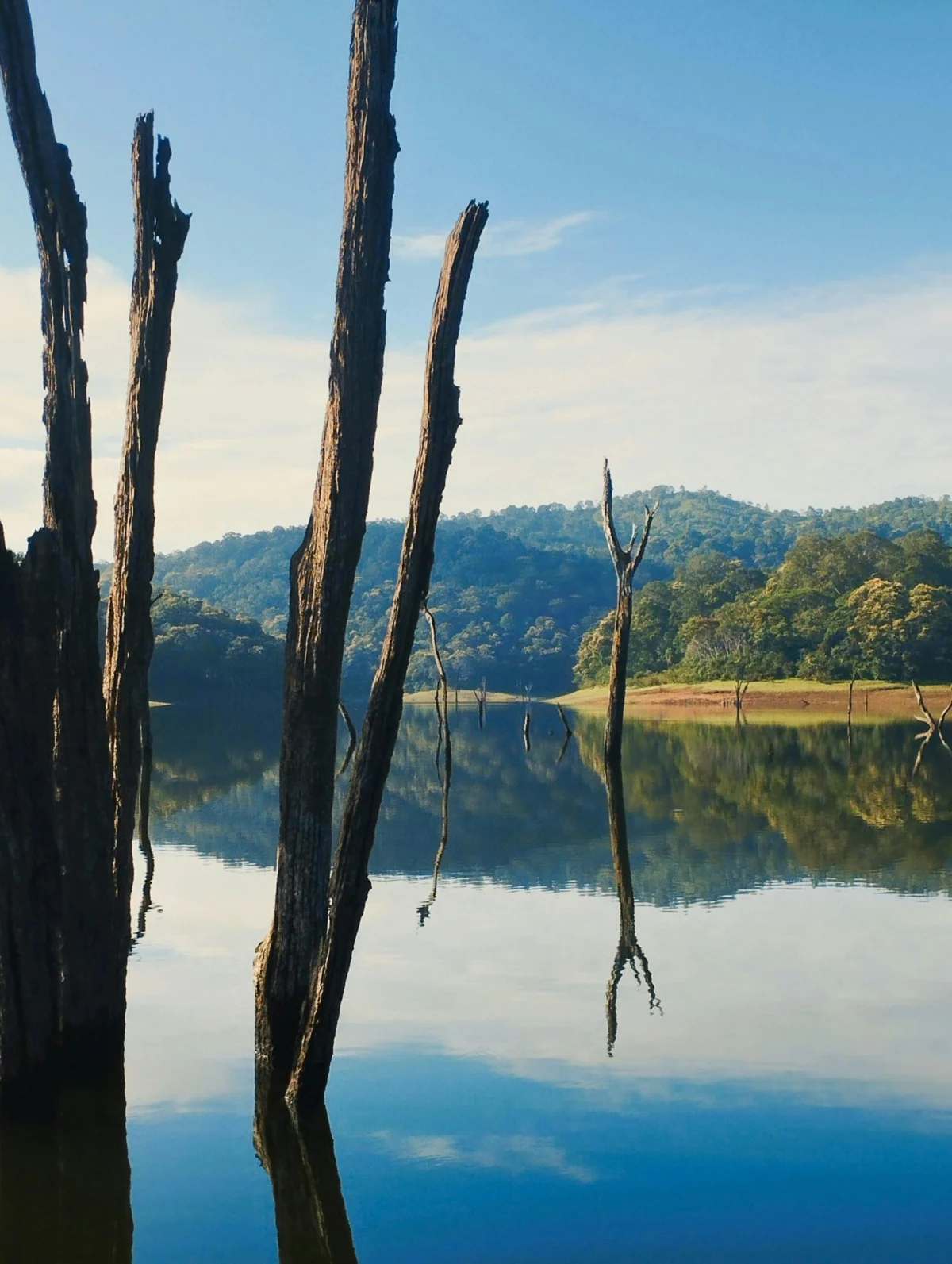
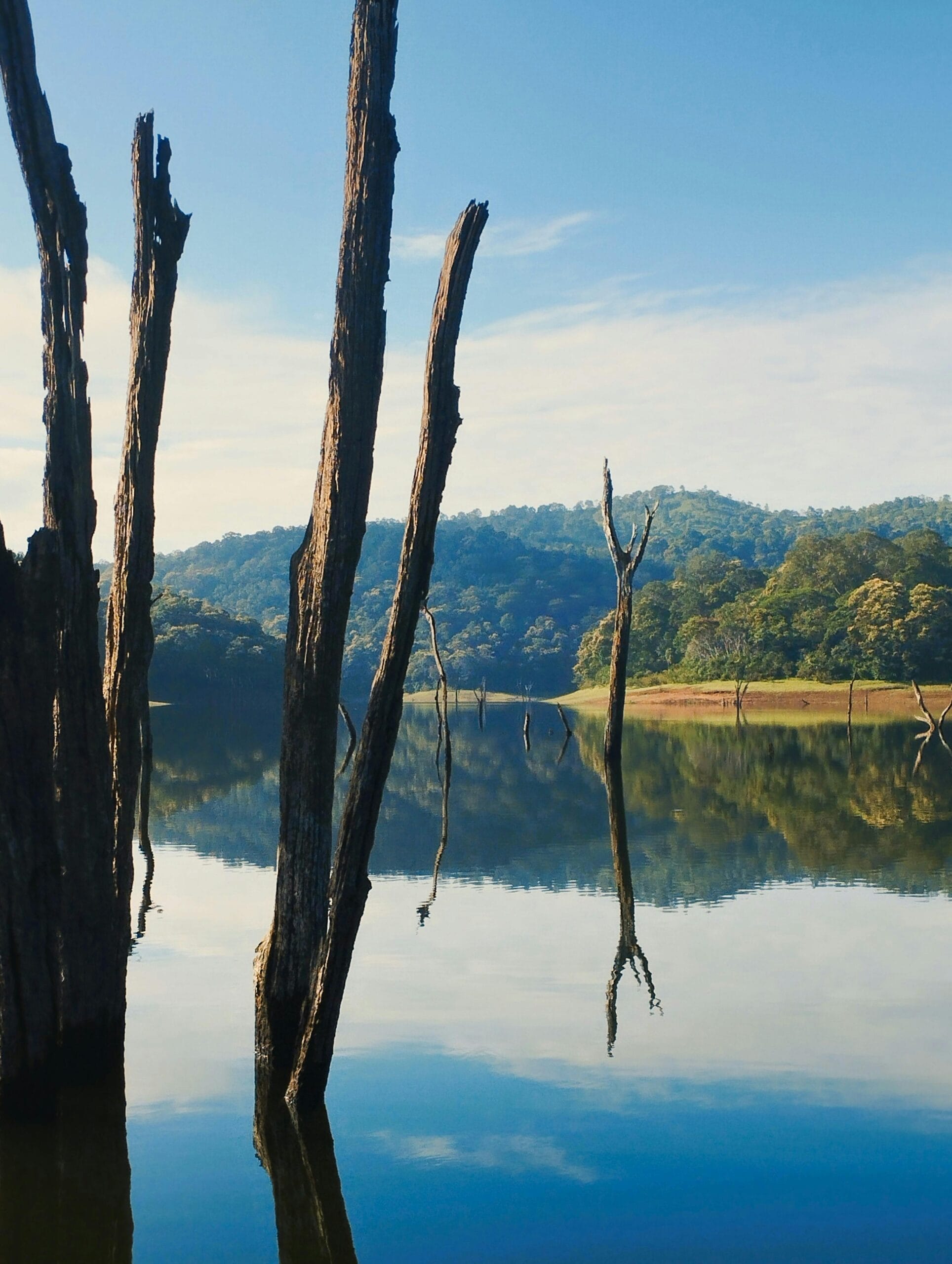
Nestled in the verdant Western Ghats of Kerala, Periyar National Park stands as a unique gem, remarkably remaining open throughout the monsoon season. The park’s expansive Periyar Lake, often shrouded in mist during the rains, offers a surreal setting for wildlife viewing. A boat safari on this serene expanse provides a chance to witness majestic wild elephant herds as they amble down to the water’s edge to bathe and drink, their massive forms silhouetted against the rain-kissed evergreen forests. The sanctuary’s dense foliage and numerous waterfalls become breathtakingly lush and vibrant, creating a picturesque backdrop for spotting other inhabitants like sambar deer, bison, and a rich variety of birdlife. The cool, humid air and the constant presence of water make it an ideal time for observing the park’s diverse flora and fauna come alive.
Jim Corbett National Park, Uttarakhand: Foothills Drenched in Green
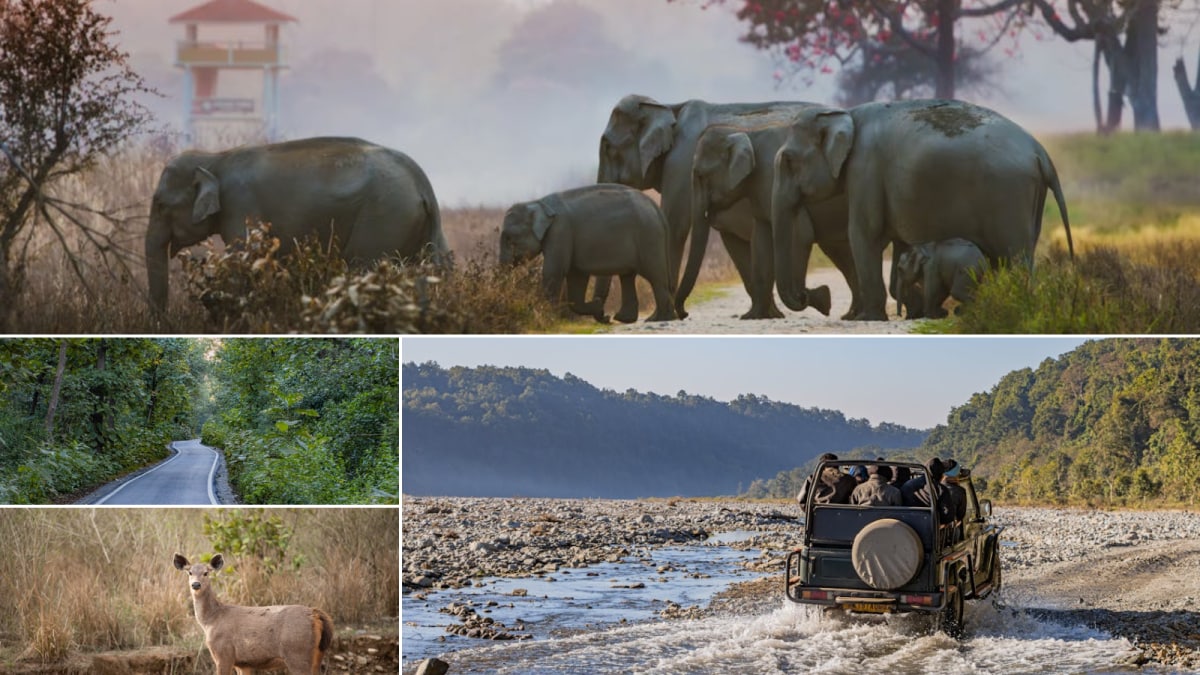
While the core zones of Jim Corbett National Park, India’s oldest, typically close during the heavy monsoon months, the Jhirna and Dhela regions offer year-round access. These accessible areas provide spectacular vistas of the Himalayan foothills, now drenched in life-giving rain. The monsoon transforms the landscape into a dense, green paradise, a stark contrast to its drier appearance. This period is particularly opportune for spotting elephants and various species of deer, as they venture out to graze in the abundant vegetation. The reduced human activity within these open zones allows for a more tranquil and immersive wildlife experience, with the sounds of the rain and the calls of the wild creating a truly captivating atmosphere.
Tadoba-Andhari Tiger Reserve, Maharashtra: The "Jewel of Vidarbha" in Verdant Glory
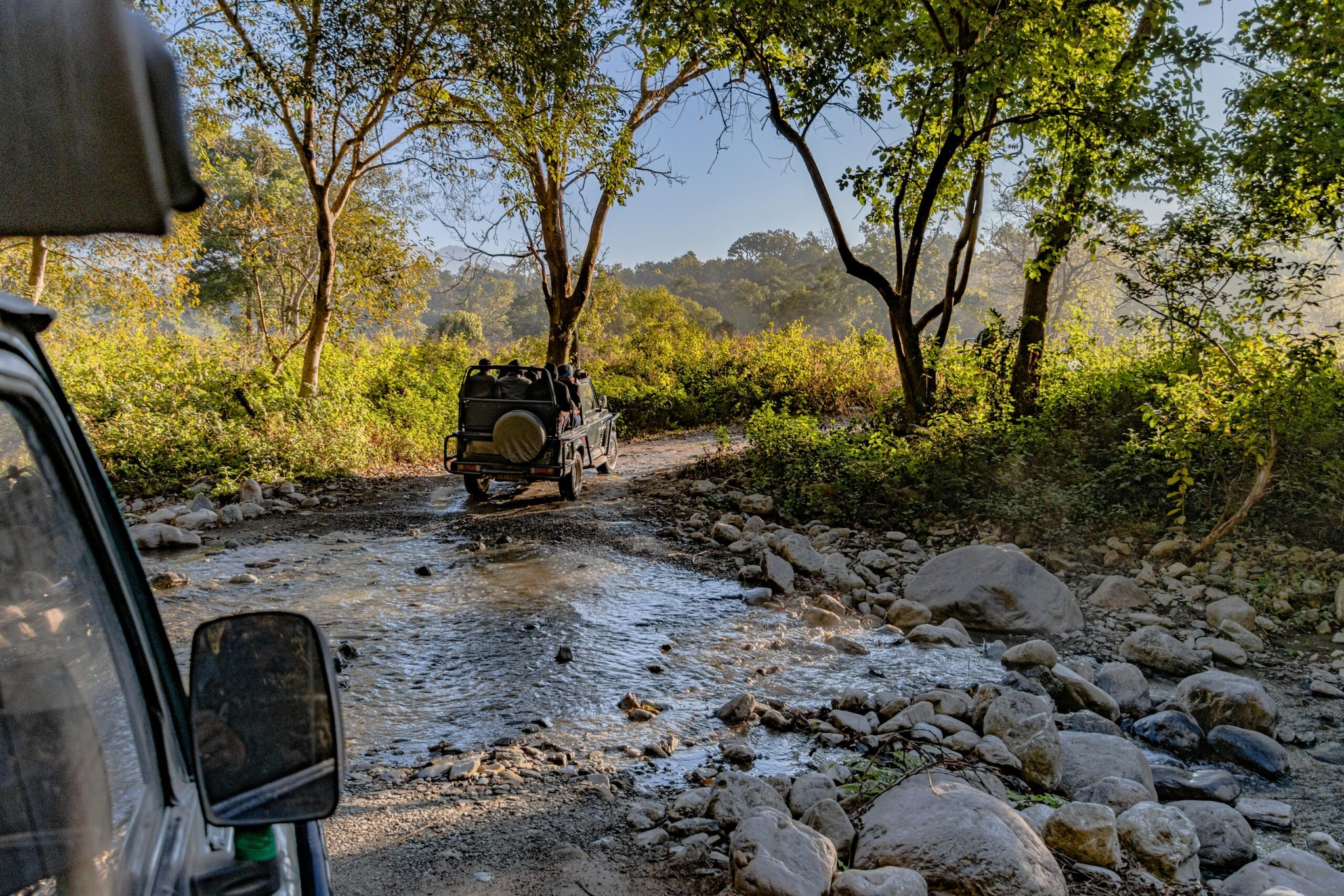
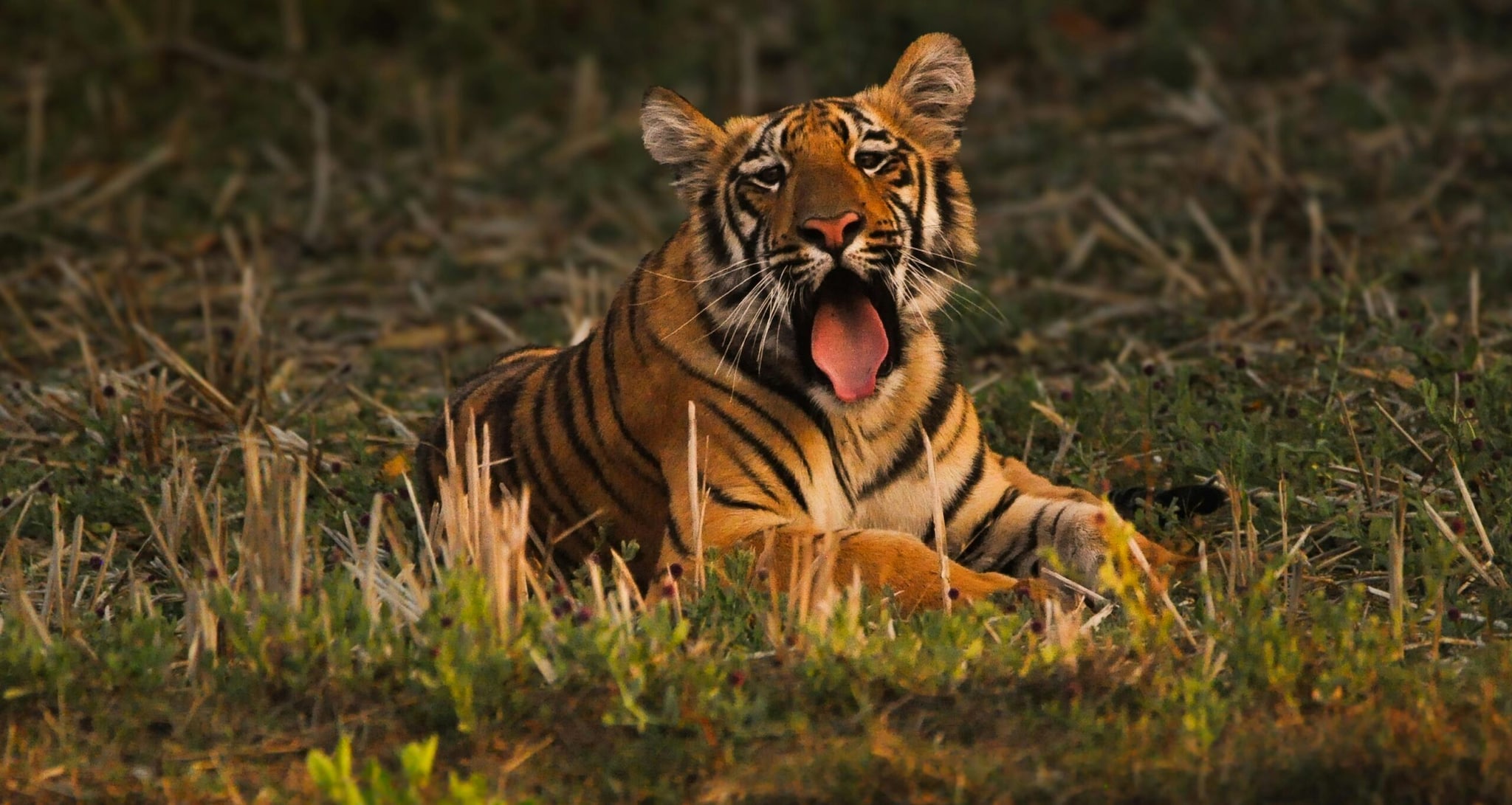
Tadoba-Andhari Tiger Reserve, often referred to as the "Jewel of Vidarbha," undergoes a dramatic metamorphosis during the monsoon. While core zones might have restricted access, its buffer zones, such as Agarzari and Devada, become prime locations for monsoon safaris. The "Jewel of Vidarbha" transforms into a verdant wonderland, with teak and bamboo forests glistening under the rain. This lushness provides excellent camouflage for its elusive inhabitants, making sightings of the famous black leopard and tigers an even more thrilling prospect. The striking contrast of these magnificent predators against the rain-washed greenery offers a photographer’s dream and a naturalist’s delight. The increased water availability also attracts a variety of other wildlife, making it a biodiversity hotspot during this season.
Bandipur National Park, Karnataka: Western Ghats Awakened by the Rains
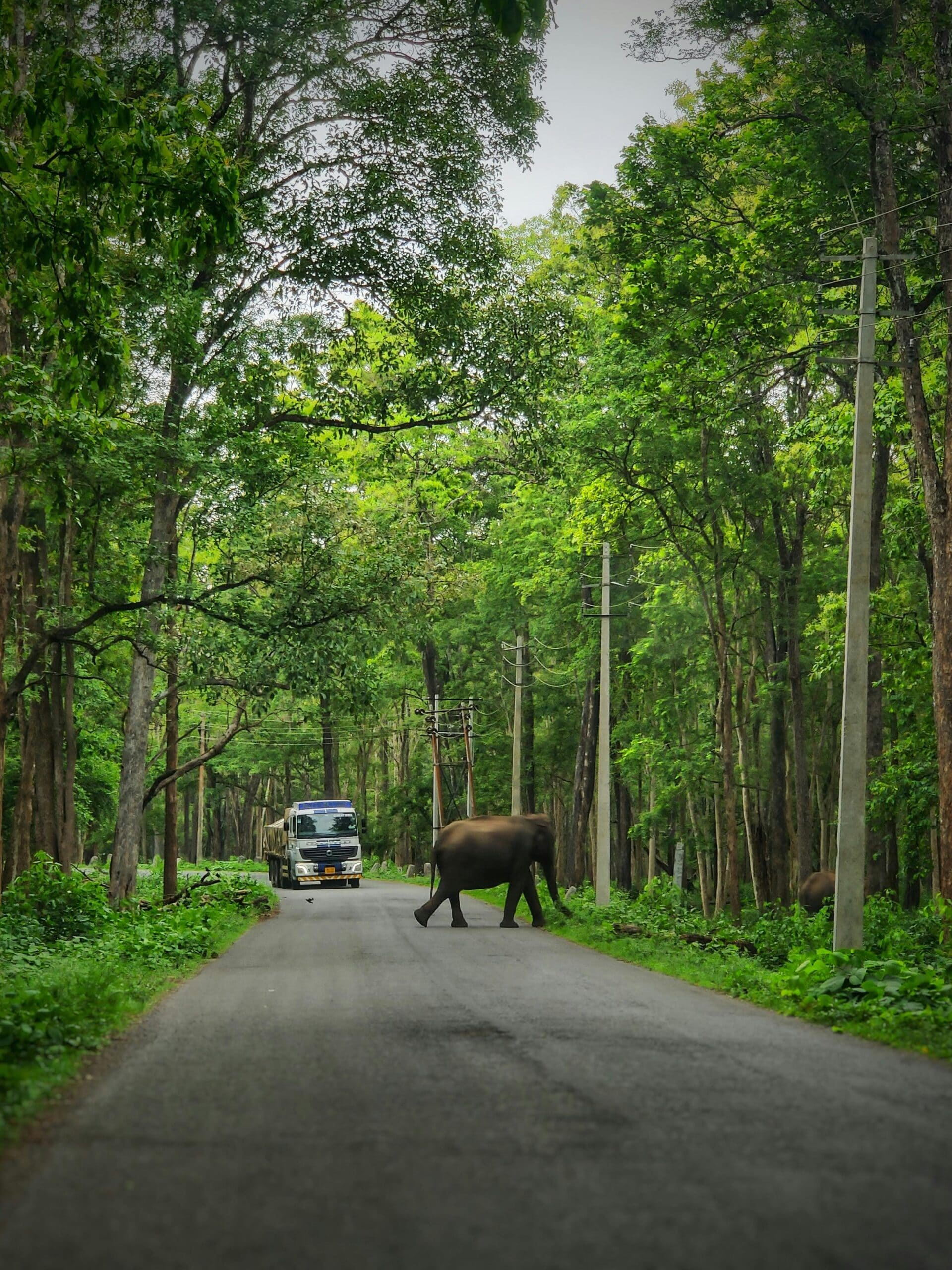
Located in the ecologically rich Western Ghats, Bandipur National Park showcases its most stunning transformation during the monsoon. The dry deciduous trees, often dormant in summer, burst into vibrant shades of green, creating a breathtaking spectacle. Monsoon safaris in Bandipur are characterized by a sense of peace and scenic grandeur. Visitors can witness peacocks performing their rain dances, herds of gaurs grazing contentedly, and elephants wandering through the mist-covered hills. The reduced dust and the fresh, earthy aroma of the rain-soaked forest contribute to a deeply immersive and tranquil wildlife experience.
Nagarhole National Park, Karnataka: Kabini’s Dramatic Riverine Views
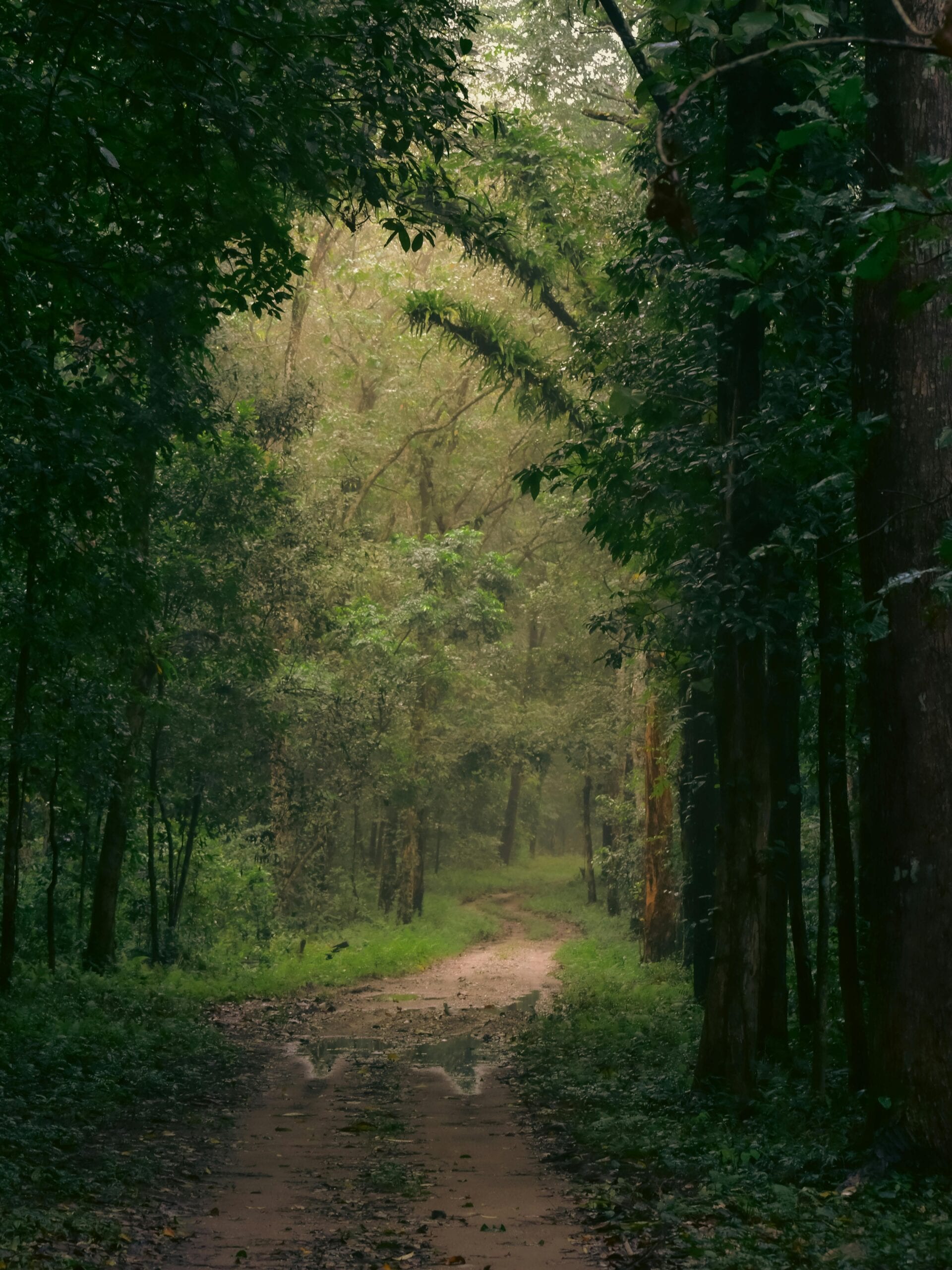
Commonly known as Kabini, Nagarhole National Park is a monsoon favorite, renowned for its dramatic riverine views. As the monsoon rains swell the backwaters and rivers, the landscape transforms into a lush, prehistoric-looking jungle. This abundance of water attracts a diverse array of birdlife, making it an ornithologist’s paradise. The dense foliage provides excellent cover for mammals, and the increased water sources bring animals closer to the riverbanks, enhancing the chances of sightings. The park’s transformation during this season offers a unique opportunity to witness the raw, untamed beauty of the Indian wilderness.
Hemis National Park, Ladakh: A High-Altitude Oasis in the Rain Shadow
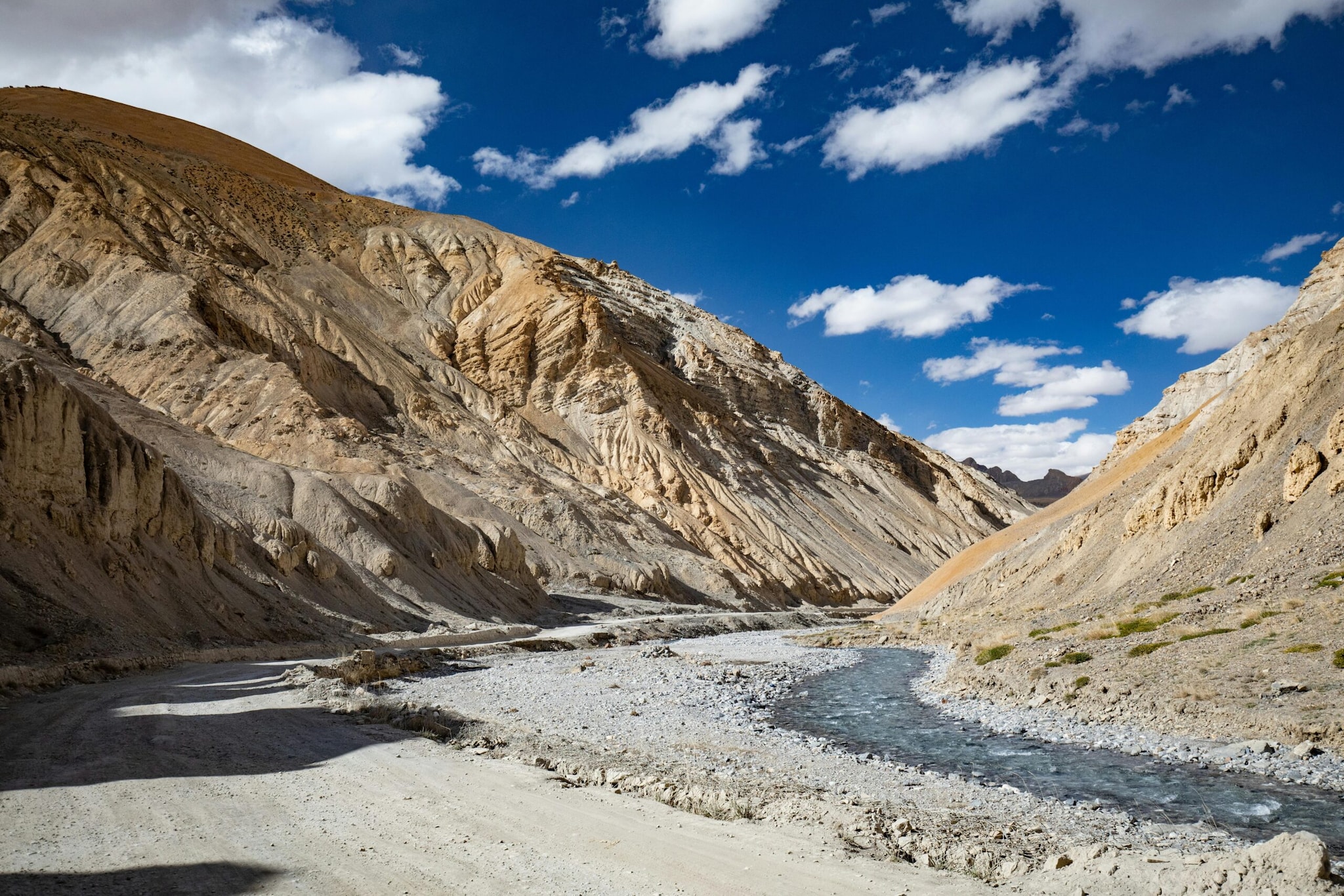
While much of India experiences heavy downpours, Ladakh, nestled in the rain-shadow of the Himalayas, enjoys a different monsoon. Hemis National Park, renowned for its stark, rugged beauty and elusive snow leopards, offers pleasant weather during this period. The monsoon is an ideal time to explore this high-altitude park, as the landscapes, though still arid, are less harsh and more accessible. Trekking through the dramatic terrains offers opportunities to spot blue sheep, golden eagles, and, with a stroke of luck, the magnificent and elusive snow leopard. The crisp, clear air and the relatively fewer visitors make it a serene and rewarding experience.
Valley of Flowers, Uttarakhand: A Floral Pilgrimage in Bloom
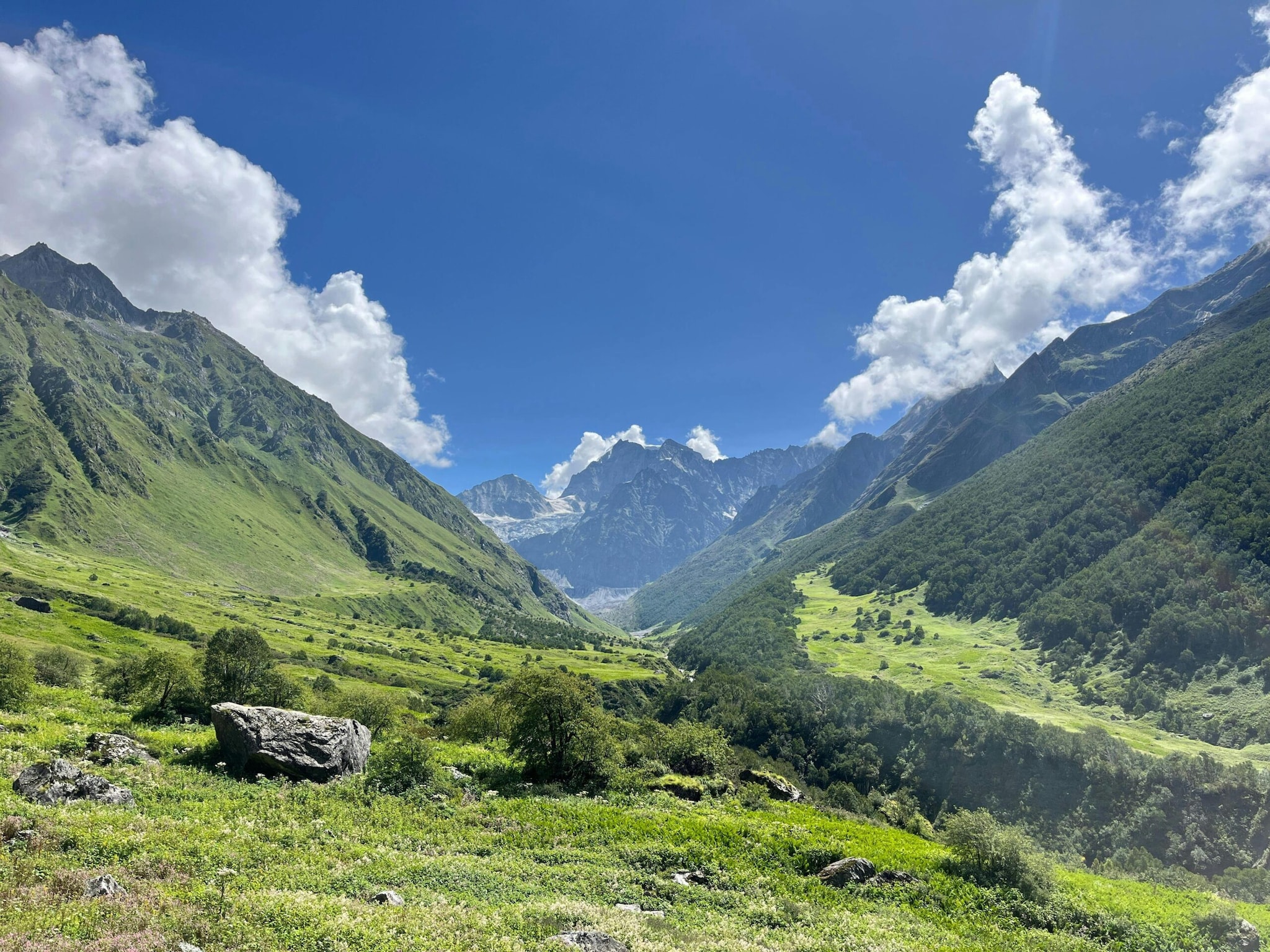
The Valley of Flowers, a UNESCO World Heritage Site, is a testament to the monsoon’s transformative power. This breathtaking national park, technically part of the Nanda Devi Biosphere Reserve, opens its gates exclusively during the monsoon season. It transforms into a vibrant tapestry of over 600 species of wildflowers, carpeting the valley in every imaginable hue. The sight of rare Himalayan flora, from delicate edelweiss to vibrant blue poppies, against the backdrop of snow-capped peaks is an unparalleled spectacle. This floral pilgrimage is a must-visit for nature lovers and photographers seeking an experience of pristine alpine beauty.
Mollem National Park, Goa: Biodiversity Hotspot Amidst Roaring Falls
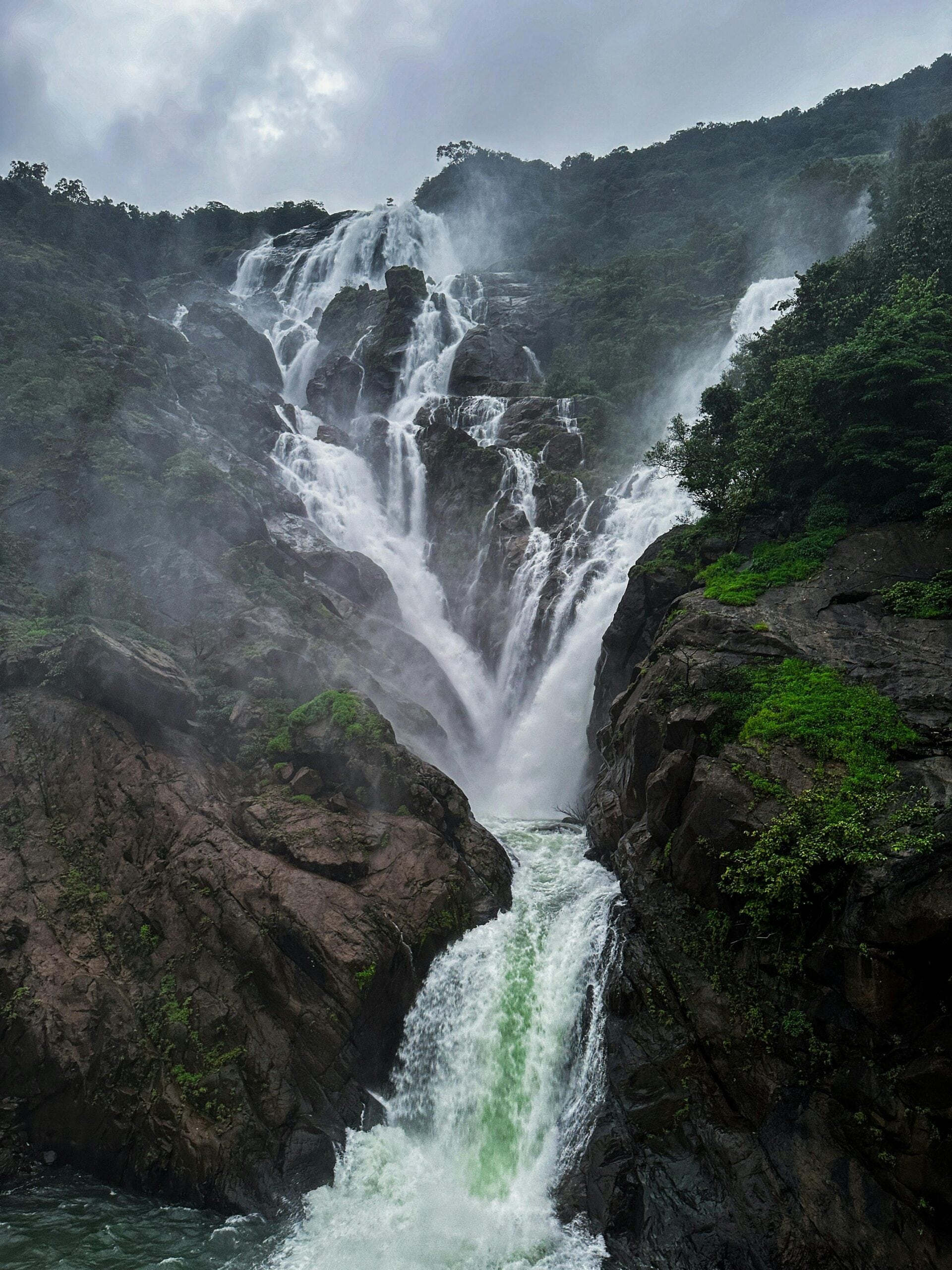
Located within the Bhagwan Mahavir Sanctuary in Goa, Mollem National Park truly comes alive during the monsoon. The famous Dudhsagar Falls, one of India’s tallest, roars with immense power, creating a spectacular natural display. The surrounding jungle becomes a vibrant haven for a rich array of wildlife. Reptiles bask in the damp environment, vibrant butterflies flit through the air, and the endemic Malabar giant squirrel can be spotted in its natural habitat. The lush greenery and the abundant water sources make Mollem a biodiversity hotspot during the rains, offering a unique glimpse into Goa’s rich natural heritage.
Satpura National Park, Madhya Pradesh: Offbeat Exploration on Foot
Satpura National Park in Madhya Pradesh offers a truly unique monsoon experience with its "Walking Safaris," available in specific buffer areas even during the rains. This allows for an intimate and raw exploration of the wilderness. The rugged terrain, dramatic sandstone peaks, and rain-fed streams create an offbeat adventure for nature enthusiasts. Unlike traditional jeep safaris, walking safaris provide a deeper connection with the environment, allowing for the observation of smaller flora and fauna, and the appreciation of the subtle changes brought about by the monsoon. It’s an ideal destination for those seeking an adventurous and immersive wilderness experience on foot.
Ranthambore National Park, Rajasthan: Forts and Tigers Under Rain Clouds
While the core zones of Ranthambore National Park in Rajasthan typically close during the monsoon, zones 6 to 10 remain accessible, offering a distinct yet captivating experience. These areas showcase a rugged, hilly landscape that looks magnificent under the dramatic monsoon clouds. The ancient fort ruins, draped in vibrant greenery, provide a hauntingly beautiful backdrop for tiger sightings. The monsoon season can also lead to increased tiger activity as they seek water and cooler temperatures, offering a unique opportunity to witness these magnificent big cats in their element against a lush, verdant setting.
The Monsoon Safari Experience: A Different Pace of Discovery
Monsoon safaris offer a distinct departure from the dry season experience. The reduced crowds allow for a more serene and personal encounter with nature. The air is cooler and fresher, the vegetation is at its most vibrant, and the sounds of the forest are amplified by the gentle drumming of rain.
Unique Wildlife Sightings:
- Increased Herbivore Activity: With lush vegetation and abundant water, herbivores like deer, sambar, and wild boars are often more visible.
- Avian Spectacle: The monsoon brings a surge in migratory and resident bird species, with vibrant plumage and active nesting behaviors.
- Amphibian and Reptile Emergence: The damp environment is ideal for frogs, snakes, and other reptiles, which become more active.
- Predator Adaptations: While predators might be more elusive due to dense cover, their hunting patterns can change, and sightings near water sources are common.
Photography Opportunities:
The monsoon season offers unparalleled photographic opportunities. The diffused light, vibrant greens, dramatic skies, and the presence of mist create a unique aesthetic. Capturing the sheen of rain-drenched leaves, the vibrant colors of wildflowers, or the majestic presence of animals against a misty backdrop can result in stunning imagery.
Logistical Considerations:
- Rain Gear: Essential for all visitors. Waterproof jackets, trousers, and sturdy waterproof footwear are a must.
- Vehicle Preparedness: Safari vehicles are typically equipped to handle rain, but it’s advisable to check with the park authorities regarding accessibility and road conditions.
- Accommodation: Many resorts and lodges offer monsoon packages, often at reduced rates, and provide a comfortable refuge from the rains.
- Health Precautions: Mosquito repellent is crucial due to increased insect activity. Staying hydrated and carrying a basic first-aid kit is also recommended.
Conclusion: Embracing the Emerald Season
The monsoon season in India is not a time to shy away from the wilderness but rather to embrace it in its most revitalized and vibrant form. The emerald landscapes, the thundering waterfalls, and the teeming wildlife offer a spectacle of nature’s grandeur that is both awe-inspiring and deeply moving. By choosing to explore India’s national parks and sanctuaries during this "emerald season," travelers are rewarded with a unique, intimate, and unforgettable encounter with the country’s rich natural heritage. The magic of the Indian wilderness truly comes alive when the monsoon arrives, inviting all to witness its breathtaking rebirth.
