

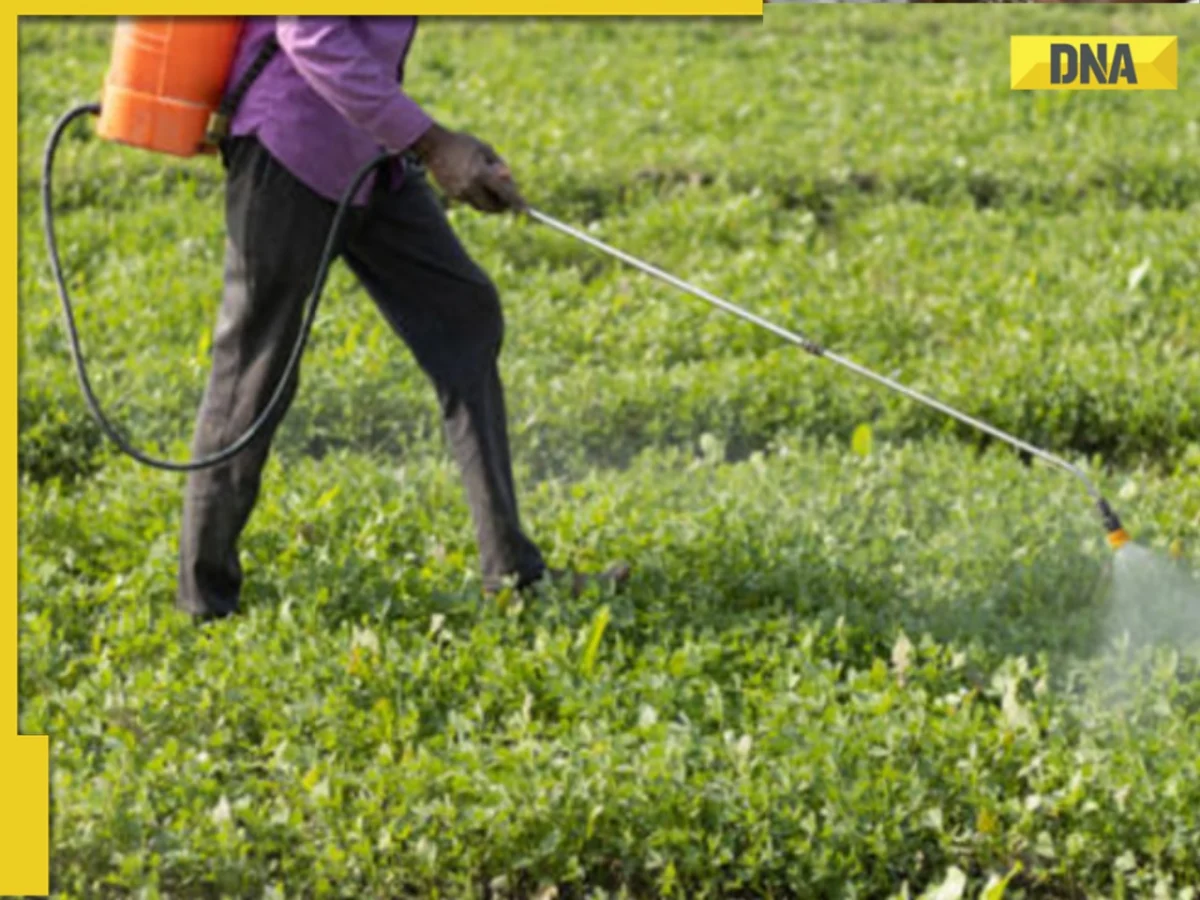
India, a nation deeply rooted in agriculture and the world’s second-largest fertilizer consumer, finds itself at a critical juncture. Heavily reliant on imports for crucial nutrients like urea, Diammonium Phosphate (DAP), and potash, the country is increasingly vulnerable to global supply chain disruptions and the strategic maneuvers of major producers. At the heart of this growing concern lies China, which accounts for a quarter of the world’s fertilizer production and is a primary source for India’s DAP and urea needs. Recent accusations by former World Bank President David Malpass, alleging China’s widespread stockpiling of food and fertilizer reserves amidst escalating geopolitical tensions, have cast a stark spotlight on India’s precarious position.
The intensifying US-Iran conflict, leading to disruptions in the vital Strait of Hormuz shipping lane, has triggered a global scramble for agricultural inputs. As nations rush to secure supplies for the upcoming spring planting season, the specter of reduced availability and soaring prices looms large. For India, a country whose food security is intrinsically linked to the timely and affordable access to fertilizers, China’s alleged actions—and Beijing’s firm denial—represent not just an economic challenge but a profound strategic warning.
A Chronology of Mounting Concerns
India’s journey towards its current fertilizer predicament is a complex narrative shaped by decades of agricultural policy, global market dynamics, and, more recently, geopolitical shifts.
Pre-existing Vulnerabilities (Pre-2021)
For years, India’s burgeoning agricultural sector, supporting a massive population, has grappled with the challenge of meeting its fertilizer demand. While domestic production has seen growth, it has consistently fallen short of consumption, necessitating substantial imports. This reliance was a calculated risk, predicated on the stability of global markets and the availability of diverse sourcing options. However, the fundamental vulnerability of depending on external suppliers for such a critical input was always present, lurking beneath the surface of relatively stable international trade. Global fertilizer prices, influenced by energy costs, production capacities, and trade policies of major exporting nations, have always been a sensitive point for India’s budget, given the extensive subsidy regime in place to cushion farmers.
)
China’s Strategic Shift (2021 Onwards)
A significant turning point emerged around 2021. Experts like Abhishek Wadekar, Founder Chairman of Tradelink International, point to this period as the beginning of a systematic shift in China’s approach to fertilizer exports. Beijing, increasingly viewing agricultural nutrients as "strategic commodities" rather than freely traded goods, began implementing stringent export restrictions. This policy change, often justified by domestic food security concerns, had immediate and dramatic consequences for the global market, particularly for major importers like India.
The data starkly illustrates this shift: phosphate shipments from China, which stood at a robust 950,000 tonnes in early 2022, plummeted to a mere 13,000 tonnes by March 2025. Similarly, urea exports witnessed an astonishing decline of over 90 percent year-on-year in 2024. These drastic reductions were not mere market fluctuations but deliberate policy decisions by China, recalibrating its export strategy to prioritize internal needs and potentially exert economic leverage. This period of quiet, yet profound, policy recalibration by China laid the groundwork for the current crisis, effectively "exposing one that was already building," as Wadekar aptly puts it.

Global Turmoil and Intensified Scrutiny (Present)
The backdrop of international instability has only amplified the urgency of this issue. The lingering effects of the Ukraine crisis, which initially sent shockwaves through global energy and commodity markets, had already underscored the fragility of supply chains. Now, the escalating US-Iran conflict and its immediate impact on the Strait of Hormuz—a crucial chokepoint for global oil and gas shipments, and by extension, fertilizer raw materials—have pushed the situation to a critical level.
As the Strait faces potential closures or severe disruptions, the cost and availability of raw materials for fertilizer production, such as natural gas, skyrocket. This has led to a frantic rush by countries worldwide to secure their spring planting needs, fearing prolonged disruptions and unprecedented price hikes. It is within this highly volatile environment that former World Bank President David Malpass voiced his direct accusation against China, bringing the issue of strategic stockpiling and export control to the forefront of global discourse. His warnings, though perhaps echoing sentiments expressed previously, have gained renewed relevance and urgency in the current climate.
)
Supporting Data and Expert Analysis: Unpacking India’s Exposure
India’s agricultural economy, the backbone of its food security and rural livelihoods, is particularly susceptible to these global fertilizer dynamics. The statistics paint a concerning picture of deep-seated reliance and escalating costs.
India’s Import Dependence: A Deep Dive
The reliance on imported fertilizers is not merely a preference but a necessity for India. For DAP, a crucial nutrient for crop growth, India’s import dependence has soared to 67 percent. Potash, another vital input, is entirely imported, leaving India completely at the mercy of international markets and geopolitical stability. Urea imports, despite efforts to boost domestic production, jumped by a staggering 85 percent in FY26, highlighting the persistent gap between supply and demand.
)
This acute import dependence becomes critically alarming with the impending Kharif season, which commences in June. The window for securing necessary supplies is rapidly closing, leaving "no room for delay," as experts emphasize. Furthermore, the disruption in the Strait of Hormuz directly impacts the operational capacity of India’s domestic fertilizer plants, many of which rely on imported gas for feedstock. Currently, these plants are operating at just 70 percent of their gas capacity, severely constraining domestic output and further exacerbating the reliance on imports.
The economic ramifications are equally severe. India’s fertilizer subsidy, a crucial mechanism to make fertilizers affordable for farmers, is projected to breach Rs 1.92 lakh crore, a substantial 14 percent above the budgeted amount. This escalating fiscal burden underscores the unsustainability of the current model and the direct cost of global market volatility on the Indian exchequer.
)
China’s Export Controls: A Strategic Weapon?
The prevailing expert consensus is that China’s tightening grip on fertilizer exports is not an isolated incident but a calculated strategic move. Abhishek Wadekar articulates this clearly: "Beijing treats these nutrients as strategic commodities, not freely traded goods." This reclassification transforms fertilizer export policy into a powerful tool of economic and diplomatic leverage. While China frames its actions as domestic policy aimed at ensuring its own food security, other nations, particularly during times of conflict, view such controls with increasing apprehension. The ability to restrict essential supplies can be deployed as pressure in trade negotiations or diplomatic disputes, a stark reminder of the "weaponization of trade."
For India, this strategic reorientation by China poses a dual risk. Firstly, reduced global supply from a major producer inevitably leads to tighter markets and increased competition for the remaining available stock. Secondly, this scarcity, coupled with high demand from nations like India, is a recipe for severe price shocks. Gopala Krishna Penumutchu, CEO & Board Director at Fertis India, explains China’s rationale: "China is conserving its resources so that its economy is not hit by these price escalations." However, he cautions, "The stoppage of exports of all these products by China will have a direct impact on the Indian economy."
)
The ripple effects of costlier fertilizers are profound. Indian farmers, already navigating numerous challenges, will face higher input costs, which will invariably impact crop yields and, consequently, food prices for consumers. This inflationary pressure on food commodities could destabilize household budgets and potentially trigger broader economic concerns. Moreover, the government’s commitment to protecting farmers from these price surges means that fertilizer subsidies will likely continue to swell, further straining public finances. Omkar Patil, Group Head-Business Development and Director at Aries Agro Equipments, succinctly summarizes the gravity of the situation: "Fertilizer security is now as critical as food and energy security." He emphasizes that while India has made strides in agricultural self-reliance, its dependence on imported raw materials for certain nutrients leaves it "vulnerable to global supply disruptions."
Official Responses and Diplomatic Tensions
The accusations against China and its subsequent denials highlight a growing diplomatic friction over global resource management and supply chain responsibilities.
)
The World Bank’s Stance and Malpass’s Allegations
David Malpass, a prominent figure in international finance who served as Treasury Under Secretary for International Affairs under US President Donald Trump from 2017 to 2019, has been a vocal critic of China’s economic practices. His recent accusations are not entirely new, but they resonate with renewed intensity given the current global climate. Malpass asserted that China holds "the biggest world stockpile of foodstuffs and of fertiliser," urging Beijing to "stop building their stockpiles." His remarks underscored a broader critique of China’s economic status, arguing that its claim to developing-nation status is no longer credible given its position as the world’s second-largest economy. He advocated for China to suspend this designation at the WTO and World Bank, implying that with great economic power comes greater responsibility for global market stability. His statements, made on the eve of significant diplomatic encounters, reflect a Western perspective that views China’s actions as potentially destabilizing and strategically motivated.
China’s Counter-Narrative
In response to these allegations, China has steadfastly rejected the blame, presenting a counter-narrative focused on its commitment to global stability and attributing supply chain disruptions to other factors. Liu Pengyu, spokesperson for the Chinese embassy in Washington, DC, explicitly stated China’s dedication to "maintaining the stability of global food and fertiliser markets." He vehemently denied that China was the cause of the current predicament, asserting that "the root causes behind the current disruptions in global food and fertiliser supply chains are crystal clear; this blame cannot be shifted onto China."
)
Pengyu’s statement implicitly points towards factors such as the geopolitical conflicts (like the US-Iran situation or the lingering effects of the Ukraine war), energy price volatility, and other macro-economic pressures as the true culprits. Furthermore, China has consistently defended its right to maintain its developing-nation status, arguing that it is universally recognized as such and that this designation affords it legitimate rights within international bodies. This diplomatic exchange underscores a fundamental disagreement on the responsibilities of major global players, with Western nations urging greater transparency and market adherence, while China emphasizes its sovereign right to manage its resources and attributes global issues to broader systemic problems.
Implications and India’s Path to Fertilizer Security
The unfolding fertilizer crisis presents India with both immediate challenges and long-term strategic imperatives, demanding a comprehensive and multi-faceted response.
)
Short-Term Challenges and Immediate Policy Needs
The most immediate concern for India is ensuring adequate fertilizer availability for the upcoming Kharif season. Delays or shortfalls could severely impact agricultural output, leading to food scarcity and inflation. The government faces immense pressure to expedite procurement through emergency tenders and engage in swift diplomatic outreach to diversify immediate sourcing options. This might involve leveraging existing relationships with countries in the Middle East, Canada, Morocco, or even Russia, despite geopolitical complexities. The soaring cost of these emergency procurements will further inflate the already burgeoning fertilizer subsidy bill, putting additional strain on the national budget. Mitigating the direct impact on farmers through targeted financial support and efficient distribution mechanisms will be crucial to prevent widespread distress and maintain agricultural productivity.
Long-Term Strategic Imperatives
Beyond immediate crisis management, the situation serves as a powerful catalyst for India to fundamentally rethink and fortify its fertilizer security.
)
Building Strategic Reserves: As Abhishek Wadekar rightly advises, "India must build strategic fertiliser reserves… before the next crisis, not during it." This involves creating substantial stockpiles of critical raw materials and finished fertilizers to cushion against future supply shocks. Such reserves would provide a vital buffer, allowing the nation to absorb disruptions without immediate panic buying or price spikes.
Accelerating Domestic Capacity: A sustained focus on enhancing indigenous fertilizer production capacity is paramount. This requires significant investment in new manufacturing plants, upgrading existing facilities, and promoting research and development into more efficient production methods. The government’s recent initiative to restart certain fertilizer units, as highlighted by Agri Economist Aditya Sesh, is a testament to this growing realization. These efforts, though requiring time and substantial capital, are crucial for reducing import dependence over the long term.
)
Diversifying Supply Chains: While China remains a significant player, India must actively seek and cultivate a broader network of international suppliers for raw materials and finished products. Aditya Sesh points out India’s "strategic advantage over China" in vendor diversification, as India already sources urea and NPK from multiple suppliers. This strategy should be intensified, exploring new agreements with countries possessing abundant phosphate rock, potash, or natural gas reserves. Long-term supply agreements, locked in during periods of relative stability, can provide predictability and price stability, mitigating future volatility.
Feedstock Transformation: The Coal Gasification Solution: A pivotal shift in India’s fertilizer strategy lies in transforming its feedstock dependence. Currently, India’s fertilizer industry largely relies on oil and gas, making it vulnerable to global energy price fluctuations and supply disruptions. China, in contrast, heavily utilizes coal as a feedstock. Recognizing this, India is accelerating its coal gasification program. With its vast domestic coal reserves, India has a unique opportunity to decouple its fertilizer production from volatile global oil and gas markets. Coal gasification converts coal into syngas, a raw material for urea production, offering a more stable and domestically sourced alternative. This strategic pivot, though capital-intensive and with environmental considerations that need to be carefully managed, is seen as a long-term answer to achieving greater self-sufficiency and price stability. Sesh underscores this, arguing India "should accelerate coal gasification given the country’s stronger coal availability compared to petroleum."
)
Innovation in Agriculture: Beyond conventional fertilizers, India should also aggressively pursue and promote innovative agricultural practices and inputs. This includes investing in bio-fertilizers, nano-urea, and other nutrient-efficient technologies that can reduce the overall reliance on chemical fertilizers. Promoting soil health management and precision agriculture techniques can also optimize fertilizer use, ensuring that every unit applied contributes maximally to crop yields.
Geopolitical Realignments and Regional Cooperation
The current crisis underscores a broader global trend where "every matter of trade is a weapon," as Aditya Sesh observes. India’s proactive steps to safeguard its interests, including the strategic restarting of fertilizer units, reflect a newfound pragmatism in international relations. This situation also presents an opportunity for India to forge stronger alliances with other fertilizer-importing nations who share similar vulnerabilities. Collective action, perhaps through joint procurement strategies or shared investments in production facilities in third countries, could enhance the bargaining power and supply chain resilience of these nations.
)
Conclusion: A Call for Resilient Agriculture
The alleged hoarding of fertilizers by China, set against the backdrop of intensifying global conflicts, presents India with an undeniable challenge. It is a moment of reckoning that demands both immediate, decisive action to navigate the upcoming Kharif season and a robust, long-term strategic overhaul of its agricultural input ecosystem. From building strategic reserves and accelerating domestic production, particularly through coal gasification, to diversifying supply chains and fostering agricultural innovation, India must embark on a determined path towards true fertilizer security. This is not merely an economic imperative but a foundational element of national food security, farmer welfare, and overall strategic autonomy. By learning from the present crisis and proactively building resilience, India can transform this vulnerability into an opportunity to forge a stronger, more self-reliant agricultural future.
