

PERSONAL FINANCE
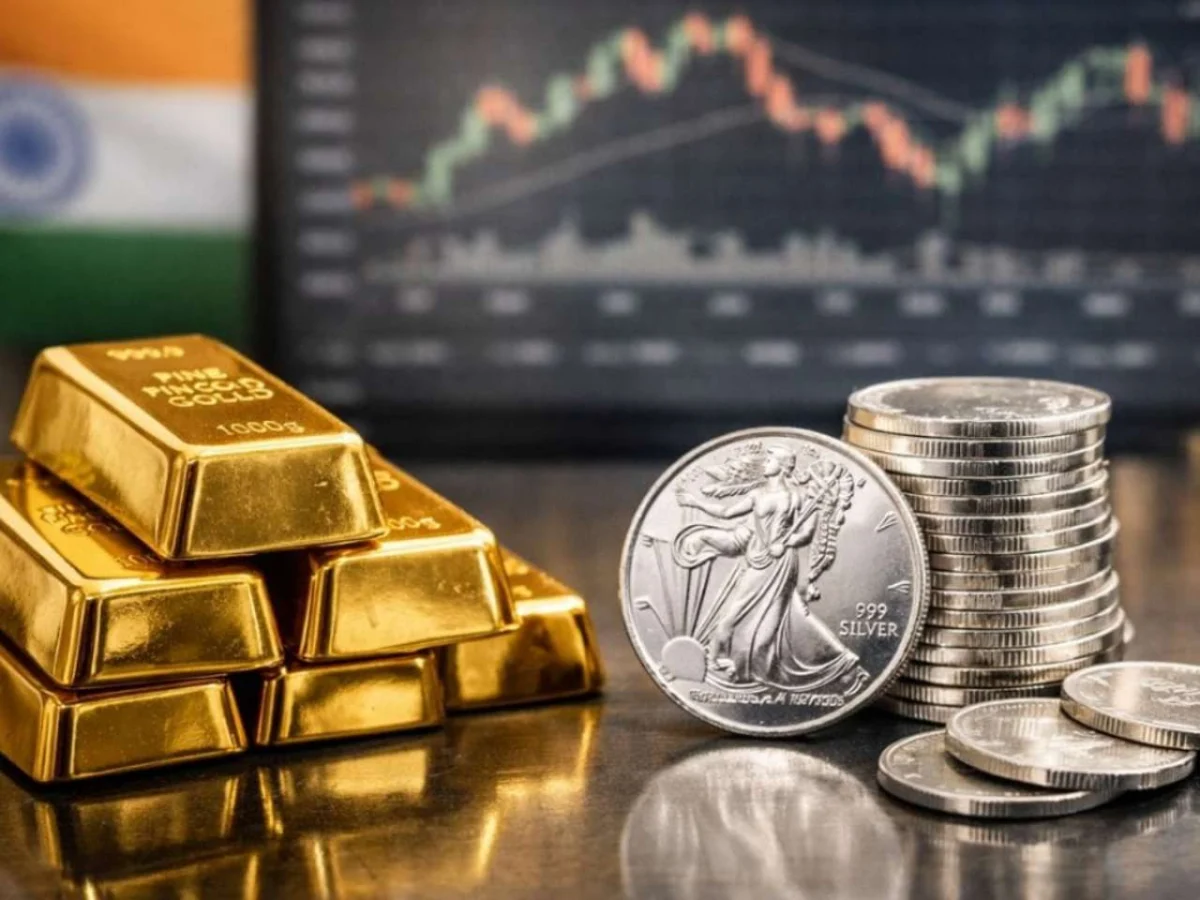
Mumbai, India – August 2, 2026 – India’s enduring fascination with precious metals continues to shape its dynamic bullion market, with gold and silver prices on August 2, 2026, reflecting a complex interplay of global economic forces, robust domestic demand, and fluctuating currency valuations. While the nation’s appetite for these commodities remains insatiable, particularly as a store of wealth and a cultural cornerstone, today’s rates reveal a nuanced landscape influenced by international inflationary pressures and strategic investment decisions.
The latest figures indicate a slight uptick in gold prices, driven largely by sustained global demand and persistent inflationary concerns that solidify the yellow metal’s appeal as a safe-haven asset. Silver, often seen as gold’s more volatile counterpart, also holds steady, supported by its dual role as both an investment vehicle and a critical industrial commodity.
Main Facts: India’s Precious Metals Market Navigates Global Currents
As of Sunday, August 2, 2026, the Indian precious metals market exhibits specific trends influenced by a confluence of factors. The average price for 24-carat gold (999 purity) across major Indian cities stands at approximately Rs 14,350 per gram, while 22-carat gold, predominantly used in jewellery, is priced at Rs 13,154 per gram. These figures represent a slight increase from previous periods, signaling a bullish sentiment underpinned by global economic uncertainty and a weakening Indian Rupee against the US Dollar.
Silver, too, maintains a significant valuation, with 999 pure silver trading at around Rs 2,34,900 per kilogram, translating to Rs 2,349 per 10 grams in most metropolitan areas. Sterling silver (925 purity), popular for ornaments, is close behind at Rs 2,34,000 per kilogram. The stability in silver prices is attributed to its burgeoning industrial demand, particularly in renewable energy sectors, alongside its traditional role as an investment asset.
The variations observed across different cities – a minor difference of Rs 15 per gram for gold, for instance, between Delhi and Mumbai – can be attributed to localized taxes, transportation costs, and specific market dynamics unique to each region. These daily fluctuations are meticulously tracked by consumers and investors alike, as precious metals remain central to India’s financial and cultural fabric.
)
Gold Shines Brighter: A Detailed Look at Today’s Prices
The current market conditions reflect a robust demand for gold across India. Here’s a detailed breakdown of gold prices as of August 2, 2026:
-
National Average (representative of Mumbai, Kolkata):
- 24K Gold (999 Purity): Rs 14,350 per gram
- 22K Gold (91.67% Purity): Rs 13,154 per gram
-
Gold Prices in Delhi:

- 24K Gold: Rs 14,365 per gram
- 22K Gold: Rs 13,169 per gram
-
Gold Prices in Mumbai:
- 24K Gold: Rs 14,350 per gram
- 22K Gold: Rs 13,154 per gram
-
Gold Prices in Kolkata:
- 24K Gold: Rs 14,350 per gram
- 22K Gold: Rs 13,154 per gram
-
Gold Prices in Chennai:
)
- 24K Gold: Rs 14,340 per gram
- 22K Gold: Rs 13,154 per gram
The distinction between 24K and 22K gold is crucial for consumers. 24K gold, being 99.9% pure, is primarily favored for investment purposes in forms like bars and coins. In contrast, 22K gold, with its 91.67% purity alloyed with other metals like copper or silver, offers greater durability, making it the preferred choice for intricate jewellery designs. The slight variations in city-wise prices are a common feature of the Indian market, influenced by local supply-demand dynamics, state taxes, and operational costs for jewelers.
Silver’s Steady Allure: Current Rates and Market Significance
Silver, often considered the common man’s gold, continues to attract significant investment and industrial interest. Its prices on August 2, 2026, demonstrate a stable yet strong presence in the commodities market:
-
National Average (representative of Mumbai, Delhi, Chennai):
)
- Silver 999 (Pure Silver): Rs 2,349 per 10 grams (or Rs 2,34,900 per kilogram)
- Silver 925 (Sterling Silver): Rs 2,34,000 per kilogram
-
Silver Price in Delhi:
- Silver 999: Rs 2,349 per 10 grams
-
Silver Price in Mumbai:
- Silver 999: Rs 2,349 per 10 grams
-
Silver Price in Kolkata:
)
- Silver 999: Rs 2,348 per 10 grams
-
Silver Price in Chennai:
- Silver 999: Rs 2,349 per 10 grams
Silver 999, or fine silver, is nearly 100% pure and is typically bought in bars or coins for investment. Silver 925, or sterling silver, contains 92.5% silver and 7.5% other metals, usually copper, to enhance its strength and is widely used for jewellery and decorative items. The metal’s appeal in India extends beyond mere investment; it holds profound cultural significance, particularly in southern and western states where silver ornaments are a prevalent tradition. Its industrial applications, spanning electronics, solar technology, and medical instruments, provide a robust floor to its pricing, differentiating it from gold’s almost exclusive role as a monetary asset.
Chronology: Tracing the Trajectory of Precious Metals
The current prices on August 2, 2026, are not isolated figures but rather a culmination of trends and events over the preceding months and even years. The period leading up to mid-2026 has been characterized by a volatile global economic environment, which has consistently underscored gold’s role as a haven asset.
)
Following the lingering effects of the post-pandemic economic recovery, 2025 saw central banks globally grappling with persistent inflation. The US Federal Reserve, the European Central Bank, and even the Reserve Bank of India, in various degrees, undertook tightening monetary policies to curb rising prices. These interest rate hikes initially created headwinds for non-yielding assets like gold, as higher bond yields made holding cash more attractive. However, as inflation proved stickier than anticipated, and concerns about a potential global economic slowdown mounted towards late 2025 and early 2026, gold began to regain its luster.
Geopolitical tensions, particularly those emanating from Eastern Europe and the Middle East, have also played a significant role. Episodes of heightened instability invariably triggered spikes in gold prices, as investors sought refuge from market volatility. Simultaneously, the Indian Rupee has experienced periods of depreciation against the US Dollar, largely due to global capital outflows, elevated crude oil prices impacting India’s import bill, and a widening trade deficit. A weaker Rupee makes imported gold more expensive when converted into local currency, thus contributing to the upward trajectory of domestic gold prices.
For silver, the narrative has been slightly different. While it benefits from the same safe-haven appeal as gold during times of uncertainty, its industrial demand has been a more potent driver in recent times. The accelerated global push towards renewable energy, particularly solar power, has significantly boosted silver consumption. Reports from the World Silver Survey in early 2026 highlighted record industrial demand, underpinning its price stability even amidst broader economic fluctuations.
)
In India specifically, the period from late 2025 into 2026 has witnessed consistent demand, especially ahead of key festivals and the wedding season. The government’s continued emphasis on hallmarking for gold jewellery, which became mandatory for more categories, has instilled greater consumer confidence in purity, potentially stimulating demand further. Import duties on gold have remained largely stable, but any speculative changes in government policy or international trade agreements have historically led to short-term market reactions.
Supporting Data: The Forces Shaping India’s Bullion Market
The prices observed today are a direct consequence of several interconnected forces, both global and domestic, that continuously shape the precious metals landscape. Understanding these dynamics is crucial for comprehending market movements.
Global Economic Indicators and Their Impact
The international gold price, often denominated in US Dollars, is the primary determinant of Indian gold rates. This price is heavily influenced by:
)
- Inflationary Pressures: Global inflation rates, particularly in major economies like the US and Europe, directly impact gold. When inflation rises, the purchasing power of fiat currencies erodes, prompting investors to flock to gold as a hedge against inflation, driving its price up. The slight increase in gold prices today directly correlates with ongoing global inflationary concerns.
- Central Bank Policies: Decisions by central banks, especially the US Federal Reserve, regarding interest rates and quantitative easing/tightening, significantly affect gold. Higher interest rates typically strengthen the dollar and increase the opportunity cost of holding non-yielding assets like gold, potentially dampening demand. However, if rate hikes are perceived as insufficient to control inflation, or if they lead to fears of recession, gold can still rally.
- Geopolitical Stability: Periods of geopolitical tension, conflict, or economic uncertainty (e.g., trade wars, sovereign debt crises) invariably lead to an increase in gold prices as investors seek safety. Gold acts as a universally accepted store of value during times of crisis.
- US Dollar Strength: As gold is largely priced in USD, a stronger dollar makes gold more expensive for holders of other currencies, potentially dampening demand from non-US investors. Conversely, a weaker dollar makes gold cheaper, often leading to increased demand.
The Dynamics of Domestic Demand
India’s local demand for gold and silver is unparalleled globally and is driven by a unique blend of cultural, traditional, and economic factors:
- Festive and Wedding Seasons: Gold and silver are integral to Indian festivals such like Diwali, Akshaya Tritiya, and Durga Puja, and are indispensable for weddings. These seasonal demands often create predictable surges in prices. The period leading up to August is typically characterized by pre-festive buying, contributing to the steady demand observed.
- Cultural Significance: Gold holds deep cultural and religious significance in India, passed down through generations as a symbol of prosperity, security, and good fortune. This cultural attachment ensures a baseline demand that often defies global market trends.
- Investment Appetite: For millions of Indian households, gold is not just an ornament but a primary form of savings and investment, especially in rural areas where access to formal financial instruments might be limited. It serves as a tangible asset and a hedge against economic uncertainty.
- Jewellery Demand: India is one of the world’s largest consumers of gold jewellery. The craftsmanship and intricate designs continue to drive a significant portion of the domestic market.
Currency Fluctuations: The Rupee-Dollar Equation
The exchange rate between the Indian Rupee (INR) and the US Dollar (USD) is a critical factor influencing domestic gold prices. Since India imports a significant portion of its gold, a depreciation of the Rupee against the Dollar makes gold imports more expensive in INR terms.
- Import Costs: When the Rupee weakens, Indian importers have to pay more Rupees for the same quantity of Dollar-priced gold, which translates to higher local retail prices.
- Global Capital Flows: Foreign Institutional Investor (FII) flows into and out of Indian markets, trade deficits (particularly due to high crude oil imports), and the overall strength of the Indian economy compared to global peers all influence the INR-USD exchange rate. The current gold prices reflect a Rupee that has faced some depreciation pressure, making gold more expensive locally.
Industrial Demand and Silver’s Dual Role
While gold’s demand is predominantly investment and jewellery-driven, silver has a significant industrial component, giving it a dual role:
)
- Industrial Applications: Silver is a critical component in various high-tech industries, including solar panels (photovoltaics), electronics (conductors, switches), medical devices, photography, and water purification. Growth in these sectors directly translates to increased industrial demand for silver. The global push towards green energy and technological advancements has been a key driver for silver prices in recent years.
- Investment Demand: Like gold, silver is also considered a safe-haven asset and a hedge against inflation. Investors often turn to silver during economic uncertainty, though its price tends to be more volatile than gold due to its industrial dependency.
- Supply Dynamics: Mine production, recycling rates, and existing stockpiles also play a role in determining silver prices. Any disruptions in supply chains can lead to price spikes.
Official Responses and Expert Insights
Understanding how governments and market experts view the current trends provides crucial context for future expectations.
Views from the Reserve Bank of India (RBI) and Government
The Reserve Bank of India (RBI) consistently monitors inflation and currency stability, both of which indirectly influence precious metal prices. While the RBI does not directly control gold prices, its monetary policy decisions have a profound impact.
- Inflation Control: The RBI’s efforts to manage inflation through interest rate adjustments or liquidity operations affect the real returns on other assets, thereby influencing the attractiveness of gold as an inflation hedge. Any hawkish stance from the RBI to curb inflation might lead to a stronger Rupee, potentially tempering gold prices, while a dovish stance could have the opposite effect.
- Currency Management: The RBI intervenes in the forex market to manage Rupee volatility. Its actions to stabilize the Rupee against the Dollar can mitigate the impact of global gold prices on domestic rates.
- Government Policies: The Indian government has historically used import duties on gold to manage the current account deficit and curb unofficial gold trade. Any changes in these duties, or policies like mandatory hallmarking, directly affect the domestic market. As of August 2, 2026, there haven’t been recent significant policy shifts that would drastically alter the market structure, but constant vigilance is maintained by market participants.
Analyst Projections and Market Sentiments
Market analysts and economists offer varying perspectives on the short-term and medium-term outlook for precious metals:
)
- Short-Term Volatility: Many analysts predict continued volatility in both gold and silver, driven by ongoing global economic data releases (e.g., inflation figures, employment reports, GDP growth), central bank meetings, and geopolitical developments.
- Bullish Outlook for Gold: Leading bullion market experts, such as those quoted by Good Returns or the World Gold Council, often maintain a bullish long-term outlook for gold. They cite persistent global inflation, potential for economic slowdowns, and continued central bank gold buying as key supportive factors. The current slight increase is seen as part of this broader trend.
- Silver’s Dual Potential: For silver, analysts often highlight its potential for outperformance if the global economy avoids a severe recession and industrial demand remains robust. Its higher volatility also makes it attractive for traders seeking larger percentage gains, albeit with higher risk.
- Investor Sentiment: Investor sentiment remains cautious but largely positive towards precious metals. Fear of economic downturns and currency debasement drives safe-haven buying, while a desire for portfolio diversification ensures sustained interest. Reports from commodity exchanges indicate strong participation in futures markets for both gold and silver.
Implications: What These Prices Mean for Consumers and Investors
The current price trends for gold and silver have significant implications for various stakeholders in India.
For the Average Indian Consumer
- Wedding and Festive Budgets: For millions of Indian families, gold jewellery purchases are a cornerstone of weddings and festivals. Rising prices mean higher expenditure, potentially leading families to adjust their budgets, opt for lighter jewellery, or explore alternatives like silver or even artificial jewellery.
- Savings and Investment: For households that view gold as a traditional form of savings, the appreciation in prices means their existing holdings have gained value. However, new investments require a higher capital outlay.
- Purity and Hallmarking: With prices at these levels, consumers are increasingly discerning about purity and transparency. The government’s push for mandatory hallmarking provides assurance, encouraging buyers to purchase from certified jewelers.
- Alternatives: The higher prices might lead some consumers to consider alternative investment avenues like digital gold, gold ETFs (Exchange Traded Funds), or sovereign gold bonds, which offer purity assurance and avoid storage costs.
For Investors: Diversification and Hedging
- Portfolio Diversification: Gold and silver serve as excellent portfolio diversifiers. Their low correlation with traditional assets like stocks and bonds means they can help stabilize a portfolio during market downturns.
- Inflation Hedge: In an environment of persistent inflation, precious metals continue to prove their worth as a hedge, protecting purchasing power.
- Risk Factors: Investors must be mindful of the risks associated with precious metals, including price volatility, storage costs for physical gold, and potential liquidity issues for very large holdings. The market is also susceptible to sudden shifts in global sentiment or policy changes.
- Comparison with Other Assets: While offering stability, gold and silver do not yield interest or dividends. Investors need to weigh their benefits against other asset classes that might offer better growth potential during periods of economic expansion.
Economic Ramifications for India
- Current Account Deficit: India is one of the largest importers of gold. High gold prices coupled with robust domestic demand can lead to a significant increase in the gold import bill, exacerbating the current account deficit (CAD). A widening CAD can put pressure on the Rupee and impact overall economic stability.
- Government Revenue: The import duties levied on gold and silver contribute to government revenue. However, excessively high duties can also encourage unofficial trade channels.
- Jewellery Sector: The Indian jewellery industry is a major employer, supporting millions of artisans, craftsmen, and retailers. Price fluctuations impact demand, supply chains, and the profitability of this sector. High prices can sometimes depress demand, affecting industry volumes, while stable or rising prices can boost confidence.
- Foreign Exchange Reserves: The nation’s foreign exchange reserves are crucial for managing external trade and maintaining economic stability. Large gold imports can deplete these reserves if not managed effectively.
Conclusion: Navigating the Precious Metals Landscape
As of August 2, 2026, India’s precious metals market remains a fascinating blend of global economic realities and deep-rooted cultural values. The current prices of gold and silver are a testament to their enduring appeal as safe-haven assets amidst global inflationary pressures and geopolitical uncertainties, coupled with robust domestic demand, especially as the country gears up for its festive calendar.
The slight uptick in gold prices underscores its continued role as a trusted store of wealth, while silver’s stable valuation highlights its growing industrial significance alongside its investment appeal. For consumers, these prices necessitate careful budgeting and informed purchasing decisions, emphasizing the importance of purity and certified hallmarking. For investors, gold and silver continue to offer valuable diversification and hedging capabilities in an increasingly unpredictable economic environment.
)
As India navigates the complex global economic landscape, the trajectory of gold and silver prices will remain a critical barometer, reflecting not just international market trends but also the unique financial and cultural pulse of the nation. Staying informed about these multifaceted influences will be paramount for anyone involved in the precious metals market in the months to come.
Find your daily dose of All Latest News including Sports News, Entertainment News, Lifestyle News, explainers & more. Stay updated, Stay informed- Follow DNA on WhatsApp.
