

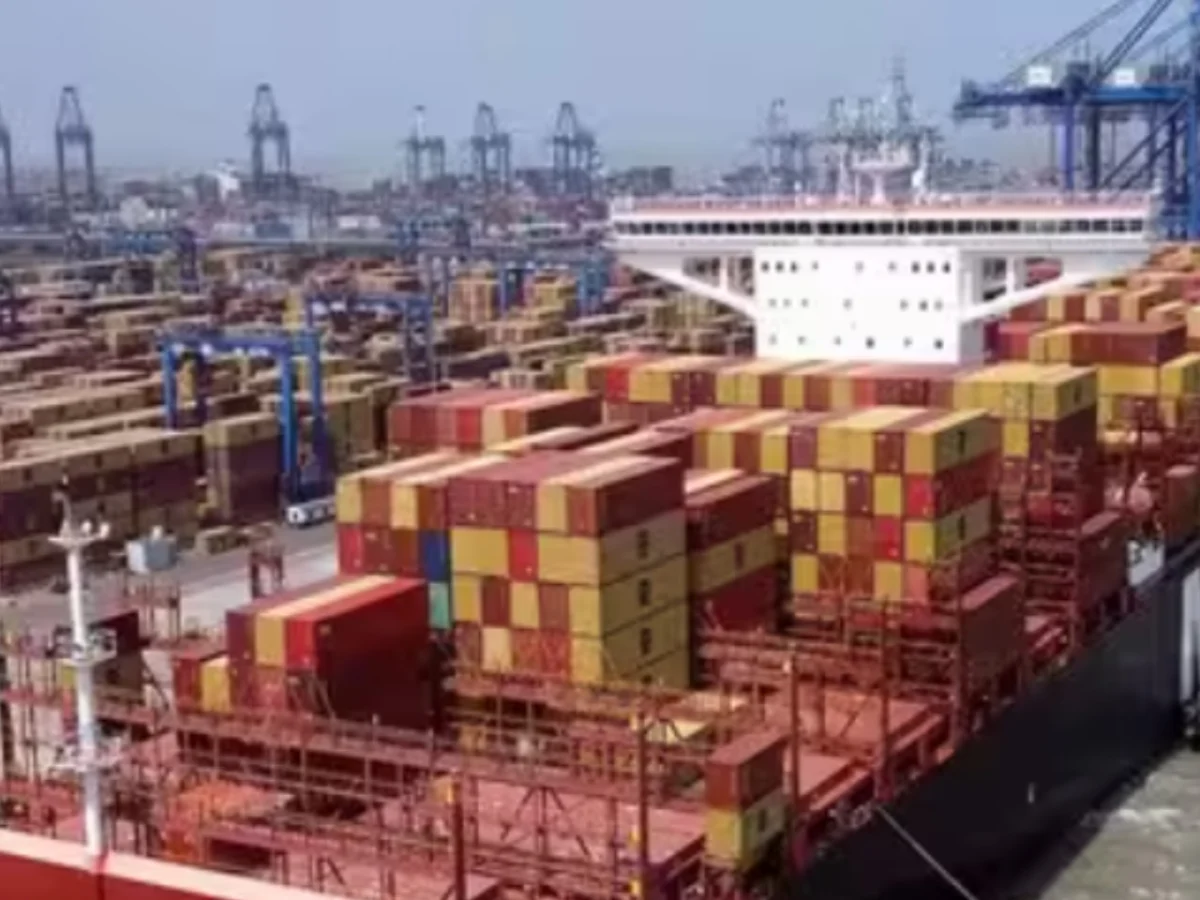
NEW DELHI, India – The United States’ recent imposition of Section 301 forced-labour tariffs on India, featuring a 10 percent levy on a broad swathe of Indian exports, marks a profound strategic pivot in global trade policy. Experts across the economic and trade spectrum are in resounding agreement: this move signals a fundamental shift from a purely tariff-driven trade regime to one increasingly dominated by compliance mandates, particularly concerning ethical labour practices and supply chain transparency. While India has secured a comparatively lower tariff rate than many other nations, this apparent advantage, analysts warn, conceals a complex web of impending challenges and significantly higher compliance burdens for Indian exporters.
The new duties, set to take effect on July 24, 2026, will apply an additional 10 percent on top of existing Most-Favoured-Nation (MFN) tariffs for approximately 70 percent of India’s exports to the US. This sweeping measure targets critical sectors including textiles, garments, engineering goods, chemicals, machinery, leather, jewellery, and furniture. This shift replaces the temporary 10 percent Section 122 Tariffs with permanent Section 301 forced-labour duties, underscoring Washington’s long-term commitment to its new trade enforcement paradigm.
Main Facts: The New Landscape of US-India Trade
The core of the US’s latest trade action lies in the invocation of Section 301 of the Trade Act of 1974, a powerful tool that grants the US Trade Representative (USTR) authority to enforce tariffs or other punitive actions against nations deemed to engage in unfair trade practices. In this instance, the focus is squarely on goods produced using forced or compulsory labour, a concern that has been gaining increasing prominence in global trade discourse.
Under the new structure, India has been placed in a lower tariff category, facing a 10 percent duty. This contrasts with 43 other economies, which will be subject to a higher 12.5 percent tariff. The USTR has indicated that India’s proactive measures, including amendments to its Foreign Trade Policy prohibiting the import of goods produced with forced labour, contributed to its more favourable categorization. However, this differential, while seemingly beneficial, is largely seen as a minor relief against a backdrop of escalating compliance demands.
)
Crucially, the tariffs are not universally applied. Exports such as steel, aluminium, copper, and certain automobile products will continue to face significantly higher duties, ranging from 25-50 percent, under existing Section 232 tariffs, which address national security concerns. The transition provision offers a brief reprieve: goods loaded before July 24, 2026, and entered into the United States by July 28, 2026, will be exempt from the new Section 301 duties.
This complex layering of tariffs – MFN, Section 232, and now Section 301 – means that Indian exports to the US are navigating an increasingly intricate and demanding regulatory environment. The overarching message from Washington is clear: access to the lucrative American market will increasingly hinge not just on competitive pricing, but on demonstrable adherence to international labour standards and ethical sourcing throughout the supply chain.

Chronology: A Trajectory Towards Compliance
The US’s focus on forced labour in trade is not a sudden development but rather the culmination of an evolving policy trajectory, gaining significant momentum over the past decade. While specific Section 301 tariffs targeting India on forced labour are new, the broader context includes:
- Early 2010s: Increased international awareness and advocacy around supply chain ethics and human rights in production, particularly following reports of exploitative labour practices in various global manufacturing hubs.
- 2015 Trade Facilitation and Trade Enforcement Act (TFTEA): This landmark legislation strengthened the US’s ability to combat forced labour by closing a loophole that previously allowed the import of goods made with forced labour if domestic production was insufficient. This marked a significant legal reinforcement of the ban.
- Trump Administration (2017-2020): While primarily known for its tariff-driven approach under Section 232 (steel/aluminium) and Section 301 (China), this era also saw an increased emphasis on fair trade and protection of American workers, implicitly laying groundwork for future labour-focused enforcement. The temporary Section 122 tariffs, which preceded the current Section 301 duties, were also a product of this period, albeit without an explicit forced labour nexus.
- Biden Administration (2021-Present): This administration has significantly amplified the focus on human rights and forced labour in trade policy. The most prominent example is the Uyghur Forced Labor Prevention Act (UFLPA), enacted in 2021, which established a rebuttable presumption that all goods manufactured wholly or in part in China’s Xinjiang Uyghur Autonomous Region are made with forced labour and thus prohibited from entry into the US. While UFLPA directly targets China, its robust enforcement mechanism and the underlying principle have served as a template for broader US action on forced labour globally. The Section 301 tariffs on India, though not directly under UFLPA, clearly align with this intensified commitment to eradicating forced labour from US supply chains.
- Recent Years: Increased scrutiny by US Customs and Border Protection (CBP) on various products suspected of involving forced labour, leading to numerous withhold release orders (WROs).
- Announcement of New Section 301 Tariffs: The formal announcement replacing Section 122 with permanent Section 301 duties specifically citing forced labour concerns, with an effective date of July 24, 2026. This move clearly signals a strategic shift from temporary trade balancing measures to long-term ethical sourcing mandates.
- India’s Proactive Response: In anticipation of or in response to growing international pressure, India amended its Foreign Trade Policy to explicitly prohibit the import of goods produced using forced or compulsory labour. This move, along with existing constitutional provisions and labour statutes, was likely a factor in India securing the lower 10 percent tariff.
This chronological overview illustrates a clear progression in US trade policy, moving beyond traditional tariff disputes to embed ethical and human rights considerations deeply within its enforcement mechanisms. The Section 301 tariffs on India are a direct manifestation of this evolving strategy.
)
Supporting Data: Quantifying the Impact and Compliance Challenge
The statistical implications of these new tariffs paint a vivid picture of the challenges ahead for India. According to the Global Trade Research Initiative (GTRI), an estimated 70 percent of India’s exports will now face the MFN tariff plus an additional 10 percent Section 301 duty. This widespread application means that a vast majority of Indian businesses engaged in trade with the US will need to recalibrate their financial models and operational strategies.
In fiscal year 2024-25, India’s textile exports to the US alone amounted to a substantial $10.8 billion, with apparel contributing approximately $5.4 billion – representing 35 percent of India’s total apparel exports. These figures highlight the significant exposure of a critical Indian industry to the new compliance regime. The textile and apparel sector, in particular, is often under intense scrutiny for labour practices globally, making it a prime candidate for the heightened demands of the Section 301 tariffs.
)
While India secured a 10 percent tariff compared to the 12.5 percent faced by 43 other economies, the actual competitive advantage this differential offers is marginal. As Manoj Mishra, Partner and Tax Controversy Management Leader at Grant Thornton Bharat, points out, "Although a 2.5 percentage point tariff differential alone is unlikely to trigger a significant shift in global supply chains, it could influence incremental sourcing and procurement decisions." This implies that while existing large contracts might not be immediately uprooted, new orders and future expansions could be swayed by the rigorous compliance requirements that accompany even the lower tariff.
The real "hidden costs" of India’s lower tariff, as suggested by the article’s title, lie not in the tariff rate itself, but in the substantial investment required for enhanced compliance. Exporters will face an unprecedented burden to provide proof of ethical sourcing, worker documentation, comprehensive factory audit reports, and end-to-end supply chain traceability. This necessitates investments in technology, auditing processes, and human resources, which can be considerable, especially for small and medium-sized enterprises (SMEs).
)
The Tariff-Rate Quota (TRQ) exemption for certain competing exporters further exacerbates India’s challenge. Countries like Bangladesh, Cambodia, Indonesia, and Malaysia, which utilize US-origin cotton and fibre, are exempt from TRQ requirements under the new Section 301 regime for textiles and apparel. This puts Indian textile and apparel exports at a relative disadvantage, particularly for cotton-based apparel, as these beneficiary countries can access the US market at lower effective tariff rates. This data underscores the multifaceted nature of the challenge, extending beyond the headline tariff figure to structural disadvantages in specific sectors.
Official Responses and Expert Commentary: A Deep Dive into Perspectives
The US government’s official stance, though not explicitly detailed in the provided text, is implicitly clear: these tariffs are a direct response to concerns about forced labour and are designed to promote fair and ethical trade practices globally. The USTR’s decision to differentiate tariff rates based on a country’s proactive measures against forced labour indicates an attempt to incentivize compliance.
)
Ajay Srivastava, Founder of the Global Trade Research Initiative (GTRI), offers a critical perspective, questioning the fundamental premise of the tariffs. He flags the "lack of credible factual basis" for the tariff, asserting that "it appears designed to preserve the Trump administration’s tariff wall rather than address an unproven forced-labour problem in India." Srivastava supports this by highlighting India’s existing robust legal framework: constitutional provisions and labour statutes already prohibit forced labour in domestic production, and recent amendments to the Foreign Trade Policy explicitly ban the import of goods produced using forced or compulsory labour. This suggests that the US action might be more about broader trade policy objectives and maintaining tariff barriers than a specific, substantiated forced-labour issue in India.
Srivastava also issues a stark warning about potential future trade curbs. He notes Washington’s increasing tendency to impose country-specific tariffs, citing recent actions against Brazil and Canada. He cautions that "Similar measures could eventually be extended to India citing purchases of Russian oil, or broader geopolitical considerations." This perspective underscores a growing trend of trade policy being leveraged for geopolitical ends, adding another layer of complexity and uncertainty for Indian exporters.
)
Manoj Mishra of Grant Thornton Bharat acknowledges the "slight competitive advantage" offered by India’s lower tariff category, especially for sectors like engineering goods, electronics, auto components, specialty chemicals, medical devices, and textiles. These sectors are seeing buyers reassess sourcing strategies, creating a potential window for India. However, Mishra’s counsel is firmly rooted in the new compliance reality. He advises Indian exporters to "leverage this window by strengthening supply chain resilience, deepening customer relationships, and reinforcing compliance with labour and ESG standards, which are increasingly becoming key determinants of global sourcing." His emphasis is not on the tariff differential itself, but on utilizing it as a momentary advantage to build long-term, compliance-driven relationships.
R Sampath Raghavan, an International Trade Consultant, provides a granular analysis, particularly concerning the textile sector. He notes that the new tariff regime marks a "structural shift in US trade policy, especially for apparel and textiles." The absence of a textile and apparel Tariff-Rate Quota (TRQ) exemption for India, unlike competitors such as Bangladesh, Cambodia, Indonesia, and Malaysia (who use US-origin cotton and fibre), puts India at a "relative disadvantage." This specific detail highlights how nuanced policy decisions can create significant competitive imbalances. Raghavan starkly warns that "India loses competitive advantage in cotton-based apparel/ US buyers may shift sourcing to TRQ-beneficiary countries."
)
Beyond market share, Raghavan stresses the "significantly higher compliance burden" for exporters. He predicts that "US buyers are expected to demand proof of ethical sourcing, worker documentation, factory audit reports and end-to-end supply chain traceability as a condition for continued sourcing." This points to a paradigm where due diligence becomes paramount. He unequivocally asserts that the Section 301 forced-labour tariff ushers in a "new era of compliance-driven trade," concluding that "exporters who invest in traceability, worker documentation, and supply-chain transparency will be best positioned to protect market share in the US."
Collectively, these expert voices paint a picture of a trade environment where the "rules of the game" are fundamentally changing. While a 10 percent tariff might seem manageable, the underlying demand for verifiable ethical sourcing and robust supply chain transparency represents a much more formidable challenge and a prerequisite for sustained market access.
)
Implications: Navigating the New Global Trade Imperative
The implications of the US Section 301 forced-labour tariffs are far-reaching, reshaping not only India’s export strategy but also influencing the broader landscape of global trade.
Economic Impact on India
The immediate economic impact for India will be multifaceted. The additional 10 percent duty will inevitably increase the cost of Indian goods in the US market, potentially eroding their price competitiveness against goods from non-tariffed countries or those with TRQ exemptions. While the 2.5 percentage point differential might offer a slight edge over some nations, it is unlikely to be a game-changer.
)
The most vulnerable sector appears to be textiles and apparel. With a substantial $10.8 billion in exports to the US, this industry, already grappling with global competition, will face intense pressure. The loss of competitive advantage in cotton-based apparel, as highlighted by Sampath Raghavan, could lead to a diversion of sourcing to beneficiary countries, impacting Indian manufacturers, particularly SMEs that may lack the resources for extensive compliance overhauls. Other sectors like engineering goods, chemicals, and furniture will also feel the pinch of increased costs, potentially slowing export growth.
Furthermore, the "hidden costs" of compliance – investments in technology for traceability, audits, training, and robust documentation systems – will add a significant burden. This could particularly strain smaller exporters, potentially leading to market consolidation or reduced participation in US-bound supply chains.
)
Shift in Global Trade Dynamics
The US action against India is a strong signal of a broader global shift towards compliance-driven trade. Ethical sourcing, environmental, social, and governance (ESG) standards, and human rights are rapidly moving from aspirational corporate social responsibility initiatives to mandatory prerequisites for market access. This trend is likely to accelerate, with other developed economies potentially adopting similar measures.
The move reinforces the US’s role as a proactive enforcer of global trade norms, willing to use its economic leverage to shape supply chain practices worldwide. It also underscores the increasing intertwining of trade policy with geopolitical considerations and domestic political imperatives, such as protecting American labour standards. The emphasis on supply chain transparency will force companies globally to map their entire production process, from raw materials to finished goods, with unprecedented detail.
)
Recommendations for Indian Exporters
To mitigate the adverse effects and capitalize on any potential advantages, Indian exporters must embark on a comprehensive strategy focused on proactive compliance and strategic adaptation:
- Invest in Robust Traceability Systems: This is paramount. Exporters must be able to demonstrate the origin of raw materials and the entire production journey, ensuring no forced labour is involved at any stage. Blockchain technology and advanced data analytics can play a crucial role here.
- Strengthen Worker Documentation and Welfare: Meticulous record-keeping of worker contracts, wages, working hours, and grievance mechanisms will be essential. Adherence to international labour standards, including fair wages, safe working conditions, and freedom of association, must be verifiable. Proactive social audits are critical.
- Reinforce ESG Standards: Beyond labour, a holistic approach to ESG compliance will become a competitive differentiator. This includes environmental sustainability practices, transparent governance, and community engagement.
- Deepen Customer Relationships and Communication: Exporters should proactively engage with their US buyers, educating them about their compliance efforts and seeking collaboration on ethical sourcing initiatives. Building trust through transparency will be key.
- Diversify Markets and Products: While the US remains a crucial market, exploring new export destinations and diversifying product portfolios can reduce over-reliance and mitigate risks associated with country-specific trade policies.
- Leverage Technology and Automation: Implementing digital solutions for supply chain management, compliance tracking, and audit preparation can streamline processes, reduce costs, and enhance data accuracy.
- Engage with Industry Bodies and Government: Collaborative efforts with industry associations and the Indian government to develop industry-wide best practices, share resources, and advocate for policy adjustments can be beneficial.
Long-term Outlook
The long-term outlook for US-India trade will depend significantly on India’s ability to adapt to this compliance-driven paradigm. If Indian exporters can successfully navigate these new requirements, it could enhance India’s reputation as a reliable and ethically responsible sourcing destination, potentially attracting new investments and partnerships. Failure to adapt, however, risks market share erosion and a diminished role in global supply chains.
)
The strategic imperative for India is clear: embrace the "new era of compliance-driven trade" not as a burden, but as an opportunity to build a more resilient, ethical, and competitive export ecosystem. This shift demands a holistic transformation, making ethical sourcing and supply chain transparency as critical to business success as pricing and quality.
Q&A
)
What is "Import of goods produced with forced labour"?
This refers to the act of bringing products into a country that were manufactured, either wholly or in part, using workers who were not operating freely or voluntarily. This includes practices such as debt bondage, human trafficking, child labour, or coercion. Section 301 of the Trade Act of 1974 is a powerful tool used by the US Trade Representative (USTR) to address such issues by imposing tariffs or other punitive actions against nations found to be engaging in or facilitating unfair trade practices, including those related to forced labour.
How many US tariffs are imposed on India?
Indian exports to the US are now subject to a complex, multi-layered tariff structure. These include:
- Most Favoured Nation (MFN) Tariffs: These are the standard, baseline tariffs that the US applies to imports from most countries, varying significantly by product category.
- Section 301 Tariffs: The newly imposed 10% additional duty on most Indian exports, specifically targeting goods linked to forced labour concerns. This applies to a vast range of products, including textiles, engineering goods, chemicals, and furniture.
- Section 232 Tariffs: Higher duties (typically 25-50%) imposed on specific sectors such as steel, aluminium, copper, and certain automobile products, justified on national security grounds.
Therefore, an Indian product might face its MFN tariff, plus a 10% Section 301 duty, and if it’s steel or aluminium, it would also face a Section 232 duty on top of that. This layered approach creates a significant and intricate tariff landscape for Indian exporters.
