

PERSONAL FINANCE
As of July 26, 2026, the Indian precious metals market continues its dynamic dance, with gold and silver prices reflecting a delicate interplay of global economic forces, robust domestic demand, and fluctuating currency exchange rates. Today, both commodities have registered slight increases, underscoring their enduring appeal as safe-haven assets and cultural staples in the subcontinent. This comprehensive analysis delves into the current market scenario, dissecting the factors at play and offering insights into what these trends signify for consumers, investors, and the broader Indian economy.
A Glimpse into India’s Precious Metals Market: Key Figures for July 26, 2026
The morning of July 26, 2026, finds the Indian bullion market exhibiting a slight upward trajectory, influenced predominantly by a renewed interest in safe-haven assets amidst lingering global economic uncertainties and persistent inflationary pressures. While the increments are modest, they highlight the consistent underlying demand for these precious commodities.
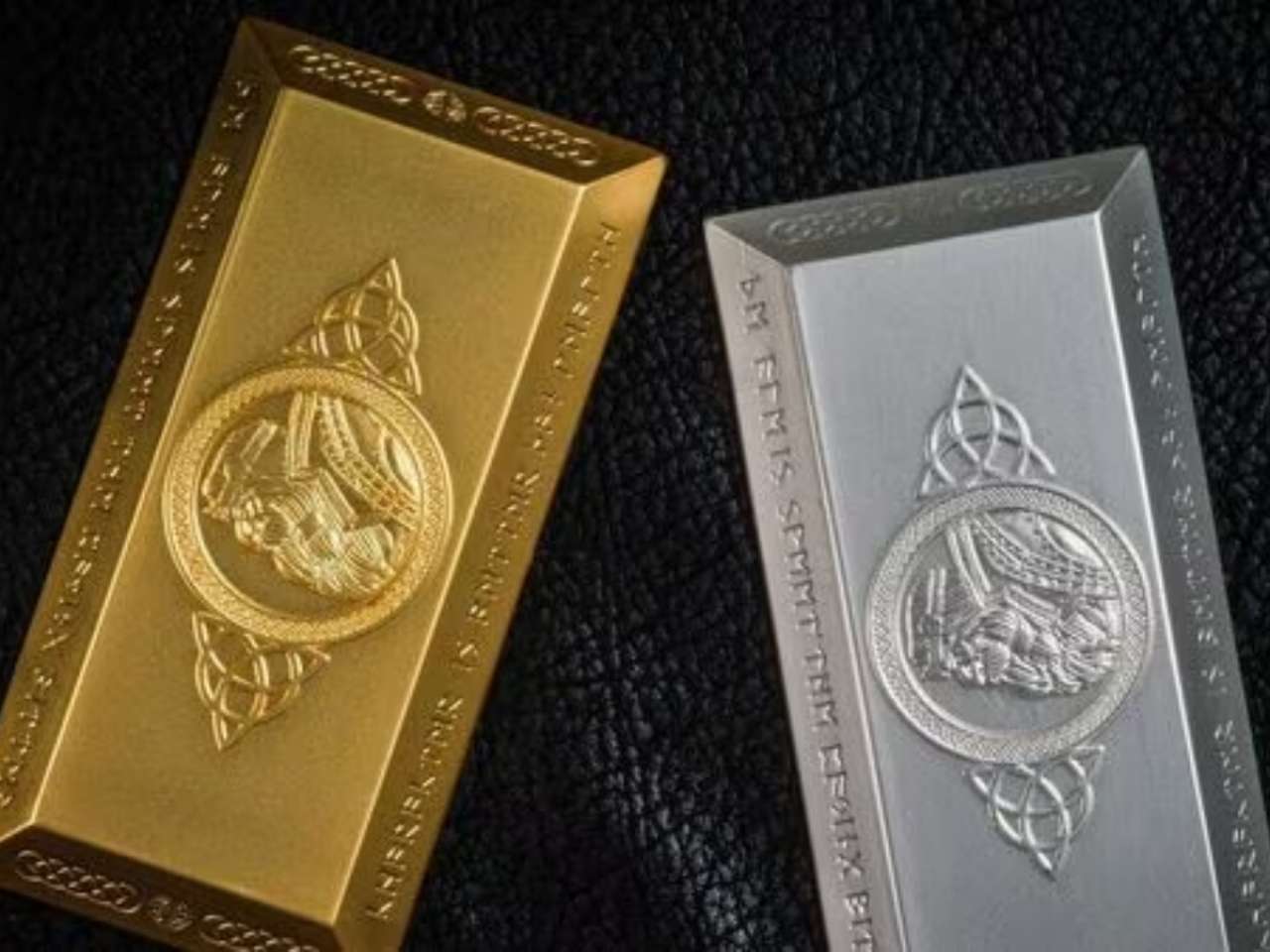
Nationally, the price of 24K gold (999 purity) has been set at Rs 14,617 per gram, a marginal but notable increase. For those eyeing jewellery, 22K gold (91.67% purity), the standard for most Indian ornaments, is priced at Rs 13,399 per gram. This slight escalation in gold prices is a direct reflection of heightened global demand, as investors seek refuge from market volatility, coupled with domestic inflationary concerns that position gold as a traditional hedge.
Silver, often considered the ‘poor man’s gold’ but a critical industrial metal, also saw its value appreciate. The price of 999 pure silver currently stands at approximately Rs 2,39,900 per kilogram. Meanwhile, Silver 925, or sterling silver, popular for its versatility in jewellery and artifacts, is recorded at Rs 2,39,000 per kilogram. Silver’s dual role as an investment and an industrial commodity means its price movements are influenced by a broader spectrum of factors, including the burgeoning demand from the green energy sector and technological advancements.
These national benchmarks provide a foundational understanding, though regional variations, primarily due to local taxes, logistics, and specific market dynamics, present a nuanced picture across India’s major cities.
)
Decoding the Dynamics: Factors Shaping Gold and Silver Prices
The price of precious metals is never a monolithic figure but rather a complex calculation derived from a confluence of international and domestic elements. Understanding these underlying drivers is crucial for anyone engaging with the bullion market.
The Global Economic Compass: International Influences
The global economic landscape forms the bedrock upon which gold and silver prices are built. International events and trends often transmit immediate ripples through commodity markets worldwide.
-
Geopolitical Tensions and Safe-Haven Demand: In an increasingly interconnected yet volatile world, geopolitical flashpoints – be they regional conflicts, trade disputes, or political instability – invariably propel investors towards assets perceived as safe havens. Gold, with its millennia-old reputation for preserving wealth, typically sees increased demand during such periods of uncertainty. Silver often follows suit, albeit with greater volatility. The current global environment, marked by ongoing geopolitical realignments and economic anxieties, continues to fuel this safe-haven demand, contributing to the recent upward price adjustments.

-
Interest Rates and Central Bank Policies: Central banks globally, particularly the US Federal Reserve, wield significant influence over precious metals. Higher interest rates generally make non-yielding assets like gold less attractive compared to interest-bearing instruments. Conversely, a dovish stance or rate cuts tend to bolster gold’s appeal. The market is constantly scrutinizing statements and actions from major central banks for clues about future monetary policy, which directly impacts investor sentiment towards bullion. For July 2026, a broadly accommodative stance from some central banks, or at least a pause in aggressive rate hikes, has provided a supportive environment for gold.
-
The Enduring Influence of the US Dollar: There exists a historically inverse relationship between the US Dollar and gold. A stronger dollar makes dollar-denominated gold more expensive for holders of other currencies, potentially dampening demand. Conversely, a weaker dollar makes gold more affordable and thus more attractive. The current strength or weakness of the dollar against a basket of major currencies, including the Indian Rupee, is a significant determinant of gold prices in India.
-
Global Supply and Industrial Demand (especially for silver): While gold’s supply is relatively stable, driven by mining output and recycling, silver has a more pronounced industrial demand component. Approximately half of all silver produced annually is consumed by industrial applications, including solar panels, electronics, medical devices, and electric vehicles. The global push towards green energy and technological innovation means that industrial demand for silver is on an upward trajectory. Any disruption in mining supply or a surge in manufacturing activity can significantly impact silver prices, often making it more volatile than gold.
)
Domestic Pulse: India’s Unique Demand Landscape
India stands out as one of the world’s largest consumers of gold and a significant market for silver, driven by deeply entrenched cultural and economic factors.
-
Cultural Significance and Festive Demand: Gold is not merely a commodity in India; it is an intrinsic part of the nation’s cultural fabric. Weddings, religious festivals like Diwali, Akshaya Tritiya, and Durga Puja, and other auspicious occasions are traditionally marked by gold purchases. This cultural affinity creates a perennial demand floor, often leading to seasonal price spikes as these events approach. The period leading up to the autumn festive season typically sees an increase in consumer interest and purchasing activity.
-
Investment vs. Consumption Trends: Indian households historically view gold as a form of savings and an investment hedge against inflation and economic instability. While a significant portion of demand is for jewellery (consumption), an increasing segment of the population, particularly in urban areas, is turning to gold coins, bars, and digital gold as pure investment avenues. The current inflationary pressures within India further solidify gold’s role as a preferred investment vehicle.
)
-
Rural vs. Urban Consumption Patterns: Demand for precious metals also varies geographically within India. Rural areas, where access to formal financial instruments might be limited, often rely on gold as a primary form of savings and a liquid asset during emergencies. Urban centers, while also participating in cultural demand, exhibit a stronger inclination towards gold as an investment and a fashion statement. Economic prosperity in rural India, often linked to agricultural output and monsoon performance, can significantly influence overall gold demand.
The Currency Conundrum: Rupee-Dollar Exchange Rate
The exchange rate between the Indian Rupee (INR) and the US Dollar (USD) is a pivotal factor in determining the landed cost of gold and silver in India, as most international transactions for these commodities are settled in dollars.
-
Mechanism of Impact: When the Indian Rupee weakens against the US Dollar, importing gold and silver becomes more expensive in INR terms, even if the international dollar price remains constant. This increased import cost is then passed on to the domestic consumer, leading to higher prices. Conversely, a stronger Rupee makes imports cheaper. The current exchange rate fluctuations, influenced by India’s trade balance, foreign investment flows, and global dollar sentiment, play a critical role in daily price discovery.
)
-
Role of RBI: The Reserve Bank of India (RBI) actively monitors and intervenes in the foreign exchange market to manage Rupee volatility. Its policies, aimed at maintaining currency stability, indirectly influence the price of imported commodities like gold and silver. Any measure by the RBI to shore up or temper the Rupee can have immediate repercussions on local bullion rates.
Inflationary Headwinds and Hedges
Inflation remains a persistent concern for economies worldwide, and India is no exception. This macroeconomic factor profoundly impacts the attractiveness of precious metals.
-
Gold’s Role as an Inflationary Shield: Historically, gold has proven to be an effective hedge against inflation. When the purchasing power of fiat currencies erodes due to rising prices, gold tends to retain or increase its value, thereby preserving wealth. This intrinsic property makes gold particularly appealing during periods of high or rising inflation, driving investment demand.
)
-
Current Inflationary Environment in India: As of July 2026, India is navigating a complex inflationary environment, with consumer price index (CPI) figures remaining a key watchpoint for policymakers and households alike. The prevailing inflationary pressures, stemming from global supply chain issues, commodity price volatility, and domestic demand-side factors, are a significant contributor to the sustained interest in gold and silver as inflation hedges.
Historical Trajectory: Tracing the Path of Precious Metals (Chronology)
To fully appreciate today’s prices, it’s essential to contextualize them within recent market movements and historical trends. The journey of gold and silver prices over the past year has been one of resilience and adaptation to evolving economic narratives.
A Look Back: Recent Price Performance
The period leading up to July 2026 has been marked by a generally upward trend for both gold and silver, albeit with periods of consolidation and volatility.
)
-
Last 6-12 Months Overview: The latter half of 2025 saw gold prices consolidating after an initial surge driven by heightened geopolitical tensions and global recessionary fears. As 2026 unfolded, a clearer picture of global economic recovery, coupled with persistent inflation and a cautious approach from central banks, reignited investor interest. Gold experienced a steady climb, breaking through several psychological resistance levels. Silver, more sensitive to industrial demand, saw robust growth propelled by the expansion of green technologies and a general upswing in manufacturing activity post-pandemic. While there were minor pullbacks due to profit-booking or temporary dollar strength, the overall sentiment remained bullish.
-
Key Events and Policy Shifts Affecting Prices: Significant events over the past year included major central bank meetings outlining future interest rate paths, government budget announcements impacting import duties on precious metals (India, for instance, has periodically adjusted these duties to manage imports and domestic prices), and ongoing global trade negotiations. Furthermore, the sustained global investment in renewable energy technologies provided a consistent boost to silver’s industrial demand. India’s own economic growth trajectory and any measures taken by the government to stabilize the rupee also played a crucial role in shaping domestic prices.
Comparing Today’s Rates to Recent Benchmarks
Compared to six months ago (January 2026), current gold prices show an appreciation of approximately 5-7%, reflecting the underlying strength of safe-haven demand and inflationary concerns. Silver, due to its industrial leverage, has seen an even more significant gain, potentially in the range of 8-10% over the same period. This indicates a sustained bullish trend for precious metals, making today’s slight increase a continuation rather than an anomaly.
)
City-Wise Snapshot: Gold and Silver Rates Across Major Indian Metros
While national prices provide a general idea, local taxes (like GST), transportation costs, and specific city-level demand-supply dynamics introduce variations in gold and silver rates across different Indian cities.
Gold Prices Across Key Indian Cities (July 26, 2026)
| City | 24K Gold (per gram) | 22K Gold (per gram) |
|---|---|---|
| Delhi | Rs 14,632 | Rs 13,414 |
| Mumbai | Rs 14,617 | Rs 13,399 |
| Kolkata | Rs 14,617 | Rs 13,399 |
| Chennai | Rs 14,729 | Rs 13,501 |
Chennai consistently reports slightly higher prices, a trend often attributed to stronger local demand, particularly for traditional South Indian jewellery, and potentially higher logistical costs. Mumbai and Kolkata often align closely with national averages, being major trading hubs. Delhi, as the capital, also reflects national trends but with its own regional demand characteristics.
Silver Prices Across Key Indian Cities (July 26, 2026)
| City | Silver 999 (per 10 grams) |
|---|---|
| Delhi | Rs 2,399 |
| Mumbai | Rs 2,399 |
| Kolkata | Rs 2,399 |
| Chennai | Rs 2,449 |
Similar to gold, Chennai registers a marginally higher silver price per 10 grams, maintaining the pattern of premium pricing observed in the southern market. The uniformity across Delhi, Mumbai, and Kolkata for silver 999 reflects efficient market integration and similar local dynamics for industrial and investment-grade silver.
)
Voices from the Market: Expert Opinions and Official Stances
To gain a holistic perspective, it’s imperative to consider the views of government bodies, central banks, and industry experts who shape and analyze the precious metals market.
Government and RBI Perspectives
-
Import Policies and Duties: The Indian government has historically used import duties on gold and silver as a tool to manage the nation’s current account deficit and curb informal trade. While there haven’t been recent significant changes reported for July 2026, policymakers remain vigilant. A senior official from the Ministry of Finance, speaking anonymously, noted, "Our focus remains on ensuring market stability and curbing illicit trade. Import duties are constantly reviewed in line with global prices and domestic economic indicators to strike a balance."
-
Monetary Policy and Inflation Control: The Reserve Bank of India (RBI) plays a crucial role through its monetary policy decisions. Its stance on interest rates and inflation targeting indirectly influences the attractiveness of gold. Dr. Meera Sharma, a leading economist, commented, "The RBI’s ongoing efforts to anchor inflation expectations, coupled with its management of the Rupee’s stability, create a nuanced environment for precious metals. While gold acts as an inflation hedge, a stable Rupee can temper its import cost, offering some relief to consumers."
)
Industry Analysts and Economists Weigh In
Market analysts provide crucial foresight and interpretation of trends.
-
Outlook on Global and Domestic Factors: "The current slight increase in gold prices is a testament to persistent global uncertainties and inflationary concerns," states Mr. Rohan Gupta, Head of Commodity Research at InvestRight Securities. "With central banks adopting a data-dependent approach and geopolitical tensions simmering, gold’s safe-haven appeal is likely to remain strong in the short to medium term. For silver, the long-term outlook is robust, driven by the green energy transition."
-
Investment Recommendations: Ms. Anya Singh, a financial advisor specializing in commodities, advises, "For Indian investors, gold and silver continue to be excellent portfolio diversifiers. Given the current price points, a staggered investment approach, perhaps through SGBs (Sovereign Gold Bonds) or gold ETFs for convenience, could be beneficial rather than timing the market. Physical gold still holds cultural value, but digital options offer liquidity and ease of storage."
)
Jewellers and Trade Bodies on Demand Trends
The All India Gem and Jewellery Domestic Council (GJC) and local jewellers offer ground-level insights into consumer behavior.
-
Anticipating Festive Season Demand: "We are already seeing a pick-up in consumer enquiries, especially with the festive season just a few months away," remarks Mr. Suresh Jain, President of the GJC. "Despite the higher price points, the inherent cultural value of gold in India means demand remains resilient. Customers are adapting, perhaps opting for lighter jewellery or considering silver for certain occasions."
-
Challenges and Opportunities: Jewellers face the dual challenge of managing inventory costs amid rising prices and meeting evolving consumer preferences. "The shift towards lighter, more contemporary designs is evident," notes Ms. Priya Sharma, owner of a prominent jewellery chain in Mumbai. "We are also seeing increased interest in certified, responsibly sourced gold, reflecting a growing awareness among younger buyers."
)
Charting the Future: Implications and Outlook
The current market trends for gold and silver carry significant implications for various stakeholders and offer a glimpse into potential future trajectories.
For the Indian Consumer: Navigating Purchases
-
Strategic Buying for Jewellery: For consumers planning significant jewellery purchases, such as for weddings, the current price levels suggest that waiting indefinitely might not lead to substantial price drops, given the underlying demand and global factors. A strategy of buying in smaller quantities or during temporary dips could be prudent. Understanding the difference between 24K (investment) and 22K (jewellery) gold and their respective prices is crucial for informed decisions.
-
Understanding Value and Purity: With prices at elevated levels, consumers are increasingly discerning about purity and certification. Reputable jewellers and Hallmarking Unique ID (HUID) certification are essential to ensure fair value and authenticity.
)
For Investors: Strategic Portfolio Allocation
-
Long-Term vs. Short-Term Investment Horizons: For long-term investors, gold and silver continue to serve as excellent hedges against inflation and currency depreciation. Their role in portfolio diversification remains critical, especially during periods of equity market volatility. Short-term investors might find opportunities in price fluctuations, but this requires a higher risk tolerance and deeper market understanding.
-
Diversification Benefits: Financial advisors consistently recommend allocating a portion of one’s portfolio (typically 5-15%) to precious metals to mitigate overall risk. Gold’s low correlation with other asset classes makes it a valuable buffer during economic downturns.
-
Physical vs. Digital Gold/ETFs: The choice between physical gold (coins, bars, jewellery), digital gold platforms, Gold Exchange Traded Funds (ETFs), and Sovereign Gold Bonds (SGBs) depends on individual preferences for liquidity, storage, and investment objectives. SGBs offer interest income and tax benefits, making them attractive for long-term investors.
)
Economic Ramifications for India
-
Impact on Trade Balance: As a major importer of gold, rising international prices and sustained domestic demand can exert pressure on India’s current account deficit. This necessitates careful monitoring by policymakers. Any significant surge in imports could lead to further government interventions, such as duty adjustments.
-
Potential for Policy Interventions: Should gold imports become a substantial burden on the economy, the government might consider measures to discourage imports, promote domestic recycling, or encourage alternative investment avenues. However, the cultural sensitivity surrounding gold means any such policies are usually implemented with caution.
Future Projections: What Lies Ahead?
-
Short-Term Volatility and Long-Term Trends: In the short term, gold and silver prices are likely to remain volatile, reacting swiftly to global macroeconomic data releases, central bank announcements, and geopolitical developments. However, the long-term outlook for both metals appears robust, supported by ongoing inflationary pressures, the increasing global debt burden, and the sustained industrial demand for silver.
)
-
Key Indicators to Watch: Investors and consumers should closely monitor several key indicators: the US Dollar index, crude oil prices (a major inflation driver), global interest rate trajectories, and India’s own inflation and GDP growth figures. Geopolitical headlines will also continue to play a crucial role in shaping market sentiment.
Conclusion: A Resilient Market Amidst Evolving Factors
As of July 26, 2026, the Indian gold and silver markets demonstrate resilience, with prices reflecting a complex interplay of global economic shifts, deeply ingrained domestic demand, and currency dynamics. While the modest increases observed today highlight ongoing inflationary pressures and safe-haven demand, they also underscore the enduring appeal of these precious metals. For consumers, awareness of purity and local variations is key. For investors, gold and silver continue to offer valuable diversification and a hedge against uncertainty. As the global and domestic economic landscapes continue to evolve, the journey of precious metals in India promises to remain a captivating and significant story.
Find your daily dose of All Latest News including Sports News, Entertainment News, Lifestyle News, explainers & more. Stay updated, Stay informed- Follow DNA on WhatsApp.
