

BUSINESS
New Delhi, June 26, 2026 – India’s vibrant precious metals market continues to demonstrate its inherent volatility, with gold and silver prices on June 26, 2026, reflecting a complex interplay of global economic forces, nuanced domestic demand, and fluctuating currency dynamics. While the global landscape presents a mosaic of inflationary pressures and geopolitical uncertainties, local market sentiment, particularly ahead of upcoming festive seasons, remains a critical determinant for these cherished commodities.
Today, consumers and investors across major Indian cities are observing distinct price points for both gold and silver, influenced by international benchmarks and localized supply-demand equations. This report delves into the current valuations, the underlying factors shaping them, expert perspectives, and the broader implications for the Indian economy and its populace.
Main Facts: A Snapshot of Today’s Market
As of June 26, 2026, the Indian precious metals market is experiencing a dynamic phase, characterized by specific pricing trends for both gold and silver. Gold, often considered a safe-haven asset, has registered a slight upward movement, primarily attributed to persistent global demand and inflationary pressures impacting major economies worldwide. Simultaneously, silver, with its dual role as an investment and industrial metal, is holding steady, its valuation keenly sensitive to manufacturing output and broader economic activity.
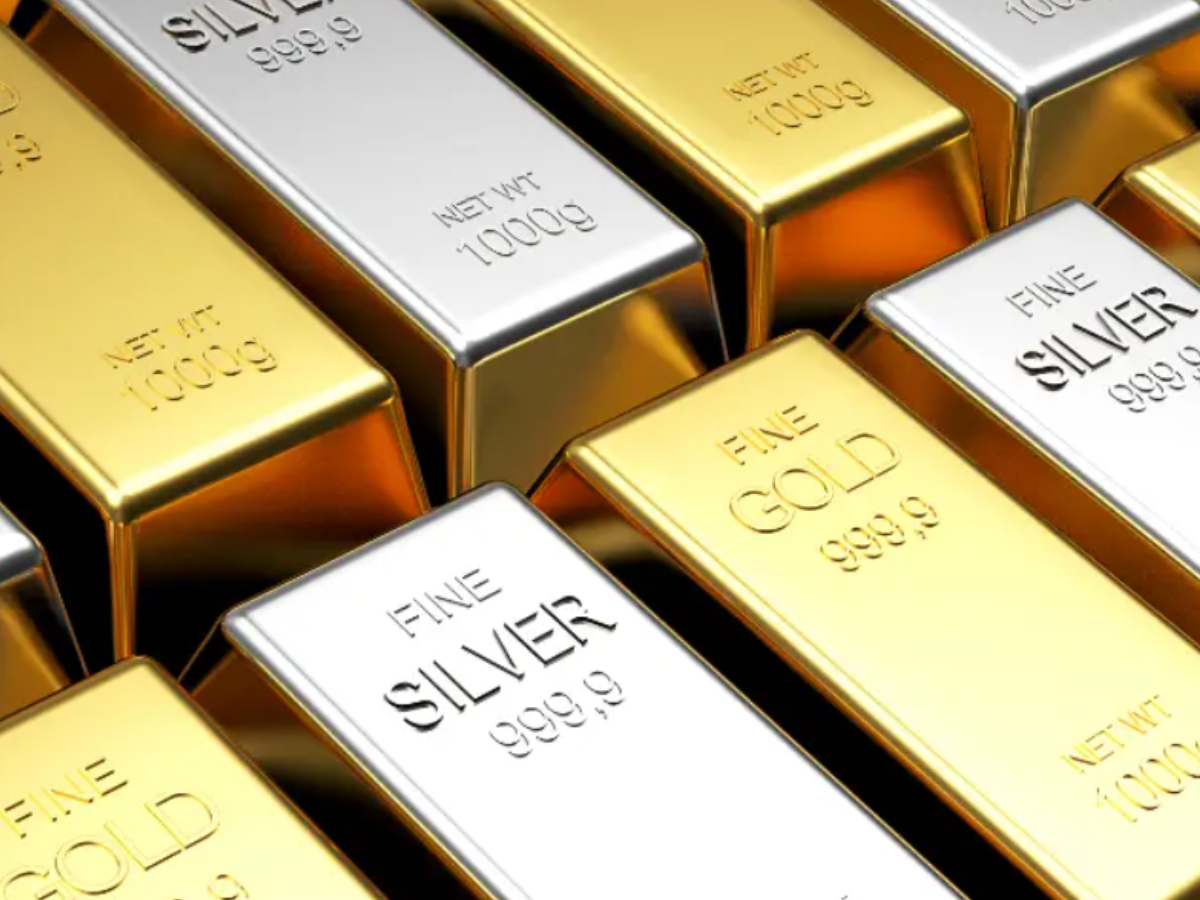)
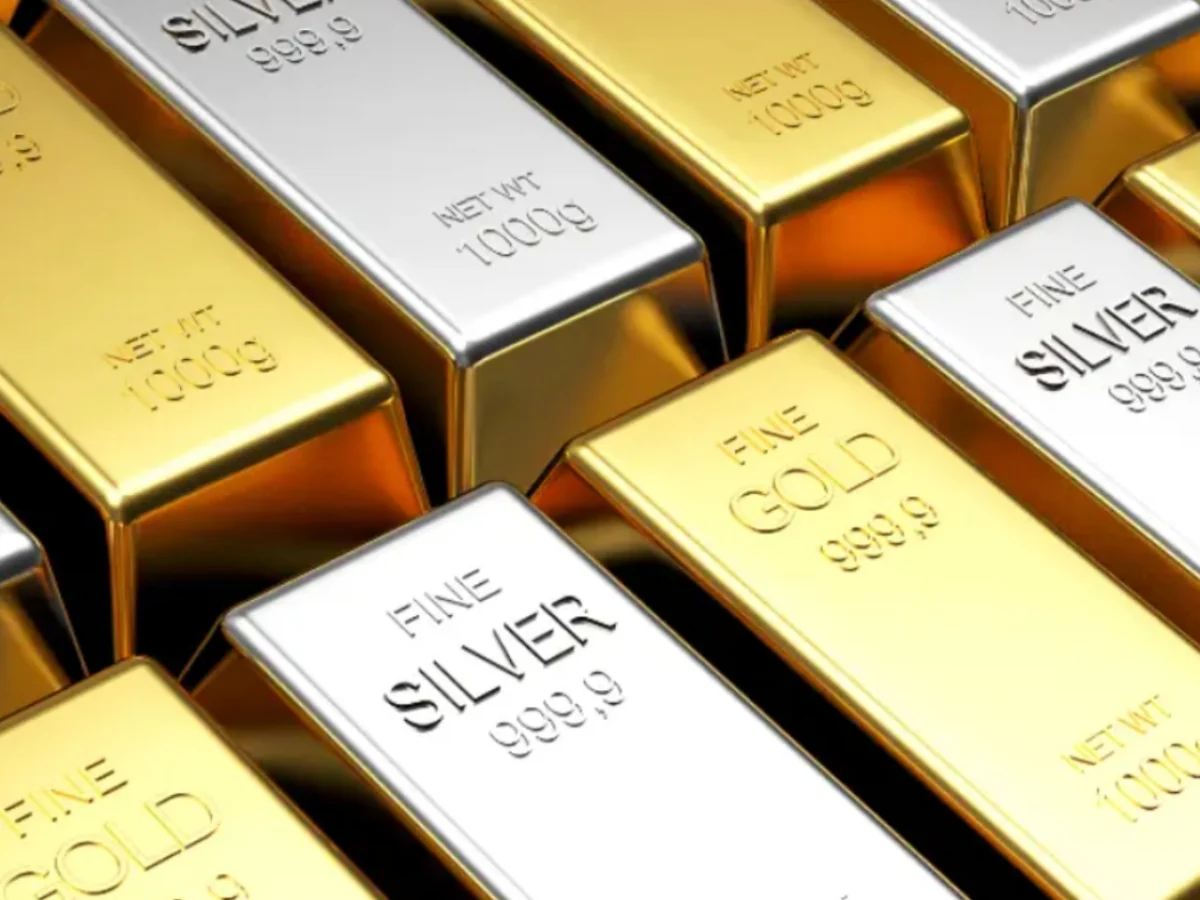
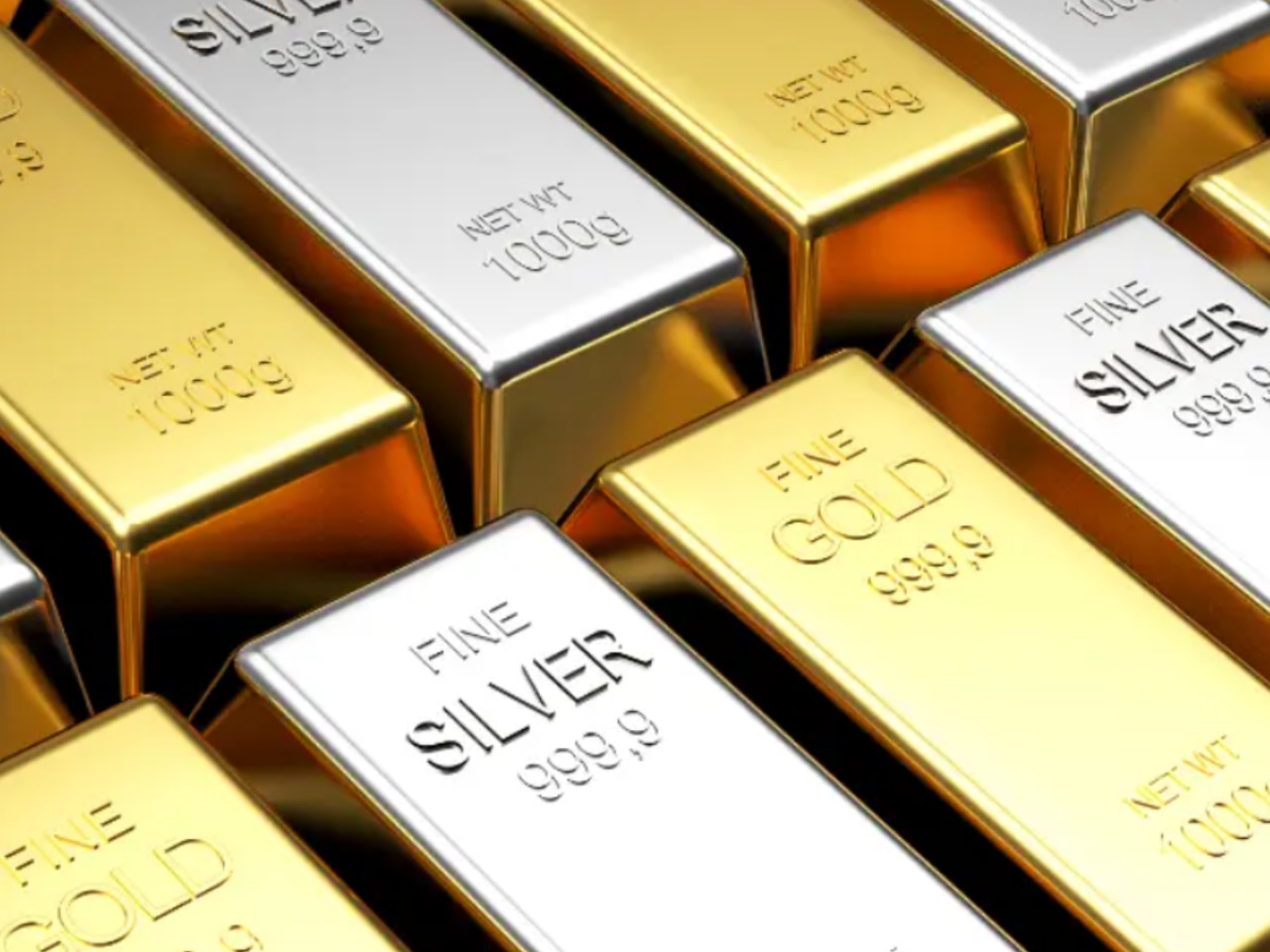
For discerning investors and consumers, the price of 24-carat gold (999 pure) across India averages around Rs 14,132 per gram, while 22-carat gold, the preferred choice for jewellery, hovers at approximately Rs 12,954 per gram. Silver (999 purity) is currently priced at about Rs 2,34,900 per kilogram, or Rs 2,349 per 10 grams in most major cities. These figures underscore the intrinsic value and ongoing allure of precious metals in the Indian context, where they serve both as cultural mainstays and critical investment vehicles.
The variations observed across metropolitan centres like Delhi, Mumbai, Kolkata, and Chennai highlight the localized factors that refine national trends into city-specific rates. These differentials are a constant feature of India’s fragmented yet robust commodity markets, where regional taxes, transportation costs, and specific local demand surges contribute to the final consumer price.

Chronology: Tracing the Trajectory of Precious Metals in a Evolving Global Economy
The current prices of gold and silver on June 26, 2026, are not isolated figures but rather the culmination of a series of economic events and market shifts over the past year and beyond. Understanding this chronology is crucial to grasping the present landscape.
Historically, gold and silver have held immense cultural and economic significance in India. Gold, in particular, is deeply interwoven with traditions, wealth preservation, and social status, especially during weddings and festivals. This deep-rooted demand provides a strong floor for prices, often insulating them from extreme global downturns compared to other markets.
)
The Post-Pandemic Rebound and Inflationary Pressures (2023-2025): Following the initial shocks of the global pandemic, central banks worldwide, including the Reserve Bank of India (RBI), engaged in unprecedented monetary easing. This period saw a significant surge in liquidity, leading to a subsequent rise in inflation across economies. Gold, traditionally seen as a hedge against inflation, experienced robust demand during this phase. Investors flocked to safe havens, pushing prices upwards as the purchasing power of fiat currencies eroded. Silver, benefiting from its dual role, also saw an uptick, driven by both investment interest and a recovery in industrial production as global supply chains gradually normalized.
Geopolitical Undercurrents and Supply Chain Resilience (Late 2025 – Early 2026): The latter half of 2025 and early 2026 were marked by persistent geopolitical tensions in various regions, impacting global trade routes and commodity flows. Such uncertainties typically fuel safe-haven demand for gold. Concurrently, efforts to build more resilient supply chains saw increased industrial demand for silver, particularly in sectors like renewable energy (solar panels) and advanced electronics, where silver is an indispensable component. This sustained industrial uptake provided a consistent upward pressure on silver prices, distinguishing its trajectory somewhat from pure investment assets.
)
Monetary Policy Tightening and Currency Fluctuations (Mid-2026): As inflation proved more stubborn than initially anticipated, major central banks began to signal and implement further monetary policy tightening, including interest rate hikes. Higher interest rates typically increase the opportunity cost of holding non-yielding assets like gold, potentially dampening demand. However, the sheer scale of inflationary pressures and ongoing global economic uncertainties have meant that gold’s appeal as a store of value has largely persisted, albeit with increased volatility. The strength or weakness of the US Dollar, against which many commodities are benchmarked, has also played a significant role. A stronger dollar makes dollar-denominated gold more expensive for holders of other currencies, including the Indian Rupee, and vice-versa. The Rupee’s performance against the Dollar in recent months has therefore been a direct determinant of imported gold prices in India.
This chronological overview reveals a market perpetually reacting to a confluence of macro-economic indicators, geopolitical developments, and the enduring cultural significance of gold and silver in India. The slight increase in gold prices observed today is a testament to the ongoing concerns about global inflation and the sustained safe-haven demand, even amidst a backdrop of potential monetary tightening.
)
Supporting Data: A Granular Look at Prices and Influencing Factors
Understanding the specific price points and the myriad factors that sculpt them is vital for anyone engaging with India’s precious metals market. The data for June 26, 2026, provides a detailed picture of this intricate landscape.
Gold Prices on June 26, 2026: A Detailed Breakdown
As of today, the slight upward trend in gold prices across India is a direct consequence of global demand resilience and persistent inflationary pressures. The market references two primary purities for gold: 24K (999 pure) and 22K (91.67% pure), with the latter being the standard for most Indian jewellery due to its durability.
)
National Average & City-Wise Rates (per gram):
- 24K Gold (999 Purity):
- National Average: Rs 14,132
- Delhi: Rs 14,147
- Mumbai: Rs 14,132
- Kolkata: Rs 15,432
- Chennai: Rs 14,334
- 22K Gold (91.67% Purity):
- National Average: Rs 12,954
- Delhi: Rs 12,969
- Mumbai: Rs 12,954
- Kolkata: Rs 12,954
- Chennai: Rs 13,139
(Source: Good Returns, as of June 26, 2026)
)
The significant variance in Kolkata’s 24K price (Rs 15,432) compared to other cities warrants attention, potentially indicating localized supply constraints, higher regional demand, or specific taxation structures at play on this particular day. Such anomalies are not uncommon and underscore the regional nuances of India’s vast market.
Key Factors Influencing Gold Prices in India:
- International Gold Price (COMEX & LBMA): India is a net importer of gold, meaning global prices set the fundamental benchmark. The COMEX futures market in New York and the London Bullion Market Association (LBMA) are primary international price discovery mechanisms. Any movement in these global benchmarks directly translates to Indian prices, adjusted for currency.
- US Dollar Exchange Rate (USD/INR): Since international gold is largely denominated in US Dollars, the exchange rate between the Indian Rupee and the US Dollar is a critical factor. A weaker Rupee makes gold more expensive for Indian buyers, even if the international dollar price remains constant. Conversely, a stronger Rupee can make gold cheaper.
- Domestic Demand: India’s insatiable appetite for gold, particularly during festive seasons (Diwali, Akshaya Tritiya, Dhanteras) and wedding seasons, provides consistent underlying demand. This cultural significance means that even during periods of global price softening, domestic buying can prevent drastic falls. Investment demand, as a hedge against inflation and economic uncertainty, also plays a significant role.
- Inflationary Pressures: Gold is a traditional safe haven asset against inflation. When the cost of living rises and the purchasing power of currency diminishes, investors often flock to gold to preserve wealth, thereby driving up its price. The current global inflationary environment is a primary driver for gold’s upward momentum.
- Interest Rates and Monetary Policy: Higher interest rates globally can make interest-bearing assets (like bonds or savings accounts) more attractive, increasing the opportunity cost of holding non-yielding gold. Central bank decisions on interest rates and quantitative easing/tightening profoundly impact gold’s appeal.
- Geopolitical Stability: Periods of global political instability, conflicts, or major economic crises typically lead to increased safe-haven demand for gold, pushing prices upwards as investors seek security.
- Central Bank Buying: Major central banks around the world often hold gold as part of their foreign exchange reserves. Their buying or selling activities can significantly influence global demand and, consequently, prices.
Silver Prices on June 26, 2026: A Dual-Purpose Commodity
Silver, often referred to as "poor man’s gold," possesses a unique market dynamic due to its dual role as both a precious metal and an industrial commodity. As of today, its prices reflect this balance.
)
National Average & City-Wise Rates (per kilogram / 10 grams):
- Silver 999 Purity (per kilogram):
- National Average: Rs 2,34,900
- Silver 999 Purity (per 10 grams):
- Delhi: Rs 2,349
- Mumbai: Rs 2,349
- Kolkata: Rs 2,349
- Chennai: Rs 2,299
(Source: Good Returns, as of June 26, 2026)
)
The price for Silver 925 (sterling silver), commonly used in jewellery, is often aligned closely with the 999 purity rate, adjusted for the alloy content. The slight dip in Chennai’s silver price (Rs 2,299 per 10 grams) indicates localized supply-demand variations, similar to gold.
Key Factors Influencing Silver Prices in India:
- Industrial Demand: This is a major differentiator from gold. Silver is indispensable in numerous industrial applications, including:
- Electronics: Conductors, switches, batteries.
- Solar Panels (Photovoltaics): A critical component, demand driven by renewable energy growth.
- Photography: Though declining, still used in some niche applications.
- Medical & Health: Antimicrobial properties in medical devices and water purification.
- Electric Vehicles: Increasing use in various electrical components.
- Fluctuations in global manufacturing output and technological advancements directly impact silver prices.
- Investment Demand: Like gold, silver is sought as an investment, a hedge against inflation, and a safe haven. Its lower price point per unit makes it more accessible to a broader range of investors.
- Global Supply: Silver is primarily a byproduct of mining other metals like copper, lead, and zinc. Its supply is thus dependent on the mining output of these base metals, making it less responsive to direct silver price signals. Recycling also contributes to supply.
- Correlation with Gold: Silver often tracks gold’s movements, but typically with higher volatility (the "beta" to gold). This means it can experience more significant percentage gains during bull markets for precious metals and sharper declines during bear markets.
- US Dollar Strength: Similar to gold, a stronger US Dollar makes silver more expensive for international buyers.
The detailed breakdown of prices and the factors influencing them underscore the dynamic nature of India’s precious metals market. Both gold and silver are influenced by a blend of global macroeconomic trends, local cultural practices, and specific industrial demands, making them complex yet fascinating commodities to track.
)
Official Responses: Expert Views and Industry Sentiment
The current state of India’s gold and silver markets elicits varied responses from market analysts, industry experts, and regulatory bodies, all contributing to the broader narrative of precious metals in 2026.
Market Analysts’ Outlook:
"The slight uptick in gold prices today, despite global central banks maintaining a hawkish stance, highlights the persistent fear of inflation and economic uncertainty," states Dr. Ananya Sharma, a Senior Commodities Analyst at Apex Financial Services. "Investors are increasingly looking at gold not just as an inflation hedge, but also as portfolio diversification against equity market volatility. We expect gold to remain well-supported in the near term, especially with any renewed geopolitical tensions or further signs of economic slowdown in major global economies."
)
Regarding silver, Ms. Priya Singh, an Economist specializing in industrial metals, notes, "Silver’s performance is currently a delicate balance between its safe-haven appeal and its robust industrial demand. The push for green technologies, particularly solar energy and electric vehicles, is creating a foundational demand that prevents significant downside risks, even if investment demand occasionally wanes. The future trajectory of silver is intrinsically linked to global industrial output and the pace of the green energy transition."
Industry Perspectives (Jewellery & Bullion Associations):
Representatives from the All India Gem and Jewellery Domestic Council (GJC) express cautious optimism regarding consumer sentiment. "While prices are elevated, the cultural significance of gold in India means demand often remains resilient, especially leading up to the upcoming festive season," says Mr. Rajesh Kumar, President of the GJC. "Consumers are increasingly price-sensitive, often opting for lighter jewellery or smaller denominations, but the underlying desire to acquire gold persists. We anticipate a surge in demand as festivals like Diwali approach, despite the current price levels." He also emphasizes the critical role of the Bureau of Indian Standards (BIS) hallmarking in ensuring consumer trust and promoting transparency in gold purity.
)
Regulatory Context:
While there are no immediate new policy announcements directly impacting gold and silver prices today, the Reserve Bank of India (RBI) consistently monitors inflation and currency exchange rates, which indirectly influence the precious metals market. The government’s import policies for gold and silver, including customs duties, also play a significant role in determining domestic prices. Any adjustments to these duties can swiftly alter the cost structure for importers and, consequently, for consumers. The overall aim remains to manage the current account deficit while meeting domestic demand.
These expert opinions and industry insights collectively paint a picture of a market that is both resilient and reactive. The intrinsic value of precious metals in India, coupled with their global economic drivers, ensures they remain a focal point for economic analysis and consumer behavior.
)
Implications: Future Outlook and Advice for Stakeholders
The current pricing trends for gold and silver on June 26, 2026, carry significant implications for various stakeholders, from individual consumers and investors to the broader Indian economy. Understanding these implications is crucial for informed decision-making.
Short-Term and Long-Term Outlook:
- Continued Volatility: The immediate future for precious metals is likely to be characterized by continued volatility. Global macroeconomic indicators, such as inflation data from major economies, interest rate decisions by central banks (especially the US Federal Reserve), and any new geopolitical developments, will act as primary catalysts for price movements.
- Gold as a Hedge: In the long term, gold is expected to maintain its role as a critical safe-haven asset and an effective hedge against inflation and currency debasement. As global economic uncertainties persist, central banks and institutional investors are likely to continue holding gold as a strategic reserve.
- Silver’s Dual Trajectory: Silver’s outlook is tied not only to its precious metal status but also significantly to industrial growth. The accelerating global transition towards renewable energy and advanced technologies suggests a robust long-term demand for silver, potentially providing a stronger floor for its prices compared to periods when industrial demand was weaker.
Advice for Consumers and Investors:
- Monitor Daily Rates: Given the daily fluctuations, consumers planning significant purchases (e.g., for weddings) should closely monitor daily rates from reputable sources. Websites like Good Returns provide real-time updates.
- Verify Purity and Hallmarking: For gold jewellery, always insist on BIS hallmarked products to ensure purity and authenticity. For investment-grade gold (bullion) and silver, purchase from certified dealers.
- Consider Investment Avenues: Beyond physical gold, investors can explore other options like Gold Exchange Traded Funds (ETFs), Sovereign Gold Bonds (SGBs) issued by the government, or digital gold. These avenues offer benefits such as no storage costs, high liquidity, and sometimes tax advantages. For silver, physical bars/coins and silver ETFs are common choices.
- Diversification: Precious metals should be viewed as a component of a diversified investment portfolio, not the sole investment. They act as a hedge, providing stability during economic downturns, but may not always offer the highest returns compared to other asset classes during bull markets.
- Long-Term Perspective: For investment purposes, precious metals are often considered long-term assets. Short-term speculative trading can be risky due to market volatility.
Economic Impact:
- Inflation Indicator: The sustained high prices of gold and silver can serve as an indicator of underlying inflationary pressures within the economy, prompting central banks and policymakers to reassess their strategies.
- Current Account Deficit: India’s significant reliance on gold imports can impact its current account deficit. Higher global prices and strong domestic demand mean more foreign exchange outflow, which the government actively monitors.
- Jewellery Sector: The jewellery industry, a significant employer in India, is directly impacted by price fluctuations. High prices can lead to a shift in consumer preferences towards lighter jewellery or alternative materials, affecting sales volumes and profitability. Conversely, stable or moderately rising prices can encourage consumer confidence and foster growth.
- Rural Wealth: Gold is a traditional store of wealth in rural India. Its price movements directly affect the perceived wealth and financial security of a large segment of the population, especially those in the agricultural sector.
In conclusion, the gold and silver markets in India on June 26, 2026, reflect a complex interplay of global economic forces and deeply ingrained domestic traditions. While global inflationary pressures and geopolitical uncertainties continue to underpin demand for these precious metals, their future trajectory will be shaped by evolving monetary policies, industrial growth, and the enduring cultural significance they hold for millions across the subcontinent. Stakeholders are advised to remain vigilant and adopt a well-informed, strategic approach to their engagement with these timeless commodities.
