

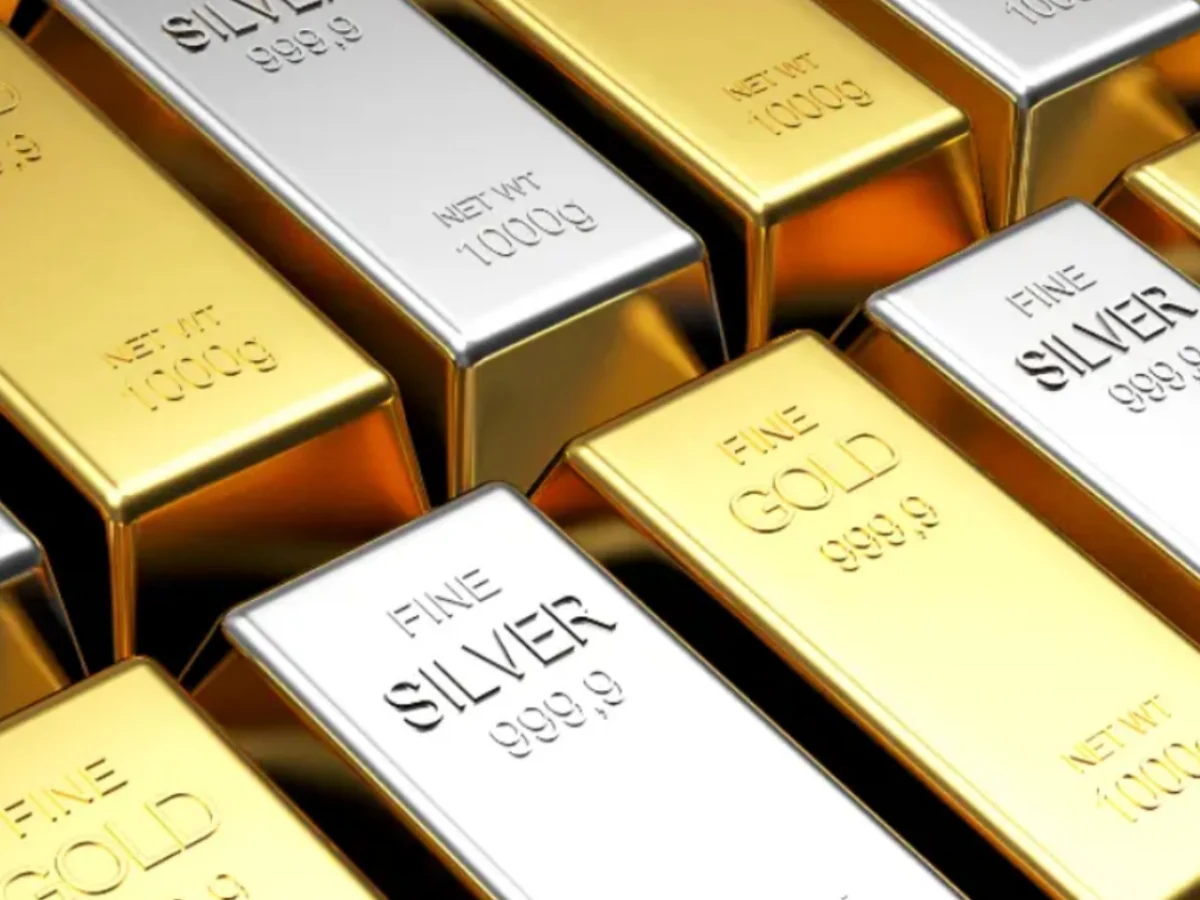
BUSINESS – On July 4, 2026, the Indian precious metals market continues to navigate a complex landscape shaped by international economic currents, intrinsic local demand, and dynamic currency valuations. Gold and silver, deeply interwoven with India’s cultural fabric and investment psyche, are experiencing nuanced shifts that reflect a cautious yet resilient global and domestic economic outlook. This report provides a comprehensive breakdown of the current prices, underlying market drivers, expert insights, and implications for consumers, investors, and the broader Indian economy.
Main Facts: A Snapshot of Today’s Market
As of Friday, July 4, 2026, the prices of gold and silver in India demonstrate a slight upward trajectory for gold, primarily influenced by persistent global inflationary pressures and an ongoing demand for safe-haven assets. Silver, while tracking gold’s general sentiment, also benefits from burgeoning industrial applications.
Gold Prices on July 4, 2026:
The benchmark price for 24K gold (999 purity) across India is recorded at Rs 14,701 per gram. For 22K gold, commonly sought for jewellery, the price stands at Rs 13,476 per gram. This marginal increase underscores a broader trend of investors seeking refuge in precious metals amidst prevailing economic uncertainties.
Silver Prices on July 4, 2026:
Silver, often considered the common person’s gold, is priced at approximately Rs 2,50,100 per kilogram. Sterling silver (925 purity) is marginally lower at Rs 2,50,000 per kilogram. Silver’s dual role as both an investment vehicle and a critical industrial commodity contributes to its distinct market dynamics.
)
These figures are not merely numbers; they represent the intricate interplay of global macroeconomic indicators, central bank policies, geopolitical developments, and India’s unique demand characteristics, particularly as the nation gears up for its auspicious festive season.
Chronology: Tracing the Path to Current Valuations
The journey of gold and silver prices to their current levels on July 4, 2026, has been marked by a series of significant global and domestic events over the past year. Since mid-2025, the precious metals market has largely been characterized by a tug-of-war between inflationary concerns, interest rate hikes by major central banks, and persistent geopolitical tensions.

The latter half of 2025 saw gold prices consolidating after a period of volatility, primarily driven by the US Federal Reserve’s aggressive stance on interest rate increases aimed at curbing inflation. While higher interest rates typically make non-yielding assets like gold less attractive, the enduring threat of inflation and a potential global economic slowdown provided a strong floor for gold’s value. Investors, wary of equity market corrections and currency depreciation, increasingly diversified into gold as a hedge.
Entering 2026, the narrative began to shift slightly. While central banks maintained a hawkish stance, signs of easing inflation in some major economies, coupled with lingering fears of a recession, created a more complex environment. Gold experienced sporadic rallies whenever economic data indicated slowing growth or renewed geopolitical flare-ups. The Indian rupee’s performance against the US dollar also played a crucial role. A depreciating rupee, which was observed during periods of capital outflow, naturally pushed up the rupee-denominated price of imported gold, making it more expensive for domestic buyers.
)
Silver, meanwhile, mirrored gold’s safe-haven demand but also saw increased impetus from its industrial applications. The global push towards green energy, particularly the expansion of solar panel manufacturing, and the continued growth in electronics and electric vehicles, significantly bolstered industrial demand for silver throughout late 2025 and early 2026. This industrial backbone has provided silver with an additional layer of support, differentiating its price trajectory somewhat from gold’s purely investment-driven movements.
The slight increase observed today, July 4, 2026, can be seen as a continuation of this trend, where global uncertainties outweigh the dampening effect of potentially tighter monetary policies. Market participants are keenly watching upcoming economic data releases and central bank pronouncements for further cues, as these will dictate the short-to-medium term direction of precious metals.
)
Supporting Data: Deconstructing the Price Influencers and Regional Variations
The prices of gold and silver in India are a confluence of several powerful forces. Understanding these factors and observing regional discrepancies provides a clearer picture of the market’s complexities.
Gold Price Dynamics: A Deeper Dive
The overall national averages for gold mask significant variations at the city level, influenced by local demand, transportation costs, and specific state-level taxes.
)
All-India Gold Rates (July 4, 2026):
- 24K Gold (999 Purity): Rs 14,701 per gram
- 22K Gold (91.67% Purity): Rs 13,476 per gram
City-Wise Gold Rates (per gram, as per Good Returns):
)
| City | 24K Gold (Rs) | 22K Gold (Rs) |
|---|---|---|
| Delhi | 14,716 | 13,491 |
| Mumbai | 14,701 | 13,476 |
| Kolkata | 14,701 | 13,476 |
| Chennai | 14,957 | 13,701 |
Analysis of Gold Influencers:
- Global Demand and Inflationary Pressures: The primary driver for the recent uptick in gold prices globally has been the persistent specter of inflation. As the purchasing power of fiat currencies erodes, investors flock to gold as a traditional store of value. Central banks worldwide have also been significant buyers, diversifying their reserves away from volatile currencies.
- US Dollar Exchange Rate (INR-USD): Gold is universally priced in US dollars. When the Indian Rupee (INR) depreciates against the USD, it makes imported gold more expensive in rupee terms for Indian buyers, even if the international dollar price remains stable. This conversion effect significantly impacts local prices.
- Domestic Jewellery Demand: India’s cultural affinity for gold is unparalleled. Festivals like Diwali, Akshaya Tritiya, and the perennial wedding season drive substantial demand. This demand is often inelastic, providing a strong floor for prices despite global fluctuations.
- Investment Demand: Beyond jewellery, a growing segment of Indian investors views gold as an essential portfolio diversifier, particularly through gold bonds, ETFs, and physical bullion.
- Regional Variations Explained: The higher prices in Chennai, for instance, are often attributed to a combination of factors including higher local taxes (though GST has largely standardized this, some local levies or specific demand patterns can still create differences), logistical costs for transporting gold to the southern regions, and a particularly strong cultural preference for gold in South India, leading to higher local demand-supply dynamics.
"Dr. Anya Sharma, a leading commodities analyst at Zenith Financial Services, noted, ‘The recent uptick in gold prices reflects a broader trend of investor caution amidst global economic uncertainties. While domestic demand plays a significant role, the international market, particularly central bank purchases and inflation hedges, remains the primary driver. Indian consumers are accustomed to these fluctuations, but the current environment suggests a strong underlying support for gold’s value.’"
)
Silver Price Dynamics: Beyond the Glitter
Silver, while sharing some characteristics with gold, also possesses unique demand drivers, particularly its extensive industrial use.
All-India Silver Rates (July 4, 2026):
)
- Silver 999 Purity: Rs 2,50,100 per kilogram (or Rs 2,501 per 10 grams)
- Silver 925 (Sterling) Purity: Rs 2,50,000 per kilogram
City-Wise Silver Rates (per 10 grams):
| City | Silver 999 (Rs) |
|---|---|
| Delhi | 2,501 |
| Mumbai | 2,501 |
| Kolkata | 2,501 |
| Chennai | 2,601 |
Analysis of Silver Influencers:
)
- Industrial Demand: This is a crucial differentiator for silver. Its exceptional conductivity and malleability make it indispensable in electronics, solar panels (photovoltaics), medical devices, photography, and various other high-tech applications. The global push for renewable energy, particularly solar, is a significant and growing demand segment for silver.
- Investment Demand: Like gold, silver is a popular choice for investment, often seen as a more accessible entry point into precious metals. It acts as a hedge against inflation and economic instability, though with higher volatility than gold.
- Jewellery and Utensil Demand: In many parts of India, silver ornaments and utensils are highly prevalent, especially in rural and semi-urban areas. This consistent cultural demand provides a steady base.
- Global Market Trends: Silver prices are heavily influenced by global supply-demand dynamics, mining output, and speculative trading in international commodities markets.
- Correlation with Gold: Silver often tracks gold’s movements, albeit with greater volatility. When gold rallies, silver typically follows, often with an amplified move, due to its smaller market size.
- Regional Variations: Similar to gold, Chennai exhibits higher silver prices, indicative of strong regional demand for silver jewellery and artifacts, coupled with potential logistical and local taxation factors.
"According to Mr. Rajiv Mehta, an industrial metals expert at Quantum Analytics, ‘Silver’s performance is intrinsically linked to both its safe-haven appeal and its robust industrial applications. The burgeoning green energy sector, especially solar, is a significant demand driver, creating a floor for prices even amidst investment volatility. Investors looking at silver must consider this dual nature, as industrial demand can buffer against purely speculative movements.’"
Official Responses and Expert Commentary: Navigating the Market
While direct "official responses" to daily price fluctuations are rare, financial institutions, government bodies, and market experts continuously monitor and analyze the precious metals market, offering insights into its broader implications.
)
A spokesperson from the Ministry of Finance, speaking on background, indicated that the government is closely monitoring precious metal markets, acknowledging their role in both national savings and the broader trade balance. "While global factors are undeniably dominant in shaping these prices, we are committed to maintaining a stable economic environment that protects consumer interests and supports responsible investment practices. Policies related to import duties and taxation are constantly reviewed to strike a balance between domestic industry support and consumer affordability," the spokesperson stated. This reflects a governmental awareness of precious metals’ economic significance, particularly in a nation where gold is often a primary form of household savings.
The Reserve Bank of India (RBI) also indirectly influences the market through its monetary policy decisions and management of foreign exchange reserves. Its stance on interest rates and the overall health of the Indian economy significantly impacts the INR-USD exchange rate, which, as discussed, directly affects local precious metal prices. While the RBI doesn’t comment on daily prices, its macroeconomic outlook shapes the investment climate.
)
Market analysts, meanwhile, offer more direct commentary on investment strategies. Ms. Priya Singh, a wealth management advisor, advises investors to consider a diversified portfolio. "While gold offers a time-tested hedge against inflation and market volatility, it’s crucial for individuals to align precious metal investments with their overall financial goals and risk appetite. For those considering physical gold, understanding purity marks (BIS hallmark) and storage options is paramount. Silver, with its industrial utility, presents a different risk-reward profile, potentially offering higher growth but also higher volatility."
Experts from the World Gold Council (WGC) often highlight India’s unique position as one of the largest consumers of gold. Their reports frequently underscore the strong correlation between monsoon performance, rural incomes, and gold demand, particularly in the lower-income segments. A good monsoon season typically translates to better agricultural yields and increased disposable income, often channeled into gold purchases. This year’s monsoon forecast and its actual performance will be a critical factor in shaping domestic demand through the upcoming festive season.
)
Implications: What These Prices Mean
The current precious metal prices have wide-ranging implications across various segments of Indian society and the economy.
For Consumers:
- Purchasing Power: The slightly increased gold prices mean that consumers, especially those planning for weddings or festivals, will find their budgets stretched further. This might lead to a shift towards lighter jewellery, lower caratage, or even increased demand for silver as a more affordable alternative.
- Investment Decisions: For those looking to invest, the current prices reflect a robust market. However, careful consideration of entry points and long-term goals is advised. Digital gold, gold ETFs, and sovereign gold bonds (SGBs) offer alternatives to physical gold, often with lower making charges and storage risks.
- Cultural Significance: Despite price fluctuations, the cultural and emotional value of gold in India remains undiminished. While price might influence the quantity purchased, the tradition of buying gold for auspicious occasions is deeply ingrained.
For Investors:
- Safe-Haven Appeal: Gold continues to prove its metale as a reliable safe-haven asset amidst global economic uncertainties, geopolitical tensions, and inflationary pressures. It serves as a crucial portfolio diversifier.
- Silver’s Dual Role: Silver offers a unique investment proposition due to its dual demand from both investment and industrial sectors. Its higher volatility can lead to greater returns but also higher risks.
- Long-Term vs. Short-Term: Long-term investors in precious metals are likely to remain confident, anticipating continued global economic challenges. Short-term traders, however, will need to be agile, reacting to daily news and market sentiment.
For Jewelers and the Industry:
- Inventory Management: Jewelers face the challenge of managing inventory in a fluctuating market. Hedging strategies become crucial to mitigate risks associated with price volatility.
- Pricing Strategies: The industry must balance competitive pricing with maintaining profitability, especially with varying making charges and local taxes.
- Innovation in Design: To cater to budget-conscious consumers, jewelers may focus on innovative designs that use less gold or promote lighter, more intricate pieces, as well as an expanded range of silver jewellery.
- Policy Impact: Changes in import duties or GST rates on precious metals could significantly impact the industry’s cost structure and retail prices, requiring constant adaptation.
For the Indian Economy:
- Import Bill and Trade Deficit: India is a major importer of gold. High gold prices, coupled with strong domestic demand, can inflate the country’s import bill, potentially widening the trade deficit and putting pressure on the Indian rupee.
- Foreign Exchange Reserves: While gold imports drain foreign exchange, the RBI also holds gold as part of its foreign exchange reserves, providing a buffer against economic shocks.
- Household Savings: Gold remains a significant component of household savings in India, particularly in rural areas. Price appreciation contributes to household wealth, though it also reflects underlying inflationary pressures.
- Informal Economy: A significant portion of India’s gold market still operates in the informal sector, making it challenging for the government to track and regulate, though efforts towards formalization continue.
Future Outlook: What Lies Ahead?
Looking ahead, the trajectory of gold and silver prices in India for the remainder of 2026 will likely be shaped by a few critical global and domestic factors.
)
Internationally, the monetary policy decisions of major central banks, particularly the US Federal Reserve, will remain paramount. Any indications of a sustained pause or pivot towards interest rate cuts could significantly boost the appeal of non-yielding assets like gold. Conversely, a renewed hawkish stance to combat stubbornly high inflation could exert downward pressure. Geopolitical stability, or the lack thereof, will also continue to fuel safe-haven demand. Continued conflicts or new global flashpoints would likely see investors flocking to precious metals.
Domestically, the performance of the Indian economy, especially the strength of the rupee against the dollar, will be a key determinant. A stable or appreciating rupee would help moderate the impact of international price increases. The upcoming festive season, traditionally a period of heightened demand, is expected to provide strong support for prices. Furthermore, the overall health of the monsoon will influence rural incomes and, consequently, rural gold demand.
)
Analysts at ‘Global Markets Insight’ predict continued volatility but generally upward pressure on precious metal prices through 2026, primarily driven by persistent inflation concerns and a cautious global economic outlook. However, they caution that any significant shift in central bank monetary policies or a resolution of geopolitical tensions could introduce downward corrections. For silver, the long-term outlook remains bullish due to its increasing role in the green energy transition, suggesting that its industrial demand will continue to provide a strong fundamental support irrespective of investment sentiment.
Conclusion
As of July 4, 2026, the Indian precious metals market is a dynamic arena, reflecting a blend of global economic anxieties and robust domestic traditions. Gold, with its slight price increase, continues to underscore its role as a hedge against inflation and uncertainty. Silver, while tracking gold, is also carving out its own growth path driven by burgeoning industrial demand. For millions of Indians, these metals are more than just commodities; they are cultural mainstays, symbols of wealth, and crucial investment avenues. Navigating this market requires an understanding of its intricate influencing factors and a keen eye on both global headlines and local sentiments. Consumers and investors alike are advised to stay informed, consider expert advice, and make decisions aligned with their individual financial goals and risk tolerance in this ever-evolving landscape.
)
Find your daily dose of All Latest News including Sports News, Entertainment News, Lifestyle News, explainers & more. Stay updated, Stay informed- Follow DNA on WhatsApp.
