

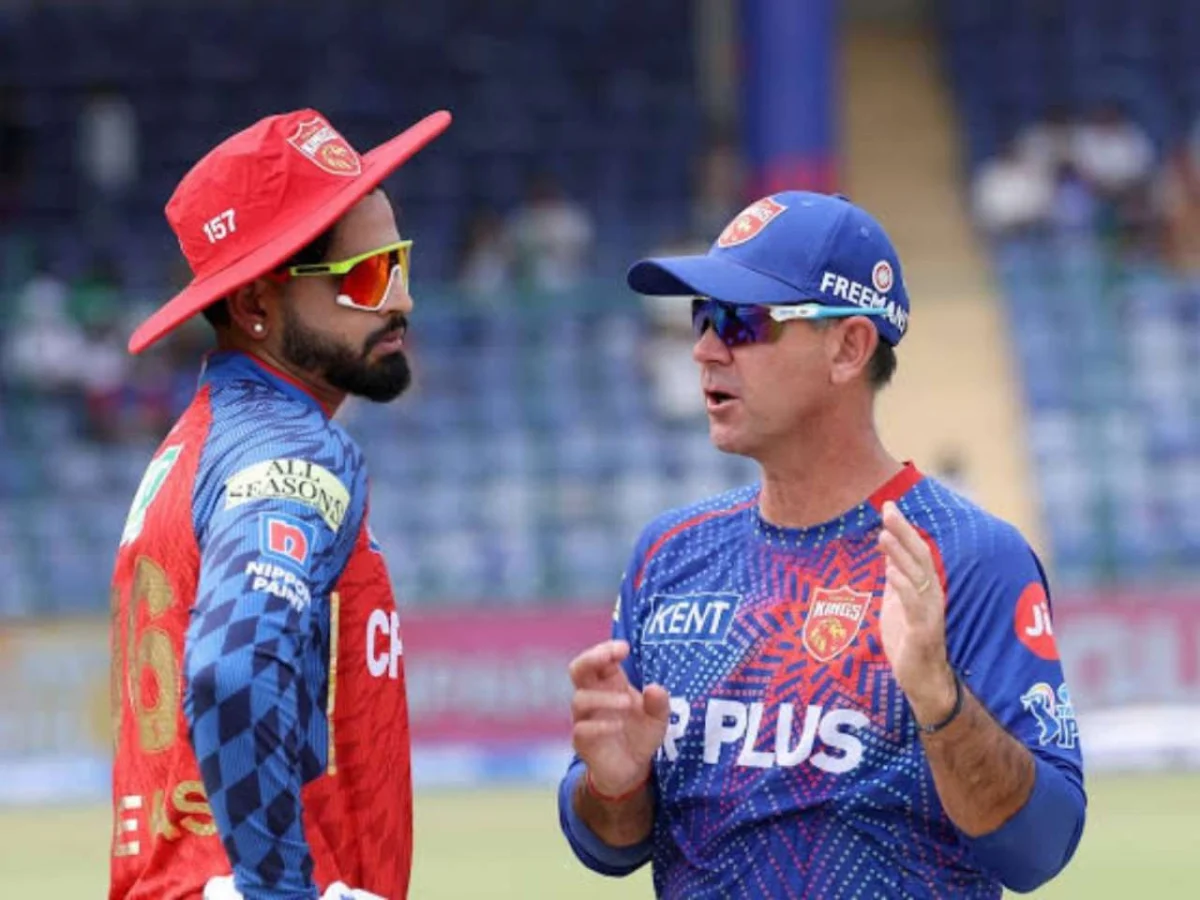
Mumbai, India – June 28, 2026 – The announcement of Shreyas Iyer as India’s new T20 International captain has sent ripples across the cricketing world, sparking not just discussions about the team’s immediate future but also reigniting fervent speculation over a potentially seismic shift in the national coaching setup. The appointment, coming sooner than many anticipated, has been inextricably linked by influential voices to the prospect of former Australian captain Ricky Ponting taking the reins as India’s head coach, a narrative fuelled by the strong and successful partnership the duo has forged in the Indian Premier League (IPL).
Former England captain Michael Vaughan was quick to articulate this connection, remarking pointedly that Iyer and Ponting "come as a pair." This statement, made during a recent discussion, has thrown open a fresh debate over the strategic direction of Indian cricket, particularly concerning its white-ball formats, and the potential for a foreign coach to once again lead the national side. The development unfolds against a backdrop of significant changes, including the recent removal of T20 World Cup-winning captain Suryakumar Yadav from the leadership role, underscoring the dynamic and often unforgiving nature of Indian cricket’s elite echelons.
The Main Facts: A New Era Begins Amidst Familiar Connections
Shreyas Iyer, a talented right-handed batsman with a proven track record of leadership in the IPL, has officially taken the helm of India’s T20I squad. His ascension to captaincy follows a period where Suryakumar Yadav, despite leading India to a T20 World Cup triumph in 2026, experienced a dip in form in both international and franchise cricket. Iyer’s appointment is particularly noteworthy as it marks his return to the T20I squad after a two-year hiatus, having not been part of the World Cup-winning contingent.
The immediate aftermath of his captaincy debut, however, proved to be a challenging one. India suffered a 34-run defeat against Ireland in the first T20I of their two-match series in Belfast, a result that momentarily dampened the enthusiasm surrounding his new role. Yet, the focus quickly shifted from the immediate match outcome to the broader implications of his leadership, primarily due to Michael Vaughan’s insightful, albeit speculative, observation.
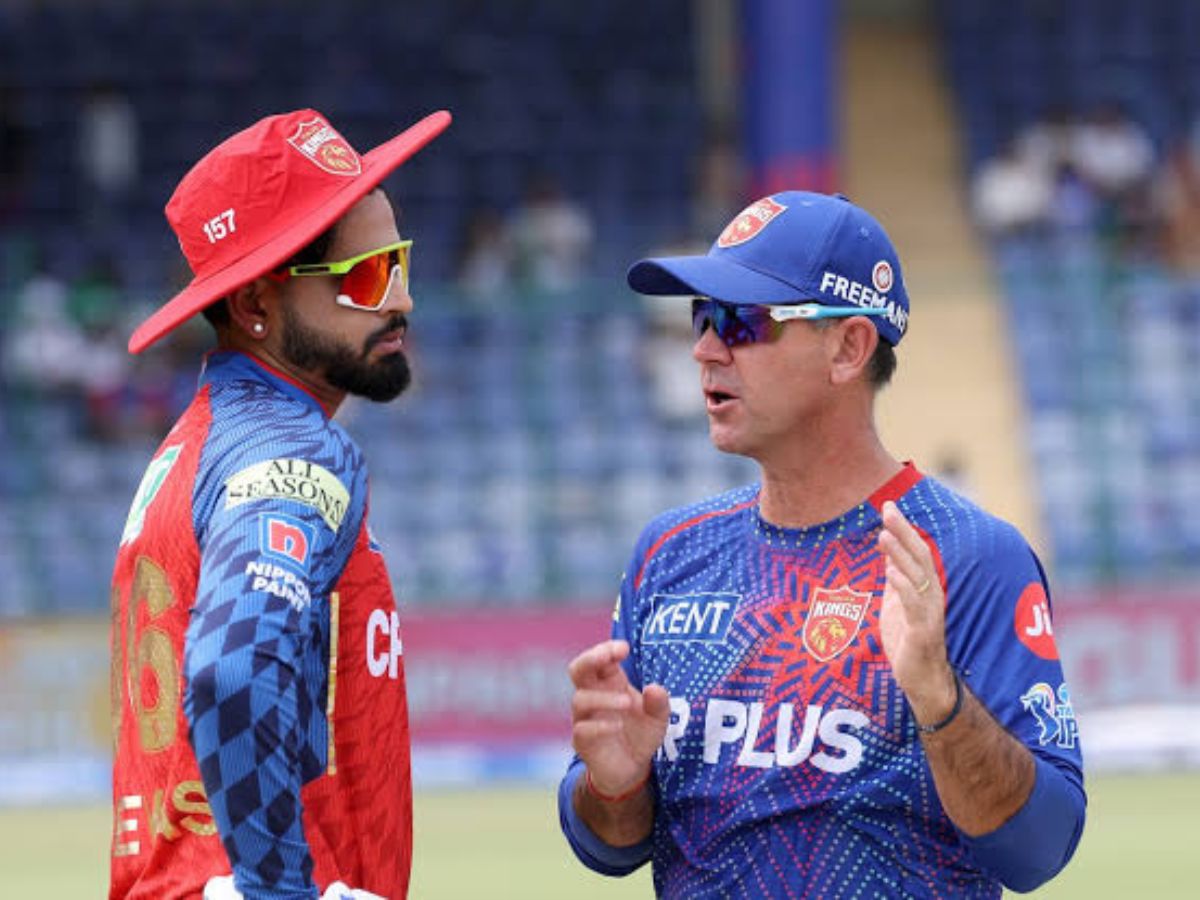)
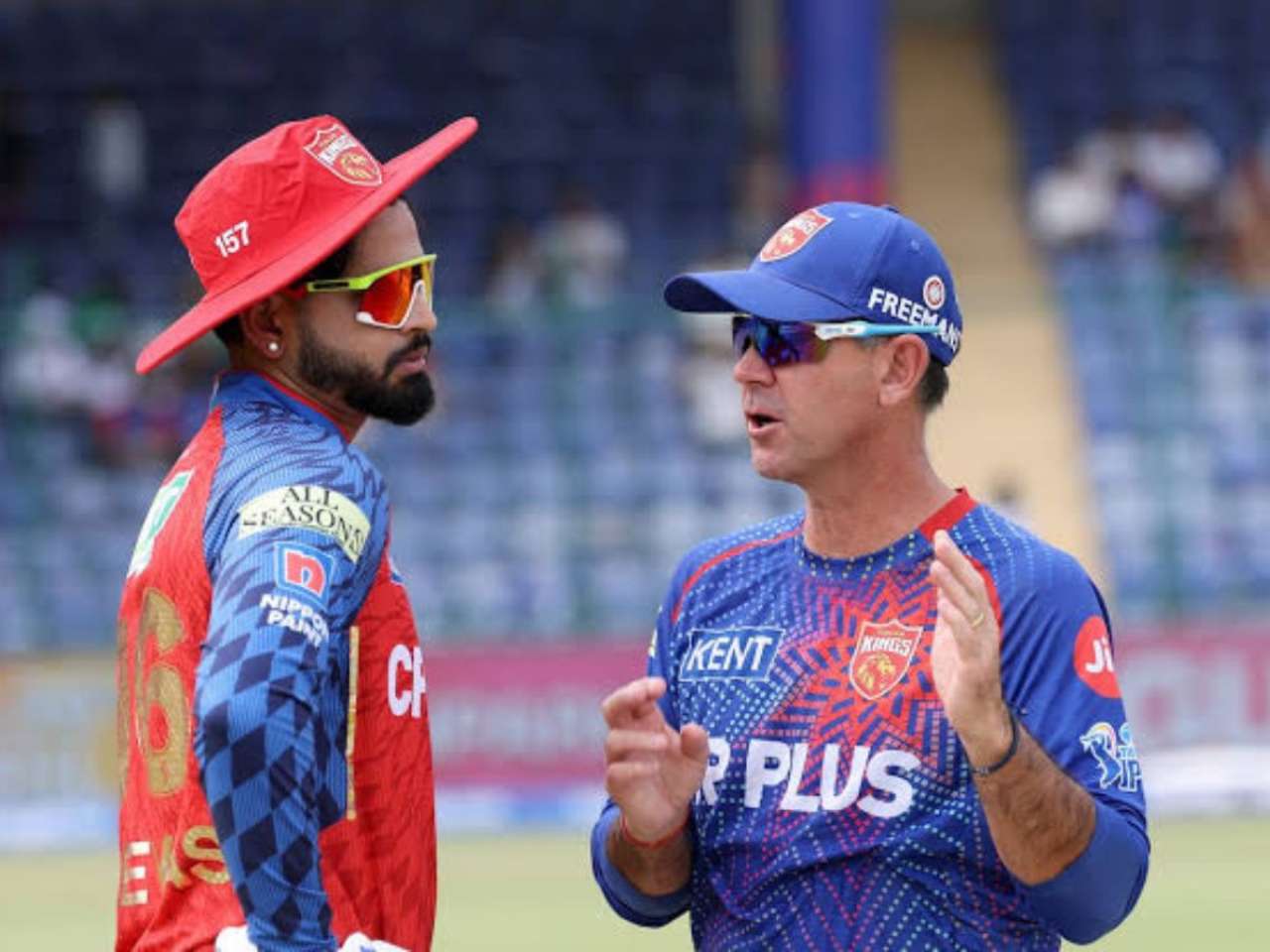
Vaughan’s comments, shared on Ajinkya Rahane’s YouTube channel, highlighted the intuitive link many see between Iyer and Ponting. "When I heard it for the first time, I presumed Ricky Ponting would be the coach. Those two come as a pair," Vaughan stated, referencing their successful collaborations at Delhi Capitals and currently with Punjab Kings in the IPL. This shared history, marked by tactical acumen and strong player-coach rapport, forms the bedrock of the current speculation.
Chronology of Leadership Shifts and the Ponting Connection
The narrative surrounding Iyer’s captaincy and Ponting’s potential coaching role is best understood through a chronological lens of recent developments in Indian cricket leadership and their shared journey:

2018-2021: The Delhi Capitals Blueprint: Ricky Ponting joined Delhi Capitals as head coach in 2018, a period that coincided with Shreyas Iyer’s emergence as a key player and, subsequently, captain of the franchise. Under Ponting’s mentorship, Iyer flourished, leading the Capitals to their first-ever IPL final in 2020. This partnership was characterized by a clear vision, aggressive tactics, and a strong emphasis on player development. Ponting consistently lauded Iyer’s leadership qualities and temperament, fostering a relationship built on mutual respect and understanding.
2022-2023: Iyer’s Transition and Continued IPL Success: Following his move to Kolkata Knight Riders, Iyer continued to demonstrate his captaincy prowess. Meanwhile, Ponting remained a prominent figure in the IPL coaching circuit, maintaining his high profile and reputation for building winning teams.
)
Early 2026: Suryakumar Yadav’s T20 World Cup Triumph: Suryakumar Yadav, having established himself as a formidable T20 batsman, was entrusted with India’s T20I captaincy. He remarkably led the team to victory in the 2026 T20 World Cup, a significant achievement that solidified his position as a white-ball leader. This period represented a peak for Yadav’s leadership.
Late 2026: A Dip in Form and Captaincy Change: Following the T20 World Cup, Suryakumar Yadav experienced a noticeable dip in his batting form, both in subsequent international assignments and the IPL. This downturn, combined with the BCCI’s perennial focus on future planning and identifying long-term leaders, opened the door for a change.
)
June 2026: Iyer’s T20I Captaincy and Ponting’s Shadow: Shreyas Iyer, after overcoming injuries and showcasing consistent performances in domestic and IPL cricket, was recalled to the T20I squad and immediately handed the captaincy. This move, while perhaps surprising to some given Yadav’s recent World Cup triumph, aligns with the BCCI’s history of making bold decisions. Crucially, at this point, both Iyer and Ponting are collaborating at Punjab Kings, with Iyer as captain and Ponting as head coach, reinforcing their ‘pair’ dynamic in the minds of observers like Michael Vaughan.
The Ireland Series: Iyer’s first assignment as India’s T20I captain against Ireland, resulting in a loss in the opening match, serves as his initial test, placing him under immediate scrutiny. The pressure to bounce back in the second T20I is palpable, not just for the series but for establishing his authority as a national leader.
)
Supporting Data: The Depth of Indian Cricket and Coaching Precedents
Vaughan’s astonishment at India’s decision to remove a T20 World Cup-winning captain underscores a unique aspect of Indian cricket: its unparalleled depth and the relentless demand for sustained excellence. "I’m not sure that would happen in any other country," Vaughan remarked, highlighting a ruthless streak in Indian cricket administration that prioritizes future potential and current form above past accolades.
India’s Bench Strength: The ability to sideline a captain who has just delivered a global trophy speaks volumes about the talent pool available to India. This isn’t merely about having good players; it’s about having multiple captaincy candidates, each with significant IPL experience. Players like Hardik Pandya, Rishabh Pant, and now Shreyas Iyer have all led IPL franchises with varying degrees of success, providing the BCCI with a luxury few other nations possess. This depth allows for aggressive experimentation and ensures that the team is constantly evolving.
)
Suryakumar Yadav’s Form: While a T20 World Cup victory is a monumental achievement, the unforgiving nature of international cricket means that a subsequent dip in individual performance can quickly lead to changes. Suryakumar Yadav’s struggle to maintain his blistering form post-World Cup, coupled with the competitive environment, likely contributed to the decision. Data points, even if not explicitly cited in the original article, would typically show a decline in strike rate, average, or impact innings during his "disappointing patch."
The IPL Influence: The IPL’s role in shaping India’s cricketing landscape cannot be overstated. It serves as a proving ground for both players and coaches, creating alliances and demonstrating leadership capabilities under immense pressure. The Iyer-Ponting partnership at Delhi Capitals, where they consistently pushed for playoff berths and reached a final, provided a compelling case study of their synergy. Their current collaboration at Punjab Kings further solidifies this perception.
)
History of Foreign Coaches for India: India has a mixed but often impactful history with foreign coaches. From John Wright (New Zealand) who oversaw India’s journey to the 2003 World Cup final, to Gary Kirsten (South Africa) who guided India to their 2011 ODI World Cup triumph, foreign coaches have brought fresh perspectives and tactical innovations. However, there have also been controversial tenures, most notably that of Greg Chappell (Australia). The general consensus is that a foreign coach, if successful, can inject a much-needed objective outlook and professional structure, often unburdened by the internal politics and historical baggage that can sometimes affect local appointments.
Ricky Ponting’s resume, boasting multiple World Cups as a player and significant IPL coaching success, positions him as a strong candidate in theory. His aggressive mindset, tactical shrewdness, and ability to foster a winning culture align with the demands of modern T20 cricket. The challenge, however, would be scaling his IPL success to the vastly different environment of national team coaching, which involves managing a broader pool of players, dealing with national media scrutiny, and aligning with the overarching vision of the BCCI.
)
Official Responses and the Absence Thereof
As of now, there have been no official responses from the Board of Control for Cricket in India (BCCI), Ricky Ponting, or Shreyas Iyer regarding the speculation linking Ponting to the national coaching role. This is typical for such scenarios, where official channels remain silent until concrete decisions are made or formal processes are initiated.
BCCI’s Stance (Implied): The BCCI traditionally maintains a tight lip on coaching appointments until a formal announcement is ready. Their focus, publicly at least, would be on supporting the current coaching staff and the newly appointed captain. Any official statement regarding a future coaching role would likely only come once the tenure of the current head coach, Rahul Dravid, is nearing its end or if a significant change in strategy is decided upon. Dravid’s contract status and whether he intends to continue beyond his current term (which often aligns with major tournaments) would be a key factor.
)
Ponting’s Position: Ricky Ponting is currently committed to his IPL coaching role with Punjab Kings and his commentary duties. While he has occasionally expressed interest in international coaching roles in the past, he has also been pragmatic about the time commitment involved. Taking on the Indian head coach role would require a significant shift in his lifestyle and professional engagements. Without a direct offer or formal approach, any public comment from him would be premature and potentially disruptive.
Iyer’s Focus: Shreyas Iyer, having just taken on the immense responsibility of national captaincy, would be entirely focused on his immediate cricketing duties: leading the team, performing well, and ensuring a positive start to his tenure. Publicly engaging with coaching speculation would be a distraction he likely wishes to avoid.
)
Michael Vaughan’s Role: While not an "official" response, Vaughan’s comments carry significant weight due to his standing as a former international captain and respected pundit. His remarks serve as a barometer of how informed observers perceive the dynamics within Indian cricket and the potential pathways for future leadership. His ability to connect seemingly disparate events (Iyer’s captaincy and Ponting’s coaching) highlights the underlying logic of the IPL’s influence on national team thinking. The lack of an official denial or confirmation only amplifies the speculative nature of his observation.
Implications: A Glimpse into India’s Future Leadership Blueprint
The intertwining narratives of Shreyas Iyer’s captaincy and Ricky Ponting’s potential coaching role carry significant implications for the future trajectory of Indian cricket, particularly in the white-ball formats.
)
1. The Future of Indian T20I Captaincy: Iyer’s appointment signals a clear intent from the BCCI to invest in a younger leader for the T20I format, potentially looking towards the next T20 World Cup cycle. His immediate challenge is to establish consistency and a winning culture. The Ireland series, though a minor one, is crucial for him to build confidence and demonstrate his tactical acumen. A strong performance against England would further solidify his position.
2. The Coaching Conundrum: The speculation around Ponting brings the discussion of India’s next head coach firmly into the spotlight. Rahul Dravid, the current head coach, has had a tenure marked by both highs (like the T20 World Cup win under Suryakumar) and lows (near misses in other ICC tournaments). Should Dravid’s contract not be extended or if he chooses to step down, the BCCI will face a critical decision. Ponting represents a proven T20 specialist with an aggressive philosophy, a stark contrast to Dravid’s more measured approach. The choice of coach will define India’s tactical blueprint for years to come.
)
3. The Split Captaincy/Coaching Debate: India has already embraced split captaincy to some extent, with different leaders for different formats. The discussion around Ponting potentially coaching only the white-ball formats, or even just T20Is, could intensify. This ‘split coaching’ model is gaining traction in international cricket, allowing specialists to focus on specific formats. Given Ponting’s IPL success, a T20-specific role could be a highly attractive proposition for both parties.
4. The England Series as a Litmus Test: Michael Vaughan’s prediction for the upcoming five-match T20I series against England, starting July 1, places India as firm favorites. "Great opportunity for Iyer, a couple of years away from the next T20 World Cup. He’ll know he’s got a wonderful team to work with in the England tour, and you have got to say that India are going to be favourites for the series; they always are, they are the best team in the world. England will have to produce some good cricket to compete with them," Vaughan asserted. This series will be a major test for Iyer’s nascent captaincy against a formidable opponent known for its aggressive white-ball approach, led by players like Harry Brook. A strong showing here would be pivotal for Iyer’s confidence and the team’s momentum.
)
5. Broader Leadership Discussions: The article’s concluding mention of Sanjay Manjrekar urging the BCCI to "look beyond Rohit Sharma for the 2027 ODI World Cup blueprint" links this immediate T20I discussion to the larger strategic planning for India’s white-ball future. It indicates a clear shift towards grooming younger leaders across formats, preparing for a post-Rohit and post-Kohli era. Iyer’s T20I captaincy is a significant step in this direction, signaling a renewed emphasis on youth and long-term vision.
In essence, Shreyas Iyer’s appointment is more than just a change of captain; it’s a potential harbinger of a new strategic direction for Indian cricket. The whisper of Ricky Ponting’s name in the coaching context adds another layer of intrigue, suggesting that the team’s leadership – both on and off the field – might be poised for a dynamic and potentially transformative new chapter. While the immediate focus remains on the Ireland series and the upcoming clash with England, the deeper currents suggest a fascinating period of evolution for one of the world’s cricketing powerhouses.
