

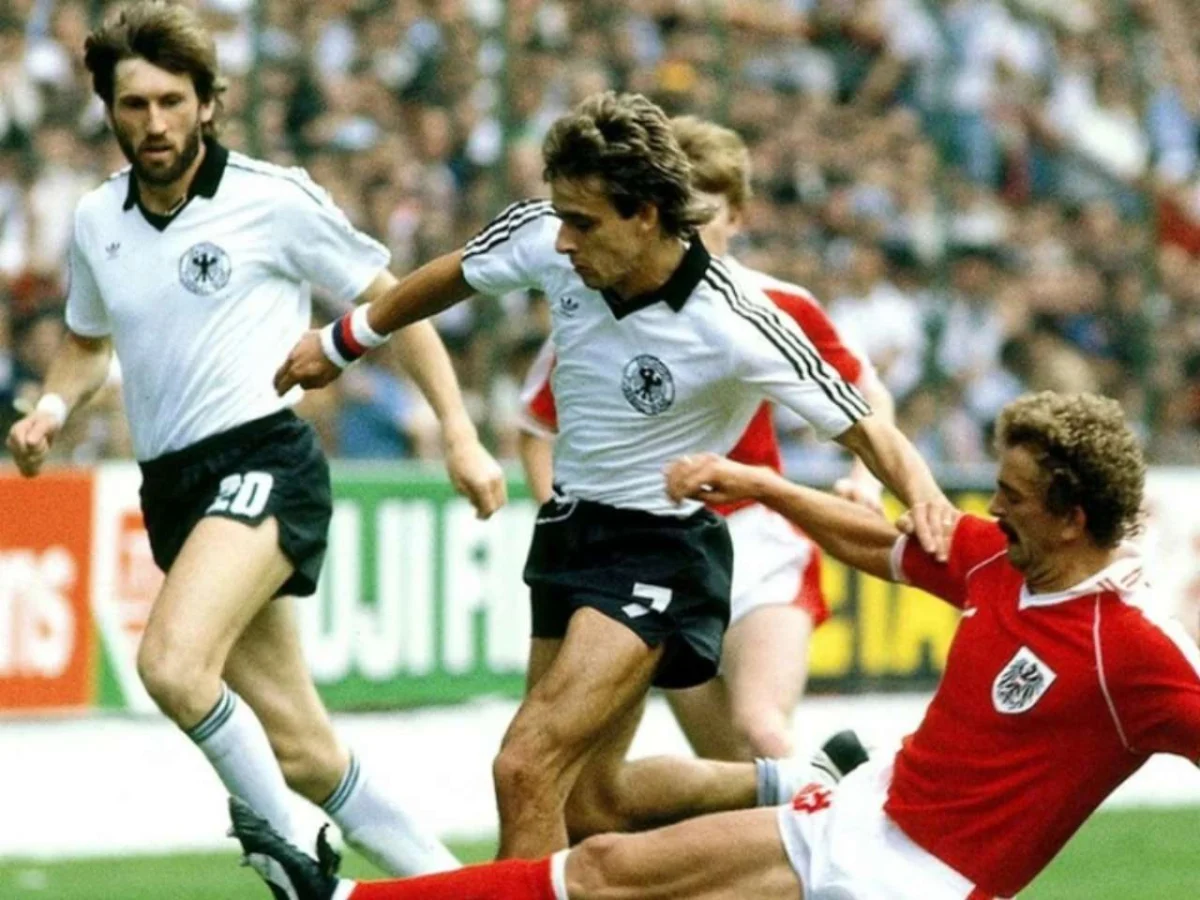
Why Final Group Matches Kick Off Simultaneously: The 1982 ‘Disgrace of Gijón’ Explained
In the pulsating theatre of the FIFA World Cup, where dreams are forged and shattered with every kick, a seemingly minor scheduling detail holds immense significance: the simultaneous kick-off of all final group-stage matches within a single group. This practice, now a ubiquitous fixture in major football tournaments and domestic leagues alike, is not a mere logistical convenience. It is a direct and permanent consequence of one of football’s most infamous episodes, a moment of calculated manipulation known chillingly as the "Disgrace of Gijón" at the 1982 World Cup in Spain.
This article delves into the origins of this crucial rule, tracing its lineage back to a scandalous match between West Germany and Austria that brutally eliminated a trailblazing Algerian side. We will explore the intricate dynamics of Group 2 in 1982, the blatant collusion that unfolded on the pitch, the global outrage it ignited, FIFA’s initial response, and the swift, decisive action taken to safeguard the integrity of the beautiful game for generations to come. The "Disgrace of Gijón" serves as a stark reminder that while rules define the game, the spirit of fair play must always prevail.
The Main Facts: A Rule Forged in Infamy
The rule dictating simultaneous kick-offs for final group-stage matches is a cornerstone of modern football integrity. Its primary purpose is to prevent teams from gaining an unfair advantage by knowing the results of other matches within their group before playing their own. This foresight eliminates the possibility of pre-determined outcomes, ensuring that every team enters their final fixture with an equal footing and a genuine incentive to compete for victory.
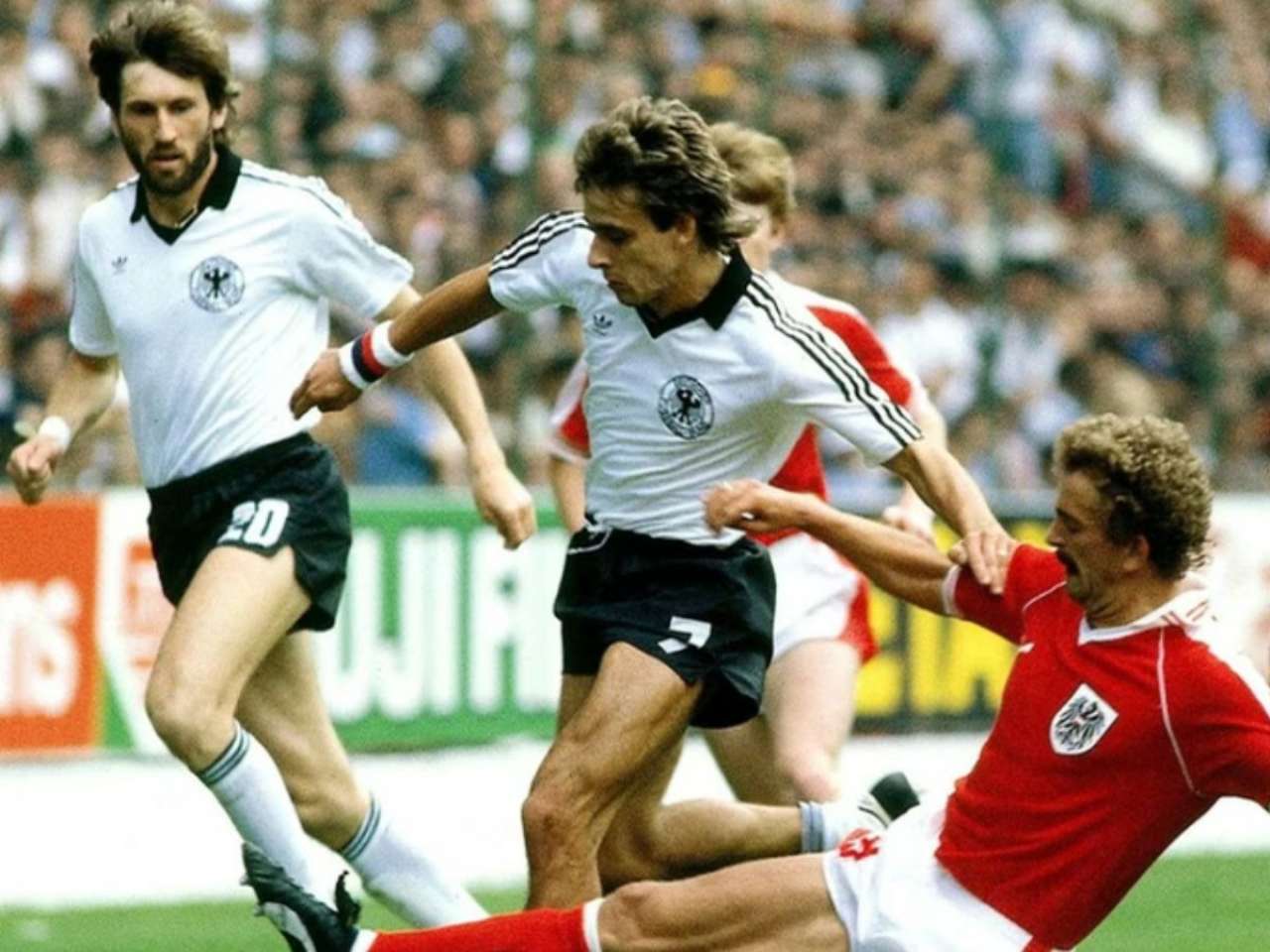
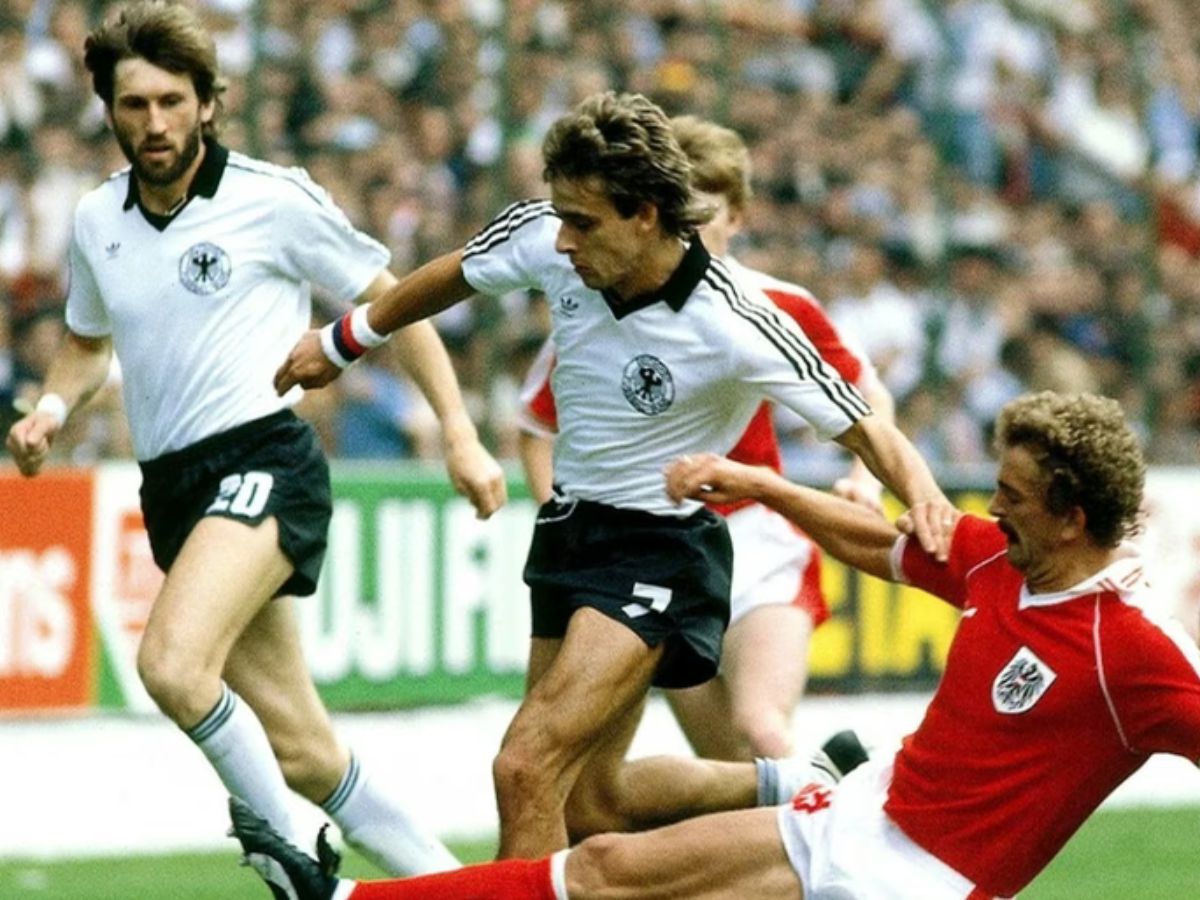
The catalyst for this fundamental change was the notorious encounter between West Germany and Austria on June 25, 1982, during the FIFA World Cup hosted by Spain. In a calculated display of non-aggression, both teams played out a mutually beneficial 1-0 result that secured their progression to the next round, intentionally eliminating the spirited Algerian team who had already completed their group fixtures. This blatant disregard for sporting ethics, witnessed by a global audience, provoked widespread condemnation and forced FIFA to implement an immediate and lasting solution: from the 1986 World Cup onwards, all final group matches would commence at the exact same time.
)
A Chronology of Deception: The Road to Gijón 1982
The 1982 FIFA World Cup in Spain was a tournament of many firsts and memorable moments. It was the first World Cup to feature 24 teams, expanding the global reach of the competition and introducing new footballing nations to the world stage. However, it is also inextricably linked to one of its darkest chapters, a saga that unfolded in Group 2.
Setting the Stage: Group 2 Dynamics and Algeria’s Breakthrough
Group 2 comprised West Germany, Austria, Chile, and the tournament debutants, Algeria. At this time, a win was awarded two points, a draw one point, and a loss zero. The schedule for the final group matches was staggered, a common practice that would ultimately prove disastrous.

Algeria, representing the African continent with immense pride and skill, made an indelible mark from their very first match. In one of the greatest upsets in World Cup history, they faced the formidable West German side, reigning European champions and strong favourites for the tournament, in their opening fixture in Gijón. Against all odds, Algeria delivered a stunning 2-1 victory, a result that sent shockwaves through the footballing world and earned them the moniker "the Desert Foxes." Goals from Rabah Madjer and Lakhdar Belloumi sealed a triumph that transcended sport, becoming a symbol of hope and achievement for African football.
However, Algeria’s joy was tempered by a subsequent 2-0 loss to Austria. They then regrouped to secure a hard-fought 3-2 victory over Chile in their final group game. Having completed all their matches, Algeria finished their group campaign with 4 points (two wins, one loss), a goal difference of 0 (5 goals scored, 5 conceded), and a legitimate expectation of progressing to the next round. Their fate, however, now lay in the hands of the two European giants who were yet to play their final match.
)
The Pre-Match Scenario: A Calculated Risk for Algeria
The stage was set for the final group game between West Germany and Austria on June 25th, also in Gijón. The permutations were clear and, for Algeria, chillingly specific:
- If West Germany won by 1 or 2 goals (e.g., 1-0, 2-0): Both West Germany and Austria would finish with 4 points. West Germany would top the group, and Austria would secure second place on goal difference, eliminating Algeria.
- If West Germany won by 3 or more goals (e.g., 3-0, 4-1): West Germany would top the group, but Austria would be eliminated, and Algeria would progress.
- If Austria won or drew: West Germany would be eliminated, and both Austria and Algeria would progress.
The crucial aspect was that West Germany and Austria would know precisely what result was needed to qualify both of them at Algeria’s expense. The potential for a mutually beneficial, non-competitive outcome loomed large, a dark cloud gathering over the integrity of the tournament.
)
The "Disgrace of Gijón" Unfolds: A Sham on the Pitch
From the very first whistle of the West Germany vs. Austria match, an unsettling tension permeated the El Molinón stadium. The Algerians, watching from their hotel rooms, understood the gravity of the situation. The German team, under immense pressure after their opening defeat to Algeria, knew they needed a victory to advance. Austria, meanwhile, required only a draw or a narrow defeat to progress.
The match began with a flurry of activity, and true to the script that many now suspect was pre-written, West Germany scored an early goal. In the 10th minute, Horst Hrubesch headed home a cross, putting West Germany 1-0 up. This was the exact scoreline that would guarantee both European teams’ passage to the next round.
)
What followed for the next 80 minutes was not a football match but a grotesque parody of one. Immediately after Hrubesch’s goal, the intensity vanished. Both teams ceased to play with any discernible attacking intent. The ball was passed aimlessly between defenders, often deep in their own halves. Tackles were soft or non-existent. Forwards made no runs. Goalkeepers were rarely troubled. The play was slow, ponderous, and utterly devoid of competitive spirit. It was a cynical display of non-aggression, a calculated decision to run down the clock and secure the desired result.
Public Outrage and Media Condemnation
The spectacle on the pitch was met with immediate and furious condemnation from all quarters.
)
- Fans in the Stadium: The thousands of spectators in Gijón, many of whom had paid good money to witness a genuine contest, quickly realized what was unfolding. Their initial murmurs of confusion escalated into a cacophony of boos and whistles. Chants of "Algeria! Algeria!" erupted, accompanied by fans waving banknotes, accusing the teams of fixing the match. Some German fans even burned their national flags in disgust.
- Television Commentators: The outrage was perhaps best encapsulated by the broadcasters tasked with describing the farce. Austrian commentator Robert Seeger famously declared, "This is a disgrace! What is happening here is a shame and has nothing to do with football!" He urged viewers to switch off their televisions. German commentator Eberhard Stanjek was equally scathing, refusing to comment on the "play" and at one point advising, "You can turn off your TV now, nothing more will happen." The international media universally condemned the match as a stain on the World Cup. Headlines around the globe screamed "Shame of Gijón," "Pact of Non-Aggression," and "The German-Austrian Scandal."
The players themselves offered little in the way of explanation or apology. When questioned, they often shrugged off accusations, maintaining that they were simply playing within the rules. The unspoken agreement, however, was glaringly obvious to anyone watching. The game finished 1-0 to West Germany, a result that sent both them and Austria into the second round, while Algeria, despite their valiant efforts and historic upset, were cruelly eliminated.
Supporting Data: The Context and Ramifications
The "Disgrace of Gijón" did not occur in a vacuum. It was a product of the tournament structure, the prevailing rules, and a moral vacuum that allowed expediency to triumph over sportsmanship.
)
The Flawed Scheduling System
Prior to 1986, the staggered scheduling of final group matches was common. Organizers believed it added drama, allowing later teams to know what they needed to do. However, Gijón exposed the fatal flaw in this logic: it created an environment ripe for manipulation, especially when a particular scoreline benefited two teams at the expense of a third. Algeria’s early finish meant they were helpless bystanders, their fate sealed by a cynical agreement between their rivals.
The Integrity Question: Rules vs. Spirit
FIFA’s initial reaction, as quoted by the original article, was that "no rules were broken." This stance, while technically correct, ignited a fierce debate about the distinction between the letter of the law and the spirit of the game. While no specific written rule prohibited two teams from playing passively once a beneficial scoreline was achieved, the unwritten code of sporting integrity, fair play, and genuine competition was undeniably violated. The incident forced football’s governing body to confront the reality that rules must not only prevent explicit cheating but also safeguard against implicit collusion that undermines the essence of competitive sport.
)
A Precedent of Suspicion?
While Gijón became the most infamous example, there had been other historical instances where similar suspicions arose. For example, at the 1978 World Cup in Argentina, the host nation famously needed to beat Peru by at least four goals in their final group match to overtake Brazil on goal difference and reach the final. Argentina won 6-0, leading to persistent, though unproven, allegations of foul play, particularly given the political climate of the time. However, unlike Gijón, the 1978 match involved only one team needing a specific result, not a mutually beneficial arrangement between two. The clear, undeniable collusion at Gijón made it a unique and undeniable affront to the sport.
The Impact on Algerian Football
For Algeria, the incident was a bitter pill to swallow. They had announced their arrival on the world stage with a sensational victory over a footballing powerhouse. Their vibrant, attacking style of play had captured hearts. To be eliminated not by superior play but by a calculated act of cynicism left a deep scar. It highlighted the systemic disadvantages faced by emerging football nations against established European powers, particularly when the rules inadvertently allowed for such manipulation. The injustice fueled a lasting sense of grievance that resonates in Algerian football circles to this day.
)
Official Responses: FIFA’s Stance and Decisive Action
FIFA, football’s global governing body, found itself in an unenviable position following the Gijón scandal. Its initial public statement, asserting that "no rules were broken," was met with incredulity and derision. The global outcry was too immense to ignore, and the damage to the sport’s reputation was undeniable. The incident had exposed a significant loophole in the tournament regulations, a vulnerability that threatened the very credibility of the World Cup.
Recognizing the urgent need to restore public faith and prevent a repeat of such a blatant ethical breach, FIFA acted swiftly and decisively. The organization announced a fundamental change to its tournament rules: starting from the next FIFA World Cup in Mexico in 1986, all final group-stage matches within a given group would kick off simultaneously.
)
This was not a minor tweak; it was a radical overhaul of the scheduling philosophy. The rationale was simple yet profound: if all teams are playing at the same time, no team can know the result of another match that might influence their own tactical approach or effort. Each team is compelled to play for a win, or at least a result that genuinely serves their own qualification interests, without the perverse incentive to collude based on external factors. It forced competitive integrity back into the equation, removing the opportunity for the kind of calculated farce witnessed in Gijón.
Implications: Legacy and Modern Football
The rule change implemented by FIFA in the wake of the "Disgrace of Gijón" has had profound and lasting implications for the integrity and competitive fairness of football tournaments worldwide.
)
Safeguarding Sporting Integrity
The most significant implication is the enhanced protection of sporting integrity. The simultaneous kick-off rule directly addresses the problem of external knowledge influencing performance. It ensures that teams compete honestly until the final whistle, striving for the best possible result based solely on their own performance and the immediate context of their match. This prevents any team from strategically playing for a draw, a narrow loss, or simply running down the clock to engineer a specific outcome that benefits multiple parties. The incentive to collude has been largely eliminated because the information required for such a pact is unavailable in real-time.
A Fairer Playing Field for All
The rule fosters a fairer playing field, particularly for smaller or emerging football nations. Without the risk of being unfairly eliminated by external manipulation, every team, regardless of its pedigree, can enter its final group match knowing that its fate rests solely on its own performance and the genuine results of the other simultaneous match. This levels the competitive landscape and upholds the meritocratic principle that is central to sport. Algeria’s experience in 1982 serves as a perpetual reminder of what can happen when this principle is compromised.
)
Adoption Across Competitions
The success and necessity of this rule were so evident that it was quickly adopted beyond the FIFA World Cup. Major continental tournaments, such as the UEFA European Championship and the Copa América, now universally employ simultaneous kick-offs for final group games. Similarly, elite club competitions like the UEFA Champions League and numerous domestic leagues (e.g., Premier League, La Liga, Serie A) schedule all their decisive final-day fixtures concurrently to prevent any team from gaining an unfair advantage in title races, relegation battles, or qualification for European spots. The principle established by Gijón has become a global standard for competitive fairness.
The Enduring Memory
While the rule has effectively prevented a repeat of the "Disgrace of Gijón" in its overt form, the incident itself remains a potent cautionary tale. It is frequently referenced in discussions about fair play, ethics in sport, and the importance of robust regulations. For Algerian football fans, it is a moment of deep injustice that continues to be remembered, a "what if" that forever hangs over their pioneering 1982 squad. The memory ensures that football’s governing bodies remain vigilant against any attempt to undermine the spirit of competition.
)
The Modern Context
In an era of advanced data analytics, real-time match statistics, and pervasive media coverage, any overt attempt at match manipulation would likely be exposed even more swiftly and severely today. However, the fundamental principle behind simultaneous kick-offs remains as vital as ever. It removes the temptation and opportunity for collusion before technology even has a chance to monitor it. The rule is a proactive measure that pre-empts the problem, rather than merely reacting to it.
In conclusion, the "Disgrace of Gijón" was a dark chapter in FIFA World Cup history, a moment when the pursuit of victory descended into a cynical farce. Yet, from this low point emerged a crucial and enduring reform. The simultaneous kick-off rule for final group matches stands as a testament to football’s capacity for self-correction, a permanent safeguard ensuring that the World Cup, and indeed the sport as a whole, remains a true test of skill, determination, and competitive spirit, free from the shadow of pre-meditated manipulation. The competitive integrity of the beautiful game is now better protected, ensuring that all teams truly get a fair shot at advancing, thanks to a lesson painfully learned in 1982.
