

Kolkata’s vibrant nightlife has found a new, unlikely soundtrack: political slogans remixed into infectious techno beats. What began as campaign rhetoric, often tinged with satire and mockery, has now transcended the political arena to become the pulse of the city’s dance floors. The recent surge in popularity of these "political techno remixes" signifies a fascinating evolution in how public discourse, political commentary, and popular culture intersect in West Bengal. From the iconic "Khela Hobe" to the more recent "Hamba Hamba," these tracks are no longer confined to election rallies but are now the lifeblood of Kolkata’s nightclubs and viral social media trends.
The Genesis of a Sonic Phenomenon: From "Hamba Hamba" to Clubland
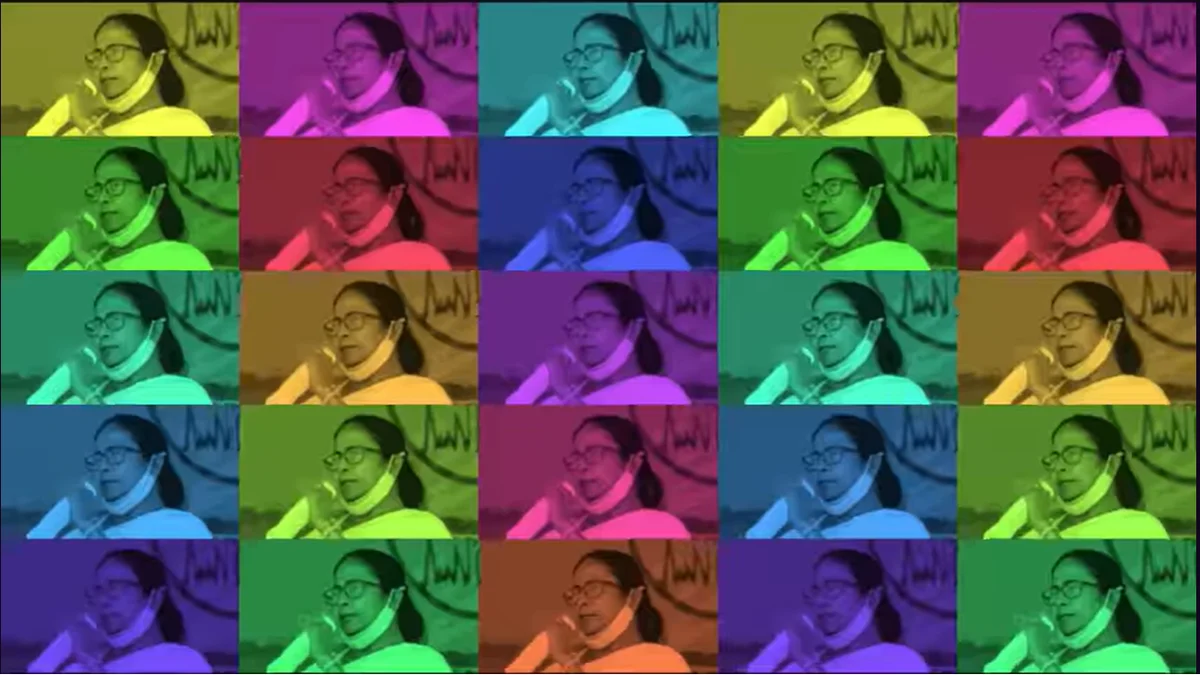
A recent video, shared by IndicSociety on X (formerly Twitter), captured a scene that perfectly encapsulates this new cultural wave: club-goers at Roots, a popular Kolkata nightclub, were seen energetically dancing to a techno rendition of "Hamba Hamba." This peculiar sound, an imitation of a cow’s bellow, originated from a speech delivered by Mamata Banerjee, the Chief Minister of West Bengal, in Murshidabad prior to the 2021 West Bengal Legislative Assembly elections. What was once a moment of political discourse, perhaps intended to be critical or humorous, has been masterfully transformed into a pulsating techno number that has captivated the city, especially in the wake of the Trinamool Congress’s (TMC) performance in the 2026 West Bengal Legislative Assembly elections.
The "Hamba Hamba" remix, released in January 2024 on major streaming platforms like Apple Music, JioSaavn, and Spotify by Bajania Ghar, a music production house dedicated to nurturing emerging talent, has become an unexpected anthem. This phenomenon isn’t an isolated incident. Over the past few years, West Bengal’s political landscape has spawned a unique and remarkably sticky genre: political techno remixes. These tracks are characterized by repetitive choruses, meme-friendly punchlines, and irresistibly danceable beats, often crafted by local DJs and amplified across social media platforms like Instagram Reels and YouTube Shorts.
A Chronology of Catchy Slogans: The Evolution of Political Remixes
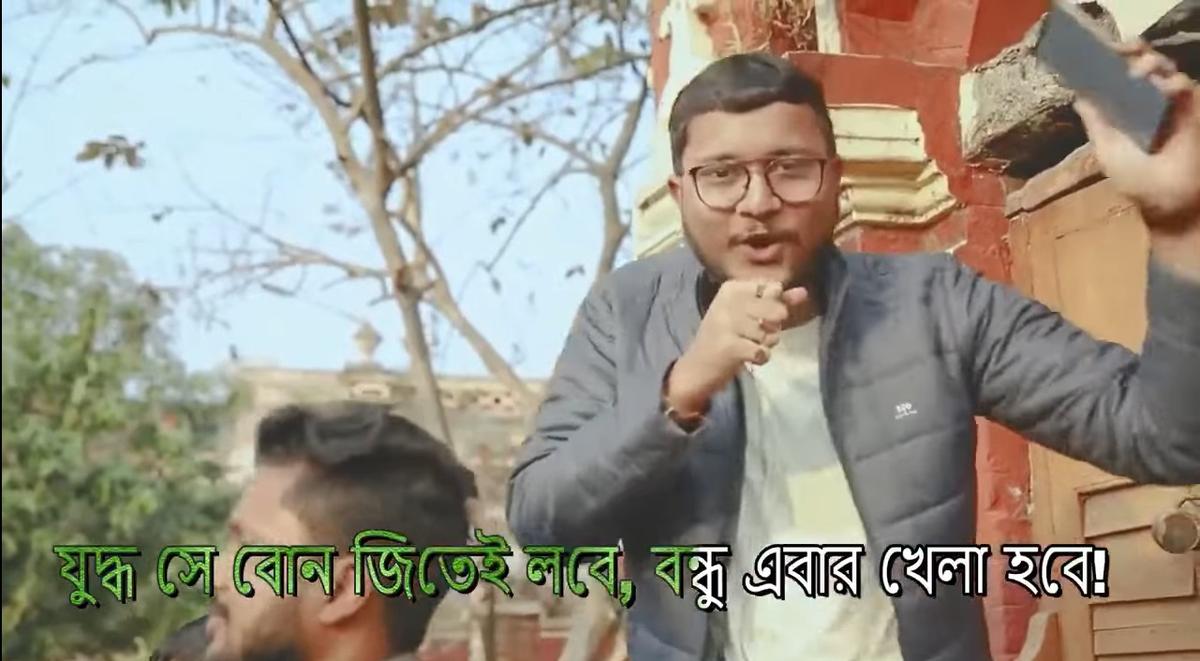
The trend arguably found its initial footing in 2021 with "Khela Hobe" (Let the Games Begin). This Trinamool Congress anthem, penned by youth leader Debangshu Bhattacharya and remixed by DJ Bulbul, was a strategic masterstroke. Adapted from a slogan popularized by Bangladeshi politician Shamim Osman, the phrase rapidly transcended its political origins to become a ubiquitous part of everyday conversation. Its catchy rhythm and assertive message resonated deeply, making it a powerful tool for political mobilization.
Since "Khela Hobe," a series of similar tracks have followed a parallel template, leveraging catchy hooks and direct political mockery to achieve rapid virality across social media. These include songs like "Hamba Hamba," "Mach Chor" (Fish Thief), and "File Chor" (File Thief). These remixes have become potent cultural artifacts, reflecting and shaping public sentiment in a dynamic and engaging manner.
The "Khela Hobe" Phenomenon: A Precedent Set
The success of "Khela Hobe" laid the groundwork for subsequent political remixes. The original music video, released by Bengal Newscast, served as a visual anchor, but it was DJ Bulbul’s remix that injected the track with an undeniable danceable energy. The phrase "Khela Hobe" became more than just a political slogan; it evolved into a cultural catchphrase, invoked in various contexts, from political discussions to casual conversations about sporting events like the Derby between East Bengal and Mohun Bagan. This demonstrated the power of a well-crafted slogan to seep into the public consciousness and gain a life of its own, irrespective of its original political intent.
The Rise of Anti-TMC Narratives in Remixes
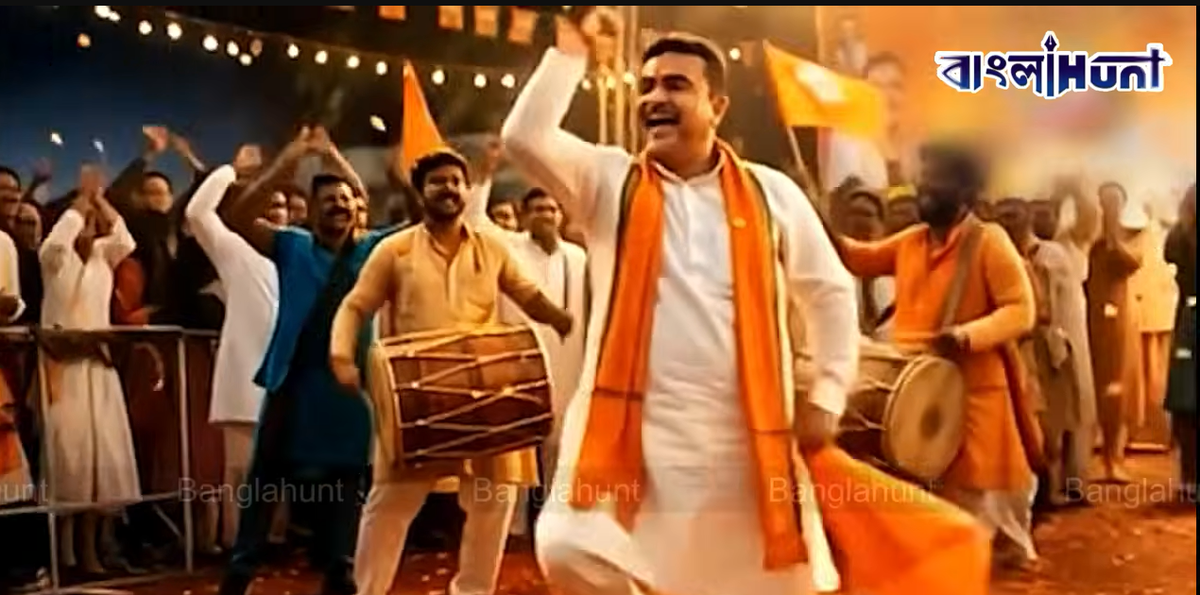
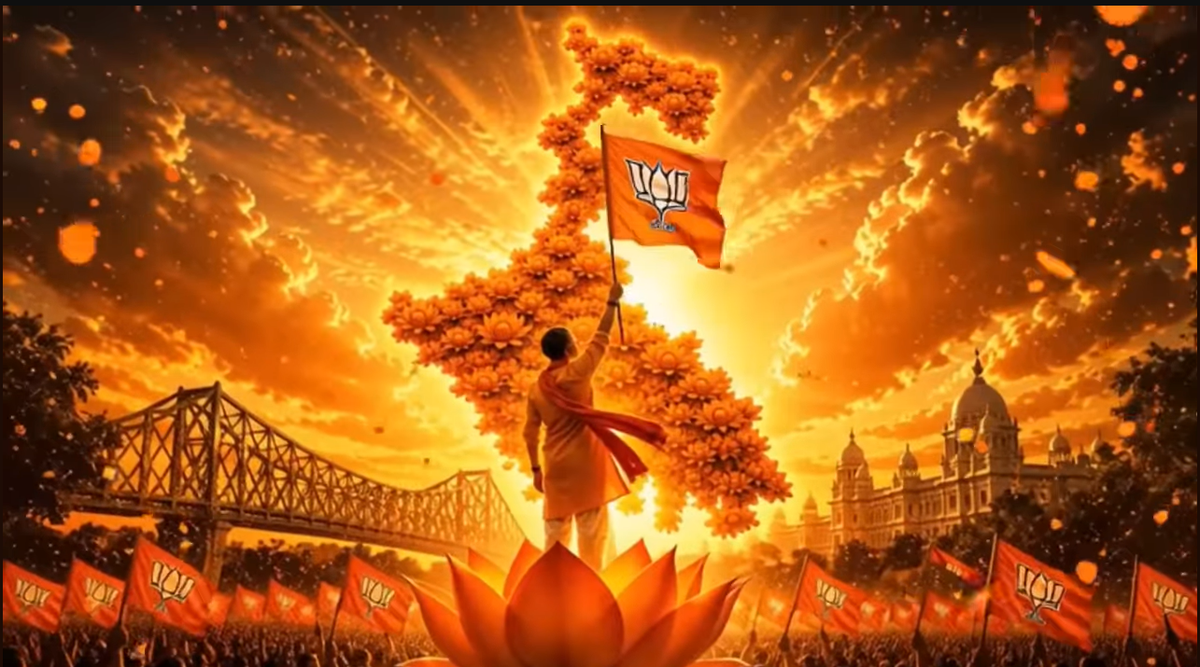
Following the Bharatiya Janta Party’s (BJP) significant victory in Bengal, a new wave of political remixes emerged, often targeting former ministers and members of the TMC. Tracks like "Mach Chor" and "File Chor" became prominent examples, employing sharp lyrical barbs and a danceable beat to criticize alleged corruption and misconduct within the previous government. These songs, often uploaded by creators like BanglaHunt on YouTube, exemplified the direct and often confrontational nature of this new genre.
The BJP’s Foray into the Remix Culture: "Thanda Thanda Cool Cool Mayer Bhoge Trinamool"
The BJP, capitalizing on the political climate, also entered the fray with its own political remixes. One such track, "Thanda Thanda Cool Cool Mayer Bhoge Trinamool" (Calm and Cool Trinamool is on offer to the goddess), found a receptive audience on platforms like Spotify. Indrayudh Bose, an MBA graduate, shared his experience of hearing and enjoying this song, highlighting how the catchy nature of the tune and its humorous, albeit nonsensical, lyrics contributed to its appeal. He emphasized that many who enjoy these songs don’t necessarily subscribe to the political ideology of the party behind them, underscoring the power of the music itself to transcend political affiliation.
Supporting Data: The Viral Impact of Political Remixes
The sheer reach and engagement generated by these political techno remixes underscore their significant cultural impact. Sohan Saha, a cybersecurity student and aspiring ethical hacker, uploaded a video of himself and a friend dancing to the BJP’s "Mach Chor" on Instagram on May 5, 2026. This video, targeted at former TMC MLA Saokat Molla, garnered an astonishing 1.4 million views, 131,000 likes, 1,003 comments, 3,247 reposts, and 77,800 shares by May 21, 2026. This level of engagement on a single social media post demonstrates the potent virality of these tracks.
Sohan’s experience reflects a common sentiment. He first heard the song on a friend’s phone, and while it didn’t "hit him at first," repeated exposure on Instagram Reels made the "repetitive hook" memorable. He noted the song’s omnipresence, heard in buses, autos, and roadside stalls, indicating its pervasive influence beyond digital platforms. He attributed its appeal to its "vibe," engaging and funny lyrics that felt relatable, and a catchy tune that compelled people to move. Sohan drew parallels to the repetitive hooks and catchy beats found in trending Bollywood techno songs, highlighting the universal appeal of such musical structures. The virality of these songs on platforms like Instagram and YouTube Shorts further solidifies their status as modern-day memes and cultural touchstones.
The comments on Sohan’s reel, including phrases like "aladai vibe" (a different vibe), "an absolute banger," and "this song deserved a Nobel," showcase the diverse reactions, ranging from genuine appreciation for the musicality to humorous hyperbole. This spectrum of responses highlights how these remixes have become a form of entertainment that transcends partisan politics for many listeners.
Technical Appreciation: The Musicological Angle
Arkaprabha Mahata, a software development engineer and an avid Electronic Dance Music (EDM) enthusiast, offers a more technical perspective on why these remixes are so effective. As a fan of acid and minimal techno, influenced by artists like Charlotte de Witte, Arkaprabha finds the "Hamba Hamba" song particularly appealing due to its rhythmic structure. He explains that the words, "hamba hamba rumba rumba kamba kamba," are strategically placed "in between two beats." In techno music, each beat typically has an underlying melody or rhythm. The rhyming scheme and placement of these specific words within the beats of the "Hamba Hamba" remix create a perfect synergy, enhancing the track’s overall groove and making it exceptionally danceable. This musical analysis sheds light on the deliberate craftsmanship behind these seemingly simple political jingles, revealing a sophisticated understanding of electronic music production.
Implications: Beyond the Dance Floor
The rise of political techno remixes has profound implications for understanding contemporary political discourse and popular culture in West Bengal.
The Satirical Edge: Understanding the Nuance of Protest Music
Chandril Bhattacharya, a political commentator and lyricist for the popular Bengali band Chandrabindoo, provides valuable insight into this evolving genre. He notes a shift from earlier forms of protest songs, which often targeted a vague "ruling party" or "oppressor." Bhattacharya observes that contemporary remixes directly name and attack specific parties or individuals, often pushing the boundaries of decency. This directness, he suggests, is a core element of their appeal, though it can sometimes border on a lack of refinement, which doesn’t typically enhance artistic merit. These songs, he argues, tread a fine line, reflecting public sentiment while employing crudeness to achieve popularity.
Bhattacharya further elaborates on the reasons behind their widespread acceptance in the current era. He points to the increasing prevalence of "insult-flinging" and the social media culture that often "rewards" humiliating others. Simultaneously, he acknowledges that these songs serve as an outlet for legitimate anger against politicians who abuse their power. Critically, he highlights the skill and craft involved, noting the "crunchy punchlines, hummable refrains, and catchy rhythms" that compel people to dance. This dual nature – offering both catharsis for public frustration and sophisticated musicality – contributes to their broad appeal.
The Democratization of Political Commentary
These political techno remixes represent a form of democratized political commentary. Anyone with access to basic music production software and a social media account can create and disseminate these tracks. This bypasses traditional media gatekeepers and allows for a more organic and grassroots form of political engagement. The virality of these songs on platforms like Instagram and YouTube indicates that they have become powerful tools for shaping public opinion and disseminating political messages, often in a more engaging and memorable way than conventional political rhetoric.

The Blurring Lines Between Politics and Entertainment
The fact that these political remixes are now regular fixtures in Kolkata nightclubs signifies a significant blurring of the lines between politics and entertainment. What was once a tool for political mobilization has now become a form of popular entertainment, enjoyed by a diverse audience, regardless of their political leanings. This suggests a cultural shift where political discourse is increasingly integrated into the fabric of everyday entertainment, making it more accessible and relatable to a wider population.
The Longevity of Memes and Catchphrases
The enduring appeal of these political remixes suggests that their shelf life may extend far beyond the immediate political cycles that inspired them. As memes, catchphrases, and club anthems, they have the potential to outlast the politicians who inadvertently gave them life. This phenomenon highlights the power of cultural artifacts to evolve and adapt, becoming enduring symbols of specific historical moments and societal sentiments.
Official Responses: Navigating the New Sonic Landscape
While the article does not detail specific official responses from political parties to these remixes, the very existence and popularity of these tracks suggest a dynamic where political figures and parties are increasingly operating within a media environment where viral content, often with satirical undertones, plays a significant role. The fact that the TMC’s "Hamba Hamba" has been remixed and enjoyed post-election, and that the BJP has produced its own versions, indicates a tacit acknowledgment, if not outright engagement, with this evolving form of political expression. The silence from official quarters might be a strategic choice, as direct engagement could either legitimize the mockery or alienate segments of the audience. However, the widespread presence of these songs in public spaces and online suggests that their impact is too significant to be entirely ignored.
Conclusion: The Beat of Bengal’s Evolving Political Discourse
The emergence of political techno remixes in West Bengal, exemplified by the widespread popularity of tracks like "Hamba Hamba," "Khela Hobe," "Mach Chor," and "File Chor," marks a significant evolution in the state’s cultural and political landscape. These songs, born from campaign slogans and political pronouncements, have transcended their origins to become dancefloor anthems and viral social media sensations. They represent a unique fusion of political commentary, satire, and popular music, demonstrating the power of catchy beats and relatable lyrics to capture the public imagination.
As these remixes continue to dominate dance floors and social media feeds, they offer a fascinating lens through which to understand the contemporary pulse of West Bengal. They highlight the democratization of political discourse, the blurring lines between politics and entertainment, and the enduring power of music to reflect and shape societal attitudes. The next time a familiar political slogan echoes through a club, it’s not just a song; it’s a testament to Bengal’s vibrant, evolving, and undeniably rhythmic political consciousness.
