

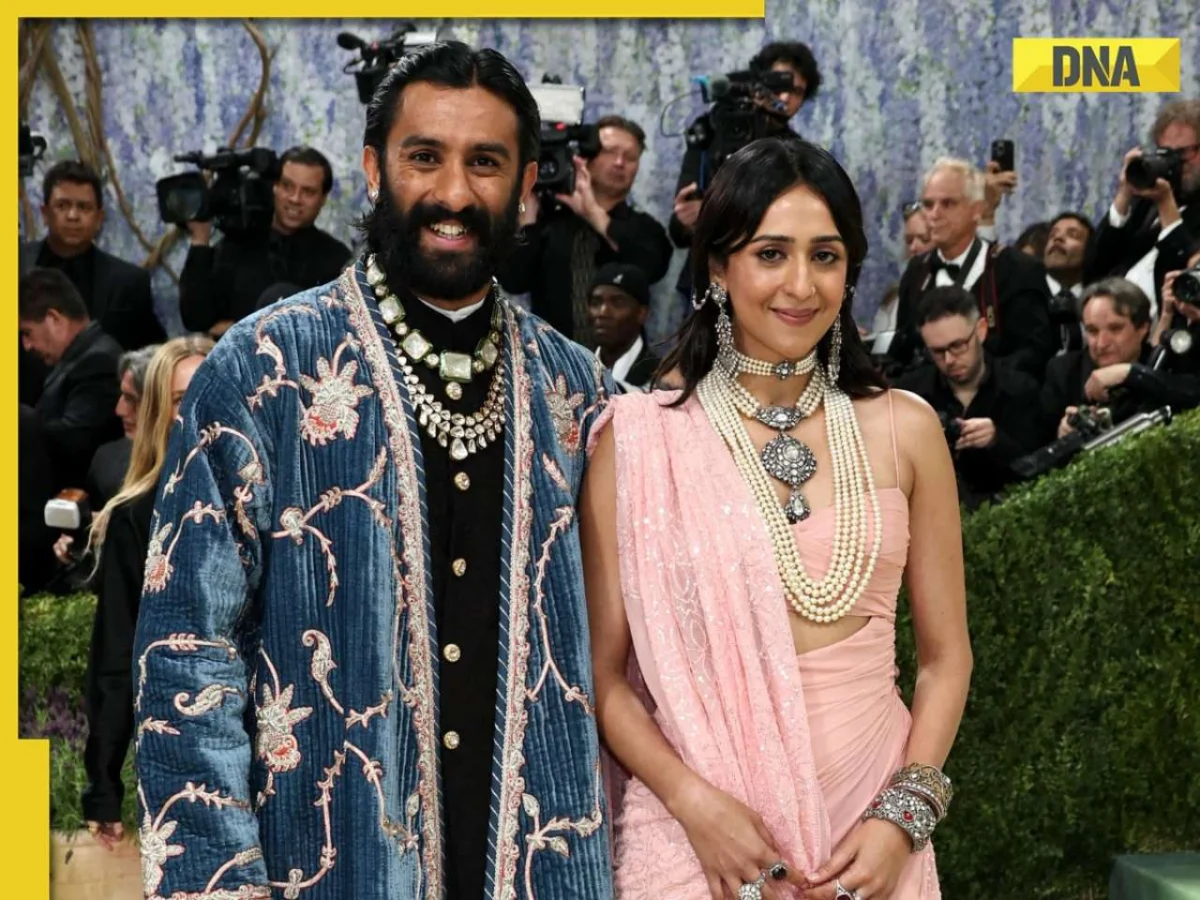
New York, NY – May 5, 2026 – The hallowed grounds of the Metropolitan Museum of Art once again played host to the crème de la crème of the fashion world at the highly anticipated Met Gala 2026. Among the constellation of stars and style icons, a regal presence emerged from the heart of India, captivating the global audience with a sartorial narrative steeped in centuries of tradition and royal heritage. Maharaja Sawai Padmanabh Singh, the ceremonial head of Jaipur’s former royal family, graced the event not merely as a guest, but as a living embodiment of India’s rich cultural legacy, adorned in a breathtaking ensemble designed by the acclaimed Prabal Gurung. This year’s Met Gala, themed "The Art of Royal Courts: A Global Tapestry," provided the perfect canvas for Singh to showcase the exquisite craftsmanship and enduring elegance of his ancestral home.
The Royal Scion and His Symbolic Statement
Maharaja Sawai Padmanabh Singh, affectionately known as ‘Pacho’ to his inner circle, is more than just a title; he is a custodian of Jaipur’s illustrious past and a dynamic figure shaping its future. Descending from the venerable Kachwaha dynasty that once governed the famed "Pink City," Singh ascended to his titular role at the tender age of 12 in 2011, following the passing of his grandfather. His reign, though ceremonial, is deeply intertwined with Jaipur’s cultural identity and its enduring royal legacy.
)
However, Singh’s influence extends far beyond the confines of his royal lineage. He is a formidable force on the international polo circuit, representing India with distinction and actively championing the sport within modern India. His commitment to social upliftment is equally noteworthy. Singh has been a vocal advocate for education and women’s empowerment, spearheading initiatives that provide scholarships and digital learning programs for underprivileged girls. This multifaceted persona – a royal, an athlete, and a philanthropist – positions him as a compelling ambassador for India on the global stage. His consistent ability to blend traditional Indian aesthetics with contemporary fashion at international events has already cemented his reputation as a global style figure, making his Met Gala appearance a moment eagerly anticipated by fashion connoisseurs worldwide.

A Masterpiece Woven from Heritage: The Phulghar Coat
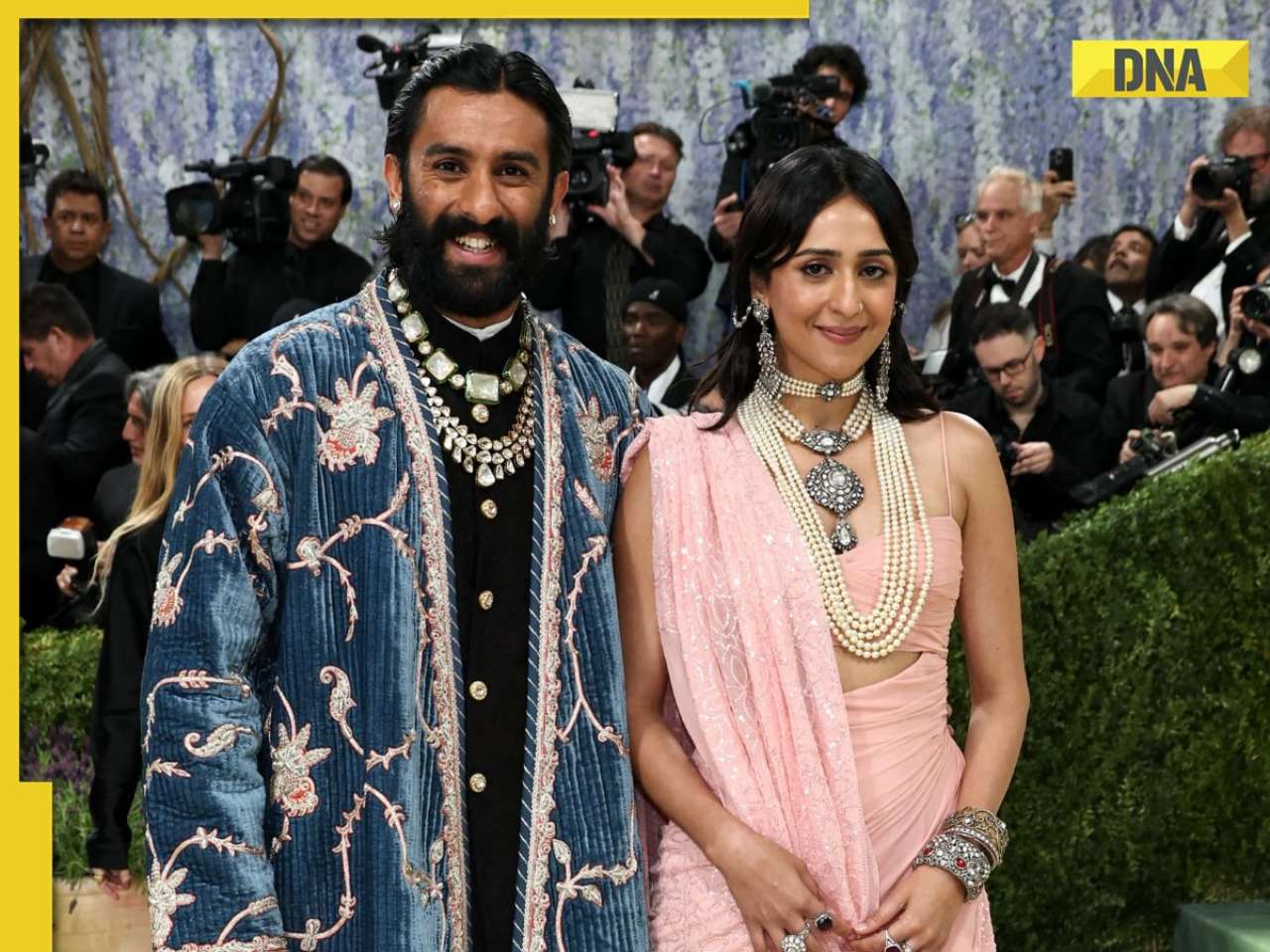
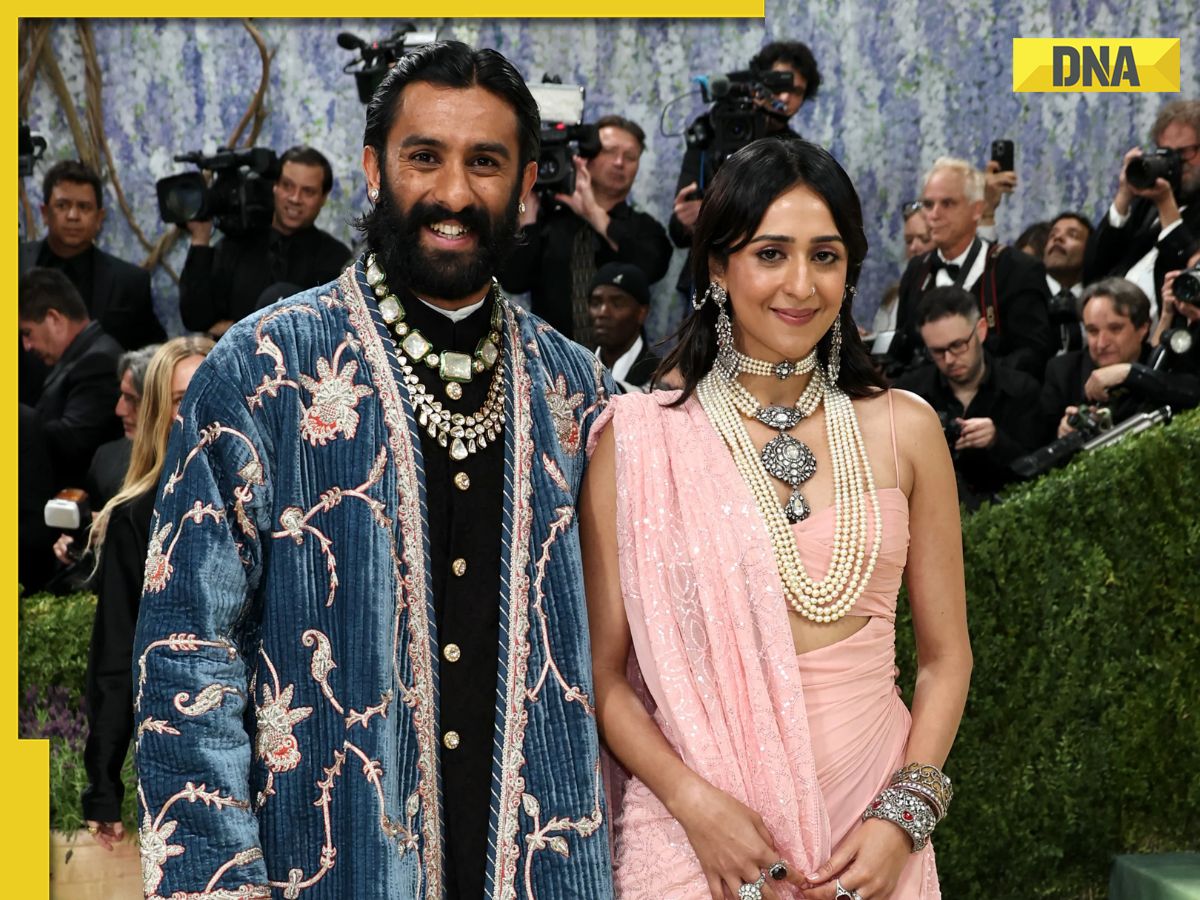
The centerpiece of Maharaja Sawai Padmanabh Singh’s Met Gala 2026 ensemble was the ‘Phulghar coat,’ a custom creation meticulously crafted by Nepalese-American designer Prabal Gurung. This sartorial marvel was not merely a garment; it was a profound statement, a living tapestry that narrated the story of Indian craftsmanship, tradition, and the Suryavanshi royal lineage. The creation process itself was a testament to dedication and artistry, reportedly requiring an astonishing 600 hours of meticulous work.
)
The Phulghar coat was a harmonious confluence of tradition and modern tailoring. Crafted from luxurious midnight blue velvet and complemented by cotton materials, its surface was adorned with an intricate symphony of aari and zardozi embroidery, interspersed with delicate resham and dabka work. These techniques, passed down through generations of Indian artisans, spoke volumes about the subcontinent’s unparalleled textile heritage.
)
A particularly striking and symbolic element of the coat was the mirror sun design. This motif, directly inspired by the Sri Niwas within Jaipur’s City Palace, served as a powerful visual representation of Singh’s Suryavanshi (solar dynasty) ancestral line. The sun, a universal symbol of power, life, and divinity, resonated deeply with the royal heritage he so proudly embodies. The intricate mirror work not only added a dazzling visual appeal but also reflected the light, symbolizing the enduring radiance of Jaipur’s royal past.
)
To complete his look, Maharaja Sawai Padmanabh Singh paired the Phulghar coat with impeccably tailored black trousers. These were not ordinary trousers; they subtly incorporated elements of Jaipur design, hinting at the city’s distinct aesthetic sensibilities. The ensemble was further elevated by the judicious selection of traditional jadau and polki jewelry, drawing inspiration from the renowned Johri Bazaar of Jaipur, a hub for exquisite gemstones and artisanal jewelry. This thoughtful integration of local craft and design ensured that every element of his appearance told a cohesive story of his royal provenance.
)
A Family Affair: Sister’s Homage to Maharani Gayatri Devi
Maharaja Sawai Padmanabh Singh was not the only member of his family to grace the Met Gala red carpet, nor was his sister’s presence merely incidental. His younger sister, accompanying him, chose to honor their esteemed grandmother, Maharani Gayatri Devi, a style icon in her own right. Her stunning chiffon saree, a treasured piece from Maharani Gayatri Devi’s personal collection, was artfully reimagined into a breathtaking gown by Prabal Gurung. This poignant tribute underscored the enduring influence of the Jaipur royal family on Indian fashion and highlighted the seamless intergenerational transfer of style and legacy. The mother-son duo’s presence, each carrying a piece of their family’s sartorial history, further amplified the narrative of tradition and legacy that permeated their Met Gala appearances.
)
The Design Philosophy: Prabal Gurung’s Vision
Prabal Gurung, known for his ability to weave narratives of strength, beauty, and cultural pride into his designs, found a profound muse in Maharaja Sawai Padmanabh Singh and the grandeur of Jaipur. Gurung’s design philosophy often champions the integration of his heritage with modern aesthetics, a sentiment that resonated perfectly with Singh’s own style.
)
"The Phulghar coat is a labor of love, a celebration of Indian craftsmanship and royal heritage," Gurung stated in an exclusive interview following the event. "We aimed to create a piece that was both historically resonant and undeniably contemporary. The intricate embroidery, the mirror work – each element was chosen to tell a story of Jaipur, of courage, and of a legacy that continues to inspire. It was an honor to collaborate with Maharaja Sawai Padmanabh Singh, a young man who embodies the grace and spirit of his lineage while forging his own path."
)
Gurung’s atelier meticulously researched traditional Indian embroidery techniques, ensuring authenticity and precision. The selection of fabrics, the meticulous hand-stitching, and the integration of symbolic motifs all contributed to a garment that was not just worn, but deeply felt. The designer’s commitment to sustainable practices and ethical sourcing, a hallmark of his brand, was also evident in the careful selection of materials.
)
A Global Stage for Indian Artistry: Implications and Significance
Maharaja Sawai Padmanabh Singh’s appearance at the Met Gala 2026 transcended a mere fashion statement; it was a significant cultural moment with far-reaching implications. By presenting a narrative that showcased the royal artistry of Jaipur and the unparalleled textile heritage of India to an international audience, Singh and Gurung effectively placed Indian craftsmanship under a global spotlight.
)
1. Cultural Diplomacy and Soft Power: Singh’s presence served as a powerful act of cultural diplomacy. He acted as a living ambassador for India, showcasing its rich artistic traditions and historical grandeur to a demographic that influences global trends and perceptions. This elevated the perception of Indian heritage beyond mere tourism, positioning it as a source of high art and sophisticated design.
)
2. Championing Artisanal Crafts: The meticulous craftsmanship involved in the Phulghar coat highlighted the importance of traditional artisanal skills. In an era of mass production, such a prominent display serves to underscore the value and artistry of hand-made creations, potentially inspiring greater appreciation and support for these dying arts. The 600 hours of work represent not just labor, but the preservation of a cultural legacy.
)
3. Redefining Royal Heritage in Contemporary Fashion: Singh’s ensemble demonstrated how historical royal heritage can be seamlessly integrated into modern fashion. It offered a blueprint for how traditional motifs, techniques, and storytelling can be reinterpreted for a contemporary global audience, proving that heritage is not static but a dynamic source of inspiration.
)
4. Influencing Global Fashion Trends: The Met Gala is a global trendsetter. Singh’s distinctively Indian-inspired look, executed with such elegance and sophistication, has the potential to influence international fashion designers and consumers, encouraging a greater embrace of diverse cultural aesthetics. The intricate embroidery and rich embellishments could inspire new collections worldwide.
)
5. Inspiration for Younger Generations: For young Indians, particularly those connected to royal lineages or traditional crafts, Singh’s appearance serves as a powerful source of inspiration. It demonstrates that embracing one’s heritage can be a path to global recognition and influence, encouraging a deeper connection to their cultural roots.
)
A Legacy in Bloom: The Future of Jaipur’s Royal Representation
Maharaja Sawai Padmanabh Singh’s Met Gala 2026 appearance is more than a singular event; it is a continuation of a legacy. His family, particularly Maharani Gayatri Devi, has long been synonymous with impeccable style and a deep connection to Indian heritage. By embracing this mantle and reinterpreting it for a new era, Singh is ensuring that Jaipur’s royal legacy continues to bloom on the global stage. His ability to balance his royal duties, his athletic pursuits, his philanthropic endeavors, and his role as a style icon positions him as a truly modern royal, capable of bridging the past and the future with grace and purpose. The Met Gala 2026 was not just about a coat; it was about a king’s commitment to showcasing the enduring brilliance of his kingdom’s artistic soul.
