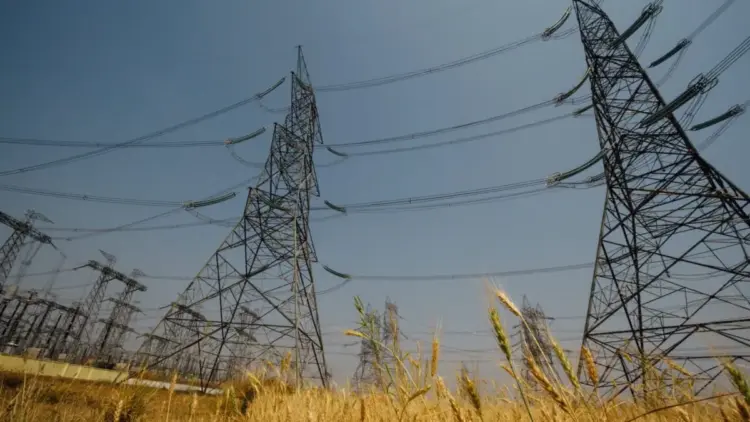
The "35-by-35" target was designed to be the next major milestone in the global energy transition, intended to complement the pledge made at previous summits to triple renewable energy capacity. However, as the latest draft of the COP31 cover decision reveals, the language has been significantly diluted following intense pushback from powerful negotiating blocs, including the Like-Minded Developing Countries (LMDC), the Arab Group, and Russia.
The Core Conflict: From Mandates to Cooperation
The primary objective of the Antalya summit was to codify electrification as the "engine of the transition." Proponents argue that simply generating green power is insufficient if the end-use sectors—transport, heating, and industry—remain tethered to fossil fuel combustion. By aiming for a 35% electrification rate of total final energy consumption (TFEC) by 2035, the presidency hoped to create a clear roadmap for infrastructure investment.
However, the second and latest draft of the political text, released on November 19, reflects a strategic retreat. In the initial draft circulated on November 16, the electrification goal was presented as a distinct mandate, calling on individual nations to contribute to the target in a "nationally determined manner." This phrasing is significant in UN diplomacy, as it implies a level of accountability and integration into National Climate Plans (NDCs).
In the revised text, this urgency has been replaced. The target is no longer a specific call to action for individual states but is instead categorized as one of several "concrete solutions" for "global cooperation across all actors." It now sits alongside existing pledges rather than standing as a new, binding requirement. According to Anumita Roychowdhury, Executive Director of Research and Advocacy at the Centre for Science and Environment (CSE), this shift represents a move away from a firm mandate toward a broader, qualified call for cooperation that acknowledges "national circumstances" and "energy access."

Chronology of a Softening Text
The evolution of the COP31 cover decision reveals a timeline of high-stakes negotiation and ideological friction:
- November 16: The first draft is released. It includes a standalone paragraph on the 35% electrification goal, urging countries to incorporate this target into their domestic policies. This immediately triggers a backlash from the LMDC—a bloc representing roughly two dozen nations, including India, China, and Bangladesh—who argue the target ignores the varying development stages of different economies.
- November 18: Despite the friction in the negotiating rooms, a parallel track of voluntary support gains momentum. Seventy-five countries and 94 institutions, including the European Union, Canada, Japan, South Korea, the United Kingdom, and Germany, formally endorse the 35-by-35 goal.
- November 19: The second draft is published. The language is notably "softer." The Presidency shortens the document and reclassifies the electrification target. The Arab Group and Russia join the dissent, rejecting the draft over its specific language regarding the phasing down of fossil fuels and the electrification benchmarks.
- November 20: Final negotiations continue past the scheduled close of the summit. The central question remains whether the text will retain any numerical target or if it will be reduced to a purely aspirational statement.
Supporting Data: The Case for Electrification
The push for electrification is supported by a growing body of technical evidence suggesting that moving away from fossil fuel combustion is not just an environmental necessity but a massive efficiency gain.
The International Energy Agency (IEA), in a report prepared specifically for the COP31 presidency, highlights the "efficiency dividend" of electric technology. According to the IEA, an electric vehicle (EV) is between two to four times more efficient than an internal combustion engine vehicle. While a petrol car loses the vast majority of its energy as heat, an EV converts the bulk of its energy into motion.
Further research by RMI (formerly the Rocky Mountain Institute) underscores the inherent waste within the current fossil-fuel-based economy. Their study found that in 2019, of the 606 exajoules of energy that entered the global system, only 227 exajoules (37%) performed "useful work" like moving a truck or heating a home. The remaining 63% was wasted, largely through thermal loss in power plants and engines.
The economic implications of this inefficiency are staggering. RMI estimates that over $4.6 trillion per year—nearly 5% of global GDP—is essentially "burnt" due to the inefficiency of fossil fuels. For fuel-importing nations, the transition to electricity could be a financial lifeline. The IEA estimates that countries dependent on fuel imports could reduce their annual bills by more than $400 billion by 2035 if the electrification target is met.

However, the pace required to hit the 35% mark is daunting. Climate Action Tracker (CAT) notes that electricity met 17% of final energy use in 2000 and rose to 24% by 2023. Under current policies, the world is on track to hit only 28% by 2035. To reach 35%, the global rate of electrification must increase nearly fourfold compared to the historical average since the turn of the century.
Official Responses: The Divide Between North and South
The rhetoric at COP31 has exposed a widening gap in how developed and developing nations view "ambition."
UN Climate Change Executive Secretary Simon Stiell championed the target during a high-level event on November 19, describing electrification as a "lightbulb moment" for the global climate push. "Electrification is a huge efficiency boost, helping bring down greenhouse gas pollution and energy costs, and tackle grave injustices in energy access," Stiell remarked.
Conversely, the Global South, led by India, has expressed deep reservations. While India has made massive strides in domestic electrification—connecting millions of households through programs like Saubhagya and Deen Dayal Upadhyaya Gram Jyoti Yojana—it is hesitant to sign onto a new global benchmark without guaranteed financial support.
Bhupender Yadav, India’s Union Minister for Environment, Forest and Climate Change, delivered a pointed National Statement on November 18. He reminded the assembly that the current climate crisis is the result of two centuries of industrialization by the West. "Expecting the Global South to bear the burden of addressing the consequences of these historical emissions in the name of ‘higher ambition’ is unjustified," Yadav stated.

Indian experts echo this sentiment. Debajit Palit of the Chintan Research Foundation noted that while the 35-by-35 benchmark provides a "focal point," it remains a hollow gesture without "reliable grids, energy storage, and secure supply chains." He warned that electrification is not synonymous with decarbonization: "We must recognize that electrification is not decarbonisation… International cooperation should help mobilise investment while respecting different development pathways."
Implications: The Finance Gap and the Future of Energy
The softening of the COP31 text is a symptom of a much larger problem: the "Means of Implementation." For developing countries, the transition to an electrified economy requires more than just political will; it requires a complete overhaul of national infrastructure.
The financial figures are sobering. India’s NITI Aayog estimates that the country faces a cumulative financing gap of $6.5 trillion by 2070 to achieve its net-zero goals. By 2050 alone, India will need $8.05 trillion but expects to have only $5.56 trillion available. This $2.5 trillion shortfall must be filled by international climate finance—a commitment that developed nations have historically struggled to meet.
Furthermore, environmental advocates like 350.org have criticized the electrification push for its lack of specificity regarding the source of the electricity. Andreas Sieber, the group’s head of political strategy, warned that the current draft "leaves the door open for fossil fuels to masquerade as clean electrification." Without tying the 35% target directly to a renewable energy mandate, there is a risk that countries could meet the goal by simply switching from oil-burning cars to coal-fired electric grids.
As the summit in Antalya concludes, the "35-by-35" goal serves as a microcosm of the broader climate debate. It represents a technically sound, economically beneficial pathway that is currently being choked by a lack of trust and a deficit of capital. If the final text remains "soft," it will be a signal that while the world agrees on the destination of the energy transition, it remains deeply divided on who will pay for the journey.

Without concrete, quantifiable financial support—concessional finance, technology transfer, and capacity building—the 35% target may join the long list of UN goals that remain "broad indicative intentions" rather than the "actionable pathways" the planet desperately requires.