The global narrative surrounding illegal wildlife trade is dominated by images of seized ivory tusks, tiger skins, and trafficked pangolins. These "charismatic megafauna" capture public sympathy and drive international policy. However, a silent and equally devastating trade operates in the shadows of the world’s biodiversity hotspots—the illegal trafficking of wild plants.
During the 2024 Indian Wildlife Ecology Conference (IWEC), a pivotal panel discussion brought to light a phenomenon researchers call "plant blindness." This cognitive bias leads the public, and even some conservationists, to overlook the vital role of flora in ecosystems, viewing plants merely as a backdrop for animals. The consequence of this blindness is a massive, unregulated parallel economy that is pushing species like Paris polyphylla to the brink of local extinction in Northeast India.
Main Facts: The Scale of Plant Blindness
The illegal trade in plants is not limited to high-value timber like sandalwood or exotic ornamental orchids. It encompasses thousands of medicinal herbs, fungi, and tubers that are essential to both local ecosystems and global pharmaceutical chains. According to the IUCN Red List, over 20% of all assessed plant species are currently threatened with extinction—a risk level that mirrors that of mammals.
The Case of Paris polyphylla
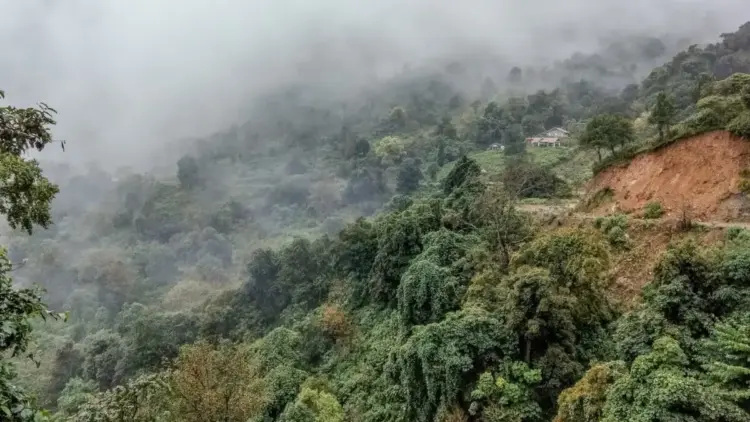
The focal point of recent investigations in Northeast India is Paris polyphylla, a perennial herb known for its distinctive whorled leaves and spider-like flowers. Found in the high-altitude, old-growth temperate and subtropical forests of the Himalayas, the plant is highly prized in Traditional Chinese Medicine (TCM) for its rhizomes, which are believed to have anti-inflammatory, analgesic, and even anti-cancer properties.

Despite its ecological importance and its "Vulnerable" status on the IUCN Red List, Paris polyphylla remains largely invisible to mainstream enforcement agencies. In the states of Nagaland and Arunachal Pradesh, the plant is being extracted at an industrial scale, laundered into legal markets, and smuggled across international borders with minimal oversight.
Socioeconomic Drivers
The trade is fueled by a complex interplay of external demand and local economic vulnerability. While indigenous communities in the Northeast have traditionally used the plant for minor ailments—treating injuries or digestive issues—the current scale of extraction is driven entirely by markets in China and Nepal. For young men in remote villages with limited employment opportunities, the promise of quick cash from "forest gold" outweighs the legal and physical risks.
Chronology: From Traditional Use to Industrial Extraction
The trajectory of the Paris polyphylla trade in Northeast India provides a blueprint for how a once-sustainable local resource can be decimated by global market forces within a single decade.
The Pre-2015 Era: Traditional Stewardship
For generations, Paris polyphylla was a minor component of the local pharmacopeia. Traditional healers and hunters used small quantities of the rhizome. The plant was respected, and its slow growth cycle was naturally protected by the limited scope of local needs.

2015: The Commercial Shift
Around 2015, the trade shifted from subsistence to commerce. Middlemen began arriving in remote villages in Nagaland and Arunachal Pradesh, offering cash for dried rhizomes. This coincided with a tightening of regulations and the depletion of wild stocks in China and Nepal, forcing traders to look toward the relatively untouched forests of Northeast India.
2018: Political Alarm Bells
By 2018, the scale of the trade had become so large that it reached the floor of the Arunachal Pradesh Legislative Assembly. Ministers expressed concern over the unregulated extraction, citing reports of physical assaults and even murders linked to disputes over "Kala Kachru" (a local name for the plant). Despite these discussions, little was done to change the enforcement priority on the ground.
2020: The Peak and the Peril
The trade reached its zenith around 2020. During this period, prices doubled, leading to a "gold rush" mentality. Collectors began taking smaller, immature rhizomes, ensuring that the plants had no chance to reproduce. As easy-to-reach populations vanished, collectors ventured into increasingly treacherous terrain. Reports emerged of young men disappearing in the dense forests, with village search parties failing to recover their bodies.
Post-2020: The Slowdown and Potential Recovery
Following the peak in 2020, a combination of over-extraction (leading to scarcity) and pandemic-related border disruptions caused a slowdown in the trade. Recent field observations suggest that in areas where extraction has paused, the species is showing early signs of recovery, offering a narrow window for conservation intervention.

Supporting Data: The Logistics of a Parallel Economy
The illegal plant trade operates through a sophisticated, decentralized network that bypasses formal state structures.
The Middleman Network
Collectors—primarily local residents—are at the bottom of the hierarchy. They dry the rhizomes in the forest to reduce weight before handing them over to middlemen. These middlemen are often local traders or migrants who run small businesses in town. They act as the bridge to the international market, often buying a variety of products simultaneously, including:
- Medicinal Plants: Paris polyphylla, Himalayan ginseng.
- Wildlife Products: Bear bile, pangolin scales, and musk pods.
- Insects: Stink bugs (genus Coridius) for cross-border food markets.
- Fungi and Orchids: Various species for ornamental and culinary use.
Smuggling Logistics: The "Burma Bikes"
In Nagaland, the movement of contraband is facilitated by "Burma Bikes"—lightweight, high-torque two-wheelers capable of navigating the most treacherous mountain paths. These bikes transport consignments across porous sections of the India-Myanmar border. Because these routes avoid main roads and official checkpoints, the trade remains largely unreported in official seizure statistics.
Biological Constraints
A significant piece of data that complicates the trade is the plant’s biology. Paris polyphylla is a slow-growing clonal species. It typically takes six to seven years for a rhizome to reach a commercially viable size. This slow maturation makes wild populations extremely vulnerable to "pulse" harvesting, where an entire area is cleared in one season. It also makes commercial farming difficult, as local farmers cannot afford to wait seven years for a return on investment without significant government subsidies.

Official Responses: Protection on Paper vs. Reality
The legal framework for protecting plants in India is robust on paper but frequently fails in practice.
Legislative Gaps
The Wild Life (Protection) Act, 1972, and various international treaties like CITES (Convention on International Trade in Endangered Species of Wild Fauna and Flora) provide the legal basis for restricting trade. However, enforcement is heavily skewed toward animals. Forest department personnel are often trained in anti-poaching for tigers or elephants but may not be able to identify endangered medicinal herbs or recognize the signs of illegal plant extraction.
The Failure of Legal Bans
History has shown that strict legal bans can sometimes backfire. The case of Saussurea costus (Kuth) is a prime example. Despite being listed as Critically Endangered and banned from trade in the 1980s and 90s, an investigation in 2001 found that large-scale illegal trade continued unabated. The ban served only to drive the trade further underground, criminalizing indigenous communities while allowing corrupt middlemen to thrive.
Lack of Priority
In state budgets and enforcement mandates, plant trade is rarely a priority. Because the extraction of herbs does not involve the "bloody" imagery of animal poaching, it is often viewed as a minor administrative issue rather than a serious environmental crime.

Implications: Ecological Collapse and the Path Forward
The continued "plant blindness" in conservation policy has far-reaching implications for the biodiversity of the Indo-Burma hotspot.
Ecological Ripple Effects
The loss of Paris polyphylla is not just a botanical tragedy; it is an ecological one. Local hunters and residents have observed that various wildlife species depend on the plant. Mammals like deer consume the leaves and stems, while birds such as tragopans and monals eat the fruits. There is even anecdotal evidence from indigenous trackers suggesting that wildlife may use the plant for its therapeutic benefits. The removal of these "forest pharmacies" could lead to a decline in the overall health and resilience of high-altitude fauna.
The Rise of Criminal Networks
The unregulated trade in plants fosters an environment of lawlessness. When large sums of money move through illegal channels, it attracts criminal actors involved in extortion, theft, and violence. This undermines local governance and creates a cycle of indebtedness among poor collectors who borrow money from traders to fund their expeditions.
A New Conservation Strategy: Community-Led Monitoring
The most promising development in recent years has been the rise of community-led conservation. In some Nagaland villages, local councils have recognized the long-term ecological loss and have begun implementing village-level bans on the commercial collection of Paris polyphylla.

Because these communities own the land and live in the forests, they are more effective at monitoring than any external government agency. For a conservation strategy to succeed, it must:
- Acknowledge Local Agency: Residents must be treated as partners, not as criminals.
- Provide Economic Alternatives: If the government wants to stop wild extraction, it must subsidize the long-term cultivation of these plants to make farming a viable alternative to poaching.
- Integrate Flora into Enforcement: Training for forest guards must include the identification of high-value medicinal plants and the mapping of their habitats.
The recovery of Paris polyphylla populations post-2020 suggests that nature is resilient, but it requires a reprieve from human greed. To protect the forests of Northeast India, we must first cure our "plant blindness" and recognize that the smallest herb is just as vital to the ecosystem as the largest predator. The seat at the conservation table must be expanded to include not just scientists and officials, but the local residents who are the true custodians of the forest’s hidden treasures.