

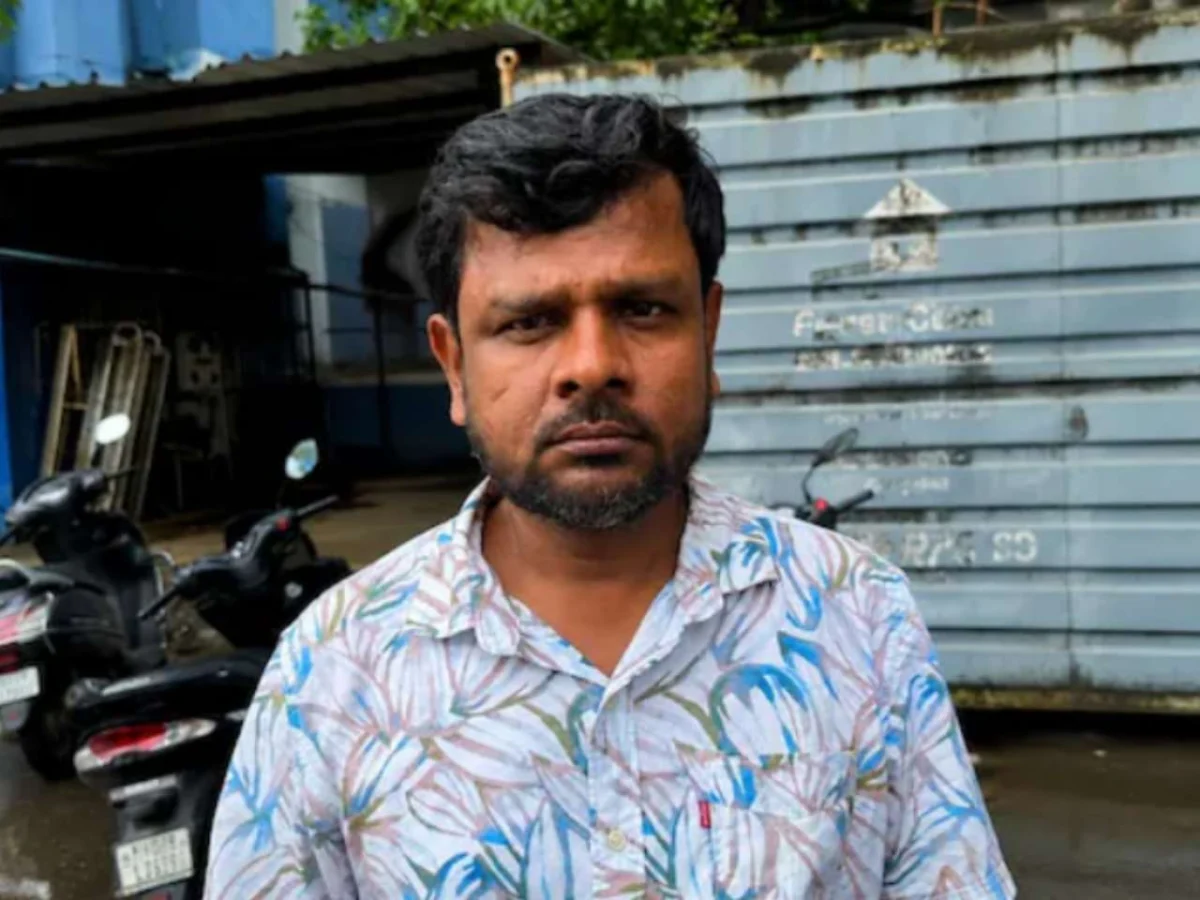
Mumbai, India – July 25, 2026 – In a significant breakthrough for law enforcement agencies, Bijendra Gupta, the alleged mastermind behind the widespread Maharashtra Teacher Eligibility Test (TET) paper leak scandal, has been arrested in Bihar. The apprehension, a culmination of a multi-state search operation, also led to the capture of another key accused, marking a crucial step in dismantling a sophisticated examination malpractice network that has plagued competitive testing across the nation.
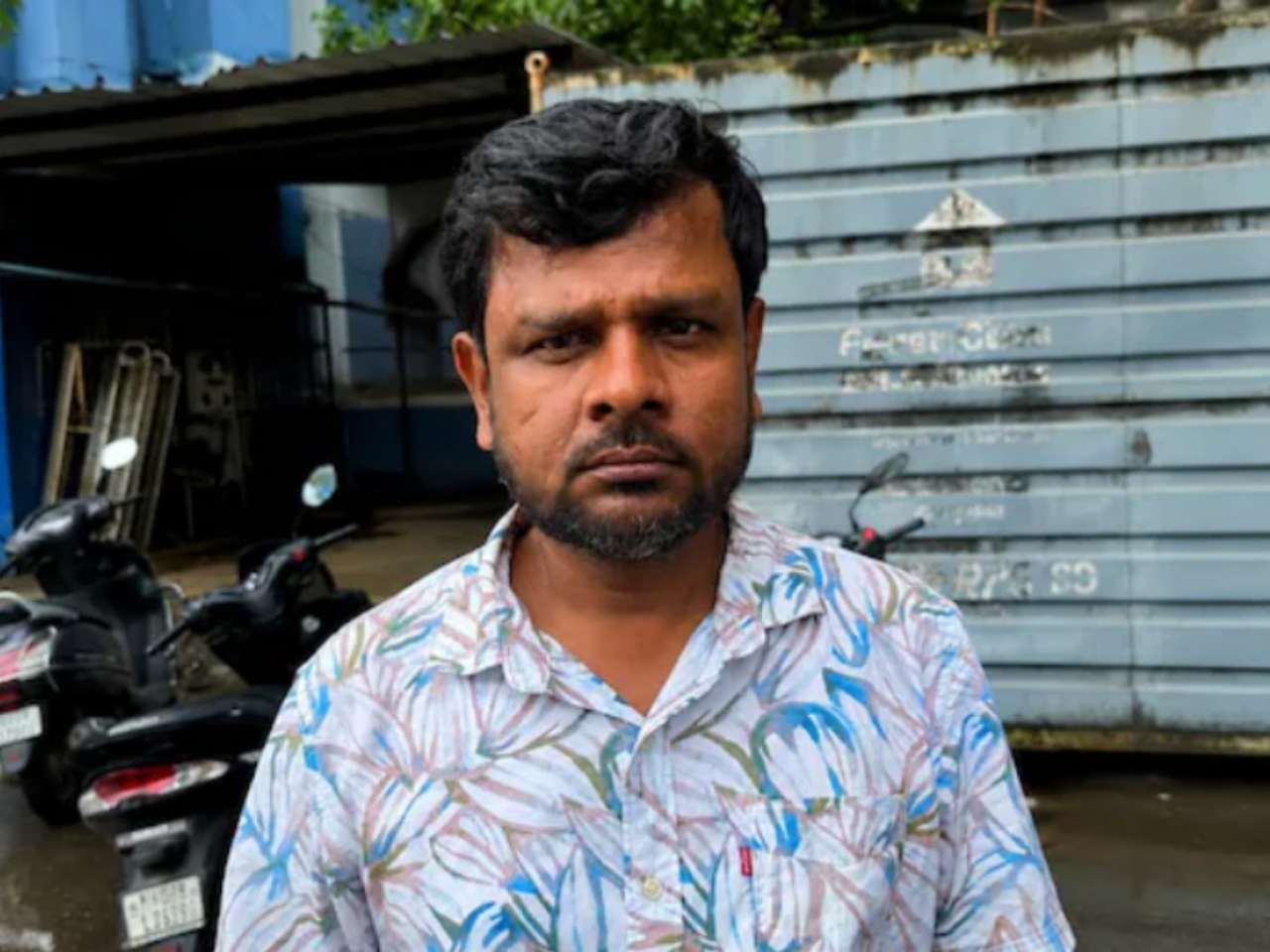
Maharashtra Police officials, working in tandem with their Bihar counterparts, executed a series of raids across the state, ultimately cornering Gupta and his associate. The arrests come after days of intense pursuit, highlighting the extensive reach and elusive nature of the individuals involved in orchestrating these leaks. The development is expected to provide critical momentum to ongoing investigations into similar paper leak incidents that have eroded public trust in the integrity of educational assessments.
)
The Network Unravels: Key Figures and Their Alleged Roles
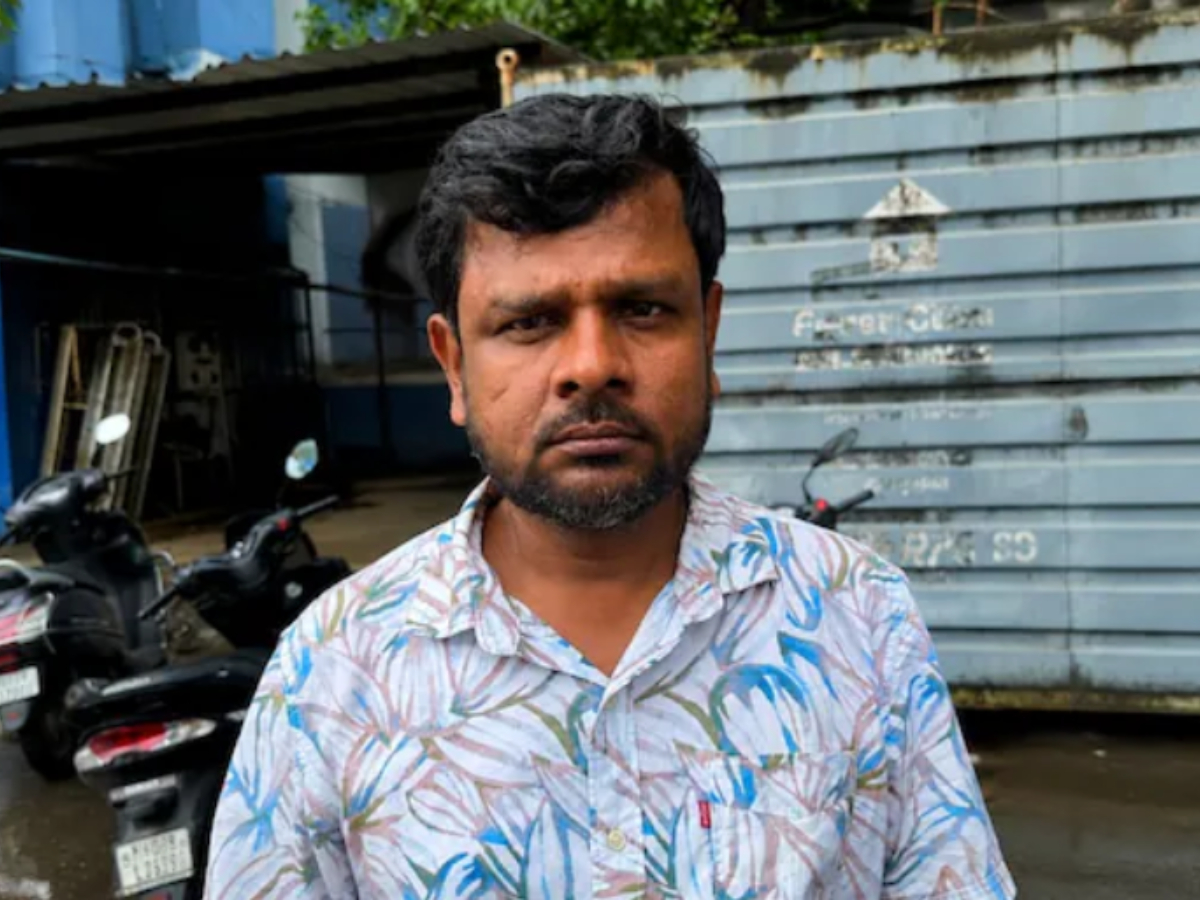
The arrest of Bijendra Gupta is seen as a pivotal moment in unraveling the intricate web of the Maharashtra TET paper leak. Authorities suspect Gupta to be the central figure, orchestrating the leak of examination papers for substantial financial gain. His alleged involvement is not confined to Maharashtra, with investigators pointing to his potential connections to similar paper leak cases surfacing across India.
)
Bijendra Gupta: The Alleged Architect
Gupta’s name first gained national prominence in 2024 following an incisive undercover investigation by India Today. During a sting operation conducted in the wake of the NEET paper leak controversy, Gupta purportedly detailed the operational mechanics of paper leak networks and the sophisticated methods employed to compromise competitive examinations. This exposé provided law enforcement with an early glimpse into the alleged vulnerabilities exploited by organized syndicates. Investigators believe Gupta leveraged these loopholes, particularly within the examination systems managed by bodies like the National Testing Agency (NTA), to facilitate the dissemination of leaked papers. His arrest is expected to shed light on the full extent of his operations and the individuals who collaborated with him.

Suman Gupta: The Spouse’s Suspected Complicity
Adding a personal dimension to the case, Gupta’s wife, Suman Gupta, was also apprehended earlier in Bihar. Her arrest has intensified the focus on the financial aspects of the alleged racket. Investigators are scrutinizing her knowledge of the illicit operations and whether financial transactions linked to the paper leak network were conducted under her purview. The police are also actively investigating properties located in Delhi and Patna, which are suspected to have been acquired using funds illicitly generated from the paper leak operations.
)
The Ground Operatives: Kapil Dahiya, Mithun Singh, and Sonu Singh
Prior to Gupta’s arrest, the Special Investigation Team (SIT) had already made significant detentions. On July 3rd, Kapil Dahiya, Mithun Singh, and Sonu Singh were taken into custody, forming crucial pieces of the puzzle.
)
- Kapil Dahiya: A resident of Sonipat, Haryana, Dahiya is alleged to have traveled to Mumbai with the specific purpose of identifying potential buyers and facilitating the sale of leaked TET question papers. His movements suggest a direct role in the distribution chain.
- Mithun Singh: Arrested in Bihar, Mithun Singh is accused of traveling to Pune to distribute the leaked papers. His close links with the central network have been a significant point of investigation.
- Sonu Singh: Apprehended in Hajipur, Bihar, Sonu Singh is believed to have played a critical role in providing logistical support to the syndicate. Police allege he was responsible for preparing forged identity documents for Gupta and actively assisted the syndicate in maintaining its clandestine operations. Furthermore, investigators suspect that leaked question papers were printed using facilities linked to Sonu Singh. The recovery of fake identity cards allegedly prepared for Gupta further corroborates these suspicions. Investigators believe Sonu Singh had a long-standing acquaintance with Bijendra Gupta, underscoring his integral role in the alleged interstate paper leak network.
Chronology of the Investigation and Arrests
The apprehension of Bijendra Gupta marks the culmination of a meticulous and extended investigative effort that spanned several states. The Maharashtra Police, through its Special Investigation Team (SIT), has been relentlessly pursuing leads to dismantle the syndicate responsible for the TET paper leak.
)
- Initial Revelations and Undercover Operations: The genesis of the investigation can be traced back to earlier controversies surrounding competitive examinations. An undercover operation in 2024, conducted by India Today in the wake of the NEET paper leak, brought Bijendra Gupta into the public eye. During this operation, Gupta allegedly provided insights into the modus operandi of paper leak networks.
- Focus on Maharashtra TET: Following the revelations and further intelligence gathering, the Maharashtra Police intensified its focus on the TET paper leak case. The SIT was formed to meticulously investigate all angles of the scandal.
- Early Arrests and Intelligence Gathering: The SIT began making arrests of key individuals believed to be part of the distribution and logistics network. The arrests of Kapil Dahiya, Mithun Singh, and Sonu Singh on July 3rd were significant, providing crucial information about the syndicate’s operations and geographical reach.
- Wife’s Apprehension: Suman Gupta, wife of the alleged mastermind, was arrested in Bihar, further deepening the investigation into the financial and operational support structures of the racket.
- Interstate Search Operation: Upon identifying Bijendra Gupta as the alleged mastermind, a dedicated interstate search operation was launched. This involved extensive surveillance, intelligence sharing between state police forces, and multiple raids across Bihar.
- The Breakthrough Arrest: The sustained efforts of the Maharashtra Police, in collaboration with Bihar Police, led to the successful apprehension of Bijendra Gupta and another accused in Bihar. This arrest is considered the most significant to date in the ongoing investigation.
Supporting Data and Investigative Leads
The investigation into the Maharashtra TET paper leak has unearthed a disturbing pattern of organized crime operating within the examination system. The information gathered from the arrested individuals and subsequent searches provides critical insights into the syndicate’s methods, financial dealings, and geographical footprint.
)
- Sophisticated Modus Operandi: Investigators believe the syndicate operated with a high degree of sophistication. This included allegedly obtaining question papers well in advance of the examination, creating forged documents for impersonators, and establishing a complex distribution network to reach willing buyers.
- Financial Trails: A significant aspect of the investigation involves tracing the financial transactions. Police are examining bank records, digital payment trails, and property acquisitions suspected to be funded by the proceeds of the paper leak. The alleged purchase of properties in Delhi and Patna using illicit funds is a key focus area.
- Interstate Network: The arrests in Bihar and the alleged movements of accused individuals like Kapil Dahiya and Mithun Singh highlight the interstate nature of the racket. This suggests that the syndicate was not confined to a single state but operated across regional boundaries, making its dismantling a complex challenge.
- Vulnerabilities Exploited: The initial undercover operation involving Bijendra Gupta pointed towards alleged vulnerabilities within the examination systems of national testing agencies. Investigators are working to identify and plug these loopholes to prevent future leaks.
- Recovery of Evidence: During the raids and arrests, law enforcement agencies have reportedly recovered crucial evidence, including forged identity documents, communication devices, and financial records, which are being meticulously analyzed.
Official Responses and Future Course of Action
The arrest of Bijendra Gupta has been met with a mix of relief and resolve from law enforcement and education authorities. The focus now shifts to ensuring a thorough investigation, bringing all perpetrators to justice, and reinforcing the integrity of future examinations.
)
Maharashtra Police’s Stance:
Maharashtra Police officials have reiterated their commitment to a comprehensive investigation. They are expected to seek transit remand for Bijendra Gupta to bring him to Maharashtra for further custodial interrogation. This will allow investigators to delve deeper into his alleged role, uncover the full extent of the network, and identify any remaining accomplices. The SIT is working diligently to build a strong case that can withstand legal scrutiny.
)
Government’s Assurance:
Education ministers and senior government officials have condemned such malpractices and assured the public that all necessary steps will be taken to ensure the sanctity of competitive examinations. The government has emphasized its zero-tolerance policy towards examination fraud and has pledged to implement stricter measures to prevent future paper leaks.
)
Legal Proceedings:
The arrested individuals are expected to face severe legal repercussions, including charges related to cheating, forgery, and criminal conspiracy. The ongoing investigation is crucial for laying the groundwork for successful prosecution and deterring future attempts at examination malpractice.
)
Implications for the Education Sector and Public Trust
The Maharashtra TET paper leak, and the subsequent arrest of its alleged mastermind, carry significant implications for the broader education sector and the trust that students and parents place in the examination system.
- Erosion of Trust: Repeated incidents of paper leaks have severely eroded public trust in the fairness and integrity of competitive examinations. This can lead to disillusionment among genuine aspirants and create an environment of cynicism.
- Impact on Meritocracy: Paper leaks undermine the principle of meritocracy, where deserving candidates are overlooked in favor of those who have benefited from illicit means. This can have long-term consequences on the quality of professionals entering various fields.
- Strengthening Examination Security: The arrests serve as a stark reminder of the need for robust security measures in conducting examinations. This includes advanced technological solutions, stringent access controls, and thorough background checks of personnel involved in the examination process.
- Need for Systemic Reforms: Beyond immediate arrests, there is a pressing need for systemic reforms within examination bodies to address underlying vulnerabilities. This could involve diversifying question paper setting mechanisms, implementing advanced anti-cheating technologies, and establishing more effective oversight mechanisms.
- Justice for Aspirants: The successful prosecution of those involved in paper leaks will be crucial for restoring faith in the system and ensuring that the hard work and dedication of genuine aspirants are duly recognized and rewarded. The arrest of Bijendra Gupta is a significant step in that direction, offering a glimmer of hope for a more secure and equitable examination landscape.
