

Enduring Stability in a Fluctuating World: Mumbai’s Fuel Scene
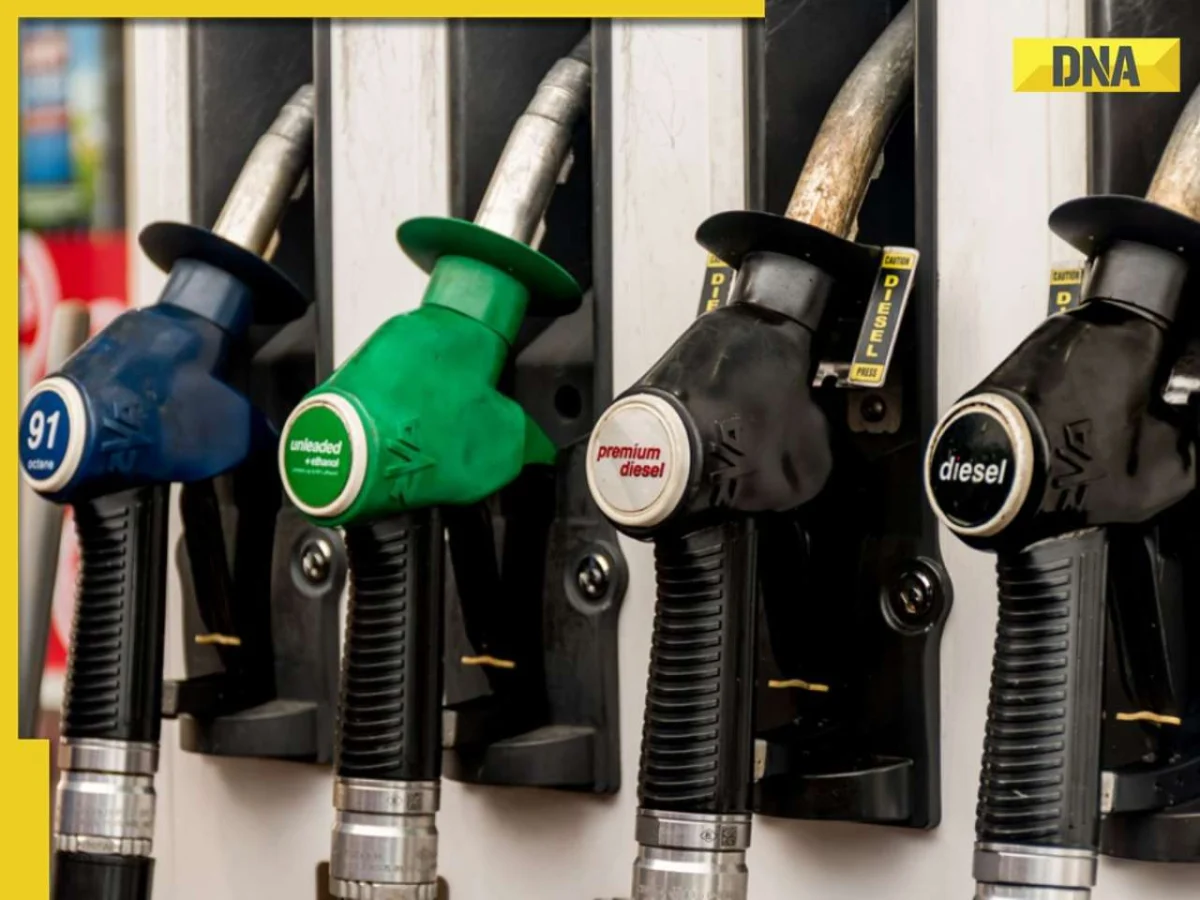
Mumbai, May 8, 2026 – In a notable display of domestic market stability, petrol and diesel prices in India’s financial capital, Mumbai, remained unchanged today, holding firm at Rs 103.54 per litre for petrol and Rs 90.03 per litre for diesel. This steadfastness comes despite persistent turbulence in the international crude oil markets, a dynamic that continues to challenge economies globally. The pricing consistency observed in Mumbai is mirrored across much of India, where fuel rates are largely insulated from immediate global fluctuations, primarily due to a complex interplay of central and state taxation, local levies, and the pricing strategies of public sector oil marketing companies (OMCs).
For Mumbaikars, this sustained stability offers a measure of predictability in daily expenditures, a welcome respite from the historical volatility often associated with fuel costs. Over the past ten days, petrol prices in the metropolis have seen only marginal shifts, oscillating narrowly between Rs 103.50 and Rs 103.54 per litre, while diesel prices have demonstrated even greater resilience, holding absolutely steady at Rs 90.03 per litre throughout the same period. This article delves into the intricate factors underpinning this stability, examining the historical context, the economic forces at play, official viewpoints, and the broader implications for consumers, businesses, and the Indian economy as of May 8, 2026.
A Chronology of Resilience: Tracing India’s Fuel Price Journey to May 2026
The apparent calm in India’s fuel pricing on May 8, 2026, is the culmination of years of evolving policy, market dynamics, and strategic interventions. To understand the current scenario, it is crucial to retrace the journey that has shaped India’s fuel economy.
Pre-2014: A Subsidized Past and Global Exposure
Prior to 2014, India’s fuel pricing mechanism was largely characterized by government subsidies, especially for diesel and kerosene, aimed at protecting consumers and specific sectors like agriculture. While petrol prices were nominally deregulated in 2010, government influence remained significant. This era often saw delayed pass-through of international crude price changes, leading to under-recoveries for OMCs and a substantial burden on the exchequer. Global crude oil spikes during this period frequently resulted in intense public debate and fiscal stress.
)
2014-2017: Towards Deregulation and Daily Revisions
A significant shift occurred with the full deregulation of diesel prices in October 2014. This move, coupled with the introduction of daily price revisions for petrol and diesel in June 2017, marked a pivotal moment. The stated objective was to align domestic prices more closely with international benchmarks, reduce the impact of global volatility on OMC finances, and foster greater transparency. This mechanism, where prices are theoretically revised daily based on a 15-day rolling average of international crude oil prices and the Rupee-Dollar exchange rate, remains largely in place today. However, the degree of daily revision has often been subject to strategic decisions by OMCs, particularly during periods of extreme global volatility or significant domestic events.
2018-2022: Geopolitical Shocks and Fiscal Adjustments
The period between 2018 and 2022 witnessed unprecedented global shocks, including the US-China trade war, the COVID-19 pandemic, and the Russia-Ukraine conflict. Each event sent ripples through the crude oil markets, leading to dramatic price swings. During these times, while the daily pricing mechanism was technically operational, OMCs frequently demonstrated a tendency to absorb price increases or delay passing them on, often under implicit government directives. The government, in turn, adjusted excise duties – hiking them when crude prices were low to shore up revenues, and cutting them when prices soared to cushion consumers and manage inflation. For instance, the significant excise duty cuts in late 2021 and mid-2022 were direct responses to surging global crude prices and domestic inflationary pressures. These fiscal maneuvers highlighted the government’s continued active role in managing fuel prices despite the ‘deregulated’ framework.

2023-Early 2025: Navigating Post-Pandemic Recovery and Geopolitical Unrest
As the world emerged from the pandemic, global demand for oil surged, often outpacing supply. Geopolitical tensions in Eastern Europe and the Middle East continued to simmer, introducing a persistent risk premium into crude prices. Throughout 2023 and early 2024, Brent crude largely traded in a volatile range, often between $75-$95 per barrel. During this phase, India’s OMCs continued their cautious approach, often holding prices steady for extended periods, even as global benchmarks fluctuated. This strategy, while beneficial for consumer stability, raised questions about the OMCs’ margins and the true extent of market-based pricing. The government focused on macroeconomic stability, with inflation control becoming a paramount objective.
Late 2025: Anticipating Elections and Prioritizing Stability
Towards the latter half of 2025, with major state and potentially general elections on the horizon, the emphasis on price stability intensified. Global crude prices, while still prone to intermittent spikes due to specific events (e.g., disruptions in Red Sea shipping lanes, OPEC+ production cuts), largely remained within a manageable range, allowing OMCs greater flexibility to absorb minor fluctuations without significant financial strain. The Indian Rupee also exhibited a degree of stability against the US Dollar, further aiding import cost management. This period saw a concerted effort to prevent any sharp upward revisions in fuel prices, a strategy widely perceived as a measure to mitigate inflationary pressures and maintain public sentiment ahead of political contests.
)
The Run-up to May 8, 2026: The 10-Day Steadfastness
The stability observed in Mumbai on May 8, 2026, and indeed over the preceding ten days, is a direct continuation of this strategic approach. Global crude oil prices in late April and early May 2026, while not entirely placid, have not experienced the kind of dramatic surges that would necessitate immediate, substantial price revisions by OMCs. Brent crude, for instance, might have been trading in a tight band, perhaps around $85-$90 per barrel, influenced by factors such as a cautious global economic outlook, stable but not surging demand from major economies like China, and disciplined supply management by OPEC+. The Indian Rupee’s exchange rate against the US Dollar has also likely remained within a relatively narrow and predictable range, preventing significant cost pressures from currency depreciation. This confluence of factors has enabled OMCs to maintain the current price levels, offering a period of welcome predictability to Indian consumers, particularly in high-taxation cities like Mumbai.
Supporting Data: Dissecting the Elements of Fuel Pricing
The stability of fuel prices in Mumbai on May 8, 2026, is not a simple outcome but a complex equation influenced by several critical data points and economic variables.
)
Global Crude Oil Benchmarks vs. Domestic Reality
As of early May 2026, global crude oil benchmarks like Brent crude and West Texas Intermediate (WTI) have been exhibiting a degree of volatility, though perhaps not as extreme as seen in prior years. For illustrative purposes, imagine Brent crude oscillating between $85-$90 per barrel in the preceding weeks, influenced by factors such as:
- OPEC+ Production Decisions: The cartel’s periodic meetings and decisions on supply cuts or increases continue to be a primary driver. Any unexpected shift from OPEC+ could instantly reconfigure the global supply-demand balance.
- Geopolitical Tensions: Ongoing instability in key oil-producing regions, particularly the Middle East and parts of Africa, always carries a risk premium. Even localized conflicts can prompt speculative trading and push prices higher.
- Global Economic Outlook: Forecasts for global GDP growth from institutions like the IMF and World Bank heavily influence demand projections. A stronger-than-expected recovery in China or a sustained economic expansion in the US and Europe would bolster demand.
- US Shale Production: The resilience of US shale oil producers, their drilling activity, and inventory levels provide a counterweight to OPEC+ decisions.
- Strategic Petroleum Reserves (SPR): Decisions by major economies, particularly the US, to release or replenish their SPRs can temporarily impact global supply.
Despite these global movements, the domestic prices in Mumbai have remained largely static. This divergence underscores the significant role of government policy and OMC strategy in absorbing or mitigating international price swings.
)
The Weight of Taxation: Central and State Levies
A major component of the final retail price of petrol and diesel in India is taxation. This structure varies significantly by state, leading to the observed price differences across the country. In Mumbai, these taxes are particularly high, contributing to the city’s higher fuel costs compared to many other regions.
- Central Excise Duty: Levied by the Union government, this duty contributes significantly to central revenues. It has been a key tool for the government to manage its fiscal balance and, at times, to cushion consumers from price shocks through cuts. As of May 2026, the excise duty likely remains at a level that provides substantial revenue while allowing some flexibility for OMCs.
- State Value Added Tax (VAT): This is a state-specific tax, often levied as a percentage of the base price plus excise duty, or sometimes as a fixed amount. Maharashtra, where Mumbai is located, historically imposes one of the highest VAT rates on fuel. This high VAT is a crucial revenue stream for the state government, funding various public services and infrastructure projects.
- Dealer Commission: A fixed amount paid to petrol pump owners for their services.
- Freight Charges: Costs associated with transporting fuel from refineries to distribution points.
The unvarying retail prices in Mumbai suggest that neither the central excise duty nor the state VAT has been altered in the recent past, nor have the OMCs passed on any significant increase in base prices.
)
Rupee-Dollar Exchange Rate Dynamics
Since India imports over 80% of its crude oil requirements, the exchange rate between the Indian Rupee (INR) and the US Dollar (USD) is a critical factor. A depreciating Rupee makes imports more expensive, directly impacting the landed cost of crude oil for OMCs. Conversely, a stable or appreciating Rupee helps contain import costs. As of May 2026, it is plausible that the Rupee has maintained a relatively stable trajectory against the Dollar, perhaps trading in a band of Rs 82-83 per USD. This stability would provide OMCs with a predictable cost environment, enabling them to hold prices steady without immediately resorting to upward revisions. Factors contributing to Rupee stability could include healthy foreign exchange reserves, robust foreign direct investment (FDI), and prudent monetary policy by the Reserve Bank of India.
Oil Marketing Companies’ (OMCs) Margins
India’s public sector OMCs – Indian Oil Corporation (IOC), Bharat Petroleum Corporation Limited (BPCL), and Hindustan Petroleum Corporation Limited (HPCL) – play a pivotal role in maintaining price stability. While they technically revise prices daily, their actions often reflect a balancing act between market realities, government expectations, and their own profitability. During periods of rising international crude prices, OMCs might absorb some of the increases by reducing their marketing margins, essentially taking a hit on their profitability. Conversely, when crude prices fall, they might not immediately pass on the full benefit, allowing them to recover past losses or build up reserves. The current stability suggests that OMCs are likely operating with adequate, albeit potentially compressed, margins, or they have received assurances of future compensation for any under-recoveries. Their procurement strategies, including hedging and long-term contracts, also contribute to managing cost volatility.
)
Inflationary Pressures and Macroeconomic Stability
Stable fuel prices are a crucial component of India’s broader macroeconomic stability agenda. Fuel is a critical input cost for almost every sector of the economy, from agriculture and manufacturing to logistics and services. Spikes in petrol and diesel prices can quickly translate into higher transportation costs, increased prices for goods and services, and ultimately, higher retail inflation (Consumer Price Index – CPI). By holding fuel prices steady, the government and OMCs are effectively dampening inflationary pressures, providing relief to households and helping the Reserve Bank of India manage its monetary policy objectives. This indirect ‘subsidy’ through price absorption is a strategic choice aimed at safeguarding economic growth and consumer purchasing power.
Official Responses: Voices on the Fuel Price Stability
The sustained stability in fuel prices, particularly in a high-cost city like Mumbai, elicits a range of official responses from various stakeholders.
)
Government Spokespersons: Prioritizing Consumer Welfare and Economic Stability
Officials from the Ministry of Petroleum and Natural Gas and the Ministry of Finance typically highlight the government’s commitment to consumer welfare and macroeconomic stability. A hypothetical statement from a senior ministry official might read: "The government’s primary focus remains on ensuring energy security and insulating our citizens from the extreme volatility of global crude oil markets. The current stability in fuel prices reflects a prudent approach, balancing the interests of consumers, the health of our Oil Marketing Companies, and the broader objective of keeping inflation in check. We are continuously monitoring international developments and stand ready to take necessary measures to protect our economy." Such statements often emphasize the complexity of the global energy landscape and the proactive steps taken by the administration.
The Finance Ministry would likely echo this sentiment, perhaps adding a fiscal dimension: "Stable fuel prices contribute significantly to our inflation management strategy. By mitigating input cost pressures, we are supporting various sectors of the economy and ensuring that the benefits of economic growth reach all segments of society. Our tax structure on fuel is designed to generate essential revenue for public spending while also providing flexibility for adjustments when required."
)
Oil Marketing Companies (OMCs): Efficiency and Market Management
Executives from leading OMCs like Indian Oil Corporation (IOC), Bharat Petroleum Corporation (BPCL), and Hindustan Petroleum Corporation (HPCL) would likely project an image of operational efficiency and strategic market management. A spokesperson might state: "Our Oil Marketing Companies are committed to ensuring a steady and affordable supply of fuel to the nation. Our robust procurement strategies, coupled with efficient refining and distribution networks, enable us to manage global price fluctuations effectively. The current stability reflects our ability to optimize costs and maintain a consistent pricing structure, always keeping the consumer’s interest at heart." They might subtly allude to the challenges of navigating volatile international markets, perhaps mentioning "dynamic adjustments" in their operational margins.
Economic Analysts and Experts: Scrutiny and Sustainability
Independent economic analysts often offer a more nuanced perspective, dissecting the sustainability of such prolonged price stability. Dr. Rohan Sharma, a leading energy economist, might comment: "While consumers certainly welcome the stability, it’s crucial to understand that this often comes at a cost. When global crude prices rise, OMCs absorb a portion of the increase, impacting their profitability. Conversely, when prices fall, the full benefit might not be immediately passed on. This ‘smoothing’ mechanism, while politically expedient and beneficial for inflation control in the short term, can distort market signals and raise questions about the long-term financial health of OMCs if not managed carefully. The high tax component also remains a significant factor that often goes unaddressed when discussing retail prices."
)
Analysts often highlight the implicit ‘subsidy’ element in the current pricing, funded either by OMC margins or future government interventions, especially when global prices are trending upwards.
Consumer Advocacy Groups: Calls for Greater Transparency and Relief
Consumer advocacy groups, while appreciating the stability, frequently call for greater transparency in the pricing mechanism and advocate for lower prices overall. "While we are relieved that prices haven’t surged, Mumbai still bears some of the highest fuel costs in the country due to exorbitant state taxes," stated Ms. Priya Singh, a representative from a Mumbai-based consumer forum. "We urge both the central and state governments to re-evaluate the tax structure to provide more substantial relief to the common man, especially in a metropolitan area where daily commuting is essential and expensive. Transparency in how international prices translate to domestic rates is also paramount."
)
Implications: The Ripple Effect of Price Stability
The sustained stability of petrol and diesel prices in Mumbai, as observed on May 8, 2026, carries significant implications across various facets of the Indian economy and society.
For Consumers: Predictability and Budgetary Relief
For the average Mumbaikar, consistent fuel prices translate directly into predictable household budgets. Transportation costs, a significant expenditure for many, become more manageable when there are no sudden shocks at the pump. This predictability can foster greater confidence in spending and financial planning. Stable fuel prices also indirectly help control the cost of essential goods and services, as transportation is an integral part of the supply chain for almost everything consumed. However, while stable, the prices in Mumbai remain relatively high compared to global averages and many other Indian cities, continuing to exert pressure on disposable incomes, especially for lower and middle-income groups.
)
For Businesses: Cost Management and Supply Chain Stability
Businesses across sectors benefit immensely from stable fuel prices.
- Logistics and Transportation: For trucking companies, public transport operators, and last-mile delivery services, fuel is a primary operational cost. Predictable prices allow for more accurate forecasting, better contract pricing, and reduced financial risk. This stability can lead to more efficient supply chains and potentially prevent inflationary spirals in goods distribution.
- Manufacturing and Agriculture: Fuel is an indirect input for manufacturing (power generation, machinery operation) and a direct input for agriculture (tractors, irrigation pumps). Stable prices help manufacturers and farmers manage their production costs, contributing to price stability for consumer goods and agricultural produce.
- Small and Medium Enterprises (SMEs): SMEs, often operating on tighter margins, are particularly vulnerable to fuel price volatility. Stability provides them with a more secure operating environment, fostering investment and growth.
For the Economy: Inflation Control and Fiscal Balance
The government’s strategy of maintaining fuel price stability is a powerful tool for macroeconomic management.
)
- Inflation Control: As mentioned, stable fuel prices are crucial in anchoring overall inflation expectations. This directly supports the Reserve Bank of India’s efforts to manage monetary policy and maintain price stability, which is essential for sustained economic growth.
- Government Revenues: The high taxation on fuel continues to be a substantial source of revenue for both central and state governments. This revenue funds critical infrastructure projects, social welfare schemes, and helps manage the fiscal deficit. The challenge lies in balancing revenue generation with consumer affordability.
- Investment Climate: Predictability in key input costs like fuel can contribute to a more stable and attractive investment climate, encouraging both domestic and foreign investment.
Energy Security and Transition
India’s heavy reliance on crude oil imports (over 80%) makes it vulnerable to international price shocks. The current stability, while domestically managed, underscores the ongoing need for enhancing energy security. This involves:
- Diversification of Supply: Exploring new sources of crude oil and strengthening strategic partnerships.
- Strategic Petroleum Reserves: Maintaining adequate reserves to cushion against short-term supply disruptions.
- Renewable Energy Transition: The long-term implication of high and stable fossil fuel prices is an accelerated push towards cleaner, indigenous energy sources. Government incentives for electric vehicles (EVs), solar power, and green hydrogen are gaining momentum, aiming to reduce dependence on imported fossil fuels and address climate change concerns. The sustained high price of petrol and diesel acts as a continuous incentive for consumers and businesses to consider alternative, more sustainable energy options.
Future Outlook: Navigating Persistent Challenges
Looking ahead, the stability observed on May 8, 2026, is contingent on several factors. Any significant escalation in geopolitical conflicts, a dramatic shift in OPEC+ policy, or an unexpected surge in global demand could challenge the current pricing equilibrium. The perennial debate over full deregulation of fuel prices will likely continue, with advocates arguing for greater market efficiency and opponents emphasizing the need for consumer protection and inflation control.
)
Ultimately, the stability of fuel prices in Mumbai on May 8, 2026, is a testament to India’s complex energy policy framework – a delicate balance between global market forces, domestic economic imperatives, and strategic government interventions aimed at ensuring both energy security and the well-being of its vast population. The path forward will undoubtedly involve continued vigilance and adaptive policies to navigate the ever-evolving landscape of global energy.
