

TECHNOLOGY
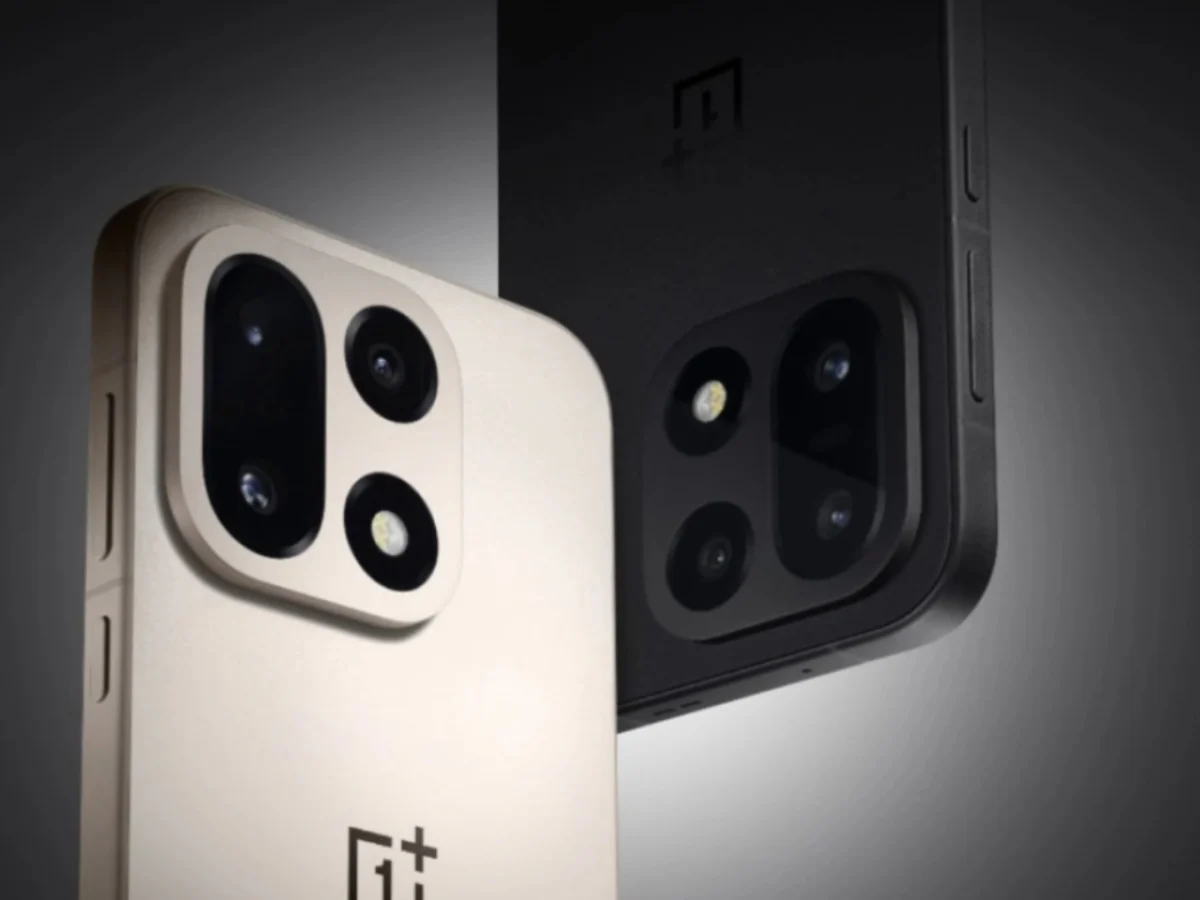
The landscape of the global smartphone industry is in constant flux, driven by technological innovation, fierce competition, and shifting consumer preferences. At the heart of a recent storm of speculation and strategic announcements lies OnePlus, a brand that once carved out a niche as the "flagship killer" but is now undergoing significant transformations under the broader umbrella of its parent company, Oppo. The confirmed shift from its beloved OxygenOS to Oppo’s ColorOS marks a pivotal moment, yet it is overshadowed by persistent reports of potential global restructuring, including a scaling down of operations in key markets like the US and Europe, and even whispers of a significant recalibration in India. While OnePlus has vehemently denied plans to exit the Indian market, affirming its commitment and continued normal operations, the unfolding narrative presents a complex picture for consumers, employees, and the wider tech ecosystem.
The Core Dilemma: Integration vs. Independence
The central paradox defining OnePlus’s current trajectory lies in the tension between deep integration with Oppo and its assertion of retaining "independent entities" status, particularly in India. On one hand, the unification of software platforms – replacing OxygenOS with ColorOS – is a definitive step towards consolidating resources and streamlining development under the Oppo brand. This move, as stated by the company, aims to accelerate software updates and foster greater efficiency by allowing engineering teams to share expertise and resources.
On the other hand, reports from reputable financial news outlets like Bloomberg have painted a starker picture, suggesting a potential withdrawal from the US and European markets and a scaling back of operations in India by 2027. These claims, citing broader restructuring exercises by Oppo, point to a strategy driven by slowing global sales, escalating operational costs, and mounting geopolitical pressures. This dichotomy leaves consumers and industry observers grappling with fundamental questions about OnePlus’s future identity, its commitment to specific markets, and the long-term implications for its user base.
)
OnePlus has been quick to counter these specific "exit" rumors concerning India, urging media outlets to refrain from amplifying unverified reports and reaffirming that its India business continues to operate normally. This official stance provides a direct counter-narrative, but the underlying strategic shifts and market dynamics demand a closer, more detailed examination.
A Journey of Integration: The OnePlus-Oppo Chronology
To fully grasp the current situation, it is essential to trace the evolution of OnePlus and its increasingly intertwined relationship with Oppo, both ultimately part of the vast BBK Electronics conglomerate.

The Genesis of OnePlus and OxygenOS (Mid-2010s):
OnePlus burst onto the scene in 2013, founded by Pete Lau and Carl Pei, with a disruptive vision: to offer high-end specifications at competitive prices, directly challenging established players like Samsung and Apple. Its "Never Settle" mantra resonated with tech enthusiasts. Crucially, its custom Android skin, OxygenOS, became a hallmark of the brand. Known for its near-stock Android experience, fluid performance, and unique features, OxygenOS fostered a loyal community of users who valued its clean interface and responsiveness. This software identity was as vital to OnePlus as its hardware prowess.
The Gradual Convergence (Late 2010s – Early 2020s):
While initially presented as a distinct entity, the operational ties between OnePlus and Oppo began to strengthen subtly over the years. Both brands, sharing a common parent in BBK Electronics, increasingly leveraged shared supply chains, manufacturing facilities, and even R&D resources. This collaboration was initially framed as an efficiency measure, allowing smaller brands like OnePlus to benefit from Oppo’s scale.
)
A significant marker of this convergence came in 2020 when OnePlus CEO Pete Lau assumed additional responsibilities as Chief Product Officer for Oppo, overseeing product strategy for both brands. This move was a clear signal of deeper integration, blurring the lines between the two companies’ operational structures and strategic decision-making.
The Software Unification Announcement (2021):
The most direct and impactful step towards integration came in 2021 with the announcement that OxygenOS would be merged with Oppo’s ColorOS codebase. This decision followed a similar move in China, where OnePlus devices had already transitioned from HydrogenOS to ColorOS. The initial announcement sparked considerable backlash from the fervent OnePlus community, many of whom viewed OxygenOS as a core reason for their loyalty. Concerns ranged from potential bloatware to a departure from the clean, user-centric experience they cherished.
)
OnePlus subsequently clarified its strategy, promising that while the underlying codebase would be unified, the global version for OnePlus devices would retain the "OxygenOS" branding and elements of its distinct user experience. The goal, as articulated, was to combine the "fast and smooth" experience of OxygenOS with the "stability and rich features" of ColorOS, leveraging shared engineering resources to deliver faster and more consistent software updates across a wider range of devices.
Escalating Rumors and Denials (2023-2027 Projections):
More recently, the narrative shifted from software integration to broader corporate restructuring. Reports, notably from Bloomberg, began to circulate, suggesting that Oppo, facing a challenging global economic climate, was contemplating significant strategic changes. These reports indicated a potential withdrawal of OnePlus from the highly competitive and sometimes politically fraught markets of the US and Europe, with a projected timeline extending to 2027. Simultaneously, whispers emerged about a scaling down of operations in India, a market where OnePlus has established a strong foothold.
)
These reports were met with swift and categorical denials from OnePlus regarding any plans to exit or significantly scale down its India operations. The company emphasized its continued business as usual and reinforced its commitment to the Indian market through substantial investments and partnerships, which serve as a counterpoint to the global restructuring narrative.
Supporting Data: A Challenging Global Landscape
The alleged restructuring by Oppo, and by extension OnePlus, cannot be viewed in isolation. It is a response to a confluence of challenging factors impacting the global smartphone industry.
)
1. Global Smartphone Market Saturation and Slowdown:
The smartphone market, particularly in developed economies, has matured. Growth rates have stagnated, and consumers are holding onto their devices for longer periods. This translates to fewer upgrade cycles and increased pressure on manufacturers to differentiate themselves. Emerging markets, while still offering growth potential, are also becoming highly competitive with aggressive pricing strategies.
2. Intensifying Competition:
The market is saturated with strong players. Apple and Samsung dominate the premium segment, while Chinese brands like Xiaomi, Vivo, and Realme (also part of BBK Electronics) offer compelling alternatives across various price points. OnePlus, which started as a niche premium-affordable brand, now finds itself squeezed between these giants and aggressive mid-range contenders.
)
3. Rising Operational Costs:
Developing cutting-edge smartphone technology requires massive investment in research and development, particularly for innovations like 5G, advanced camera systems, foldable displays, and AI capabilities. Moreover, global supply chain disruptions, fluctuating raw material costs, and increased logistical expenses have added to the financial burden on manufacturers.
4. Geopolitical Headwinds:
Chinese smartphone manufacturers, including Oppo and OnePlus, have faced heightened scrutiny and challenges in several international markets. US-China trade tensions have led to export restrictions and an increasingly difficult operating environment for Chinese tech companies. Regulatory hurdles, security concerns, and public sentiment in various countries have created additional barriers to market penetration and expansion.
)
5. The Apple Trade Secrets Lawsuit:
The original article briefly mentions a "trade secrets lawsuit filed by Apple." While details are scarce in the provided text, such high-profile legal battles can drain significant financial resources and management attention, adding another layer of uncertainty to a company’s operations. Historically, Apple has been aggressive in defending its intellectual property, and any such litigation can have far-reaching implications for the accused party. The specific nature and status of this lawsuit would be critical to fully understand its impact on Oppo’s broader strategy.
Official Responses and Analyst Perspectives
Amidst the rumors and strategic shifts, official communications from OnePlus and insights from industry analysts offer crucial perspectives.
)
OnePlus’s Stance on India:
OnePlus has consistently denied any intentions of exiting or significantly scaling back operations in India. Their official statements emphasize that "our India business continues to operate normally" and that they remain "committed to the Indian market." This commitment is further underscored by tangible investments:
- Project Starlight: A substantial allocation of Rs 6,000 crore dedicated to strengthening localization efforts, research and development, and enhancing after-sales service infrastructure in India. This investment signals a long-term strategic outlook.
- Manufacturing Partnerships: OnePlus has entered into key manufacturing partnerships within India. In June 2025, it partnered with Optiemus Electronics Limited for premium IoT devices, and in August 2025, with Bhagwati Products Limited for premium tablets. These partnerships align with India’s "Make in India" initiative and demonstrate a deeper integration into the local manufacturing ecosystem, directly contradicting a narrative of withdrawal.
Clarifying ‘Independent Entities’:
The term ‘independent entities’ used by OnePlus in the context of India, while operating under a unified software platform and shared R&D, likely refers to brand identity and market-specific operational autonomy. It suggests that while the back-end infrastructure and software development are integrated, OnePlus will continue to manage its own marketing, sales, and localized product strategies within India, distinct from Oppo. This approach aims to preserve brand loyalty and cater to specific market demands while reaping the efficiency benefits of shared resources.
)
Industry Analyst Insights:
Market analysts generally view the consolidation of brands under a single parent company (like BBK Electronics with Oppo, OnePlus, Vivo, Realme, etc.) as a logical step in a mature and competitive market.
- Efficiency Gains: Unifying software and R&D reduces redundancy, optimizes resource allocation, and can potentially accelerate time-to-market for new features and updates.
- Brand Differentiation Challenges: The primary concern for analysts is the potential erosion of brand identity. If OnePlus devices increasingly resemble Oppo devices in terms of software experience, design language, and even hardware, the unique appeal that once defined OnePlus could diminish. This could make it harder for the brand to justify its positioning and pricing.
- Risk of Alienating Loyalists: The shift away from pure OxygenOS risks alienating a segment of loyal users who specifically chose OnePlus for its distinct software experience. Analysts suggest that OnePlus must carefully manage this transition to retain its community.
- Strategic Market Focus: The reported scaling back in US/Europe could be a strategic decision to focus resources on markets where Oppo/OnePlus have a stronger foothold or less regulatory friction, such as Asia. This is a common strategy for companies facing global pressures.
- India’s Importance: Analysts consistently highlight India as a critical growth market for Chinese brands. Therefore, any move to scale down operations there would be highly scrutinized and would represent a significant shift. OnePlus’s denials and investments are seen as crucial to maintaining market confidence.
Implications: Navigating the Uncharted Waters
The current developments surrounding OnePlus carry significant implications for various stakeholders, from its dedicated user base to its employees and competitors.
)
1. For Existing Users and Potential Buyers in India:
- Software Experience: The most immediate and tangible change is the shift to ColorOS. While OnePlus promises to retain the "fast and smooth" essence of OxygenOS, users will inevitably experience a different UI, potentially with more features but also the risk of bloatware or a departure from the minimalist design that many cherished. The promise of faster updates is a positive, but consistency and quality will be key.
- After-Sales Service and Warranty: The expansion of Oppo’s service network in India, from 400 to 600 service centers, is a clear benefit. This increased accessibility should, in theory, improve the after-sales experience for OnePlus users. Warranty services will continue through this integrated network, providing continuity.
- Long-term Support and Spare Parts: This remains the most significant area of uncertainty. If a more profound restructuring or scaling down were to occur, the long-term availability of spare parts and software updates (beyond a typical 2-3 year cycle) for older devices could become a concern. While current devices will continue to function, the longevity of support is less clear than if OnePlus operated as a fully independent entity.
- Purchase Decisions: The article’s advice – "users can buy a OnePlus if they’re getting a good deal and plan to use it for 2-3 years, since the hardware is still good" – remains pragmatic. OnePlus hardware typically offers excellent value. However, the prevailing uncertainty makes a long-term investment (e.g., expecting 4+ years of optimal support) less straightforward. Buyers might weigh the excellent hardware against potential future ambiguity regarding software and service. The brand’s once-unquestioned reputation for enthusiast support is now subject to more scrutiny.
2. For the OnePlus Brand Identity:
)
- Loss of Differentiation: OxygenOS was a key differentiator for OnePlus. Its integration into ColorOS, even with a OnePlus skin, inevitably blurs the lines with Oppo. This risks diluting the "OnePlus experience" and making it harder for the brand to stand out in a crowded market.
- Community Engagement: OnePlus built its initial success on strong community engagement. Any perception of moving away from its core values or towards a more generic brand identity could alienate this loyal base. Rebuilding trust and articulating a clear new identity will be crucial.
- "Flagship Killer" Legacy: The brand’s identity as a "flagship killer" has evolved over the years as its prices have risen. The current situation forces a re-evaluation of what OnePlus truly stands for in the market. Is it still an innovator, or is it becoming a premium sub-brand of Oppo?
3. For Employees:
- Job Security: In regions where operations are reportedly being scaled down (US, Europe), employees face potential job losses or reassignment. Even in India, while denials are strong, any broader restructuring could lead to internal shifts or re-evaluations of roles.
- R&D Teams: The unification of software development means R&D teams for OxygenOS are now integrated with ColorOS teams. This could lead to new opportunities for collaboration but also potential redundancies or shifts in focus.
4. For Competitors:
)
- Market Share Opportunity: If OnePlus does scale back in certain markets or loses its distinct appeal, competitors like Samsung, Google (with Pixel), Xiaomi, and even Apple could seize the opportunity to gain market share in the premium and upper-midrange segments.
- Strategic Advantage: Rivals might leverage the uncertainty surrounding OnePlus to highlight their own stability, long-term support, and consistent brand identity.
5. The Significance of India Investments (Project Starlight and Manufacturing Partnerships):
- Countering the Narrative: The Rs 6,000 crore investment under Project Starlight and the manufacturing partnerships with Optiemus Electronics and Bhagwati Products are vital pieces of evidence against the exit rumors in India. They demonstrate a tangible, long-term commitment to the Indian market, focusing on local production, research tailored for India, and strengthening the crucial after-sales service network.
- "Make in India" Alignment: These partnerships align with the Indian government’s "Make in India" initiative, which can provide strategic advantages and foster goodwill within the market.
- Future Product Lineup: The focus on premium IoT devices (Optiemus) and tablets (Bhagwati) suggests that OnePlus sees diversification beyond just smartphones as a key part of its India strategy, potentially leveraging its brand equity in new product categories.
Conclusion: Awaiting Clarity on the Road Ahead
OnePlus stands at a critical juncture. The confirmed software integration with ColorOS is a logical step towards operational efficiency for its parent company, Oppo. However, it necessitates a careful balancing act to preserve the unique brand identity and user experience that defined OnePlus for so long. The persistent rumors of global restructuring, particularly in key Western markets, underscore the challenging economic and geopolitical environment facing Chinese tech giants.
)
While OnePlus has emphatically denied plans to exit or significantly scale down its operations in India, its substantial investments through Project Starlight and local manufacturing partnerships serve as concrete evidence of its commitment to this vital market. For consumers in India, the immediate future offers enhanced service infrastructure and continued access to OnePlus hardware, albeit with a different software experience. The long-term outlook, especially regarding software support for older devices and the brand’s ultimate strategic direction, remains contingent on further clarifications from OnePlus and Oppo.
The road ahead for OnePlus is undeniably unclear unless the company provides a comprehensive and transparent roadmap for its global and regional strategies. Until then, stakeholders will continue to observe closely, weighing corporate assurances against broader market trends and the evolving competitive landscape. The "Never Settle" spirit of OnePlus now faces perhaps its greatest test: to settle on a new identity while navigating a turbulent global stage.
