

The transition occurs somewhere between the first aggressive flick of the steering wheel and the second lungful of acrid tire smoke. It is the precise moment when drifting ceases to be mere automotive theater and begins to make profound, albeit terrifying, mechanical sense.
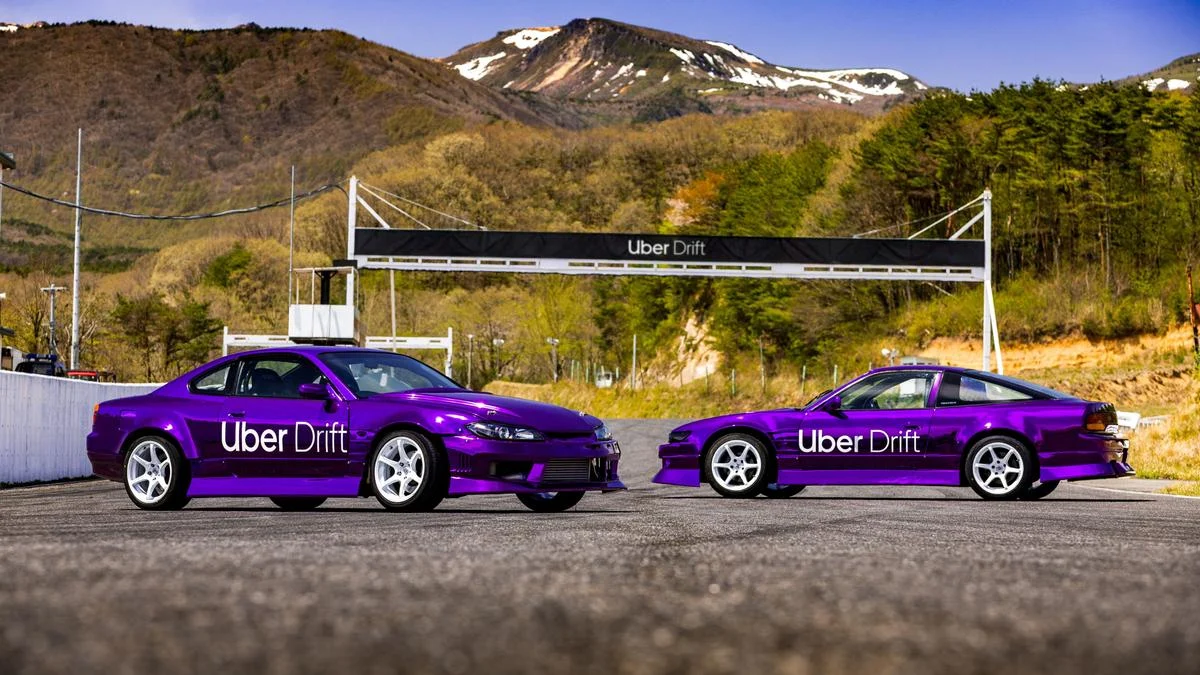
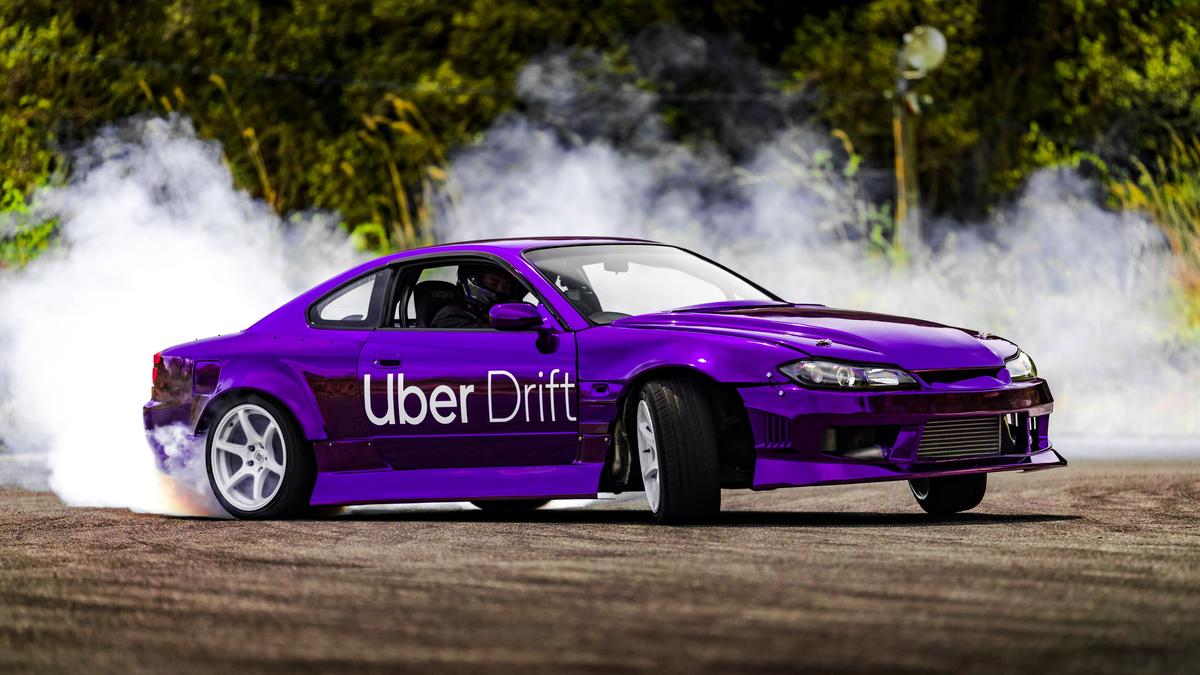
At the Mobara Twin Circuit, situated approximately 90 minutes outside the neon-soaked sprawl of Tokyo, this realization comes at high speed. Strapped into the bucket seat of a Nissan Silvia S15, the world outside the windshield becomes a blur of horizontal motion. Fausto, a reigning drift champion, holds the vehicle at an angle that defies conventional Newtonian physics. He balances "opposite lock"—steering into the direction of the slide—with millimetric precision, while a second drift car hovers mere inches from the passenger window in a synchronized dance of metal and rubber.
This is the heart of Japanese drifting: a discipline that, from a distance, appears as pure chaos, but up close reveals itself as one of the most rigorous forms of driving on the planet. It is precision disguised as violence, and commitment masquerading as madness.
Main Facts: The "Uber Drift" Initiative and the Modern Spectacle
The catalyst for this renewed global interest in Japanese car culture is a unique collaboration known as "Uber Drift." As part of Uber’s limited-edition "Go Anywhere" series, the company has begun offering enthusiasts a bridge into an otherwise insular and difficult-to-access subculture. The experience bypasses the typical barriers of entry—language gaps, local connections, and the logistical nightmare of reaching rural circuits—by providing a seamless transition from central Tokyo to the tarmac of Mobara.
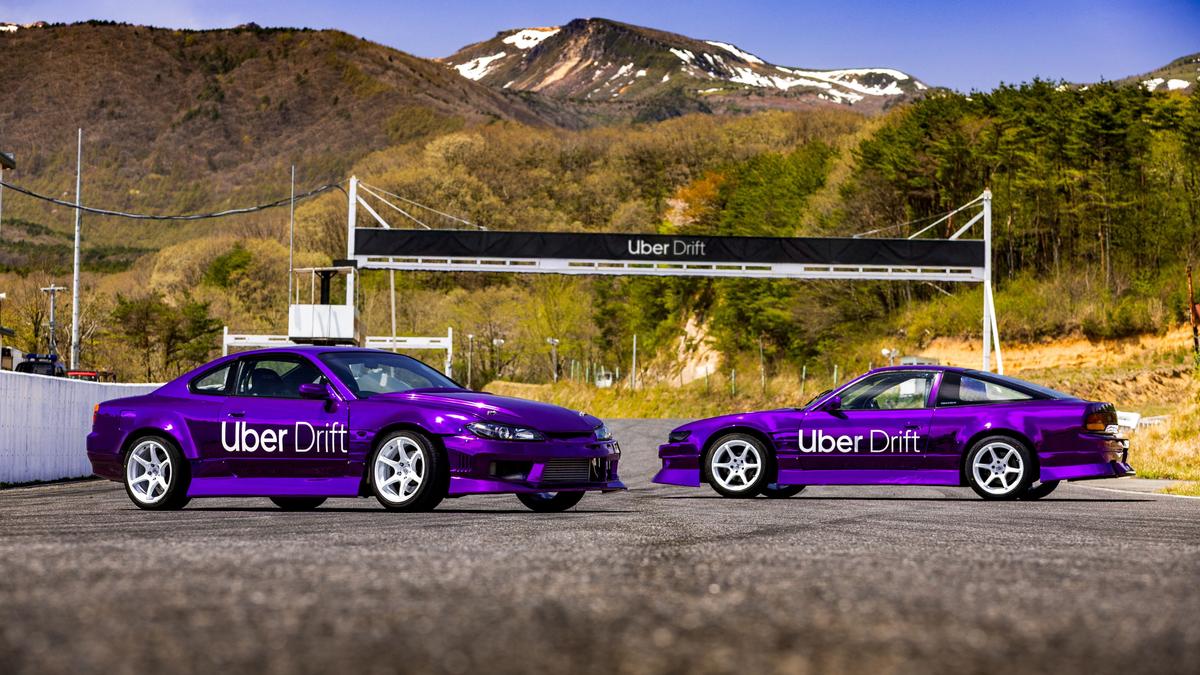
The program begins with a serene Uber Black pickup in the heart of the city, which serves as a stark juxtaposition to the sensory assault awaiting at the track. Once at Mobara Twin Circuit, guests are paired with Formula Drift licensed professional drivers. They are then thrust into the cockpits of genuine Japanese icons: the Nissan Silvia S15 and the Nissan 180SX. These are not merely "show cars"; they are battle-hardened machines engineered for the singular purpose of sustaining controlled slides at triple-digit speeds.
Drifting, unlike traditional circuit racing, is not a race to the finish line. It is a judged sport, akin to figure skating or surfing, where points are awarded for:
- Line: Following the ideal path designated by judges.
- Angle: The degree of rotation the car maintains during the slide.
- Style/Fluidity: The smoothness of transitions and the aggression of the entry.
- Proximity: In tandem battles, how closely the "chase" car can mirror the "lead" car.
Chronology: From Mountain Passes to Global Arenas
To understand the current state of professional drifting, one must look back to the 1970s and 80s, to the winding mountain roads known as touge. In the rural heights of Japan, illegal street racers—the Hashiriya—began experimenting with weight transfer to navigate tight hairpin turns.
Initially, sliding the rear of the car was a functional technique to maintain momentum on narrow downhill sections. However, the aesthetic appeal of the slide soon eclipsed its utility. By the mid-1980s, the "sideways" style had become a badge of honor among underground racers.
The evolution from illegal pastime to sanctioned sport is largely credited to two figures. First, Kunimitsu Takahashi, a legendary motorcycle and car racer, whose aggressive "tail-out" style in the 1970s inspired a generation. Second, and perhaps most importantly, Keiichi Tsuchiya, known globally as the "Drift King."
In 1987, Tsuchiya collaborated with several car magazines and tuning shops to produce Pluspy, a video showcasing his drifting skills on the mountains. While it resulted in the temporary suspension of his racing license, it ignited a global firestorm of interest. By 2001, the D1 Grand Prix was established as the first professional drifting series in Japan, providing a formal structure for what had previously existed only in the shadows of industrial districts and mountain passes.
Supporting Data: The Engineering of Controlled Oversteer
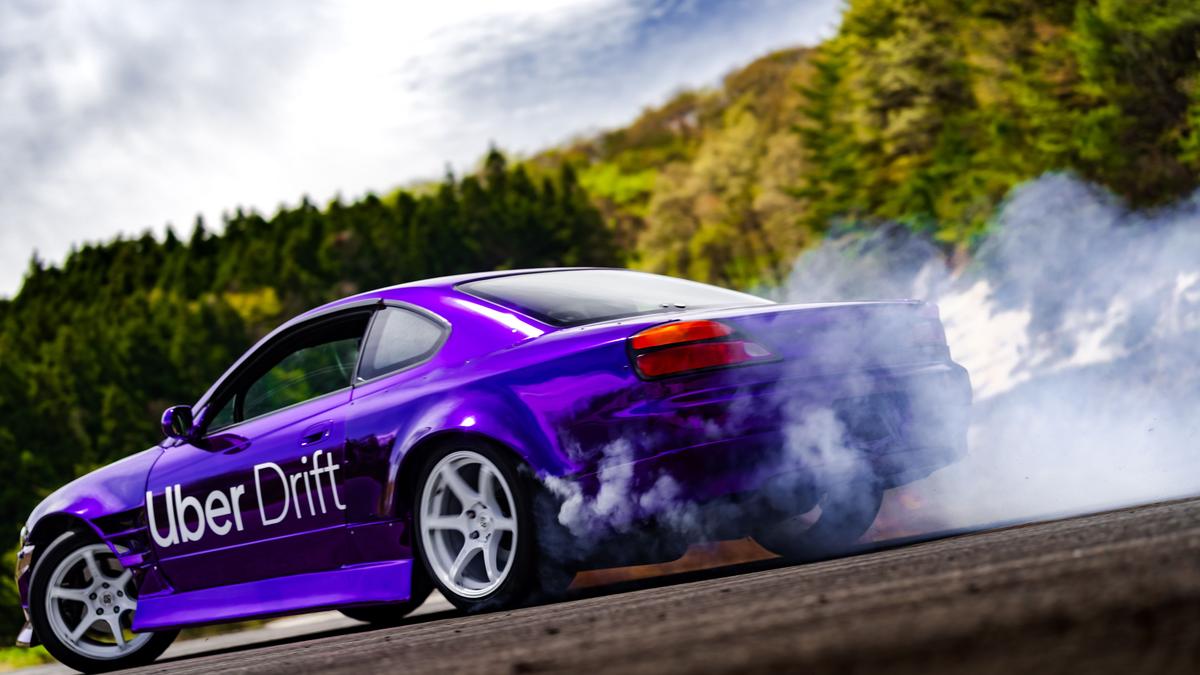
The physics of drifting involve a delicate tug-of-war between centripetal force and friction. While a standard road car is designed to maximize grip, a professional drift car is a study in "mechanical instability."
1. Steering Geometry
Modern drift cars utilize "angle kits" that allow the front wheels to rotate up to 60 or 70 degrees—nearly double that of a standard vehicle. This extreme range of motion is what allows drivers to recover from massive slip angles that would cause a normal car to spin out.
2. The Powerplant
To keep the rear tires spinning continuously, engines must produce immense, immediate torque. The Nissan Silvia S15, a favorite in the community, often utilizes the SR20DET turbocharged engine, frequently tuned to produce between 400 and 600 horsepower. This power is necessary not for top speed, but to overcome the friction of high-grip racing tires, turning them into smoke and molten rubber.
3. Weight Management
Suspension systems are tuned to be stiff yet responsive. Drivers use weight transfer—abruptly lifting off the throttle or tapping the brakes—to "pitch" the car into a corner. Once the rear tires lose traction, the driver uses the throttle as a secondary steering wheel; more gas increases the angle, while less gas allows the car to straighten out.
Official Responses and Expert Perspectives: The Philosophy of the Slide
Professional drivers and cultural historians emphasize that drifting is more than just a sport; it is a philosophy. Fausto, during the Mobara sessions, notes that the greatest challenge for newcomers is overcoming the "survival instinct" to brake when the car begins to slide.
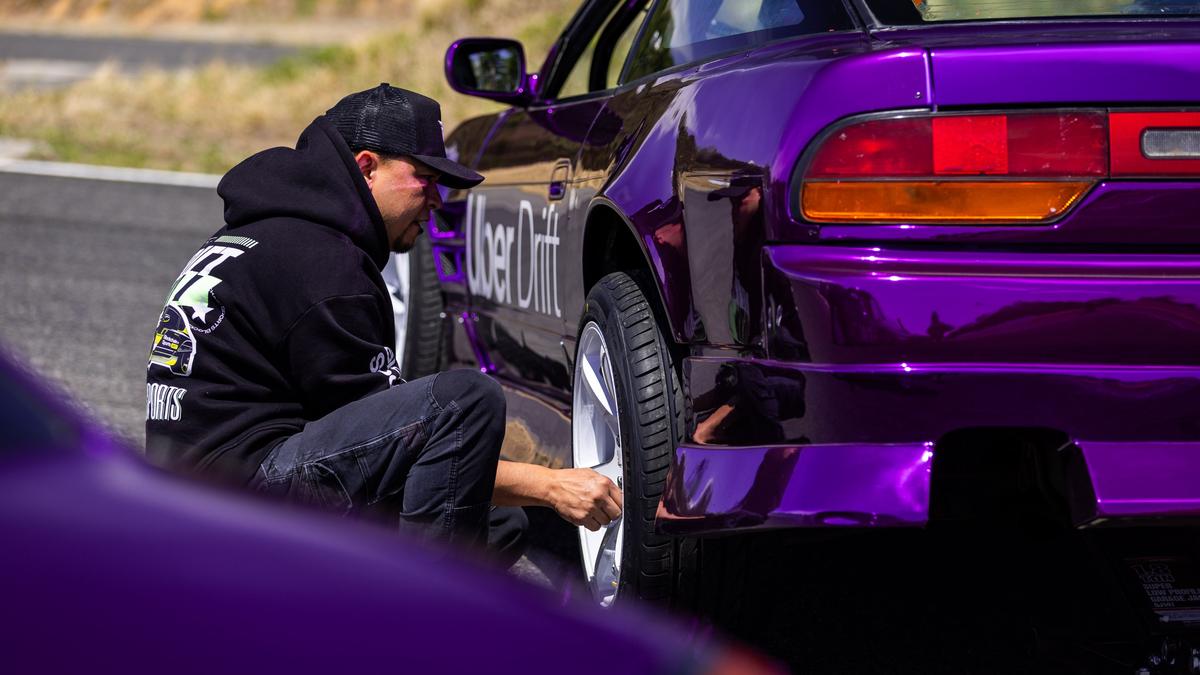
"In any other form of driving, a slide is a mistake," Fausto explains through the intercom. "Here, the slide is the goal. You have to learn to be comfortable with the car being ‘broken.’ When you stop fighting the physics and start working with them, that’s when you become fast."
Keiichi Tsuchiya has famously stated that drifting is about "expressing the soul of the car." This sentiment is echoed throughout the Japanese grassroots scene. Unlike Formula 1 or Le Mans, where cars are kept in pristine, sterile conditions, drift culture values "battle scars." At late-night meets at the Daikoku Parking Area in Yokohama, it is common to see Nissan Silvias with mismatched body panels, zip-tied bumpers, and exposed intercoolers. This "roughness" is a testament to the car being driven to its absolute limit—a rejection of the corporate polish that has sanitized much of modern motorsport.
Implications: Tourism, Culture, and the Future of the Sport
The introduction of experiences like Uber Drift signals a significant shift in how Japan exports its automotive culture. For decades, this world was largely inaccessible to the average tourist. Now, it is being recognized as a vital pillar of Japan’s "Soft Power," much like anime or traditional cuisine.
The implications for the automotive industry are equally significant. As we move toward an era of autonomous vehicles and electric powertrains, drifting stands as a defiant celebration of human skill and internal combustion. It is a "pure" mechanical experience that requires a level of sensory feedback—vibration, sound, and smell—that digital simulators have yet to perfectly replicate.
However, the sport faces challenges. Increasing urbanization and stricter noise ordinances have led to the closure of several legendary tracks. The rise of electric vehicles also poses a question: Can you drift without the scream of a turbocharged engine? While companies like Toyota and Dodge are experimenting with "drift modes" in EVs, the community remains skeptical. For the purists at Mobara, the soul of drifting is inextricably linked to the smell of gasoline and the mechanical clatter of a high-strung four-cylinder engine.
Conclusion: The Controlled Violence of the Art Form
As the Nissan Silvia S15 pulls back into the pits at Mobara, the cabin is thick with the scent of burnt rubber and adrenaline. The tires, which began the day with deep treads, are now "evaporated"—reduced to smooth, scorched carcasses.
Drifting in Japan is a paradox. It is a sport built on the art of losing control, yet it requires more discipline than almost any other form of racing. It is a subculture that prides itself on being underground, yet it has captured the imagination of the global mainstream.
For those who witness it from the passenger seat, the takeaway is clear: drifting is not reckless. It is a highly calculated, deeply technical, and profoundly physical pursuit. It is the ultimate expression of man and machine in total, albeit sideways, harmony. In the heart of Japan’s mountain passes and rural circuits, the "Drift King’s" legacy lives on, one tire-shredding corner at a time.
