

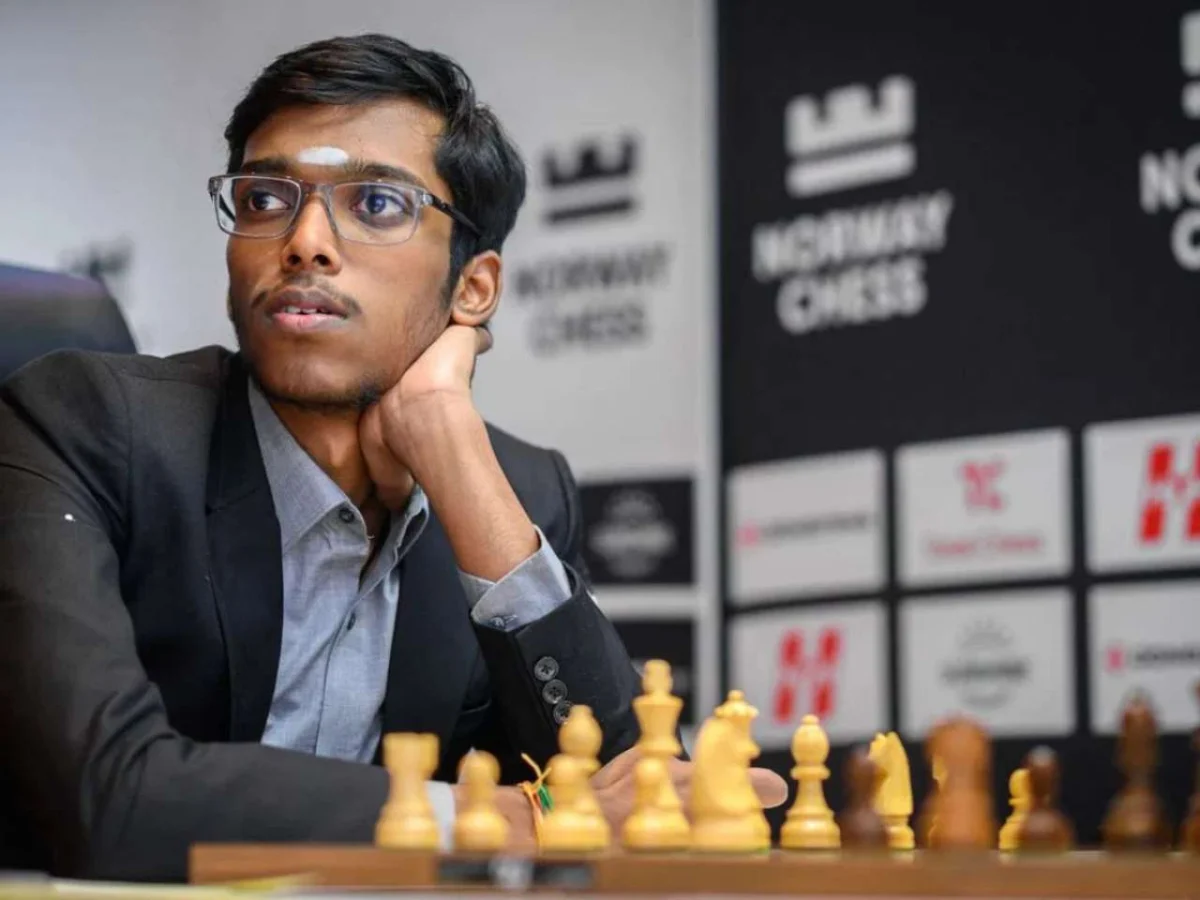
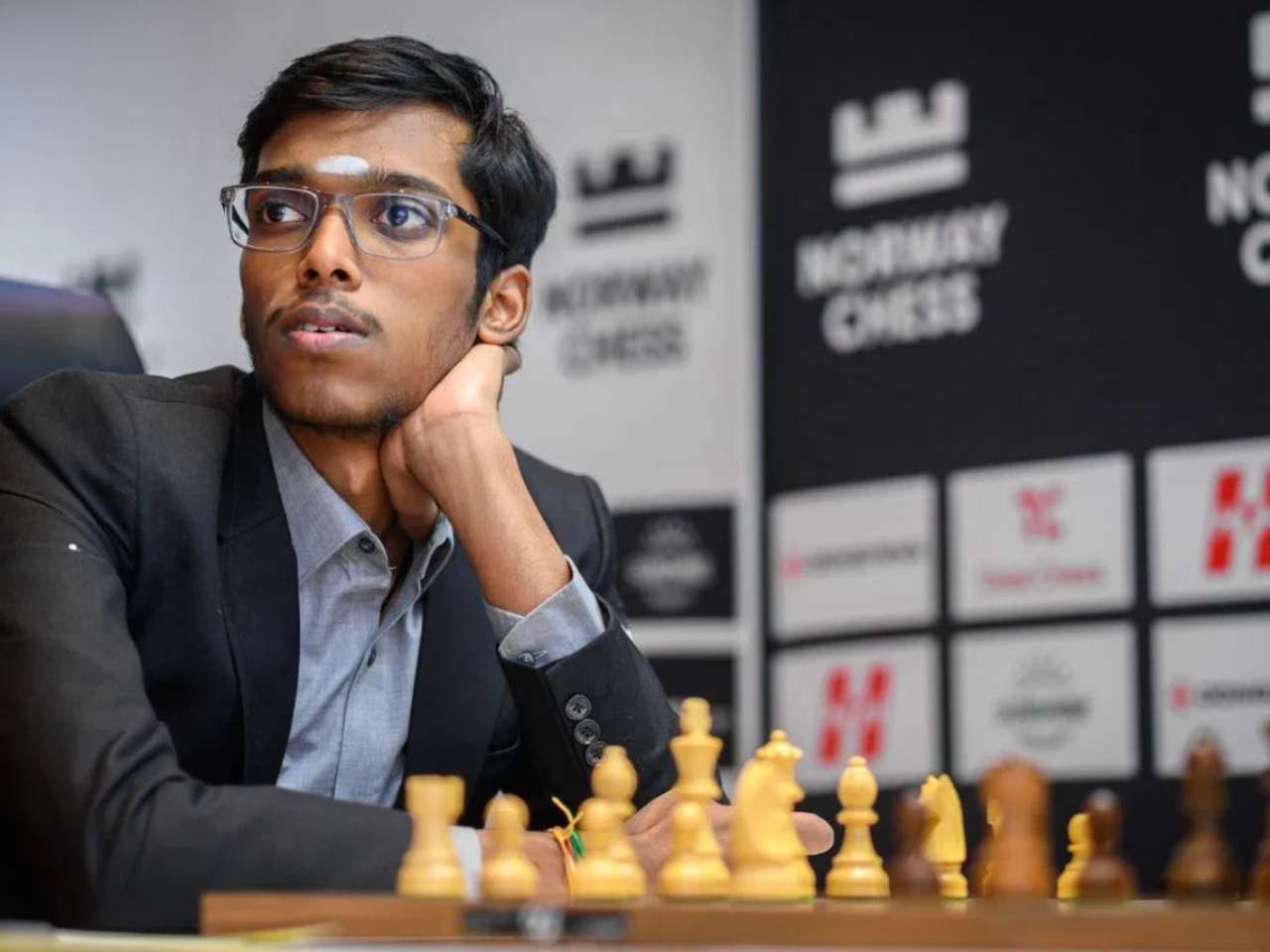
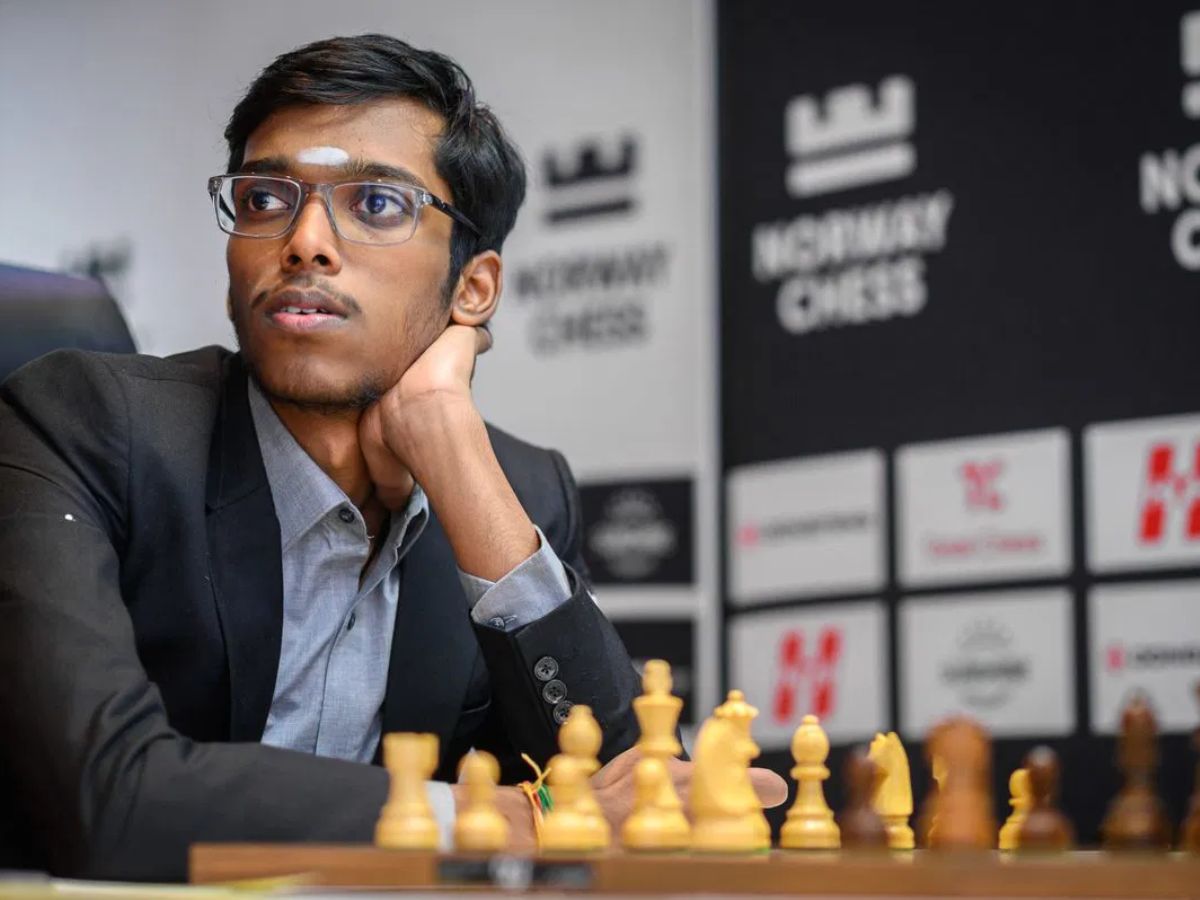
Oslo, Norway – In a monumental display of strategic brilliance, unwavering resilience, and exceptional composure, Indian Grandmaster R Praggnanandhaa has etched his name into the annals of chess history, becoming the first Indian player ever to win the prestigious Norway Chess tournament. The 20-year-old prodigy sealed his triumphant campaign with a decisive final-round victory over Germany’s Vincent Keymer, culminating a week of high-stakes drama, stunning comebacks, and clashes against the very elite of global chess.
This landmark achievement, secured on June 6, 2026, not only underscores Praggnanandhaa’s meteoric rise but also heralds a new chapter for Indian chess on the international stage. His victory in one of the strongest super-tournaments on the circuit, featuring the reigning World Champion, the World No. 1, and other formidable Grandmasters, marks a significant milestone in his burgeoning career and reinforces India’s growing influence in the sport.
The Pinnacle of Prestige: Unpacking the Norway Chess Challenge
The Norway Chess tournament, held annually in Stavanger, though the final round was played in Oslo, is universally recognized as a crucible for the world’s finest chess minds. It consistently draws an unparalleled field of top-tier Grandmasters, making any victory here a profound statement of skill and endurance. The 2026 edition was no exception, boasting an extraordinary lineup that included:
- Magnus Carlsen: The undisputed World No. 1 and local hero, whose presence always elevates the competitive intensity.
- D Gukesh: India’s own reigning World Champion, a testament to the nation’s rising chess prowess.
- Alireza Firouzja: The dynamic French-Iranian prodigy, known for his aggressive and creative style.
- Wesley So: The consistently strong American Grandmaster, a former US Champion and a formidable opponent in any format.
- Vincent Keymer: The talented German youngster, representing the next generation of European chess.
The tournament’s format, featuring classical games with an Armageddon tie-break in case of a draw, adds an extra layer of pressure and excitement. Classical wins award 3 points, while a draw followed by an Armageddon victory yields 1.5 points for the winner and 1 point for the loser. This scoring system incentivizes decisive play and strategic risk-taking, making the standings fluctuate dramatically and demanding consistent performance across all phases of the event. To emerge victorious from such a gauntlet requires not just profound chess understanding, but also exceptional mental fortitude and the ability to perform under extreme scrutiny.
)
A Rollercoaster Campaign: Praggnanandhaa’s Path to Glory
Praggnanandhaa’s journey to the Norway Chess title was far from a smooth sail; it was a testament to his incredible fighting spirit and ability to adapt. His campaign can be best described as a dramatic narrative of resilience, featuring an initial stumble followed by a breathtaking surge.
Early Challenges and a Mid-Tournament Slump
The initial rounds of the tournament saw Praggnanandhaa grappling with the immense pressure and the sheer strength of his opponents. While he showcased glimpses of his talent, a challenging stretch of results midway through the event saw him seemingly slip out of contention. This period, characterized by a mix of draws and some critical losses, could have easily demoralized a less determined player. The highly competitive nature of Norway Chess means that even a minor dip in form can be severely punished, and for a time, it appeared as though the young Indian might have to settle for a respectable, but not title-contending, finish.

However, it is precisely in these moments of adversity that true champions distinguish themselves. Rather than succumbing to the pressure, Praggnanandhaa channeled his focus, re-evaluated his strategies, and emerged with a renewed vigor that would define the latter half of his tournament. His ability to perform a self-correction under such high stakes speaks volumes about his psychological strength and maturity beyond his years.
The Turning Point: A String of Decisive Classical Wins
What followed was an extraordinary display of chess prowess. Praggnanandhaa ignited a spectacular comeback, producing a series of vital classical wins that completely transformed his fortunes and catapulted him back into the championship race. These victories were not merely statistical gains; they were strategic masterpieces against some of the world’s most formidable players.
)
One of his crucial wins came against Alireza Firouzja, a player known for his aggressive and unpredictable style. This victory demonstrated Praggnanandhaa’s capacity to neutralize tactical threats and exploit even the slightest positional advantages against a player who rarely gives an inch.
Then came the first of his two historic victories over Magnus Carlsen. Beating the World No. 1 in his home tournament is an achievement in itself, but to do so in a classical game is a rare feat. This win sent shockwaves through the chess world, signaling that Praggnanandhaa was not just participating but was a serious contender. The game showcased his ability to outmaneuver Carlsen in complex positions and maintain a clear strategic vision.
)
Perhaps the most significant of these comebacks, particularly from an Indian perspective, was his victory over fellow Indian Grandmaster and reigning World Champion, D Gukesh, in the penultimate round. This "Indian Derby" was a high-stakes encounter, with both players vying for the top spot. Praggnanandhaa’s triumph over Gukesh was not just a testament to his individual skill but also a reflection of the incredible depth of talent emerging from India. This win ensured that he entered the final day with a realistic and strong chance of lifting the coveted trophy, setting the stage for a thrilling conclusion.
The Final Showdown: Sealing History in Oslo
Heading into the final round, the championship race was incredibly tight, with Praggnanandhaa, Wesley So, and Alireza Firouzja all in contention for the crown. The tension was palpable, and the final outcomes depended not only on individual performances but also on the results of parallel games.
)
Praggnanandhaa’s destiny lay in his own hands, as he faced Germany’s Vincent Keymer. Keymer, a talented and resilient player, posed a significant challenge. However, Praggnanandhaa, having built immense momentum and confidence from his recent victories, approached the game with a singular focus. He played a controlled yet assertive game, carefully navigating the complexities and ultimately securing a decisive victory over Keymer. This win, hard-fought and strategically brilliant, guaranteed him the necessary points to finish at the top of the leaderboard.
Simultaneously, the other crucial game saw Wesley So defeat Alireza Firouzja in an Armageddon tie-break. While So’s victory kept his own hopes alive, Praggnanandhaa’s classical win meant he amassed enough points to stay ahead, rendering the other results secondary to his overall triumph. The moment the final scores were tallied, it was clear: R Praggnanandhaa was the champion of Norway Chess 2026. The 20-year-old, with his characteristic calm demeanor, had achieved a historic feat, sending ripples of excitement across the global chess community, particularly back home in India.
)
Dominance Over the King: Twice Conquering Magnus Carlsen
One of the most talked-about aspects of Praggnanandhaa’s sensational campaign was his unprecedented record against the legendary Magnus Carlsen. During the tournament, the Chennai-born Grandmaster defeated the Norwegian icon not once, but twice in classical games. This is an exceptionally rare feat, one that few players in the history of chess have managed to achieve against a player of Carlsen’s caliber, especially within a single elite event.
By securing two classical victories against Carlsen, Praggnanandhaa joined the elite company of Viswanathan Anand, becoming only the second Indian player to register two classical wins over Carlsen in a single tournament. Furthermore, he distinguished himself as the first player to defeat the former world champion twice in classical chess during the entire year of 2026. This extraordinary achievement not only highlights Praggnanandhaa’s exceptional skill and tactical acumen but also signals a potential shift in the dynamic at the very top of the chess world. It demonstrates his ability to consistently challenge and overcome the best, even the greatest of all time, on their home turf.
)
These victories were not flukes; they were the result of meticulous preparation, deep positional understanding, and the courage to take calculated risks against an opponent who rarely makes mistakes. They will undoubtedly add a new dimension to future encounters between these two formidable players, creating an exciting rivalry for chess enthusiasts worldwide.
The Indian Chess Renaissance: A Broader Context
Praggnanandhaa’s victory at Norway Chess is not an isolated incident but rather a shining beacon in the ongoing Indian chess renaissance. For decades, Viswanathan Anand stood as a solitary titan, a pioneer who broke barriers and inspired a generation. Today, India boasts an unprecedented number of young, world-class Grandmasters, forming a formidable cohort that is rapidly reshaping the global chess landscape.
)
Alongside Praggnanandhaa, talents like D Gukesh (the reigning World Champion), Arjun Erigaisi, Nihal Sarin, and a host of other young prodigies, including Praggnanandhaa’s own sister, Vaishali Rameshbabu (also a Grandmaster), are consistently making headlines. This surge is a testament to several factors:
- Anand’s Enduring Legacy: His success demystified the game and showed that an Indian could conquer the world stage.
- Growing Infrastructure: Improved coaching, academies, and tournaments across India.
- Digital Revolution: Access to online training, databases, and playing platforms has democratized learning.
- Cultural Enthusiasm: Chess is deeply ingrained in Indian culture, and parental support for talented children is immense.
Praggnanandhaa’s triumph at Norway Chess further strengthens India’s status as a chess superpower. It instills pride, inspires millions of aspiring young players, and validates the hard work and dedication of the entire Indian chess ecosystem. His success provides tangible proof that the Indian model for developing chess talent is yielding unparalleled results, producing not just Grandmasters, but champions capable of winning the toughest tournaments on the planet.
)
Official Responses and the Echoes of Triumph
While the original article does not provide direct quotes, the reverberations of Praggnanandhaa’s victory are undoubtedly being felt across the chess world and particularly in India. The All India Chess Federation (AICF) and other sports bodies would likely issue congratulatory statements, highlighting the significance of this win for the nation. Chess commentators and analysts would be buzzing with discussions about his strategic prowess, his mental toughness, and his potential to challenge for the World Championship title in the near future.
Social media would be abuzz with accolades from fellow Grandmasters, fans, and dignitaries. Mentors and coaches who have guided Praggnanandhaa since his early days would express immense pride in his achievement, seeing the culmination of years of dedicated effort. Sponsors and partners would undoubtedly recognize the enhanced value and visibility that such a historic victory brings, further solidifying his position as a global sporting icon.
)
The media in India would give extensive coverage, celebrating their young hero who has brought immense glory to the nation. This kind of success often translates into increased funding and support for chess at grassroots levels, further fueling the Indian chess boom.
Implications for the Future: A World Championship Contender in the Making?
R Praggnanandhaa’s victory at Norway Chess is more than just another tournament win; it is a powerful declaration of his emergence as a genuine contender for the very highest honors in chess. The implications of this triumph are far-reaching:
)
Rating and Ranking Boost
Winning a super-tournament of this magnitude will significantly boost Praggnanandhaa’s FIDE rating, propelling him further up the world rankings. This improved standing is crucial for gaining invitations to other elite tournaments and for strengthening his position in the race for future Candidates tournaments, the gateway to the World Championship match. Each point gained at this level is hard-won and carries immense weight.
Psychological Edge and Confidence
The psychological boost from overcoming such a strong field, especially after a mid-tournament slump, is immeasurable. It instills a deep-seated confidence that he possesses the ability to defeat anyone, anywhere, under any circumstances. This mental fortitude is a cornerstone of becoming a World Champion, allowing players to perform under the most intense pressure.
)
A Role Model for Millions
Praggnanandhaa’s journey from a chess-loving child in Chennai to a champion on the global stage serves as an incredible source of inspiration for millions of aspiring chess players, particularly in India. His humility, dedication, and fighting spirit embody the values that resonate deeply with young athletes. He is not just winning titles; he is inspiring a generation to pursue their dreams with passion and perseverance.
Global Recognition and Increased Scrutiny
This victory will undoubtedly lead to increased global recognition and media attention. While this brings opportunities, it also comes with increased scrutiny. Praggnanandhaa will now be viewed as one of the top players to watch, and his games will be analyzed with even greater depth. This is a natural progression for any player reaching the elite level, and his ability to handle this new level of expectation will be key to his continued success.
)
Path to the World Championship
The most significant implication is his trajectory towards challenging for the World Championship title. While still young, his performance at Norway Chess demonstrates that he possesses the raw talent, the strategic depth, and the mental resilience required to compete at the absolute pinnacle of the sport. His ability to beat both the current World Champion (Gukesh) and the long-reigning World No. 1 (Carlsen) within the same tournament speaks volumes about his readiness for the ultimate challenge. The chess world will now watch with bated breath as Praggnanandhaa continues his journey, potentially setting up future clashes for the most coveted title in chess.
Conclusion: A Star Ascends
R Praggnanandhaa’s historic victory at the Norway Chess 2026 tournament is far more than just a personal triumph; it is a profound moment for Indian chess and a testament to the burgeoning talent emerging from the subcontinent. At just 20 years old, he has demonstrated a level of maturity, strategic acumen, and mental toughness that belies his age. From overcoming a mid-tournament slump to delivering decisive blows against the world’s best, including an unprecedented two classical victories over Magnus Carlsen, Praggnanandhaa has proven his mettle.
)
This achievement solidifies his position as one of the brightest stars in global chess and a formidable contender for future World Championship cycles. As he continues his rapid ascent, the chess world eagerly anticipates his next moves, confident that this historic win in Norway is merely a prelude to even greater accomplishments. R Praggnanandhaa is not just a champion; he is a symbol of India’s chess prowess and an inspiration for a new generation, carrying the torch of excellence forward into a bright and promising future.
