

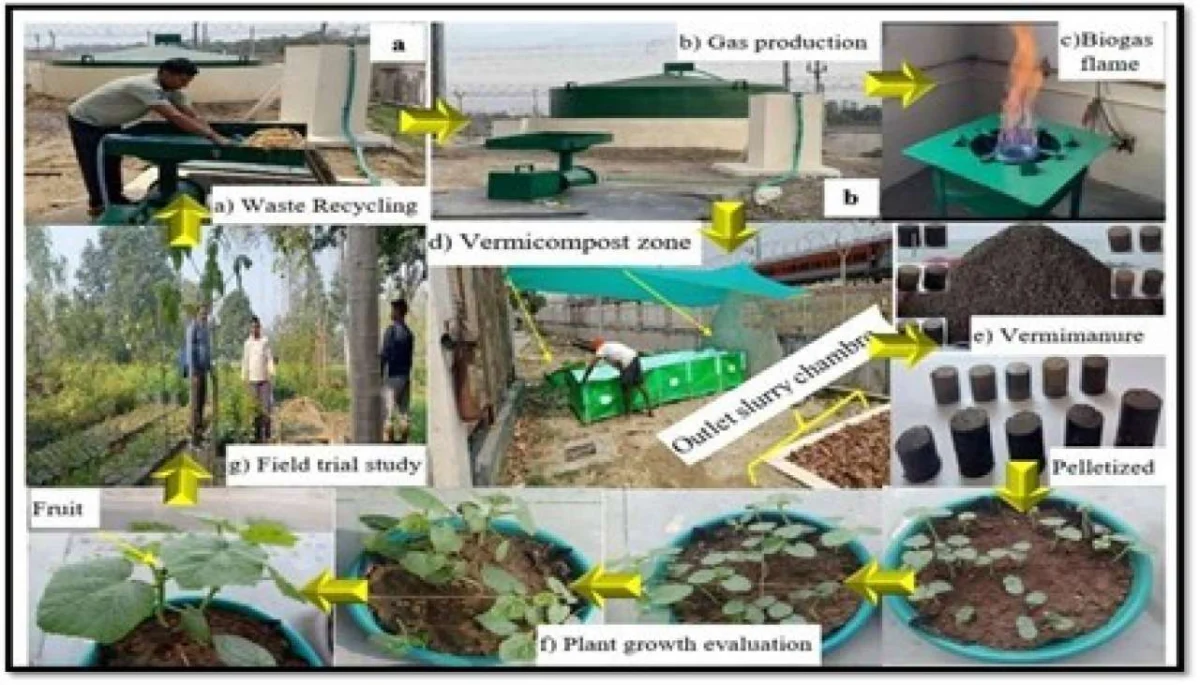
Rae Bareli, India – The philosophical ideal of transforming waste into valuable resources is no longer a distant dream but a tangible reality at the Rajiv Gandhi Institute of Petroleum Technology (RGIPT). Nestled in the heart of Uttar Pradesh, RGIPT has emerged as a pioneering institution, demonstrating a comprehensive, campus-wide ecosystem for waste management and a circular economy. This visionary approach systematically converts diverse waste streams into energy, materials, and reusable resources, setting a powerful precedent for sustainable development across the nation.
Spearheading this transformative initiative is Professor Harish Hirani, whose profound vision and extensive experience in sustainable technologies and large-scale waste management have been instrumental in establishing this practice-based, integrated system. Prof. Hirani’s groundbreaking work, which builds upon his previous successes at CSIR-CMERI, showcases how higher education institutions can evolve into dynamic "living laboratories." Here, cutting-edge research, practical technological implementations, and the everyday application of sustainability principles converge to create a truly integrated model.
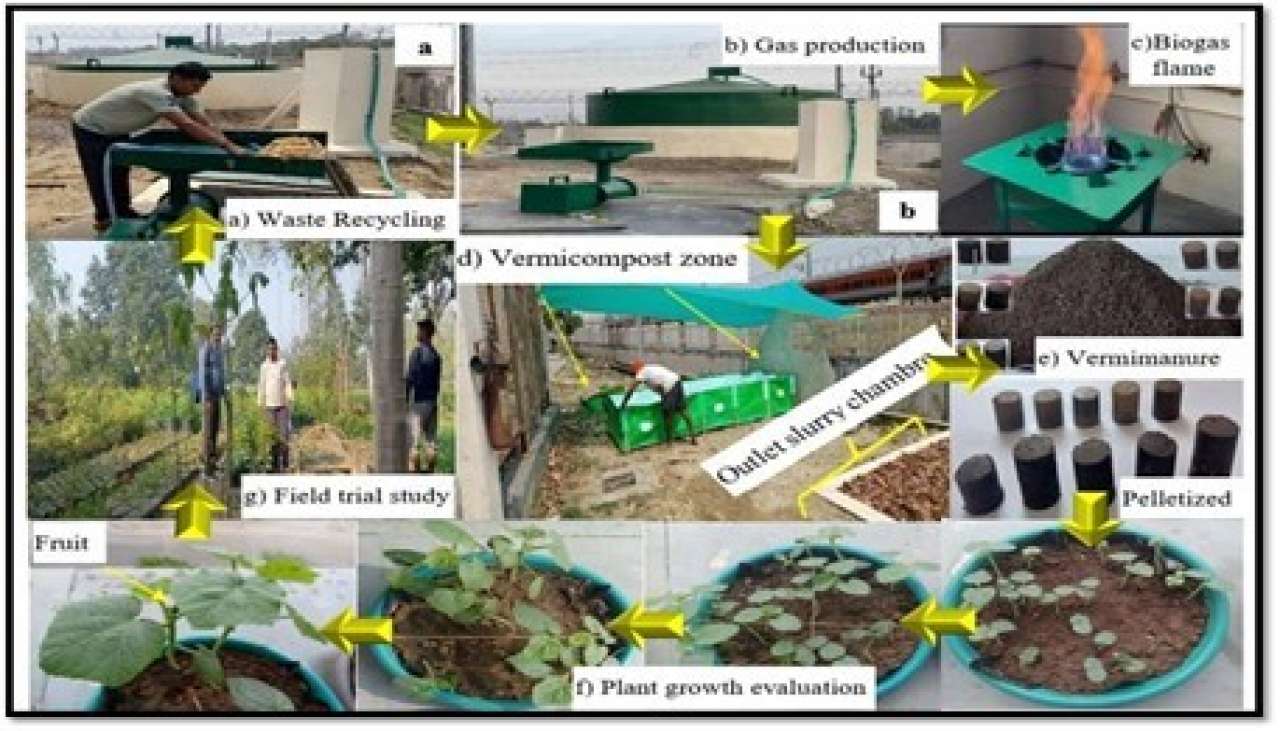
The institute’s commitment to a greener future culminates in the upcoming International Zero Waste Day on March 30th, where RGIPT will proudly exhibit its array of integrated waste management technologies. This event will serve as a crucial platform to demonstrate RGIPT’s sustainable practices and circular economy principles through live exhibitions of its on-campus systems, advocating for their wider adoption across society.
From Concept to Concrete: The Evolution of RGIPT’s Zero-Waste Ecosystem
The journey towards RGIPT’s current state of environmental stewardship is marked by a deliberate and strategic evolution, beginning with a foundational vision to integrate sustainability into every facet of campus life. Prof. Harish Hirani, drawing upon his significant background in developing sustainable technologies, envisioned a departure from traditional, fragmented waste management systems. His prior work at institutions like CSIR-CMERI provided a robust framework for conceptualizing a holistic, closed-loop resource recovery system.
)
The initial phase focused on identifying the primary waste streams generated within the campus – wastewater, organic waste, plastic, and mixed solid waste. Rather than treating these in isolation, the core idea was to establish an interconnected network where the output of one process could serve as the input for another, thereby maximizing resource efficiency and minimizing environmental impact.
The implementation began with the establishment of a robust wastewater treatment and reuse system. Recognizing the preciousness of water resources, a nano-bio wastewater treatment plant was developed to purify campus effluent, ensuring its suitability for non-potable applications. This foundational step immediately closed a significant resource loop, reducing the campus’s reliance on fresh water.

Following this, the focus shifted to organic waste management. The abundance of food and garden waste presented an opportunity for energy generation. The development of an anaerobic digestion facility became a critical component, transforming organic matter into biogas, a renewable energy source. Concurrently, efforts were made to valorize the digestate, converting it into nutrient-rich soil conditioners for campus landscaping and agricultural initiatives.
As the system matured, more advanced technologies were integrated to address specific challenges. Plastic waste valorization was introduced to tackle the persistent problem of non-recyclable plastics, transforming them into durable utility products. Subsequently, sophisticated biogas upgrading systems, leveraging membrane technology and nanofluids, were implemented to enhance the quality and calorific value of the produced biogas. The introduction of Hydrothermal Liquefaction (HTL) marked another significant leap, enabling the conversion of mixed, low-value waste, including heterogeneous plastic and organic blends, into valuable biocrude oil.
)
Throughout this chronological development, the institute consistently aimed to refine process efficiencies, expand recovery pathways, and strengthen the intricate linkages between energy, water, and material cycles. The upcoming International Zero Waste Day serves as a culmination of these multi-year efforts, showcasing the integrated framework as a mature and replicable model for sustainable campus operations. This phased, yet interconnected, approach underscores RGIPT’s commitment to continuous innovation in its quest for complete self-sustainability.
Deep Dive into Sustainability: Supporting Data and Technological Prowess
RGIPT’s zero-waste ecosystem is underpinned by a suite of innovative and interconnected technologies, each meticulously designed to optimize resource recovery and minimize environmental footprint. This integrated framework is a testament to the institute’s dedication to practical, data-driven sustainability solutions.
)
The Integrated Zero-Waste Ecosystem: A Closed-Loop Marvel
At its heart, the RGIPT model is a closed-loop resource recovery network, a stark contrast to traditional linear waste management systems that often lead to landfill accumulation and pollution. Here, waste is never truly "waste" but a valuable resource awaiting transformation. This comprehensive system ensures that different waste streams are systematically linked, with the output of one process becoming the input for another, thereby achieving unparalleled efficiency in resource utilization and a drastic reduction in environmental impact.
Water Sustainability: The Nano-Bio Wastewater Treatment System
A cornerstone of RGIPT’s resource efficiency is its advanced integrated nano-bio wastewater treatment system. This innovative hybrid approach combines robust biological processes with cutting-edge nanofluid-assisted interactions and natural plant-based extracts. This synergy enables the highly efficient removal of a wide spectrum of pollutants, including turbidity, dissolved solids, and a myriad of organic contaminants. Impressively, the system achieves reductions of over 95% in Chemical Oxygen Demand (COD) and Biochemical Oxygen Demand (BOD) levels, ensuring that the treated water is of high quality.
)
This purified water is then systematically reused for a variety of non-potable campus applications, such as irrigation for green spaces, aquaculture projects, and other utility purposes. This practice significantly reduces the campus’s demand for fresh water, closing the water loop within the ecosystem. Furthermore, the biomass generated during the treatment process is not discarded; it is valorized for either energy recovery through anaerobic digestion or for enriching soil applications, exemplifying the system’s commitment to minimal waste generation.
Circular Bioeconomy: Organic Waste to Energy and Nutrients
The campus’s organic and food waste is central to RGIPT’s circular bioeconomy system. Instead of contributing to landfills, this biodegradable waste undergoes anaerobic digestion – a biological process where microorganisms break down organic matter in the absence of oxygen. This process yields biogas, a potent renewable energy source primarily composed of methane.
)
The remaining byproduct, known as digestate, is further processed and transformed into a range of value-added products. These include high-quality vermicompost, nutrient-rich particle manure, and specialized soil conditioners. These organic fertilizers are then utilized in campus farming activities and landscaping, significantly improving soil fertility and promoting sustainable crop production. This interconnected approach not only efficiently manages organic waste but also actively recycles the nutrient cycle, reducing reliance on external chemical inputs and enhancing the resilience and long-term sustainability of the campus ecosystem.
Biogas Upgrading: Enhancing Energy Efficiency
A critical challenge in biogas utilization is the presence of impurities, particularly carbon dioxide (CO2), which reduce its calorific value and efficiency. RGIPT has tackled this with a sophisticated membrane-based biogas upgrading system, supplemented with nanofluid-assisted separation. This multi-stage setup meticulously eliminates CO2 and other trace impurities while enriching the methane content.
)
The use of nanofluids significantly enhances mass transfer and separation efficiency, while a multi-pass operation further refines the separation process, leading to a higher concentration of methane. The result is upgraded bio-methane with a significantly higher energy content and superior fuel quality. This advanced purification method represents a substantial leap over traditional techniques, contributing not only to energy efficiency but also to carbon capture, rendering the entire process more environmentally sensitive.
Plastic Waste Valorization: Transforming Pollution into Products
Addressing the pervasive issue of plastic waste, RGIPT has implemented a robust plastic waste valorization program. This initiative focuses on transforming non-recyclable plastics, which often end up in landfills or polluting ecosystems, into durable and functional utility products. Through carefully controlled thermal and mechanical processing, discarded plastics are repurposed into items such as sturdy mats, tables, and stools. These products are designed to exhibit excellent strength, durability, and resistance to environmental degradation, offering practical applications both on and off campus.
)
This cost-effective and decentralized model not only diverts plastic waste from landfills but also generates economically useful materials. It provides a scalable solution for plastic waste management, particularly relevant for urban and semi-urban settings where conventional recycling infrastructure may be limited or non-existent.
Hydrothermal Liquefaction (HTL): Waste-to-Biocrude Technology
To further bolster its waste-to-energy pathways, RGIPT has embraced Hydrothermal Liquefaction (HTL). This cutting-edge technology offers an efficient method for converting mixed and low-value waste products into valuable liquid fuels. HTL is particularly potent in addressing heterogeneous waste streams—blends of plastic and organic matter—which pose significant challenges for conventional recycling and are frequently destined for landfills or incineration.
)
Under optimized conditions of elevated temperature and pressure, HTL transforms these complex waste mixtures into biocrude oil, alongside hydrochar and various gaseous byproducts. The process yields approximately 10 wt.% biocrude, demonstrating its potential as a viable substitute energy source. This highlights HTL’s crucial role in utilizing the embedded energy in what would otherwise be considered non-recyclable waste, offering a sustainable and feasible channel to reduce landfill dependency and promote resource efficiency within the circular economy framework.
Carbon Management through Biochar
While mentioned briefly, the implementation of biochar manufacturing adds another layer of sophistication to RGIPT’s carbon management strategy. Biochar, produced through the pyrolysis of biomass, is a stable form of carbon that can be sequestered in soil for centuries. Its application not only locks away atmospheric carbon but also enhances soil fertility, water retention, and microbial activity, providing a climate-responsive aspect to the overall waste management approach.
)
Collectively, these meticulously integrated interventions form a cohesive and synergistic ecosystem. The model’s distinctiveness lies not merely in the deployment of individual technologies, but in their seamless integration into a unified resource recovery network. Organic waste yields energy and soil nutrients, biogas is upgraded to a high-quality fuel, mixed waste transforms into liquid and solid energy carriers, plastic waste finds new life as functional products, and wastewater is treated for reuse. This interconnected approach ensures optimal utilization of resources across multiple domains, simultaneously minimizing environmental impact and pushing the boundaries of what a sustainable campus can achieve.
Visionary Leadership: Official Responses and Institutional Commitment
The success of RGIPT’s integrated zero-waste initiative is inextricably linked to the unwavering vision and dedication of its leadership, particularly Professor Harish Hirani. His insights provide a window into the institutional philosophy driving this transformative change.
)
"The conversion of waste into useful products is no longer a philosophical dream but an actual fact here at RGIPT," states Prof. Hirani. "My vision has always been to move beyond theoretical concepts and build a practice-based, campus-wide ecosystem where sustainability is embedded in our daily operations and academic pursuits. We believe that higher education institutions have a profound responsibility to not only research solutions but also to implement them, serving as ‘living laboratories’ for the benefit of society."
Prof. Hirani emphasizes the strategic importance of the integrated design: "Compared to traditional waste management systems that process waste streams separately, our model intentionally connects several streams together. This integrated, closed-loop approach is fundamental to achieving maximum efficiency in resource use and significantly reducing our environmental footprint. It’s about seeing waste not as an end, but as a beginning – a raw material for new value."
)
The institute’s commitment extends beyond immediate environmental benefits. "The bigger picture is to make RGIPT a prototype in the implementation of the circular economy," Prof. Hirani explains. "Our model is unique because it seamlessly integrates research and technology implementation with institutional practice. This is crucial for closing the gap between laboratory innovation and actual, scalable use. It unequivocally shows how college campuses can serve as testbeds for scalable sustainable solutions that have national implications."
Looking ahead, RGIPT’s leadership is focused on continuous improvement and broader impact. "In the future, RGIPT is aiming to size and streamline these integrated zero-waste systems to realize an entirely self-sustainable campus," Prof. Hirani reveals. "This involves developing more waste-to-energy pathways, reinforcing sophisticated material recovery systems, growing water reuse capabilities, and integrating even more effective carbon management technologies. Our goal is to enhance the system’s efficiency, recover more resources, and build a resilient model that is not only independent but also easily replicable in other institutions and cities across India."
)
The institute’s participation in International Zero Waste Day on March 30th further underscores this commitment. "This event is more than just a demonstration; it’s an invitation," Prof. Hirani adds. "We want to showcase how RGIPT has successfully implemented sustainable practices and the principles of the circular economy, providing live exhibitions that can inspire and guide wider adoption in society. It’s about sharing our blueprint for a sustainable future."
This strong institutional backing and the clear articulation of goals by Prof. Hirani illustrate RGIPT’s deep-seated commitment to leading by example in the realm of environmental sustainability and circular economy principles.
)
Beyond the Campus Gates: Implications for a Sustainable Future
The pioneering work at RGIPT carries profound implications, extending far beyond the confines of its campus. This integrated zero-waste framework offers a scalable blueprint for addressing some of the most pressing environmental and resource challenges facing India and the world.
Local and Educational Impact
On a local level, the immediate benefits are palpable. The campus environment is demonstrably cleaner, with significantly reduced waste generation and disposal needs. This translates into cleaner air, soil, and water for the RGIPT community. Moreover, the operational systems provide an unparalleled hands-on learning experience for students across various disciplines, fostering a new generation of engineers, scientists, and policymakers who are deeply versed in practical sustainability solutions. Students witness firsthand the principles of a circular economy in action, gaining invaluable skills in waste valorization, renewable energy, and water management. Economically, the initiative reduces operational costs associated with waste disposal and potentially generates revenue from value-added products like vermicompost and repurposed plastics, creating a more financially resilient institution.
)
National and Global Implications
The RGIPT model stands as a powerful blueprint for other academic institutions, urban communities, and industries across India. Its replicability and cost-effectiveness, particularly in areas with limited conventional infrastructure, make it an attractive solution for scaling sustainable practices. By demonstrating a viable pathway for transforming waste into valuable resources, RGIPT directly contributes to India’s ambitious climate action goals and its commitments to sustainable development. It provides tangible strategies for mitigating plastic pollution, conserving precious water resources, enhancing energy security through renewables, and improving soil health – all critical national priorities.
Furthermore, the institute’s emphasis on integrating research with practical implementation positions India as a leader in green technology innovation. This model can influence policy decisions, encouraging government bodies to invest in similar decentralized, integrated waste management systems that promote resource efficiency and circularity at a broader scale. It showcases that with vision and dedicated effort, even complex waste challenges can be transformed into opportunities for economic growth and environmental stewardship.
)
Future Outlook and Call to Action
RGIPT’s vision of becoming an entirely self-sustainable campus is not merely an institutional goal but a beacon of hope for a future where resource scarcity and environmental degradation are systematically addressed. The ongoing efforts to enhance system efficiencies, expand recovery pathways, and strengthen the linkages between energy, water, and material cycles promise even greater levels of self-sufficiency.
As environmental pressures intensify globally, integrated and technology-driven approaches like RGIPT’s will play a crucial role in shaping sustainable futures. This framework serves as an urgent call to action for other stakeholders – educational institutions, municipal corporations, industrial sectors, and policymakers – to embrace circular economy principles. By learning from and replicating RGIPT’s success, society can collectively move towards a future where waste is redefined as a resource, fostering ecological balance, economic resilience, and a healthier planet for generations to come. The journey at RGIPT is a testament to what is possible when innovation meets commitment, transforming a philosophical ideal into an everyday reality.
)
Web Link for more information about the Program: https://rgipt.ac.in/IDZW-2026/
Find your daily dose of All Latest News including Sports News, Entertainment News, Lifestyle News, explainers & more. Stay updated, Stay informed- Follow DNA on WhatsApp.
