

New Delhi, July 5, 2026 – In an era where convenience reigns supreme, refrigerators and microwaves have become indispensable kitchen companions, transforming how we manage our meals. The ability to store and reheat leftover food offers unparalleled ease, saving time and reducing waste. However, this convenience comes with a critical caveat: the potential for foodborne illnesses if leftovers are not handled and reheated with the utmost care. Improper storage and reheating can create a breeding ground for harmful bacteria, significantly increasing the risk of food poisoning.
Edwina Raj, Head of Services – Clinical Nutrition & Dietetics at Aster CMI Hospital in Bangalore, emphasizes the gravity of this issue. "Improper storage or reheating can allow harmful bacteria to grow, increasing the risk of food poisoning," she states. As consumers increasingly rely on pre-prepared and leftover meals, understanding and adhering to robust food safety guidelines is paramount. This article delves into the crucial aspects of safely reheating food, providing a comprehensive guide to protect yourself and your loved ones from preventable health risks.
The Silent Threat: Understanding the Risks of Improper Reheating
The allure of a quick meal from yesterday’s dinner is undeniable. Yet, the journey from cooked food to leftover to reheated meal is fraught with potential dangers if not managed meticulously. Bacteria, microscopic organisms present in our environment and on food, are the primary culprits behind foodborne illnesses. When cooked food is left at room temperature for extended periods, these bacteria can multiply exponentially. Refrigeration slows this process, but it does not entirely halt bacterial growth. The critical window of vulnerability lies in the cooling, storage, and reheating stages.
Food poisoning, also known as foodborne illness, can manifest in a range of symptoms from mild discomfort to severe, life-threatening conditions. Common symptoms include nausea, vomiting, diarrhea, abdominal cramps, and fever. The severity often depends on the type of pathogen, the amount consumed, and the individual’s immune system. Young children, the elderly, pregnant women, and individuals with compromised immune systems are particularly susceptible to severe complications. Therefore, understanding the science behind bacterial growth and implementing preventative measures is not just a matter of good practice, but a crucial aspect of public health.
A Step-by-Step Guide to Safe Leftover Management
To mitigate the risks associated with reheating food, Edwina Raj has outlined five essential guidelines that everyone should integrate into their daily routines. These principles form the bedrock of safe food handling, ensuring that the convenience of leftovers does not come at the expense of health.
1: Swift Refrigeration is Key
The first and perhaps most critical step in preserving the safety of your leftovers is prompt refrigeration. "Leftovers should be refrigerated within two hours of cooking," advises Raj. This two-hour window is a widely recognized food safety standard. During this time, cooked food is still warm enough to support bacterial growth, but not so hot that it will compromise the refrigerator’s ability to cool it down effectively. Leaving cooked food at room temperature for any longer allows bacteria to multiply at an alarming rate, reaching dangerous levels.
The urgency of refrigeration is further amplified in warmer climates or during hot weather. "In hot weather, food should be refrigerated even sooner," she warns. Elevated temperatures accelerate bacterial proliferation. Therefore, it is imperative to be vigilant and prioritize getting cooked food into a chilled environment as quickly as possible, ideally within one hour if the ambient temperature is above 90°F (32°C).
2: Secure Storage for Freshness and Safety
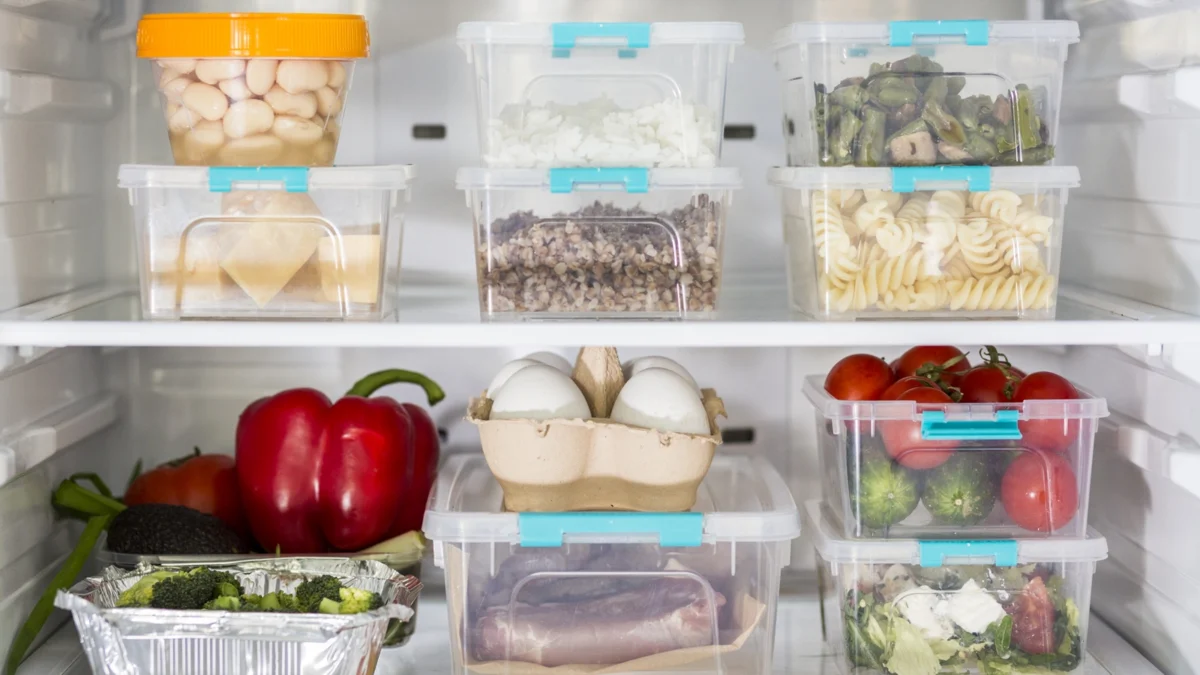
Once the decision to store leftovers is made, the method of storage is equally important. "Store leftovers in clean, airtight containers," recommends Raj. Airtight containers serve a dual purpose. Firstly, they create a barrier against external contaminants, preventing airborne bacteria or other food items in the refrigerator from coming into contact with your leftovers. This minimizes the risk of cross-contamination. Secondly, airtight containers help maintain the freshness and quality of the food by preventing it from drying out or absorbing unwanted odors from other foods.
Furthermore, proper container selection can aid in the cooling process. Containers that are not excessively deep allow the food to cool down more rapidly in the refrigerator, further reducing the time spent in the temperature danger zone where bacteria thrive. Opt for containers made of food-grade materials like glass or BPA-free plastic, ensuring they are thoroughly cleaned before use.
3: Mindful Consumption Timeline
Even with proper refrigeration and storage, leftovers are not meant to be kept indefinitely. Bacterial growth, though slowed, continues over time. "Consume refrigerated leftovers within two to three days," is the clear directive from Raj. This timeframe is a general guideline, and the actual shelf life can vary depending on the type of food and initial preparation. However, exceeding this period significantly increases the risk of bacterial proliferation.
It is crucial to understand that even if food looks and smells normal, it may still harbor harmful bacteria that are not detectable by our senses. Relying solely on sensory cues can be misleading and dangerous. Therefore, adhering to the two-to-three-day rule is a prudent measure to ensure the safety of your refrigerated meals. Developing a habit of labeling containers with the date of preparation can be a helpful reminder.
4: The Power of Thorough Reheating
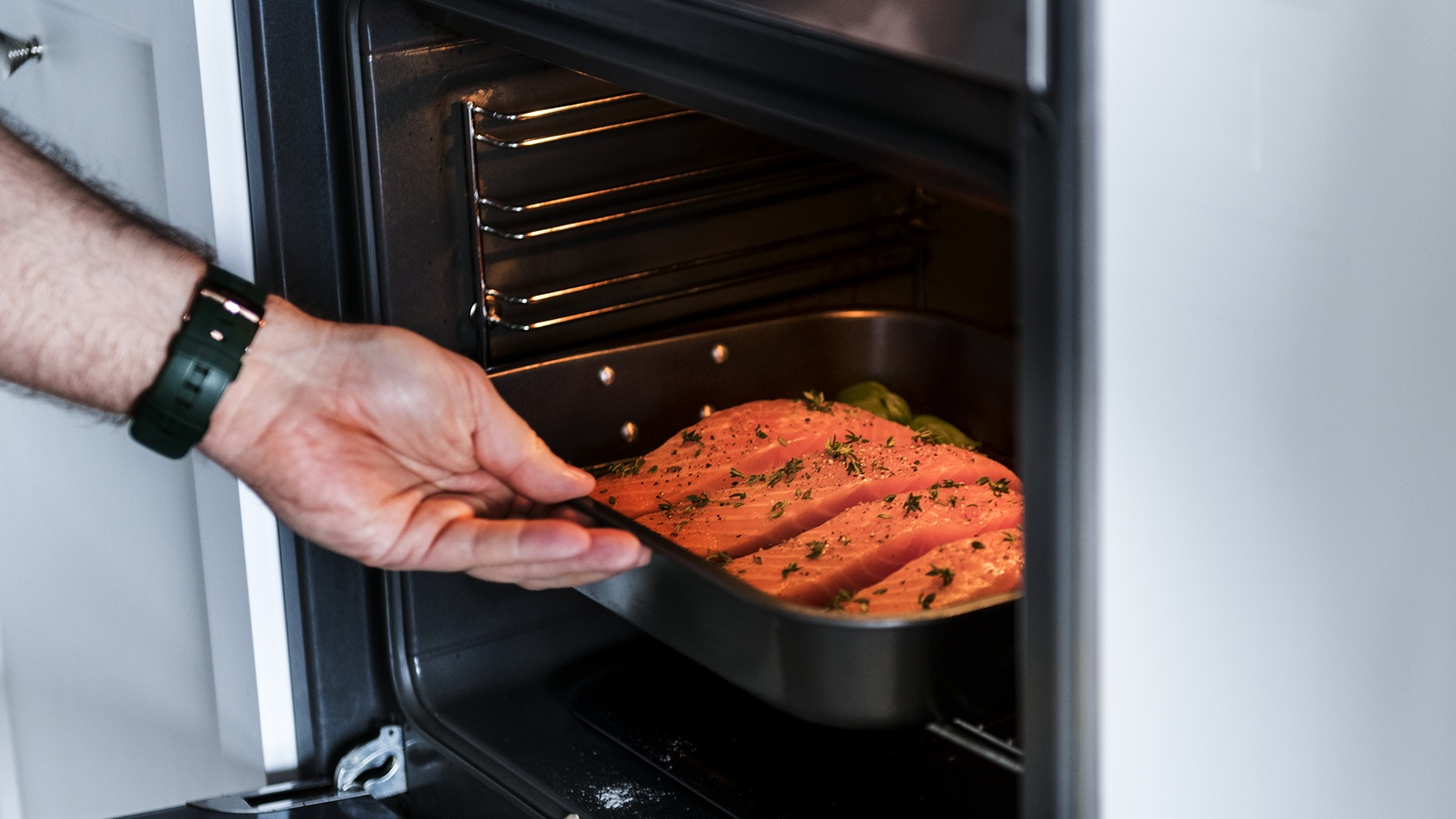
The final hurdle in the journey of leftover safety is the reheating process itself. Simply warming food is not sufficient; it must be reheated thoroughly to kill any bacteria that may have proliferated during storage. "Reheat food thoroughly before eating," emphasizes Raj. The benchmark for thorough reheating is that the food should be "steaming hot all the way through, including the center."
Uneven heating is a common pitfall. Microwaves, while convenient, can sometimes create hot spots and cold spots within the food. Stirring food halfway through the reheating process in a microwave can help ensure even distribution of heat. For other methods like stovetop reheating or oven reheating, ensure the entire portion reaches a safe internal temperature. Food safety guidelines generally recommend reheating to an internal temperature of 165°F (74°C) to effectively eliminate most harmful bacteria.
5: Portion Control for Reheating
A common temptation is to reheat a larger portion of leftovers than immediately needed, with the intention of consuming the rest later. However, this practice can be detrimental to food safety. "Reheat only the portion you plan to eat," advises Raj. The act of cooling and reheating food multiple times can create an environment conducive to bacterial growth. Each cooling and reheating cycle provides bacteria with another opportunity to multiply.
Moreover, repeated reheating can degrade the quality of the food, affecting its texture and flavor. By reheating only what you intend to consume in one sitting, you minimize the number of cooling and reheating cycles the food undergoes, thereby enhancing both its safety and palatability.
Practices to Strictly Avoid: Red Flags for Leftover Safety
Beyond the essential guidelines, there are specific practices that Edwina Raj strongly advises against to prevent foodborne illnesses. These are critical warnings that highlight common mistakes people make.
"Do not leave leftovers on the kitchen counter overnight, as this creates ideal conditions for bacteria to grow," she sternly warns. This is a direct contravention of the principle of swift refrigeration. The kitchen counter represents the temperature danger zone, where bacteria can multiply rapidly and reach dangerous levels within hours.
Furthermore, reliance on sensory perception alone is a risky strategy. Raj reiterates, "Avoid eating them that have an unusual smell, taste, color, or texture, as these may be signs of spoilage." While the two-to-three-day rule is a general guide, these visual and olfactory cues can serve as additional warning signs of bacterial contamination. However, it is crucial to remember that not all harmful bacteria produce noticeable changes.
Mixing fresh food with old leftovers is another practice to shun. "You should not mix fresh food with old leftovers in the same container," she states. This can lead to cross-contamination, where bacteria from the older food can transfer to the fresh food. Each food item should be stored and handled independently.
Finally, the efficiency of your refrigerator plays a vital role. "It is also important not to overload the refrigerator, as proper cooling is necessary to keep food safe," Raj adds. An overloaded refrigerator restricts air circulation, hindering its ability to maintain a consistent and sufficiently low temperature. This can lead to some areas of the refrigerator being warmer than others, compromising the safety of the stored food. Ensure there is adequate space for air to circulate around food items for optimal cooling.
Supporting Data and Scientific Rationale
The guidelines provided by Edwina Raj are not arbitrary; they are grounded in established food safety principles and scientific understanding of bacterial growth. The "temperature danger zone" is a critical concept in food safety. This is the temperature range between 40°F (4°C) and 140°F (60°C) where bacteria multiply most rapidly. Cooked food should be moved out of this zone as quickly as possible.
The two-hour rule for cooling cooked food is based on studies that show significant bacterial growth can occur within this timeframe at room temperature. Similarly, the recommendation to consume refrigerated leftovers within two to three days is a practical application of knowing that even at refrigerator temperatures, some bacterial growth will occur over time. While some bacteria are harmless, others can cause illness. The longer food is stored, the greater the potential for harmful pathogens to reach infectious doses.
Reheating to an internal temperature of 165°F (74°C) is recommended by various food safety authorities, including the U.S. Food and Drug Administration (FDA) and the Centers for Disease Control and Prevention (CDC). This temperature is sufficient to kill most harmful bacteria, such as Salmonella, E. coli, and Listeria.
Official Responses and Public Health Initiatives
Food safety is a significant concern for public health organizations worldwide. Agencies like the World Health Organization (WHO), the FDA, and national food safety authorities consistently disseminate information and guidelines on safe food handling practices, including those related to leftovers. Public awareness campaigns, educational materials, and food safety certifications for food establishments are all part of a broader strategy to minimize foodborne illnesses.
In India, organizations like the Food Safety and Standards Authority of India (FSSAI) play a crucial role in setting standards and educating the public. FSSAI actively promotes initiatives to raise awareness about safe food practices at both household and commercial levels. Their campaigns often highlight the importance of hygiene, proper cooking temperatures, and safe storage of food. The consistent messaging across these organizations underscores the universal importance of adhering to these safety protocols.
Implications for Consumers and Public Health
The implications of understanding and practicing safe food reheating extend far beyond individual kitchens. On a personal level, it translates to preventing unpleasant and potentially debilitating bouts of food poisoning, saving individuals from discomfort, medical expenses, and lost productivity. For families, it ensures the well-being of vulnerable members, particularly children and the elderly.
On a broader public health scale, widespread adherence to these guidelines can lead to a significant reduction in the incidence of foodborne illnesses. This, in turn, alleviates the burden on healthcare systems, reduces absenteeism from work and school, and contributes to a healthier, more productive society. The economic impact of foodborne illnesses, including healthcare costs and lost economic output, is substantial. By promoting better food handling practices, we can mitigate these economic losses and enhance overall public health resilience.
In conclusion, while modern appliances have revolutionized our kitchens, the fundamental principles of food safety remain unchanged. By embracing the guidelines for swift refrigeration, secure storage, mindful consumption timelines, thorough reheating, and portion control, consumers can confidently enjoy their leftover meals without compromising their health. The vigilance and knowledge outlined in this guide are essential tools in safeguarding ourselves and our communities from the silent threat of foodborne illnesses.
Disclaimer: This article is based on information from public domain sources and expert opinions. It is intended for general informational purposes only and does not constitute medical advice. Always consult with a qualified health practitioner or a registered dietitian for personalized advice and before making any decisions related to your health or treatment.
