

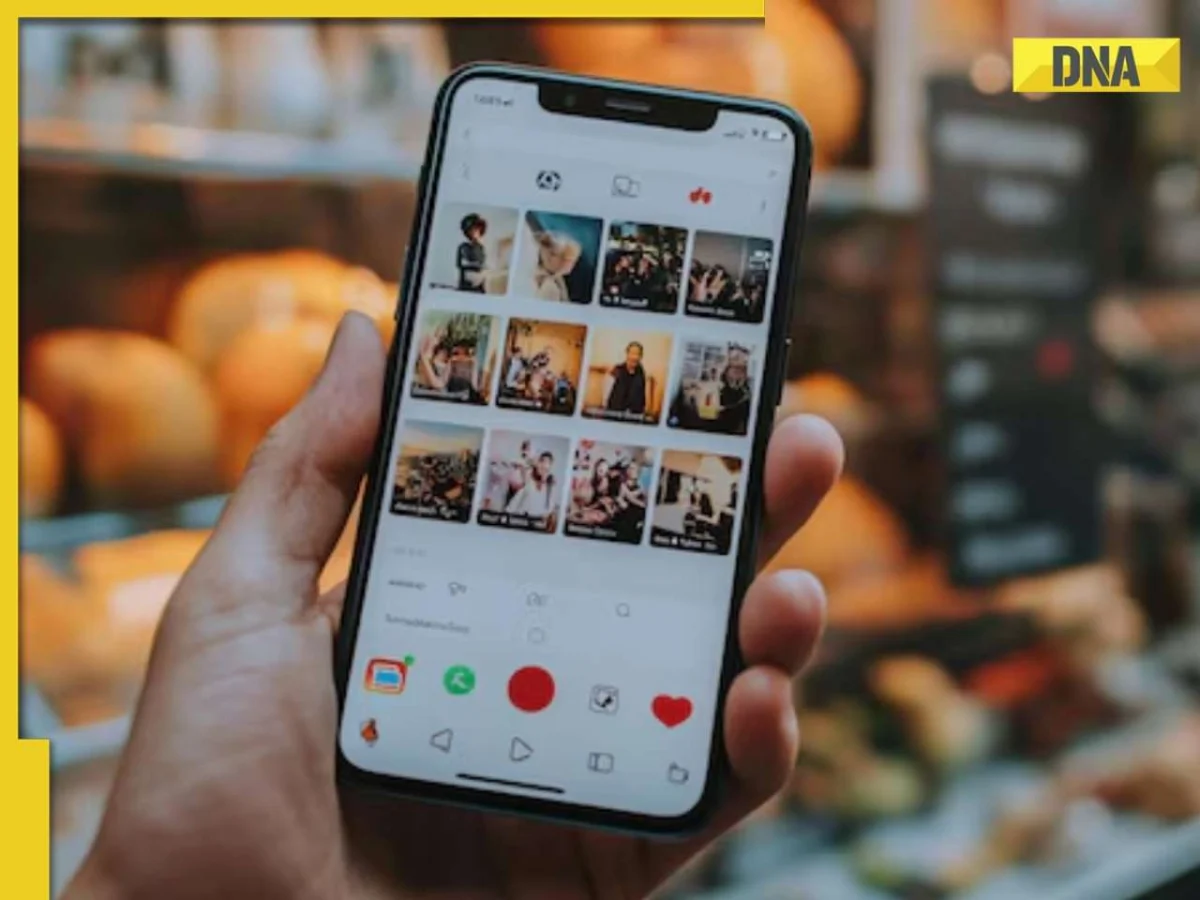
In an era saturated with choice, brands are no longer competing solely on price or product quality. Instead, a powerful undercurrent of aesthetics and visual appeal has emerged as a primary driver of consumer decision-making, influencing identity, emotion, and social validation.
Introduction: Beyond Utility – The Ascendancy of the Visual
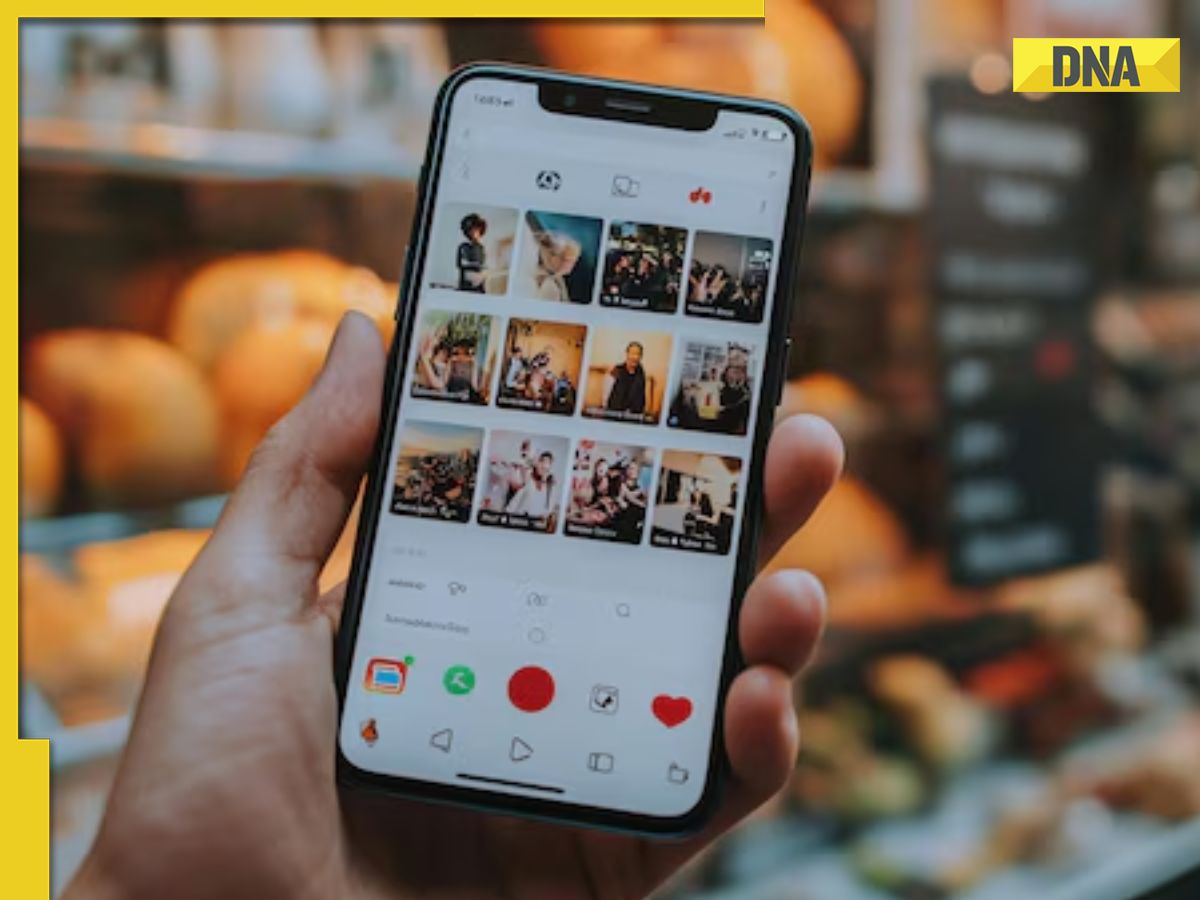
The human pursuit of beauty is as old as civilization itself. From the earliest cave paintings to the grandest architectural marvels, aesthetics has consistently captivated the human spirit, driving innovation and shaping our experiences. In the contemporary landscape of commerce, this age-old fascination has been amplified and weaponized by sophisticated marketing strategies. We have moved beyond an era where a product’s functional utility was its sole selling point. Today, consumers are increasingly drawn to brands that resonate with their personal identity, evoke specific emotions, and offer a sense of belonging within a social context. This paradigm shift, fueled by the digital revolution and the pervasive influence of social media, has transformed marketing into a deeply visual and emotionally charged arena.
Oscar Wilde, a proponent of the aesthetic movement, famously declared, "The art that is frankly decorative is the art to live with." This sentiment, once confined to the realm of fine arts, has now permeated the very fabric of consumerism. The modern marketplace is no longer a utilitarian exchange; it is a curated experience where visual appeal often serves as the initial, and sometimes most potent, persuasive argument. Brands that understand and leverage this aesthetic imperative are not just selling products; they are selling aspirations, identities, and a desirable way of life.
)
The Digital Crucible: Reshaping Consumer Behavior
The advent of digital technology has been a seismic force in reshaping the retail ecosystem and, consequently, consumer behavior. The transition from traditional brick-and-mortar establishments to the omnipresent digital marketplace has been swift and profound. The rise of artificial intelligence, the seamless integration of social media into commerce (social commerce), the ubiquity of mobile shopping, and the emerging potential of the metaverse have all contributed to a dynamic and ever-evolving retail landscape.

Within this intricate web of algorithms, data metrics, and hyper-personalized recommendations, a seemingly anachronistic element has experienced a remarkable resurgence: beauty. Aestheticism in marketing is no longer a fleeting trend; it has ascended to a central pillar, dictating how consumers perceive, engage with, and ultimately choose brands. This is a testament to the enduring power of visual language in communicating brand values and forging emotional connections.
The Consumer Redefined: Identity, Emotion, and Social Currency
)
The traditional calculus of consumer decision-making, once heavily weighted towards price and tangible quality, has been fundamentally altered. Modern consumers are no longer satisfied with merely acquiring goods or services. They seek products that act as extensions of their own identities, providing emotional gratification and conferring social validation. In a marketplace overflowing with an almost paralyzing array of choices, products are expected to serve as visual signifiers of personal lifestyles, aspirations, and values.
Generation Z, in particular, has been profoundly shaped by the visual narratives propagated across social media platforms. Platforms like Instagram and TikTok have become potent architects of consumer psychology, transforming everyday products into potent social symbols. The choice of a coffee shop is often dictated by its curated ambiance, skincare products are selected for their "shelf appeal," and technology gadgets are prized for their sleek design and seamless integration into a desired lifestyle. This phenomenon highlights a critical shift: consumption has become an act of self-expression and social signaling.
)
The Genesis of Aesthetic Marketing: A Historical Perspective
The concept of aestheticism, valuing beauty for its own sake, has roots that stretch back to the 19th century. Philosophers and artists of the era championed the idea that beauty possesses intrinsic value, independent of its practical utility. This philosophy has now found fertile ground in contemporary branding, extending its influence across product packaging, retail environments, and digital interfaces.
)
In today’s market, visual appeal transcends mere superficiality; it is frequently the initial and most compelling communication a brand makes. Companies are increasingly investing in designing products and crafting experiences that are not only functional but also aesthetically pleasing. The recognition that appearance significantly influences perception and desirability has led to a deliberate cultivation of "aesthetic" qualities in virtually every touchpoint of the consumer journey. This strategic deployment of beauty is a deliberate attempt to capture attention, foster emotional resonance, and ultimately, drive preference.
Global Leaders in Aesthetic Dominance
)
The embrace of aesthetics-driven marketing is not confined to niche markets; it is a strategy successfully implemented by a diverse range of global and national brands. Apple, for instance, masterfully transformed minimalism into a powerful and instantly recognizable brand identity, associating its products with sophistication and user-friendliness. Glossier, a digital-native beauty brand, cultivated a distinct pastel-toned aesthetic that resonated deeply with its target demographic, creating an aspirational and approachable brand world. Airbnb, through its emphasis on visually attractive and "Instagrammable" spaces, has effectively leveraged user-generated content to showcase its offerings and attract a discerning clientele.
Within India, brands like Forest Essentials and Qua have adeptly blended traditional Indian aesthetics with aspirational lifestyle experiences, creating a sense of heritage and luxury. Re-Ceremonial has also carved a niche by offering curated experiences that are visually rich and steeped in cultural narratives. Direct-to-consumer (D2C) brands such as boAt and The Souled Store employ visually dynamic branding and engaging content to forge strong connections with younger, digitally-savvy consumers. The hospitality and food industries have also witnessed a significant surge in aesthetic-driven strategies. Cafés, boutique hotels, and lifestyle restaurants now heavily rely on ambiance and "photo-worthiness" to attract patrons, effectively transforming customers into enthusiastic brand ambassadors through their social media sharing.
)
Fashion, Identity, and the Cultivation of Cultural Capital
The fashion industry serves as a potent microcosm of the escalating importance of aesthetics. Brands like Sabyasachi, for example, have transcended mere apparel production by expertly merging traditional craftsmanship with cinematic storytelling. This approach transforms aesthetic design into a form of cultural capital, imbuing their creations with a sense of heritage, artistry, and aspirational allure. Weddings, too, have undergone a significant aesthetic transformation, with a growing emphasis on creating visually stunning and "digitally shareable" experiences. The décor, the attire, and the overall visual coherence of such events carry substantial social significance in the contemporary attention economy, where visibility itself has become a valuable commodity. Products are increasingly expected to align with curated lifestyles and to subtly communicate notions of aspiration, social standing, and belonging.
)
The Ethical Undercurrents: Navigating the Nuances of Aestheticism
While the rise of aesthetic marketing has undeniably revolutionized brand engagement, it also introduces a complex set of ethical considerations. A prominent concern revolves around the potential for beauty to overshadow substance. Is it possible that an overwhelming emphasis on visual appeal can subtly manipulate consumers into prioritizing superficial attractiveness over genuine quality or ethical production practices? Many industries are increasingly blurring the lines between authentic value and manufactured desirability, leading to questions about transparency and genuine consumer benefit.
)
Furthermore, there is a growing apprehension that narrowly defined standards of beauty can inadvertently marginalize individuals from diverse backgrounds. Prevalent aesthetic ideals, often influenced by mainstream media and social media trends, can inadvertently exclude people based on their ethnicity, body type, economic status, or cultural background. Brands therefore face the significant challenge of ensuring that their aesthetic strategies are not only visually appealing but also inclusive and representative. The aspiration should be to broaden the definition of beauty, ensuring it is not synonymous with exclusivity but rather embraces a more multifaceted and authentic representation of humanity.
Conclusion: The Enduring Power of Beauty in Commerce
)
The pervasive influence of aesthetics in modern marketing is far more than a superficial trend; it reflects a fundamental human yearning for meaningful, emotionally resonant, and aesthetically pleasing experiences. In our hyper-digital world, where consumers are constantly bombarded with choices, beauty serves as a powerful heuristic, simplifying decision-making processes through emotional connection. It transforms the mundane act of consumption into a memorable and engaging experience.
Today, beauty in marketing is no longer a mere decorative flourish; it has evolved into a strategic imperative, a cultural statement, a performative act, and a profoundly economic force. Brands that master the art of aesthetic persuasion are not only capturing attention but also forging deeper, more enduring relationships with their consumers, shaping desires and defining aspirations in the process. The aesthetic revolution is here to stay, and its impact on how we perceive, choose, and connect with brands will continue to shape the future of commerce.
