

Introduction
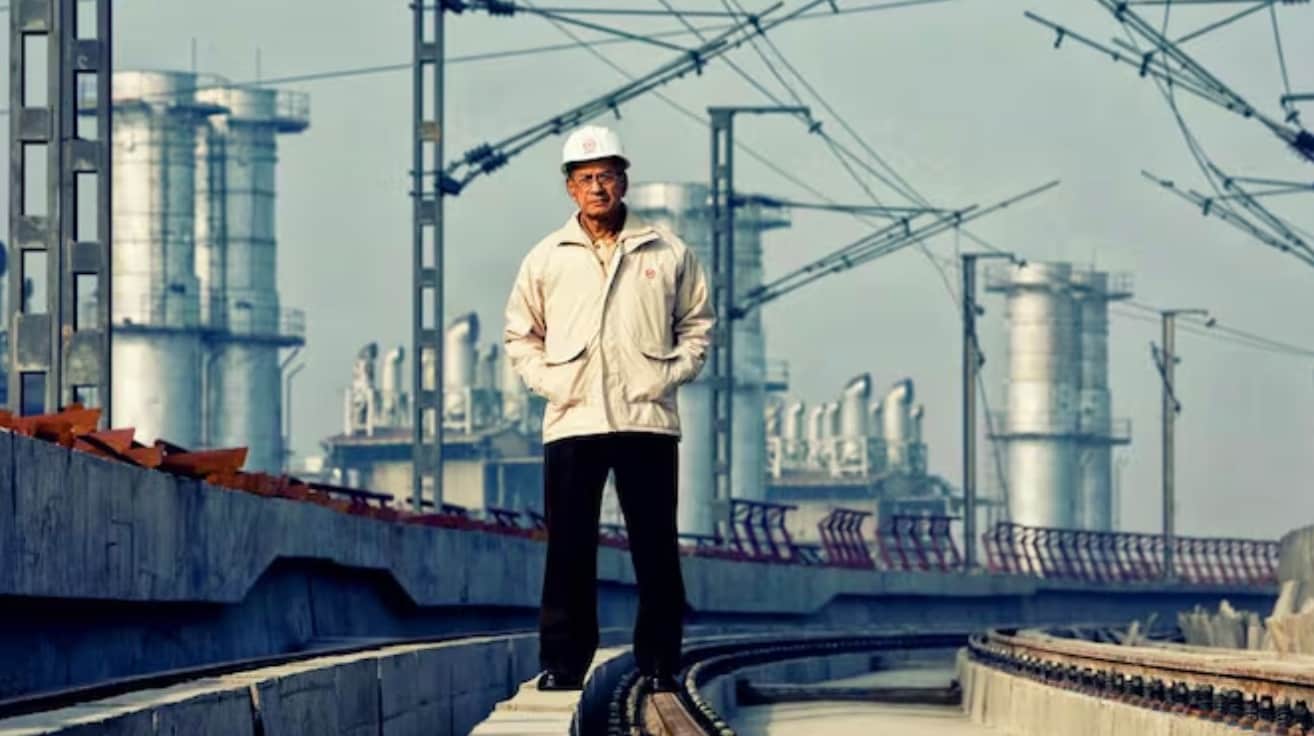
In the annals of India’s post-independence development, few figures loom as large in the realm of civil engineering and public administration as Elattuvalapil Sreedharan. Known globally as the "Metro Man of India," Sreedharan’s career is a masterclass in project management, technical brilliance, and unyielding integrity. At a time when Indian infrastructure projects were often synonymous with bureaucratic delays, cost overruns, and quality compromises, Sreedharan introduced a culture of punctuality, transparency, and world-class standards. From the restoration of the Pamban Bridge to the sprawling network of the Delhi Metro, his contributions have fundamentally altered the socio-economic fabric of Indian urban life.
Main Facts: The Pillars of a Remarkable Career
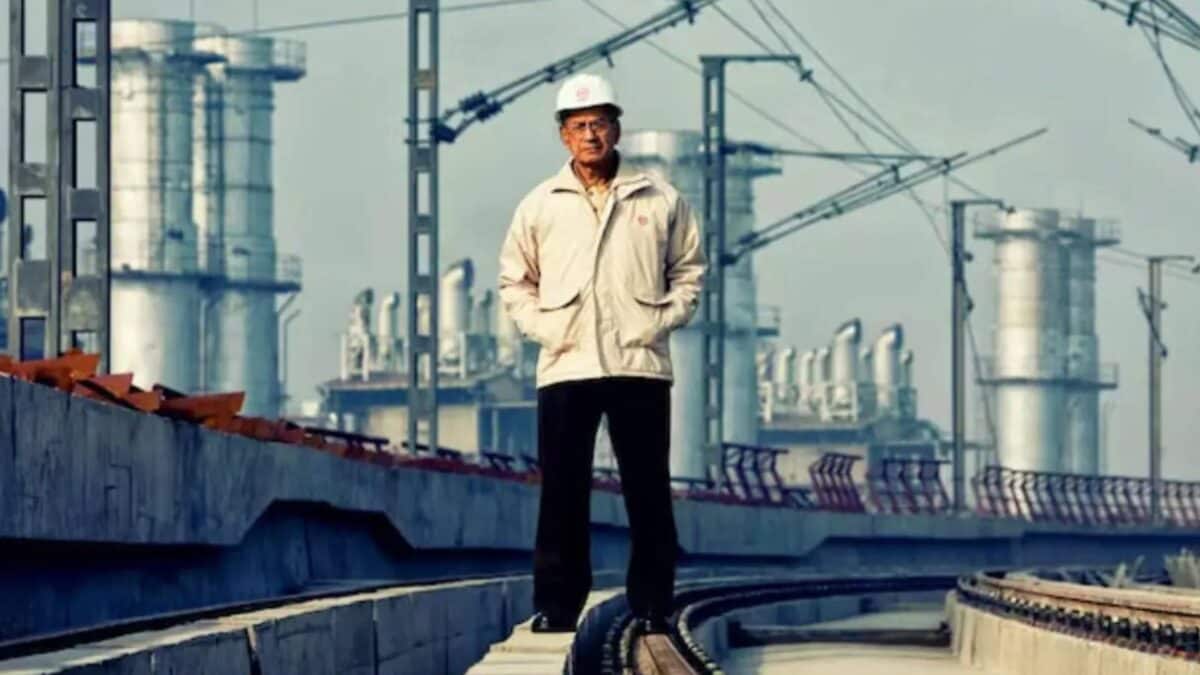
E. Sreedharan’s legacy is built upon several landmark projects that were once deemed impossible by his contemporaries. His approach to engineering was never merely about steel and concrete; it was about solving human problems through structural efficiency.
Key Achievements at a Glance:
- The Pamban Bridge Restoration (1964): Rebuilding a cyclone-shattered bridge in record time.
- The Konkan Railway: Constructing a 760-km rail line through some of the most difficult terrains in the world.
- The Delhi Metro Rail Corporation (DMRC): Establishing a world-class rapid transit system that serves as a global benchmark for efficiency.
- National Advisory Roles: Mentoring metro projects in Kochi, Lucknow, Jaipur, and Coimbatore.
- Institutional Reform: Implementing a "no-interference" policy with the government to ensure project autonomy.
Sreedharan’s work ethic was famously influenced by the Bhagavad Gita, focusing on "Karmayoga" or selfless action. This philosophical foundation allowed him to maintain a reputation for absolute incorruptibility throughout a career spanning over six decades.
Chronology of a Legend: From Pamban to the National Capital
1964: The Miracle at Pamban
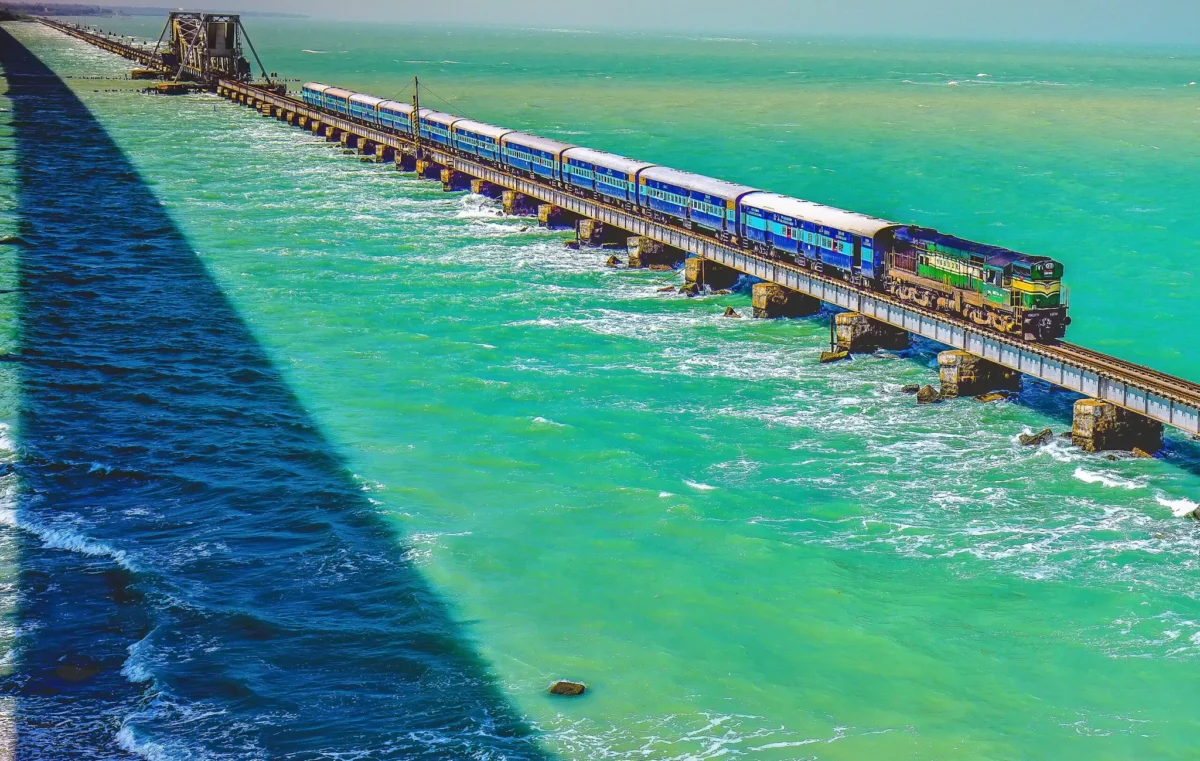
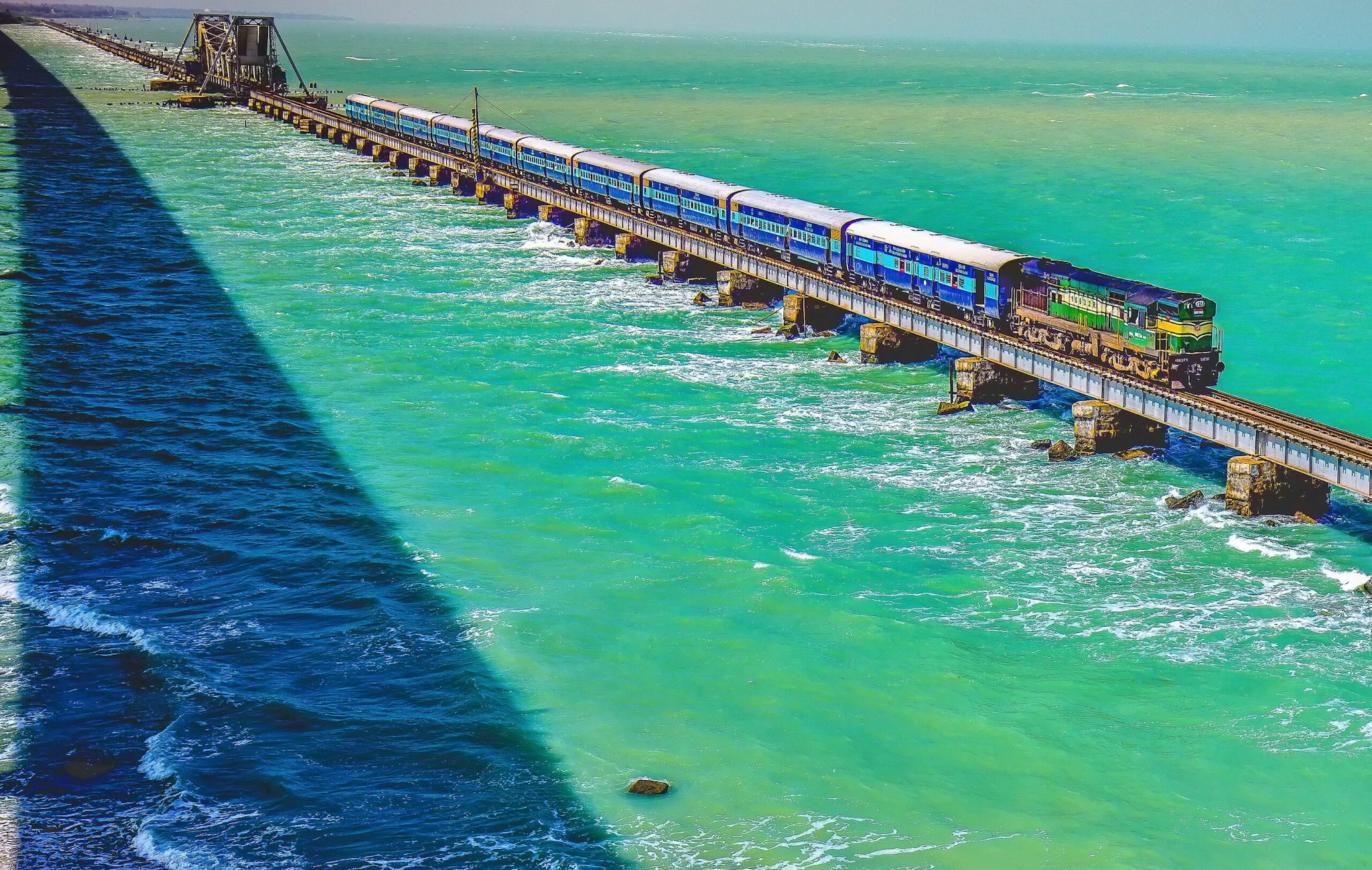
Sreedharan’s first major brush with national fame occurred early in his career. In December 1964, a massive cyclone washed away parts of the Pamban Bridge, which connects mainland India to Rameswaram Island. The Indian Railways set a six-month deadline for its restoration. Sreedharan, then a young executive engineer, was given the task. Remarkably, he completed the project in just 46 days. This feat didn’t just restore a bridge; it established Sreedharan as a man who could beat the clock against all odds.
1970–1981: India’s First Metro in Kolkata
Sreedharan was Deputy Chief Engineer for the implementation of the Kolkata Metro, India’s first foray into underground transit. Working in the soft, alluvial soil of Kolkata presented unprecedented engineering challenges. Despite the political and geological hurdles, Sreedharan’s involvement was crucial in laying the groundwork for what would eventually become the blueprint for urban rail in India.
1990–1998: The Konkan Railway Odyssey
Perhaps his most daunting engineering challenge was the Konkan Railway. Connecting Maharashtra, Goa, and Karnataka, the project required traversing the Western Ghats—a region of dense jungles, treacherous hills, and soft clay.
- Scale: 760 km of track.
- Complexity: 91 tunnels and over 2,000 bridges.
- Innovation: Sreedharan utilized the "Build-Operate-Transfer" (BOT) model, a first for a major Indian railway project, and introduced advanced tunneling technology from Europe.
The project was completed without a single day of strike from the workforce, a testament to his management style.
1995–2012: The Delhi Metro Era
In 1995, at an age when most professionals retire, Sreedharan took the reigns of the Delhi Metro Rail Corporation (DMRC) as its founding Managing Director. He demanded—and received—total autonomy from political interference. Under his watch, Phase I and Phase II of the Delhi Metro were completed either on or ahead of schedule and within budget. This was a revolutionary achievement in the context of Indian public sector projects.
Supporting Data: The "Sreedharan Model" of Efficiency
The success of Sreedharan’s projects can be quantified through data that highlights the stark contrast between his methods and traditional governmental processes.
Delhi Metro’s Operational Excellence
During Sreedharan’s tenure, the Delhi Metro maintained a punctuality rate of over 99%.
- Environmental Impact: The Delhi Metro became the first railway system in the world to be awarded carbon credits by the United Nations for reducing greenhouse gas emissions. It currently offsets millions of tonnes of CO2 annually by taking cars off the road.
- Economic Viability: Unlike many global metro systems that bleed money, the DMRC under Sreedharan focused on "operational profits" from the very beginning, leveraging property development and advertisements to supplement farebox revenue.
The Konkan Railway Statistics
The Konkan Railway remains one of the largest infrastructure projects in South Asia.
- Bridges: Includes the Panvalnadi Viaduct, which was once the highest bridge in Asia.
- Tunnels: Includes the Karbude Tunnel, stretching 6.5 km, a marvel of 1990s engineering.
- Socio-Economic Growth: The railway reduced travel time between Mumbai and Mangalore by over 26 hours, fundamentally transforming the economy of India’s west coast.
Management Tools
Sreedharan popularized the use of "Reverse Clocks" at project sites. These clocks did not show the time of day; instead, they counted down the days remaining until the project deadline. This psychological tool instilled a sense of urgency and accountability in every worker and engineer on site.
Official Responses and Global Recognition
The impact of E. Sreedharan’s work has been acknowledged by multiple administrations, transcending political lines.
National Honors
The Government of India has conferred upon him two of its highest civilian honors:
- Padma Shri (2001): Recognizing his early contributions and the start of the Delhi Metro.
- Padma Vibhushan (2008): India’s second-highest civilian award, recognizing his "exceptional and distinguished service" to the nation.
International Acclaim
Sreedharan’s reputation extends far beyond Indian borders.
- France: In 2005, the French government invested him with the Chevalier de la Légion d’honneur (Knight of the Legion of Honour).
- Japan: The Japan International Cooperation Agency (JICA), which funded much of the Delhi Metro, frequently cites Sreedharan’s management of the DMRC as the "gold standard" for international infrastructure cooperation.
- Time Magazine: Named him one of "Asia’s Heroes" in 2003, noting his ability to navigate the "treacherous waters of Indian bureaucracy."
Expert Opinions
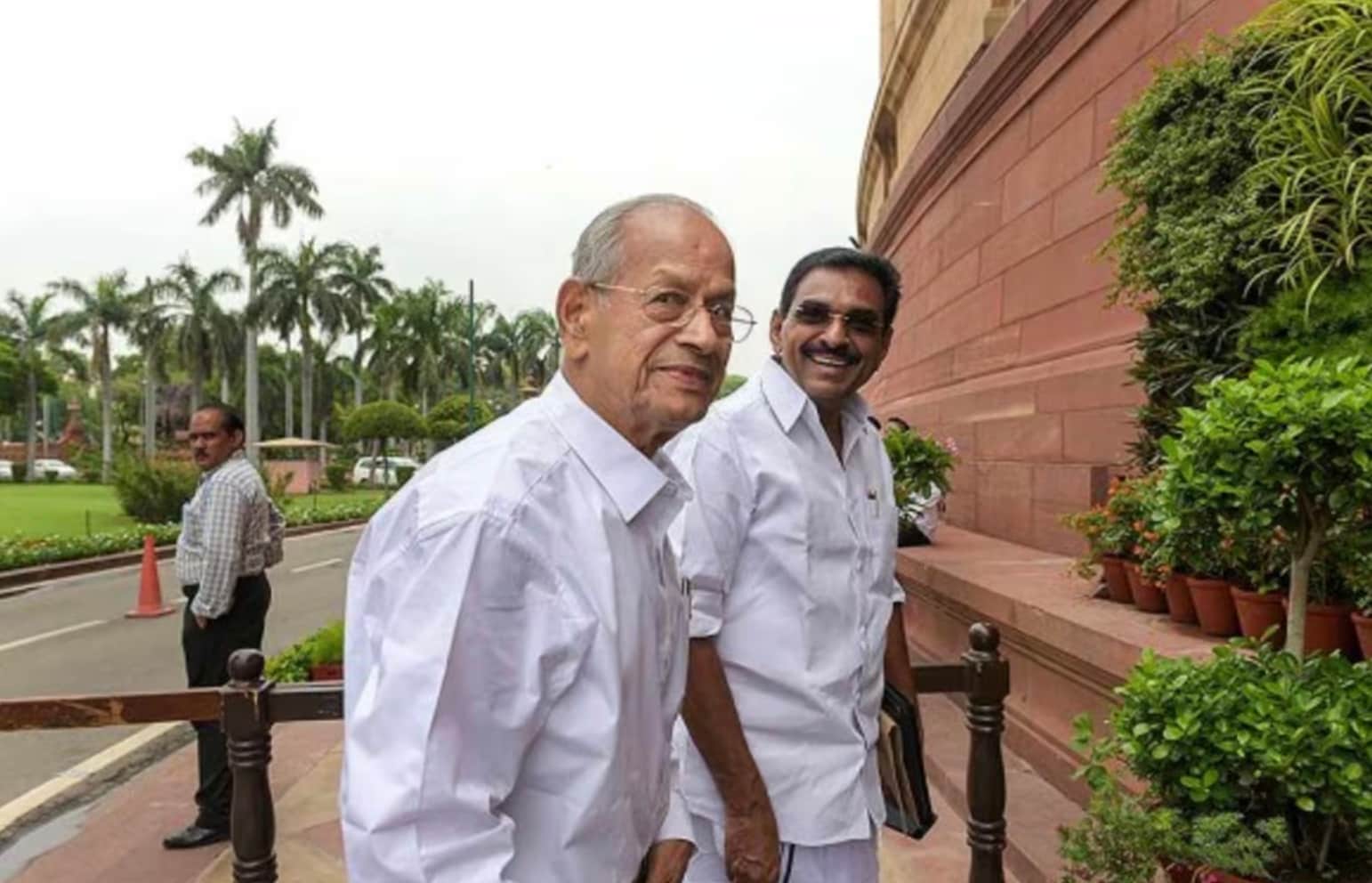
Dr. Manmohan Singh, former Prime Minister of India, once remarked that the country needed "more Sreedharans" to achieve its developmental goals. Similarly, late Prime Minister Atal Bihari Vajpayee credited Sreedharan with giving India a "new face of modernity" through the Delhi Metro.
Implications: The Future of Indian Infrastructure
The "Sreedharan Model" has left a lasting imprint on how India approaches large-scale engineering. His departure from the DMRC in 2012 did not end his influence; rather, it marked the beginning of a "Metro Revolution."
The Proliferation of Metro Systems
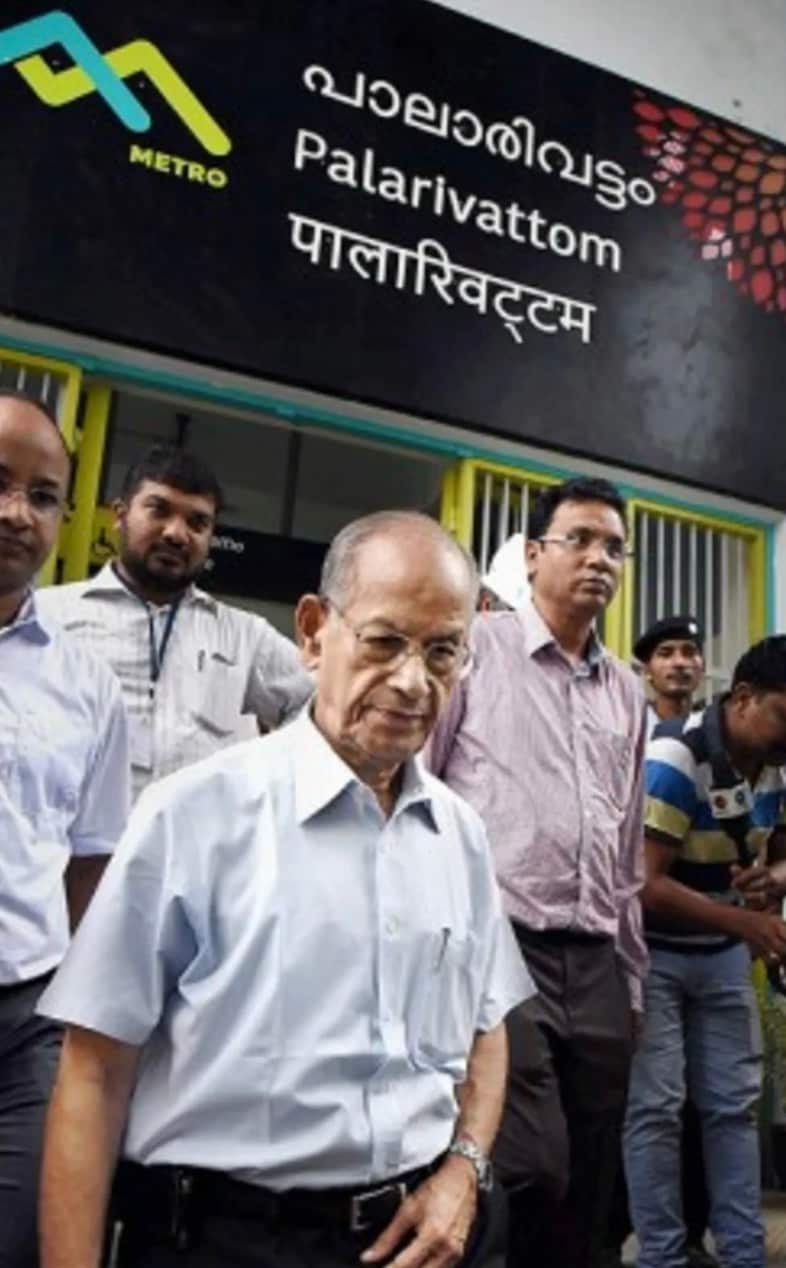
Today, over 15 Indian cities have operational metro systems, and dozens more are in the planning stages. Almost every one of these projects—from Lucknow to Bangalore—has sought Sreedharan’s counsel. He has advocated for a "Standardization of Metro Assets," suggesting that India should manufacture its own coaches and signaling systems to reduce costs and reliance on foreign technology.
Changing the Public Sector Culture
Sreedharan proved that a Public Sector Undertaking (PSU) could be as efficient, if not more so, than a private corporation. By prioritizing meritocracy over seniority and enforcing a strict code of ethics, he showed that Indian engineers could compete with the best in the world.
Lessons for Future Engineers
Sreedharan’s life serves as a curriculum for future generations. His emphasis on:
- Technical Integrity: Never compromising on the quality of materials.
- Financial Discipline: Treating public money with the same care as personal savings.
- Social Responsibility: Ensuring that infrastructure serves the poorest citizen as much as the wealthiest.
Conclusion
E. Sreedharan’s journey from a small village in Kerala to becoming the "Metro Man" is a narrative of personal discipline and national pride. He did more than just build railways; he built a sense of confidence in the Indian people. He proved that "Indian time" doesn’t have to mean "late," and that "Indian quality" can indeed be world-class. As India continues its journey toward becoming a global economic superpower, the tracks laid by E. Sreedharan will remain the foundation upon which its urban future is built. His legacy is not just in the tunnels and bridges that bear his mark, but in the millions of hours saved every day by commuters who can now rely on a system that works.
