

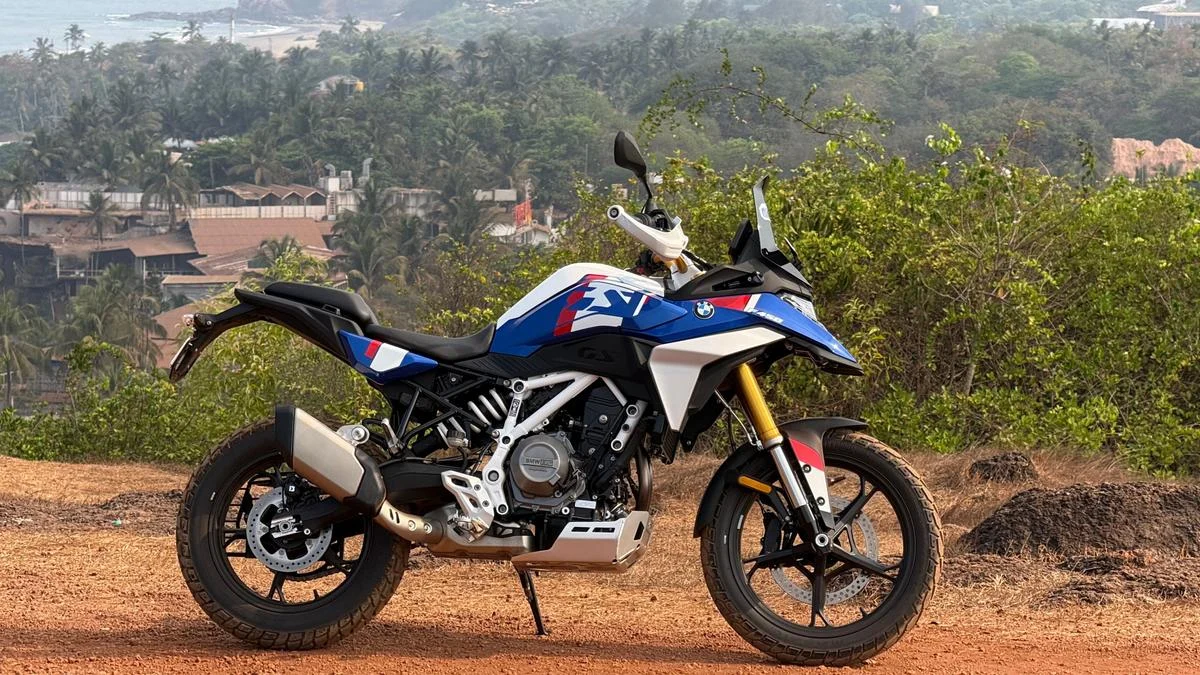
The Indian motorcycling landscape has undergone a seismic shift over the last decade. What was once a market obsessed with fuel-efficient commuters and chrome-laden cruisers has evolved into a sophisticated arena where adventure tourers (ADVs) reign supreme. Riders are no longer content with machines that only perform on tarmac; they demand "do-it-all" motorcycles capable of navigating the chaotic urban sprawl of Mumbai or Bangalore during the week and conquering the high-altitude passes of Ladakh or the sandy trails of Goa on the weekend.
Enter the BMW F 450 GS. Recently put through its paces in the rugged terrains of Vagator, Goa, this machine represents BMW Motorrad’s strategic masterstroke to capture the highly competitive mid-capacity ADV segment. It is not merely a downsized version of its larger siblings, the R 1300 GS or the F 850 GS; rather, it is a ground-up realization of what a modern, accessible, yet premium adventure motorcycle should be.
Main Facts: The Engineering Blueprint
The BMW F 450 GS is positioned as a bridge between the entry-level G 310 GS and the heavyweight F 900 GS. It seeks to offer the "GS" prestige without the intimidating mass or the prohibitive price tag of the liter-class machines.
Technical Specifications at a Glance:
- Engine: 420 cc parallel-twin, liquid-cooled.
- Performance: 48 hp of peak power and 43 Nm of maximum torque.
- Crankshaft Configuration: 135° offset for reduced vibration and a distinctive exhaust note.
- Seat Height: 845 mm (Standard).
- Technology: 6.5-inch TFT display, Easy Ride Clutch (ERC), Shift Assistant Pro, and multiple riding modes including Enduro Pro.
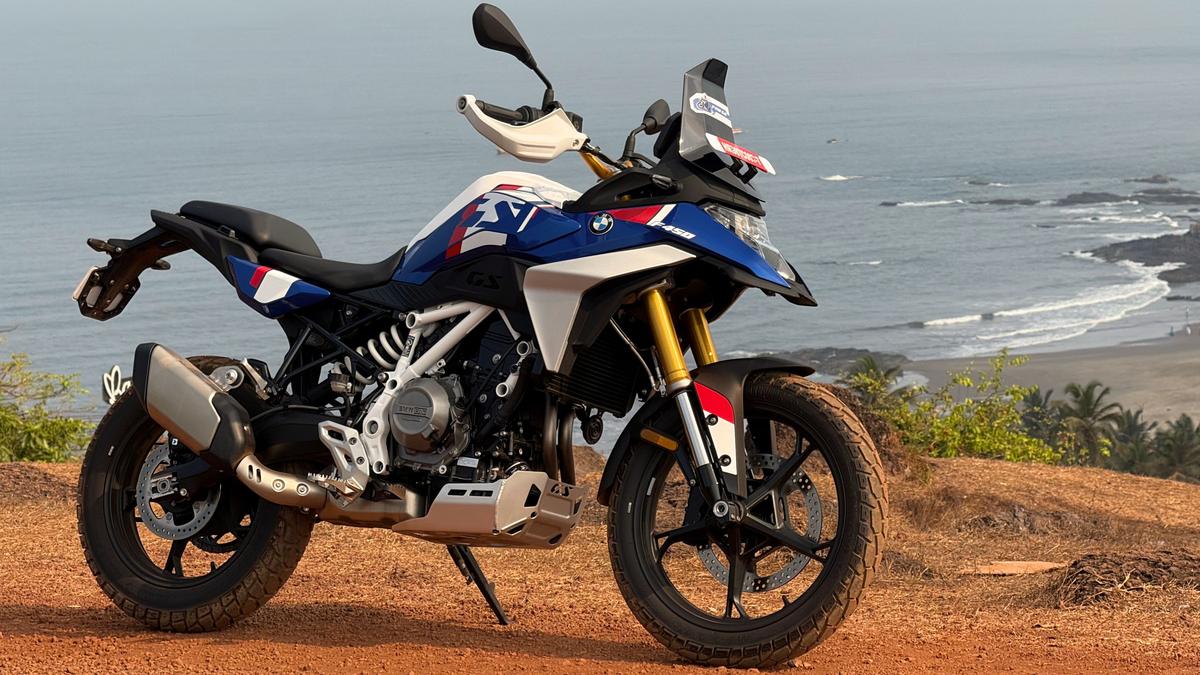
- Chassis: Upside-down (USD) front forks and a rear monoshock with progressive damping.
- Pricing: Starting at ₹4,70,000 (Ex-showroom).
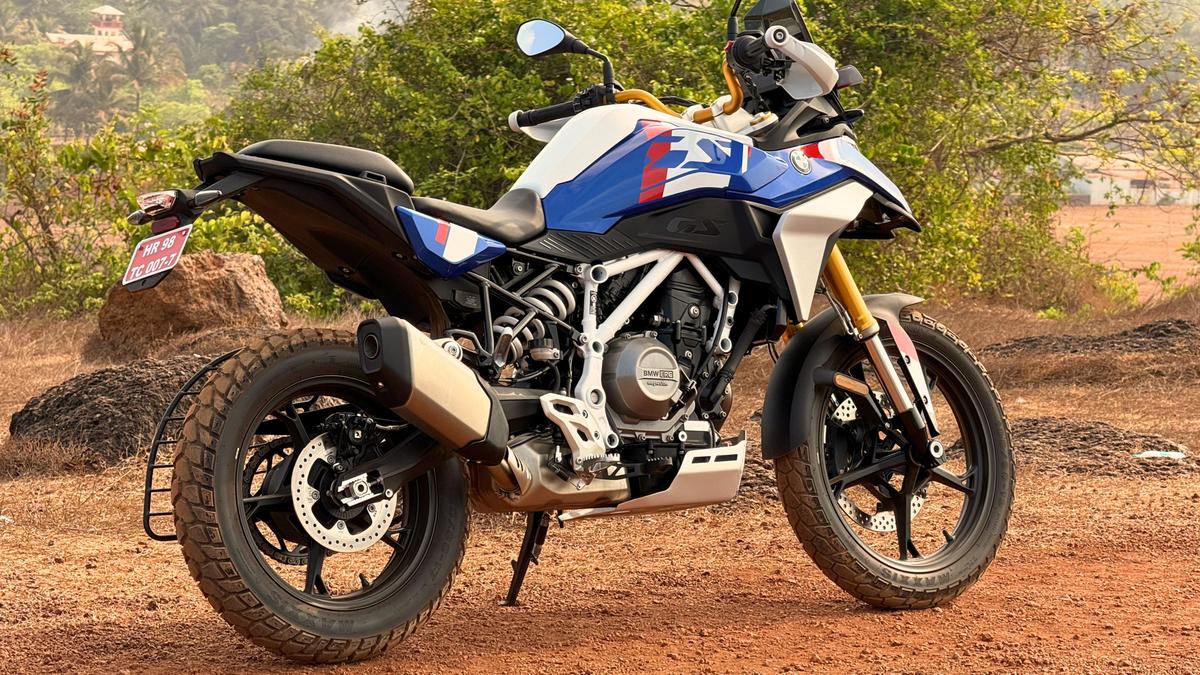
The motorcycle’s design is unmistakably BMW. It retains the quintessential "beak" front fender, an aggressive yet functional stance, and a compact frame that hides its capabilities behind a sleek, unintimidating silhouette. For the Indian rider, this balance is crucial; the bike looks substantial enough to command respect on the road but remains manageable enough for technical off-road maneuvers.
Chronology: From Concept to the Goan Trails
The journey of the F 450 GS in India is a testament to BMW’s commitment to the "Make in India, for the World" philosophy, even as it maintains its German engineering standards.
- The Conceptual Phase: Recognizing the gap between the 313cc single-cylinder 310 GS and the more expensive twins, BMW Motorrad envisioned a parallel-twin that could meet the A2 license requirements in Europe while serving as a premium flagship for developing markets like India.
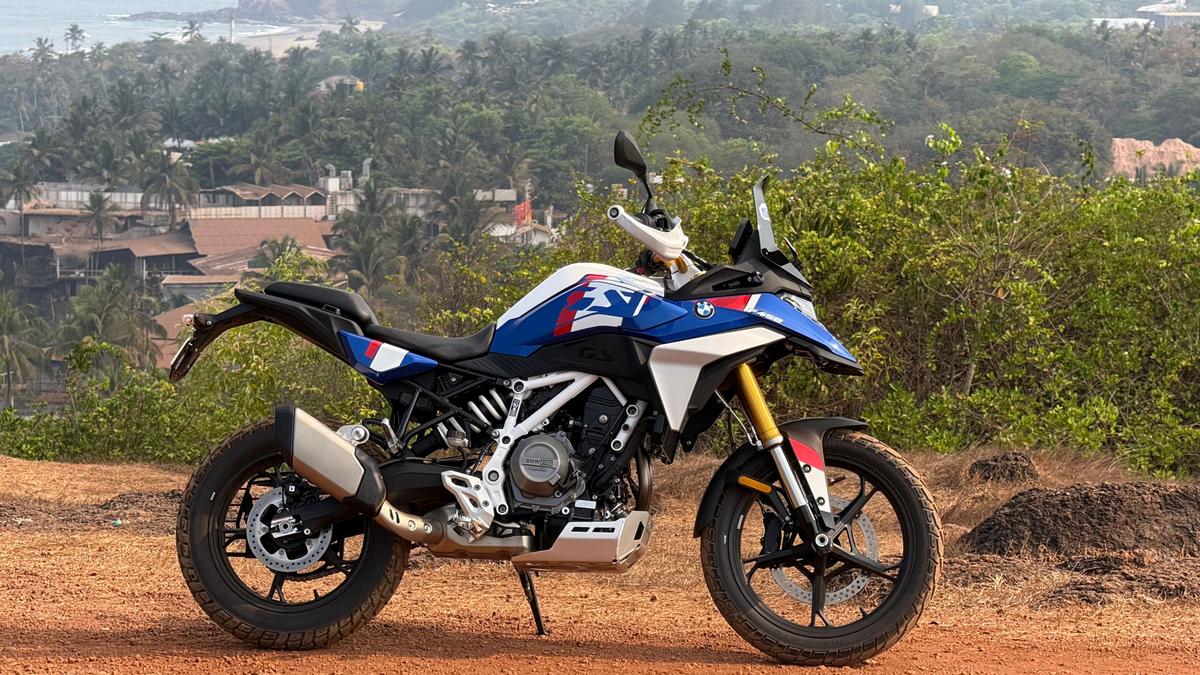
- The Unveiling and Testing: After significant anticipation, the bike was introduced to the Indian media in Goa. The choice of location was deliberate. Goa offers a mix of smooth coastal highways, congested town centers, and the challenging elevation of the Vagator hilltop—a perfect trifecta to test a multi-purpose ADV.
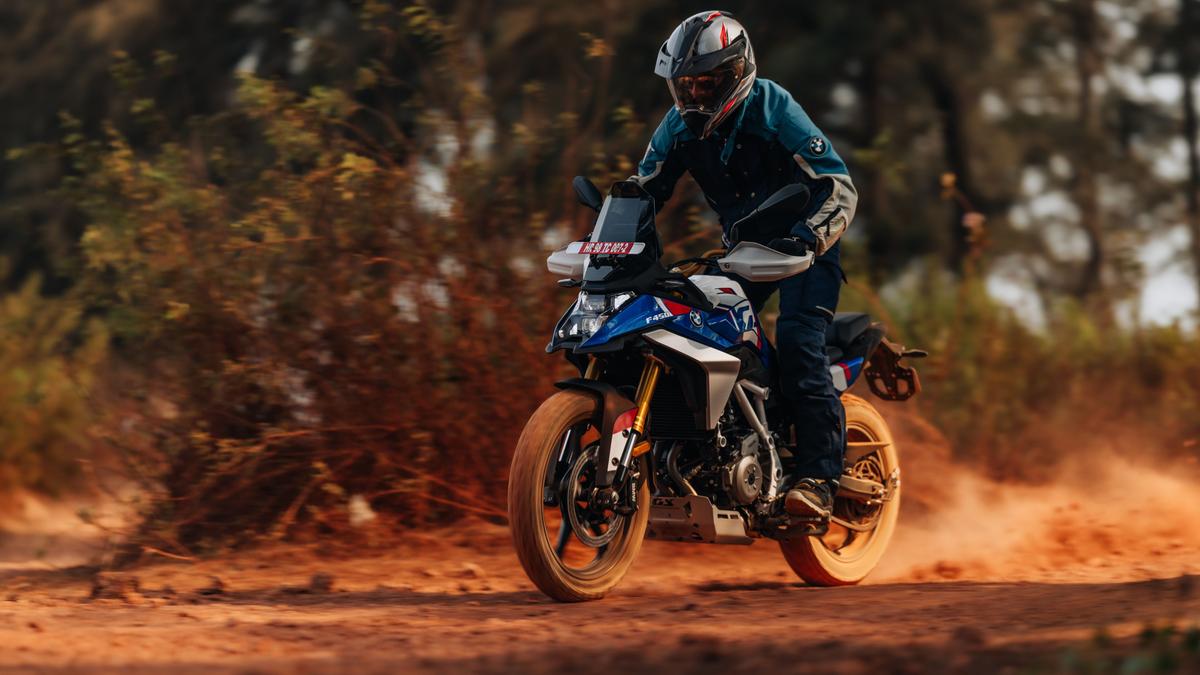
- The Vagator Hilltop Experience: The real test of the GS badge happens when the asphalt ends. During the off-road sessions, the F 450 GS demonstrated its "Enduro Pro" capabilities. Journalists and testers noted that the bike transitioned from a civil commuter to a rugged trail-buster with the simple press of a button, loosening the electronic shackles of the ABS and traction control to allow for controlled slides and climbs.
Supporting Data: Performance and Ergonomics
To understand why the F 450 GS stands out, one must look at the synergy between its mechanical components and its electronic suite.
The Powerplant
The 420 cc parallel-twin is the heart of the machine. While 48 hp might seem modest on paper compared to some street bikes, the delivery is what matters. The 43 Nm of torque is concentrated in the low-to-mid rev range. This ensures that when you are navigating a rocky incline or overtaking a truck on a single-lane highway, the power is "on-tap" without the need for frantic downshifting.
The 135° crankshaft is a highlight. Unlike traditional 180° or 360° twins, this configuration mimics the firing order and character of a V-twin to an extent, providing a "burly" feel while utilizing a counter-balancer to ensure the handlebars and footpegs remain vibration-free even at speeds exceeding 110 km/h.
The "Easy Ride Clutch" (ERC) Innovation
Perhaps the most discussed technical feature is the Easy Ride Clutch (ERC). In a market where stop-and-go traffic is a daily reality, BMW has introduced a system that allows the rider to come to a complete halt and pull away without touching the clutch lever. When paired with the Shift Assistant Pro (a bi-directional quickshifter), the left hand is largely relieved of its duties during the commute.
Data from the test rides suggests that while the ERC requires a brief "re-learning" of throttle modulation, it significantly reduces rider fatigue. For novices, it eliminates the fear of stalling the engine in traffic; for experts, it allows for more focus on line selection during technical off-roading.
Fuel Efficiency and Range
In the Indian context, "Kitna Deti Hai?" (How much does it give?) remains a relevant question. The F 450 GS returns a respectable 26–27 km/l. With a fuel tank designed for long-distance touring, this gives the bike a theoretical range of nearly 350–400 km, making it a viable companion for trans-continental journeys.
Official Responses and Market Strategy
BMW Motorrad India has been vocal about its desire to democratize the "GS" lifestyle. By pricing the base variant at ₹4,70,000, they are positioning the F 450 GS as a premium alternative to the KTM 390 Adventure and the Royal Enfield Himalayan 450.
While the price is higher than its rivals, BMW officials emphasize the "Total Cost of Ownership" and the value of the technology package. The inclusion of a 6.5-inch TFT display with turn-by-turn navigation, sophisticated lean-sensitive electronics, and the prestige of the BMW badge are cited as the primary value drivers.
Furthermore, the introduction of three distinct variants—Base, Exclusive, and GS Trophy—allows the brand to cater to different personas. The GS Trophy variant, priced at ₹5,30,000, comes with specialized liveries and off-road focused accessories, targeting the hardcore enthusiast who plans to spend 70% of their time off the pavement.
Implications: A Paradigm Shift for the Mid-Size Segment
The arrival of the BMW F 450 GS has several far-reaching implications for the Indian motorcycle industry:
1. The Rise of the "Premium Middleweight"
For years, the Indian market was bifurcated: affordable small-capacity bikes and expensive imports. The F 450 GS solidifies the "middleweight" category as the new battleground. It proves that Indian consumers are willing to pay a premium for refinement, safety tech, and brand heritage, provided the product can handle local conditions.
2. Pressure on Competitors
The F 450 GS sets a high bar for electronic aids. Competitors like KTM and Royal Enfield will likely feel the pressure to upgrade their hardware (such as suspension adjustability and clutch tech) to keep pace with BMW’s "Easy Ride" innovations.
3. Accessibility vs. Capability
The 845 mm seat height remains a talking point. While BMW offers low-seat options, the standard height might be a deterrent for the average Indian height. However, the bike’s narrow "waist" allows riders to reach the ground more easily than the numbers suggest. This focus on ergonomics over raw specs is a hallmark of BMW’s design philosophy.
4. Thermal Management Success
One of the biggest hurdles for multi-cylinder bikes in India is heat. The Goa test ride confirmed that BMW has mastered the cooling circuit for this 420cc twin. Even in humid, high-temperature conditions, the engine heat was directed away from the rider’s legs—a crucial factor for a bike intended for daily use in tropical climates.
Conclusion: Is the F 450 GS the Ultimate All-Rounder?
The BMW F 450 GS is a machine of contradictions that somehow work in harmony. It is sophisticated yet simple to ride; it is premium yet rugged; it is compact yet possesses a "big bike" soul.
For the novice, it provides a safety net of electronics and an approachable power curve that builds confidence. For the veteran, it offers a refined, vibration-free touring experience and a chassis that doesn’t protest when pushed hard on dirt.
While the price tag places it in the upper echelons of the mid-capacity segment, the F 450 GS justifies its cost through sheer engineering depth. It isn’t just a motorcycle; it is a gateway to the global GS community. As BMW Motorrad continues to expand its footprint in India, the F 450 GS stands as a beacon of what is possible when German precision meets the demands of the Indian road.
This report was compiled in association with Motorscribes and The Hindu. For more updates on the latest automotive launches, follow @motorscribes on Instagram.
