

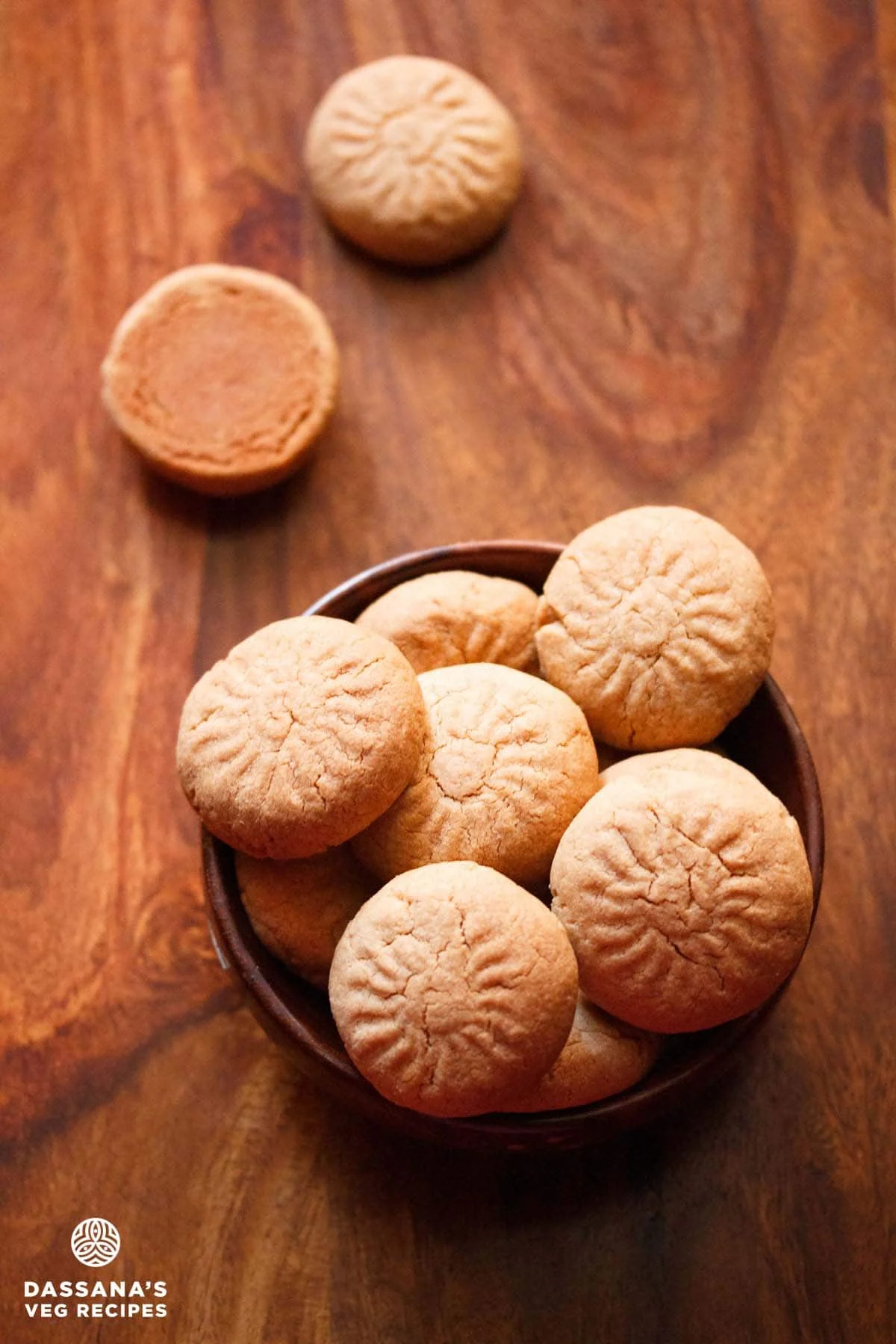
In the sprawling culinary landscape of the Indian subcontinent, few rituals are as sacred as the afternoon tea. Central to this daily ceremony is the "biscuit"—a term that, in the Indian context, bridges the gap between a British shortbread and a rustic cookie. Traditionally dominated by refined flour (maida) and mass-produced commercial varieties, a significant shift is occurring in home kitchens across the globe. The "Wheat Biscuit," or "Atta Biscuit," has emerged as the protagonist of a movement prioritizing whole grains, aromatic spices, and artisanal techniques.
This comprehensive exploration delves into the anatomy of the perfect whole wheat cookie, examining the cultural significance, the intricate chemistry of its preparation, and the nutritional implications of choosing stone-ground flour over refined alternatives.
I. Main Facts: The Anatomy of a Modern Classic
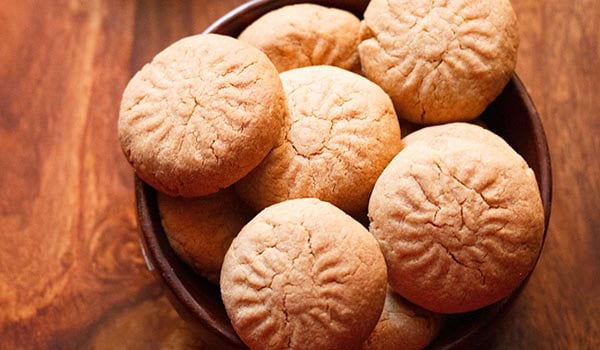
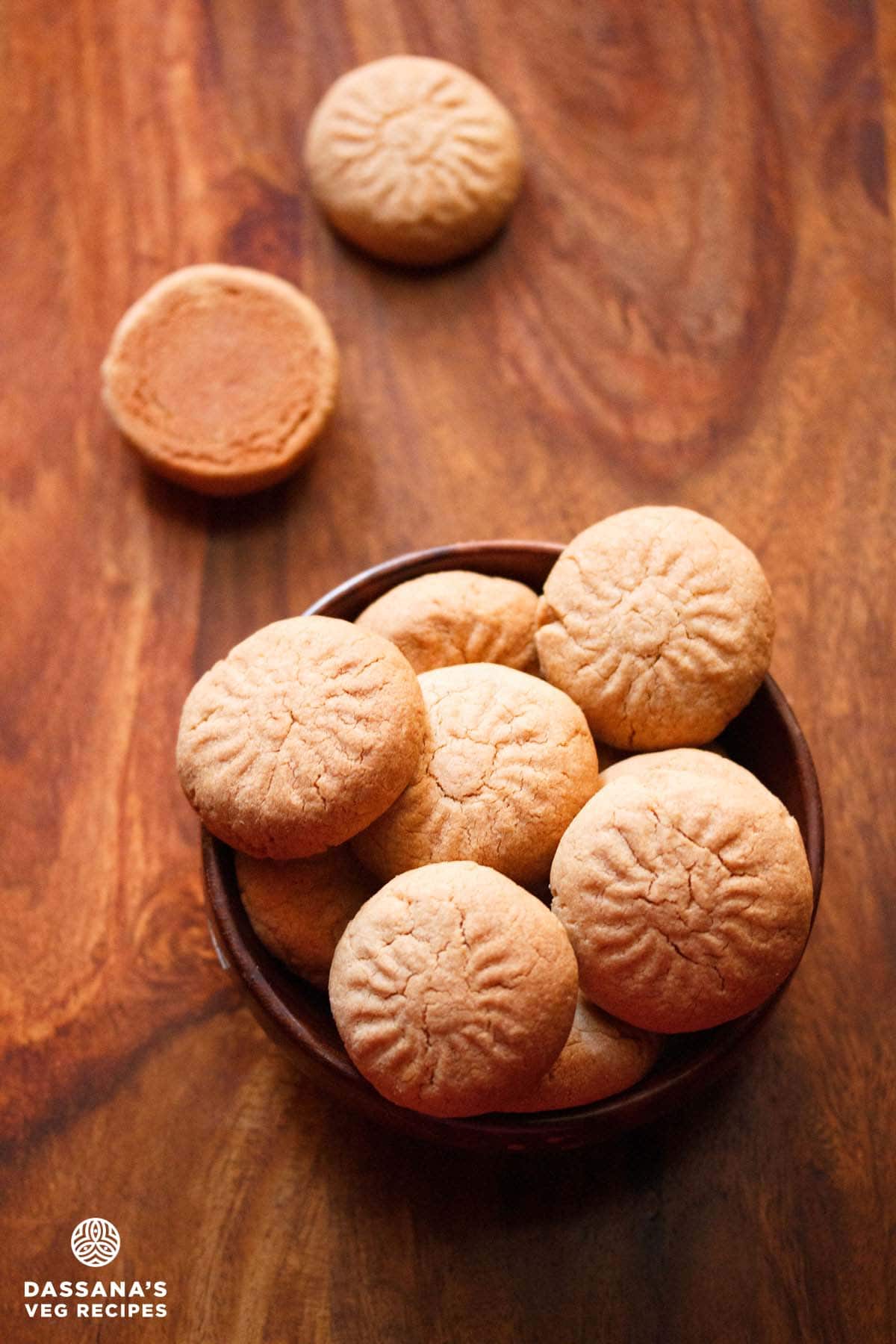
The Atta Biscuit is a crisp, buttery, Indian-style cookie that distinguishes itself through its primary use of whole wheat flour. Unlike the delicate, pale crumb of a standard shortbread, the wheat biscuit offers a robust, nutty flavor profile and a characteristic "lightly rustic" texture.
The Flavor Architecture
The profile of a high-quality Atta Biscuit is built on three pillars:
- The Base: A combination of whole wheat flour (atta) and a strategic addition of gram flour (besan). The latter is essential for achieving a "short" texture, preventing the biscuit from becoming overly dense or bread-like.
- The Fat: High-quality butter or semi-solid ghee provides the richness and the "melt-in-the-mouth" quality. In the professional culinary sphere, the choice between butter and ghee often dictates the final aroma—butter offering a creamy finish, while ghee provides a traditional, toasted scent.
- The Aromatics: A trifecta of green cardamom, saffron strands, and grated nutmeg. This combination is the hallmark of "bakery-style" Indian cookies, evoking the nostalgia of local neighborhood bakeries (Iyengar bakeries or Parsi cafes) that have defined urban Indian snacking for decades.
Technical Specifications
A standard batch following artisanal guidelines typically yields 13 to 14 medium-sized biscuits, totaling approximately 300 grams. Each biscuit carries a caloric load of roughly 103 kcal, making it a substantial yet controlled snack for pairing with beverages.
II. Chronology: The Precision of the Baking Process
Baking with whole wheat flour requires a more nuanced approach than working with all-purpose flour. Because whole wheat contains the germ and bran, its protein structure and absorption rates differ significantly. The following chronology outlines the professional progression from raw ingredients to a finished, golden-brown product.
Step 1: The Aromatic Infusion (Preparation)
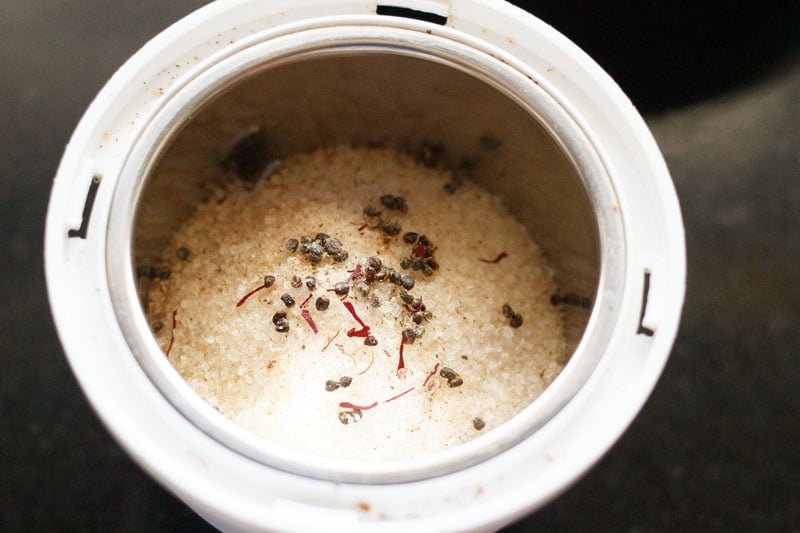
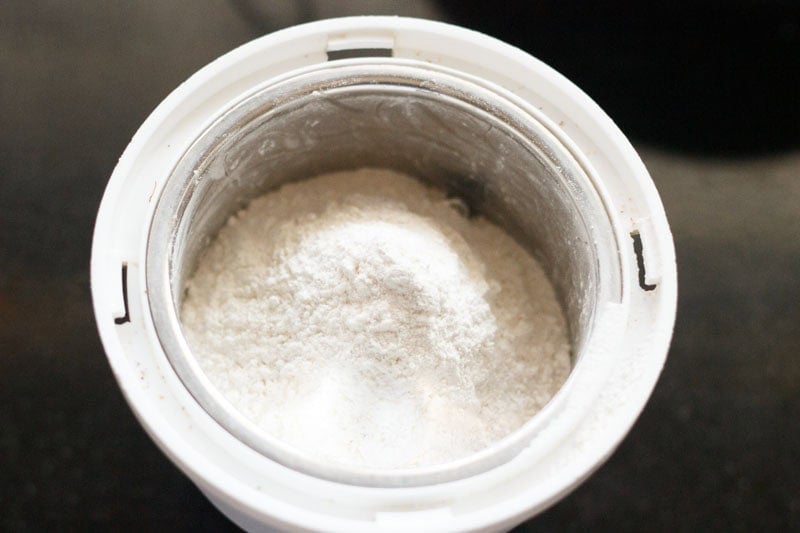
The process begins not with the flour, but with the sweetener. Professional-grade results require the sugar to be pulverized alongside the spices. Grinding 70 grams of sugar with 4 to 5 green cardamom pods, a pinch of saffron, and 1/8 teaspoon of nutmeg ensures that the essential oils of the spices are evenly distributed throughout the sugar crystals. This prevents "hot spots" of flavor and ensures every bite is uniformly aromatic.
Step 2: Atmospheric Pre-Conditioning
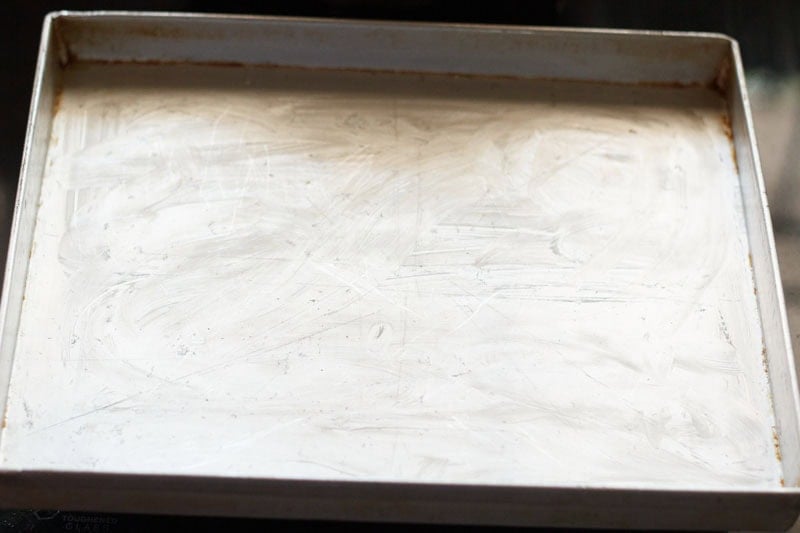
Simultaneously, the baking environment must be stabilized. The oven is preheated to 180 degrees Celsius (356 degrees Fahrenheit). For convection models, the temperature is often calibrated down to 170 degrees Celsius to account for the rapid air circulation that can prematurely brown the exterior of a dense wheat cookie.
Step 3: Aeration and Sifting
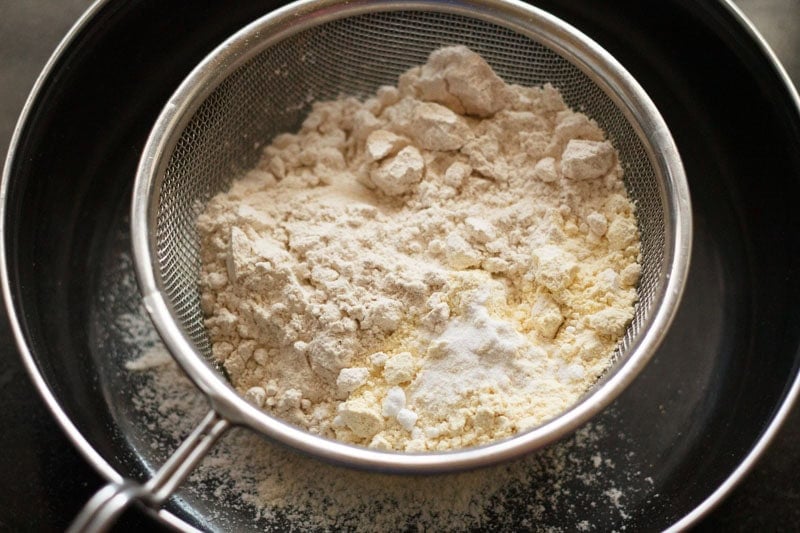
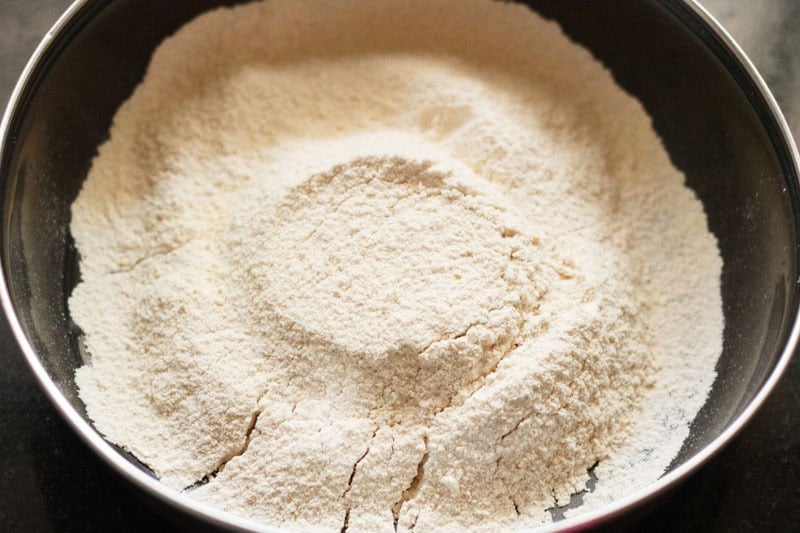
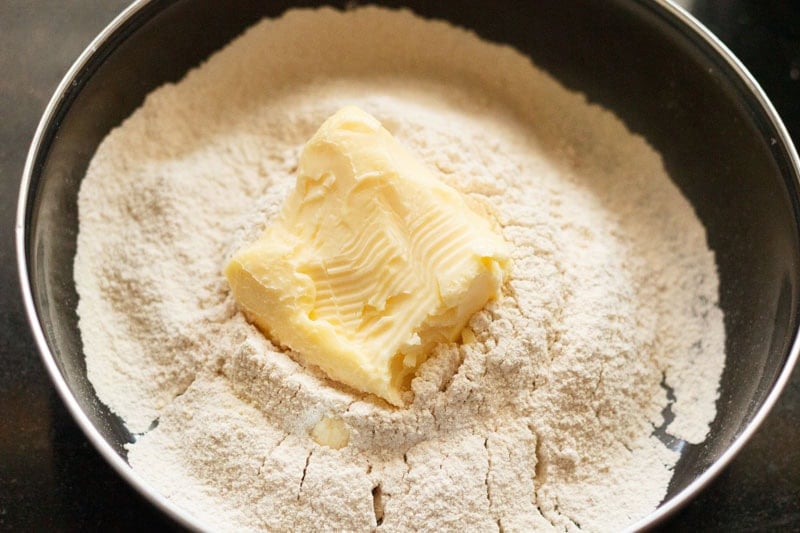
The dry assembly involves sifting 1 cup of whole wheat flour with 2 tablespoons of gram flour and 1/4 teaspoon of baking soda. Sifting serves two purposes: it removes any large bran particles that might compromise the biscuit’s structure and it aerates the flour, which is crucial for a whole-grain cookie that lacks the natural lift of refined flour.
Step 4: The "Rubbing-In" Method
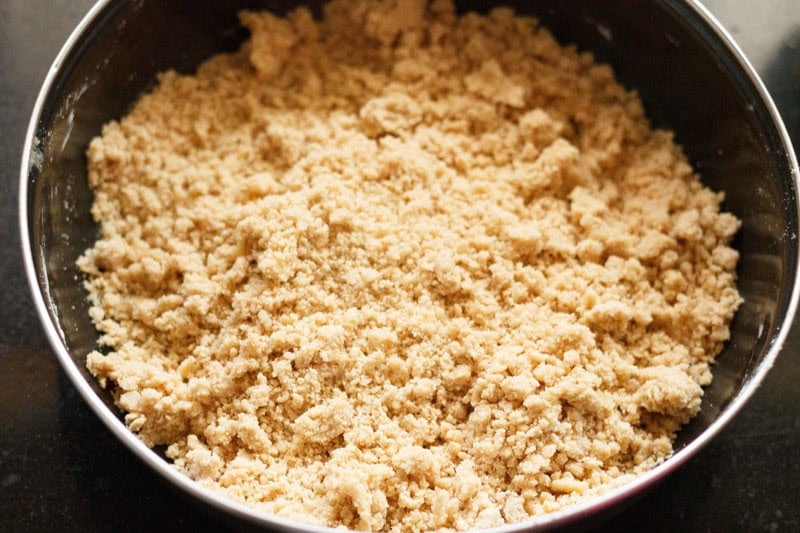
In a technique mirrored in French pastry (sablage), cold butter is worked into the flour mixture using fingertips or a pastry cutter. The goal is to coat the flour particles in fat before any liquid is added. This inhibits gluten development, ensuring the biscuit remains crumbly rather than chewy. The mixture should eventually resemble fine breadcrumbs.
Step 5: Controlled Hydration
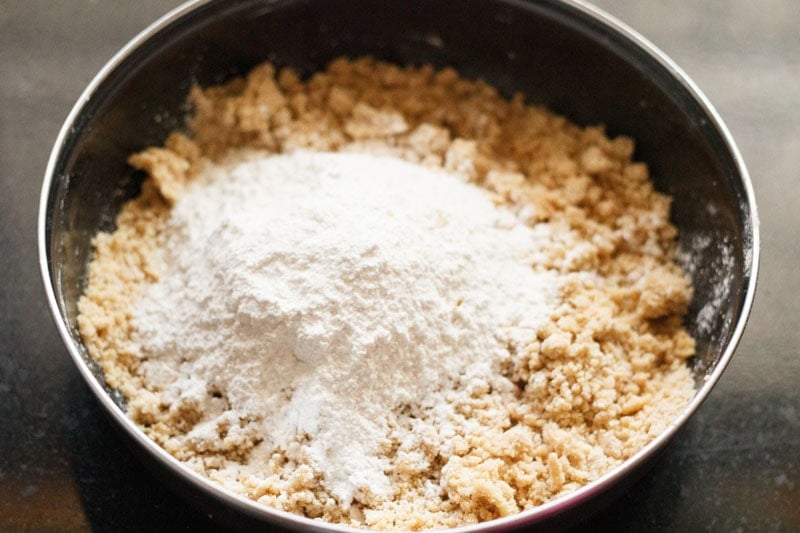
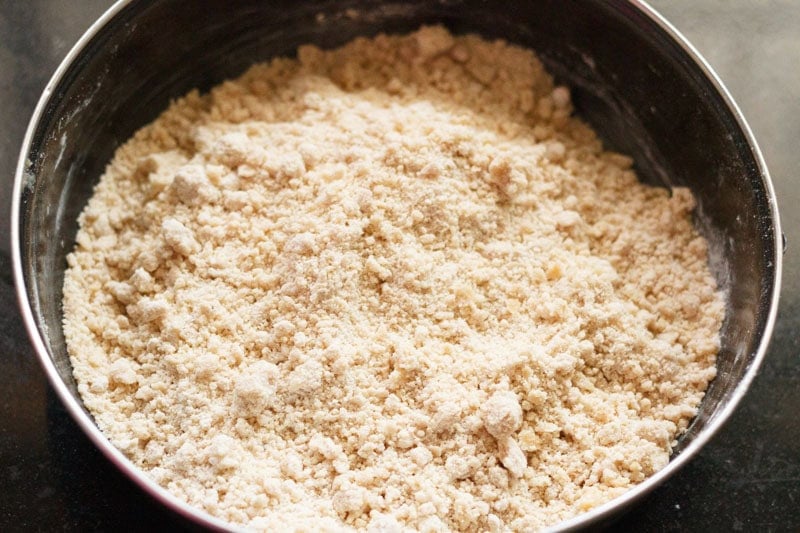
The most critical phase is the transition from crumbs to dough. Milk is added in increments of one tablespoon. Professional bakers caution against over-hydration; the dough should just barely come together. Kneading is strictly forbidden, as it would activate the wheat’s gluten, resulting in a hard, "bready" texture.
Step 6: Thermal Transformation
Once shaped—often with traditional patterns using a cookie press or fork—the biscuits are baked for 20 to 25 minutes. They are removed when they reach a light golden hue. Over-browning whole wheat results in a bitter aftertaste due to the tannins in the bran.
III. Supporting Data: Nutritional and Cultural Context
To understand the rise of the Atta Biscuit, one must look at the data surrounding modern dietary shifts in South Asia and the diaspora.
Nutritional Profile Analysis
A single 22-gram wheat biscuit provides a complex nutritional matrix:
- Energy: 103 kcal
- Carbohydrates: 13g (with 1g of dietary fiber)
- Proteins: 2g
- Fats: 5g (Saturated fat: 3g)
- Micronutrients: The inclusion of whole wheat and gram flour introduces significant levels of Manganese, Phosphorus, and Vitamin B-complex, which are largely absent in refined maida-based cookies.
Comparative Advantage
While a standard commercial biscuit is often criticized for "empty calories," the homemade Atta Biscuit utilizes the "Atta" variety of flour. Atta is a hard-wheat flour ground with a high-friction process that damages some starch, which actually aids in water absorption and creates the unique mouthfeel of Indian baked goods. The presence of the bran and germ means a lower glycemic index compared to refined flour alternatives, leading to more sustained energy release.
IV. Official Responses: Culinary Expertise and "Dassana’s Tips"
Culinary experts and home-baking authorities emphasize that the success of a wheat biscuit lies in the "feel" of the dough and the quality of the fats.
The Professional Consensus on Ingredients
Leading recipe developers, including the creators at Veg Recipes of India, suggest that if one is baking outside of India, sifting international whole wheat flour twice is a mandatory step. This compensates for the coarser grind found in Western supermarkets, bringing the texture closer to the fine-milled Indian "Chai-ready" atta.
The "No-Knead" Mandate
Official guidance from artisanal bakers highlights a common failure point: over-handling. "Do not knead the dough," is a universal instruction. The objective is a "gentle gather." By simply bringing the mixture into a ball, the baker preserves the air pockets created during the rubbing-in of the butter, which expand in the heat of the oven to create the desired crumbly "Nankhatai-style" texture.
Fat Substitution Dynamics
While butter is the standard for a modern palate, traditionalists often advocate for semi-solid ghee. Ghee has a higher smoke point and a distinct nutty aroma that complements the whole wheat. However, experts note that using ghee will result in a more "short" and fragile biscuit, whereas butter provides a slightly sturdier structure.
V. Implications: The Future of the "Healthy" Snack
The resurgence of the Atta Biscuit has broader implications for the global food industry and domestic health trends.
The "Clean Label" Movement at Home
As consumers become increasingly wary of preservatives, emulsifiers, and hydrogenated fats found in commercial "digestive" biscuits, the shift toward 1,200-word-standard artisanal recipes represents a return to "clean label" eating. By controlling the quality of the fat (avoiding vanaspati or margarine) and the source of the grain, home bakers are effectively de-industrializing their snack pantry.
Cultural Preservation and Global Reach
The Atta Biscuit is more than a snack; it is a cultural export. As Indian cuisine continues to influence global gastronomic trends, the "Bakery-Style Biscuit" is finding its way into international coffee shops as an exotic yet comforting alternative to the ubiquitous chocolate chip cookie. Its ability to store well for 2 to 3 weeks in an airtight container makes it an ideal candidate for the growing "homemade gift" market, particularly during festive seasons like Diwali.
Conclusion: A Balance of Tradition and Science
The Wheat Biscuit stands as a testament to the fact that nutritional improvement does not have to come at the expense of sensory pleasure. Through the careful application of spice-grinding, fat-rubbing, and temperature control, the humble whole wheat grain is transformed into a sophisticated tea-time companion. It represents a successful marriage of traditional Indian flavors—cardamom, saffron, and nutmeg—with the universal science of pastry, ensuring that the legacy of the Indian bakery survives in a health-conscious modern world.
