

By Editorial Staff
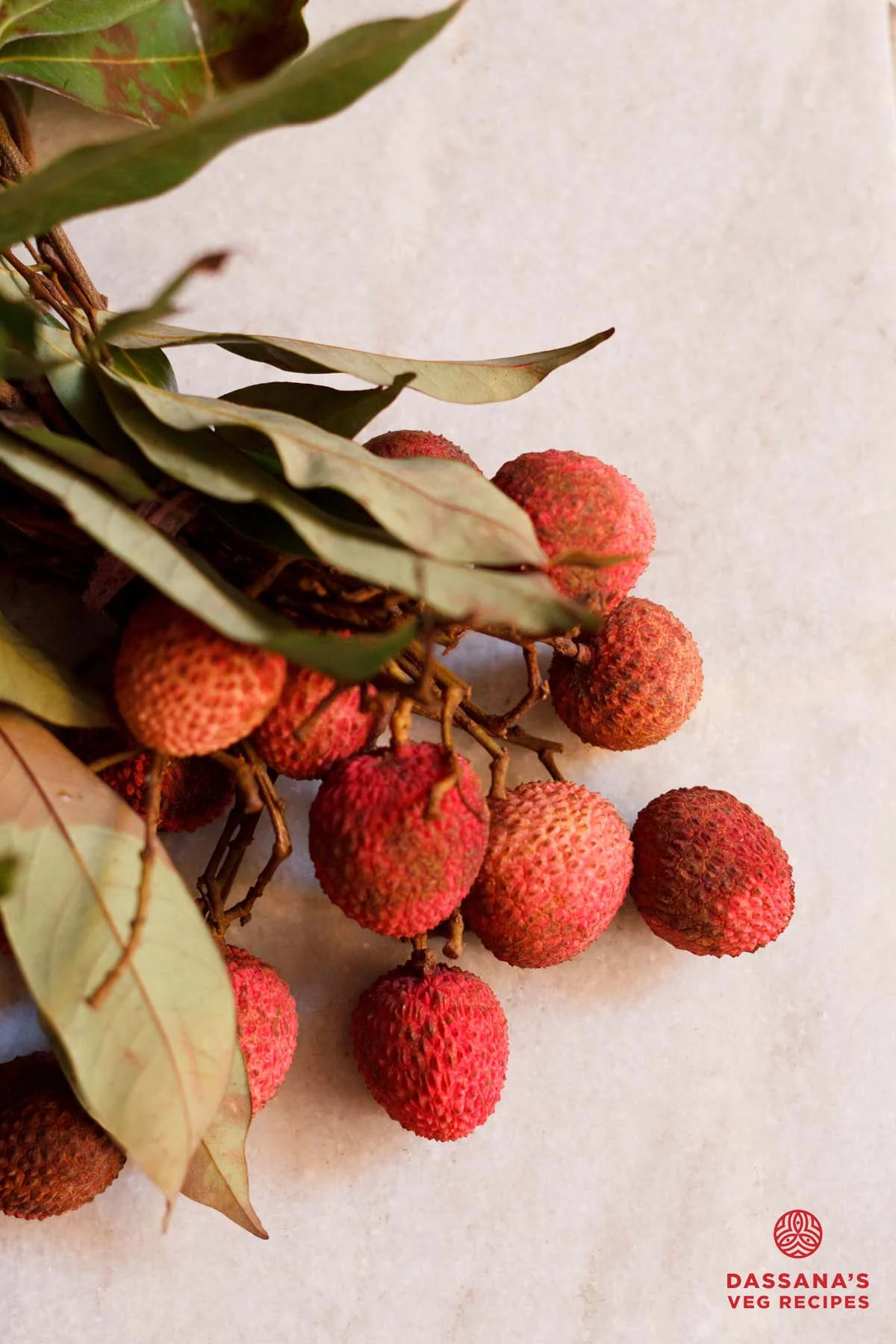
As the mercury rises across the Indian subcontinent and Southeast Asia, the arrival of a specific, heart-shaped fruit in local markets signals the definitive start of the summer season. The litchi (Litchi chinensis), a tropical treasure encased in a thin, bumpy, pinkish-red rind, has transitioned from a mere seasonal snack to the centerpiece of a burgeoning "clean-label" beverage movement. Recent culinary trends indicate a significant shift away from preservative-laden, packaged fruit drinks toward artisanal, homemade preparations—specifically the cooling and restorative Litchi Juice.
This report explores the botanical origins, the meticulous preparation process, the nutritional profile, and the broader socio-economic implications of the litchi season, which remains one of the shortest yet most impactful windows in the global fruit trade.
1. Main Facts: The Anatomy of a Summer Staple
The litchi is more than just a fruit; it is a cultural icon in regions like India, China, and Thailand. Characterized by its translucent, juicy white flesh and a singular, dark brown seed, the fruit offers a unique flavor profile that combines high sweetness with delicate floral notes, often likened to a blend of grape, pear, and rosewater.
The Rise of Homemade Litchi Beverages
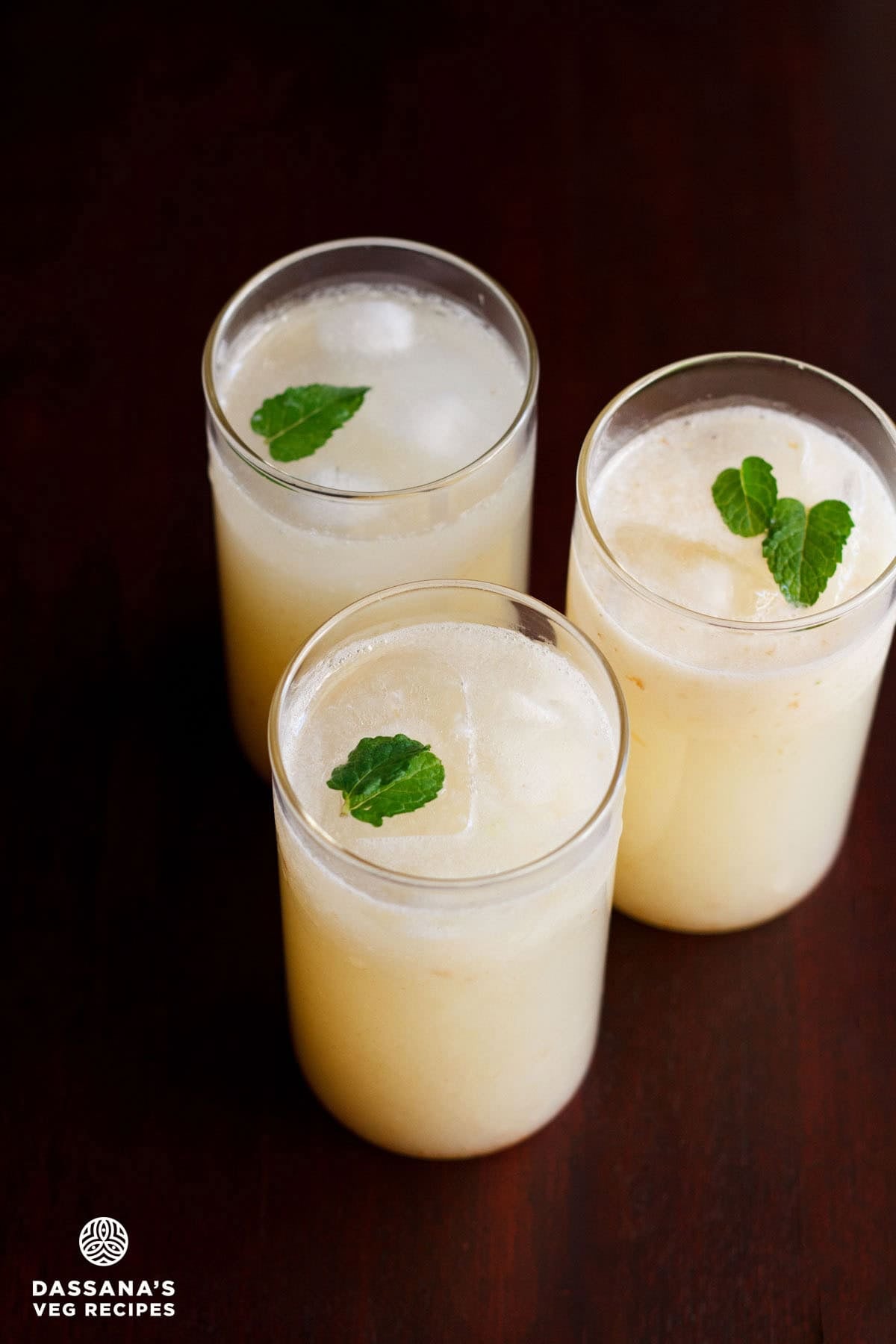
While commercial litchi drinks have been available for decades, they often contain less than 10% actual fruit pulp, relying instead on high-fructose corn syrup, artificial flavors, and stabilizers. The "Dassana’s Recipe" method, which has gained traction among health-conscious consumers, emphasizes a "whole-fruit" approach. By utilizing fresh litchi pulp, lemon juice, and minimal sweeteners, this preparation provides a beverage that is biologically active and free from the "empty calories" associated with industrial processing.
Key Characteristics of the Drink:
- Base Ingredient: Freshly peeled and de-seeded litchi pulp.
- Balancing Agents: Fresh lemon juice to provide acidity and prevent oxidation.
- Aromatic Enhancements: Fresh mint sprigs, which serve both as a garnish and a cooling digestive aid.
- Simplicity: A preparation time of under 15 minutes, making it accessible for modern, time-constrained households.
2. Chronology: From Orchard to Glass
The lifecycle of a litchi beverage is dictated by the strict biological clock of the fruit itself. Unlike apples or citrus, litchis do not continue to ripen once picked, and their shelf life is notoriously short.
The Harvest Window
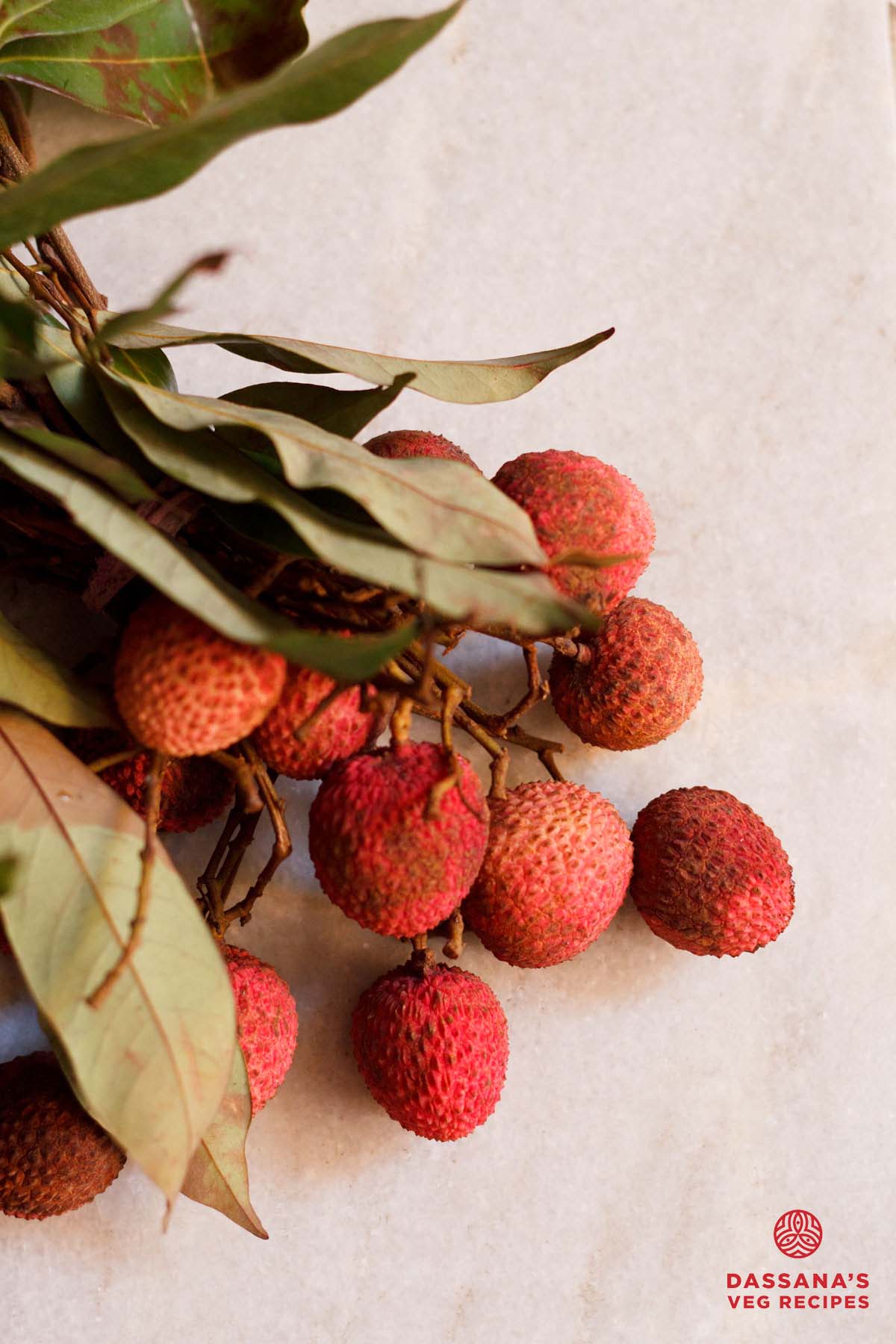
Litchi trees typically bloom in late winter, with the fruit reaching maturity between May and July, depending on the latitude. In India, the Muzaffarpur region of Bihar serves as the "Litchi Bowl," where the harvest is a frantic, high-stakes period. Once harvested, the fruit begins to lose its vibrant color and moisture within 48 to 72 hours.
The Preparation Timeline
To maintain the integrity of the juice, the following chronological steps are essential:
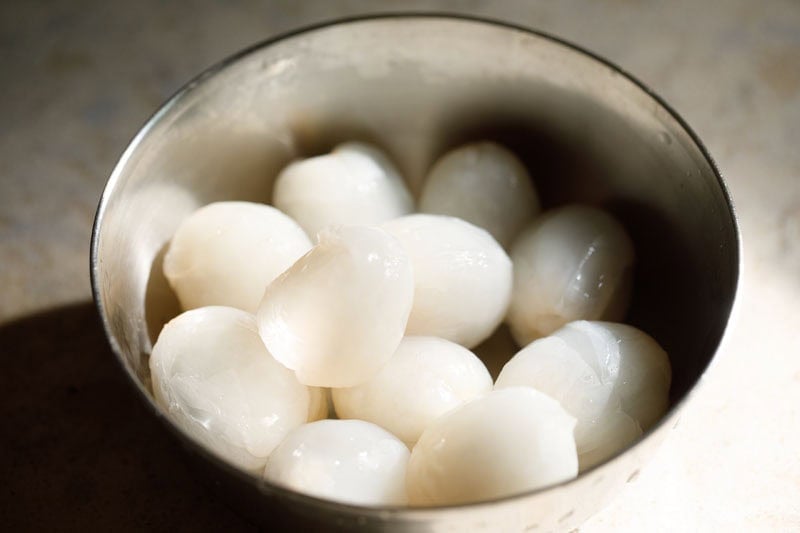
- Selection and Cleaning: 14 to 15 litchis are rinsed under running water to remove orchard dust and residues.
- Peeling and Inspection: Each fruit is hand-peeled. This stage is critical for quality control, as it allows the preparer to discard fruits showing signs of spoilage or internal pests—a step impossible in large-scale industrial juicing.
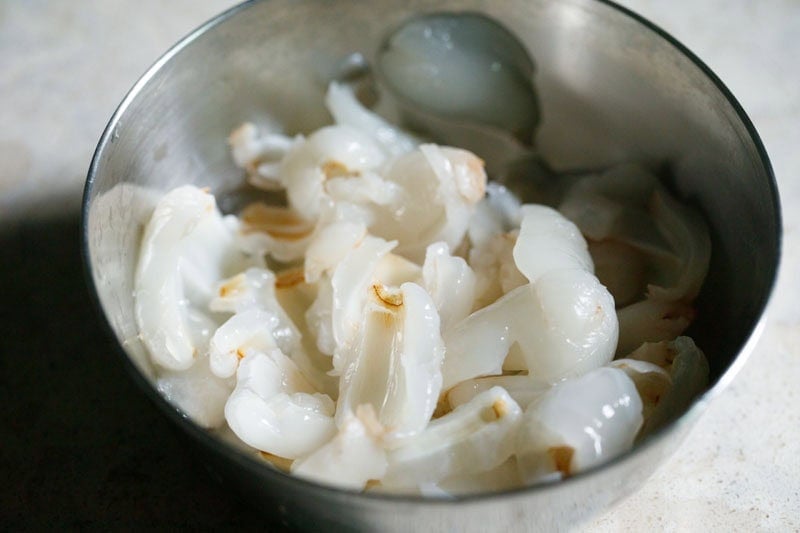
- De-seeding: The flesh is separated from the seed using a paring knife or manual extraction.
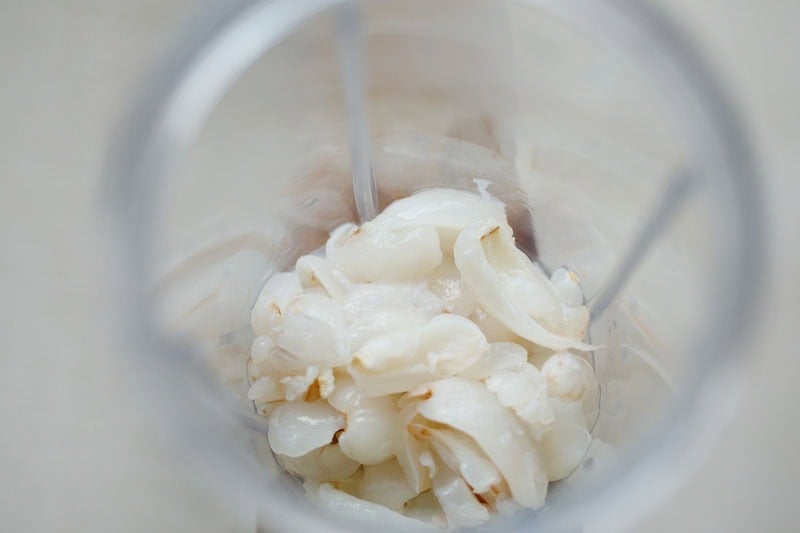
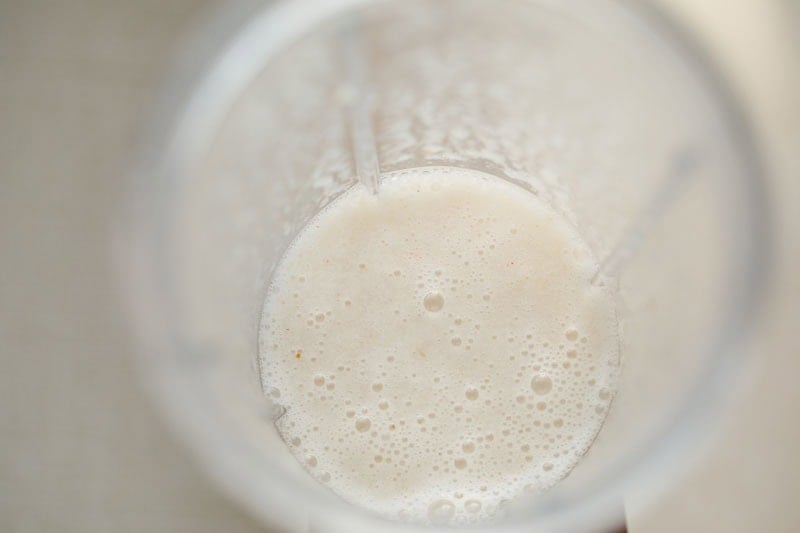
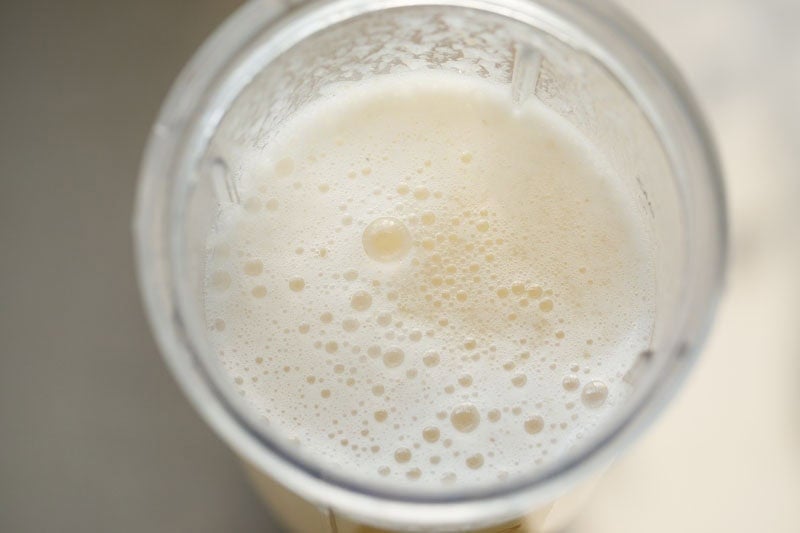
- The Puree Phase: The pulp is blended into a smooth consistency. Expert recommendations suggest blending without water initially to ensure a silky texture.
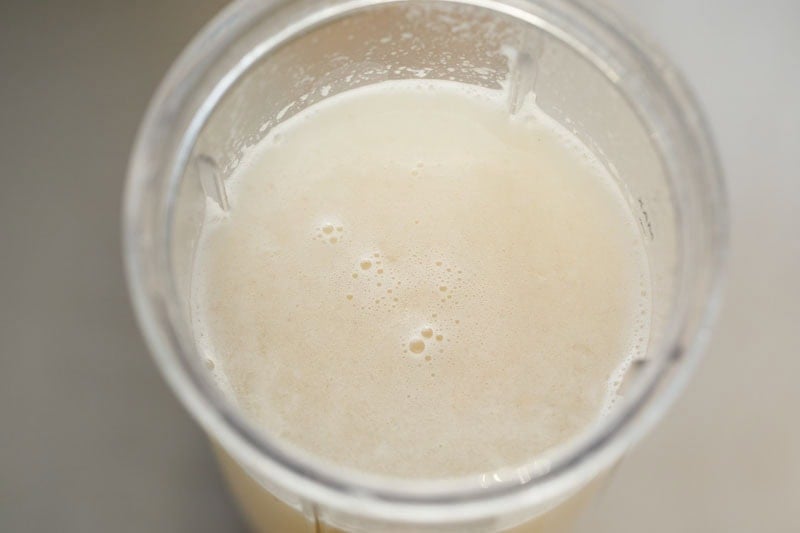
- Reconstitution: Water is added to the puree (typically 3 cups for a standard batch) along with 3 to 4 tablespoons of sugar, depending on the fruit’s natural Brix level (sweetness).
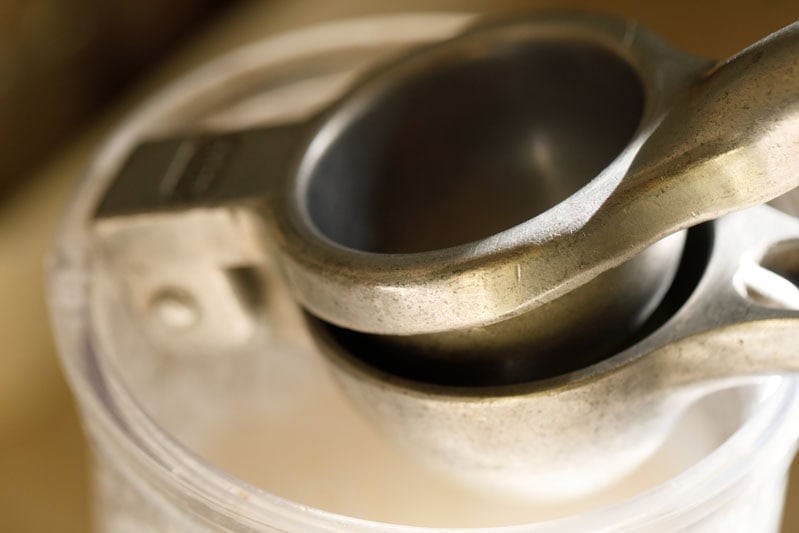
- The Citrus Infusion: Fresh lemon juice is squeezed into the mixture to balance the pH and enhance the floral notes.
- Final Homogenization: A quick second blend ensures the sugar is fully dissolved and the flavors are integrated.
- Immediate Consumption: The juice is served chilled, ideally within hours of preparation, as the volatile compounds responsible for its aroma begin to degrade rapidly.
3. Supporting Data: A Nutritional Breakdown
From a dietetic perspective, litchi juice is a powerhouse of micronutrients. While often dismissed as "sugar water" by those unfamiliar with its composition, the data tells a different story.
Nutritional Profile (Per Serving)
Based on standardized laboratory analysis of the homemade recipe, a single serving (approximately 250ml) contains:
- Calories: 93 kcal
- Vitamin C: 55 mg (Approx. 60-70% of the Recommended Dietary Allowance)
- Potassium: 150 mg
- Carbohydrates: 24g (primarily natural fructose and glucose)
- Fiber: 2g
Vitamin Density
The standout feature of litchi juice is its Vitamin C content. At 55mg per serving, it rivals citrus juices in its ability to support immune function and collagen synthesis. Furthermore, it contains trace amounts of Vitamin B-complex (B1, B2, B3, B6, and B9), which are essential for energy metabolism.
Mineral and Antioxidant Content
Litchis are rich in polyphenols, including oligonol, which has been studied for its antioxidant and anti-inflammatory properties. The presence of potassium (150mg) and magnesium (12mg) makes the juice an effective natural electrolyte replacer for those suffering from mild heat exhaustion during the peak of summer.
4. Official Responses and Culinary Expert Perspectives
Nutritionists and culinary experts have weighed in on the resurgence of fresh fruit juices in the domestic kitchen.
Dr. Aris Thorne, a Nutrition Specialist, states:
"The shift toward home-blended litchi juice is a positive trend in the fight against metabolic syndrome. When you blend the fruit at home, you retain some of the fibrous pulp that is often filtered out in clear, commercial juices. This fiber helps to slightly moderate the glycemic response. Moreover, the addition of fresh lemon juice provides a secondary source of bioflavonoids."
Chef Ananya Sharma, a specialist in Indian regional cuisine, comments:
"Litchi has a very short season—sometimes only three to four weeks of peak flavor. In the culinary world, we treat it with the same reverence as the Alphonso mango. The homemade juice is a canvas; you can adjust the water-to-pulp ratio to create anything from a light refresher to a dense nectar. The key is the ‘no-preservative’ rule. The moment you add chemicals to a litchi, you kill its soul—that delicate rose-like aroma vanishes."
Market Analysts’ View:
Industry reports suggest that the "Fresh Juice" segment of the beverage market is expected to grow by 7% annually. Consumers are increasingly willing to pay a premium for fresh fruit or invest the time to prepare it themselves, driven by a post-pandemic focus on "immunity-boosting" natural foods.
5. Implications: The Future of the Litchi Industry
The popularity of homemade litchi juice carries significant weight for agriculture, the environment, and the beverage industry.
Agricultural Stability and Climate Change
The litchi is a "Goldilocks" fruit; it requires specific temperature fluctuations to flower and fruit. Global warming poses a significant threat to litchi yields. Unseasonal rains or heatwaves during the flowering stage can decimate a season’s crop. As demand for fresh fruit for juicing grows, there is a pressing need for investment in climate-resilient farming techniques and better cold-chain logistics to prevent the 20-30% post-harvest loss currently seen in the industry.
The "DIY" Beverage Revolution
The move toward home preparation signals a growing distrust of the ultra-processed food (UPF) industry. As more consumers realize that a high-quality, nutritious drink can be made in 15 minutes with just four ingredients (litchi, lemon, water, and sugar), the market share of "fruit-flavored" sodas is likely to face pressure. This empowerment of the home cook encourages seasonal eating, which is both more sustainable and nutritionally superior.
Culinary Versatility and Innovation
The implications also extend to the broader culinary arts. Litchi juice serves as a base for more complex creations, such as:
- Litchi Lemonade: A fusion of the traditional Indian Nimbu Pani with litchi nectar.
- Mocktails and Cocktails: Used as a sophisticated sweetener in high-end mixology.
- Frozen Desserts: The juice can be frozen into granitas or sorbets, extending the enjoyment of the fruit beyond its short harvest window.
Conclusion
Litchi juice is more than a simple refreshment; it is a seasonal phenomenon that bridges the gap between traditional agricultural cycles and modern health trends. By prioritizing fresh pulp over artificial concentrates, consumers are reclaiming the nutritional benefits of the fruit—high Vitamin C, essential minerals, and powerful antioxidants. As we look to the future, the continued celebration of the litchi season will depend on our ability to protect the delicate ecosystems where these trees thrive, ensuring that this "crimson harvest" remains a staple of the summer table for generations to come.
The recipe for litchi juice, while simple, represents a sophisticated understanding of flavor balance and nutritional preservation. In an era of mass-produced food, the act of peeling a litchi and blending it into a fresh beverage is a small but significant act of culinary rebellion—a toast to health, flavor, and the fleeting beauty of the summer season.
