

In the bustling town of Aluva, situated on the outskirts of Kochi, Kerala, a quiet revolution is taking place—one that smells of toasted husks and fresh cream. While the world increasingly looks toward exotic "superfoods" like kale and quinoa, Ubais Ali, a second-generation entrepreneur, is turning his gaze back to the roots of his homeland. His venture, MMore Than A Nut, is not merely a cafe; it is a meticulously crafted manifesto for the coconut tree, known in Indian tradition as Kalpavriksham, or the "wish-fulfilling tree."
Located strategically near Rajagiri Hospital, the establishment challenges the conventional boundaries of a coffee shop. Here, the coconut is not just an ingredient on the menu; it is the very fabric of the architecture, the soul of the interior design, and the foundation of a sophisticated retail ecosystem.
I. Main Facts: A 360-Degree Coconut Experience
The primary distinction of MMore Than A Nut lies in its uncompromising commitment to its namesake. To step into the cafe is to witness the versatility of the Cocos nucifera in ways rarely seen in modern commercial spaces.
Architectural Innovation
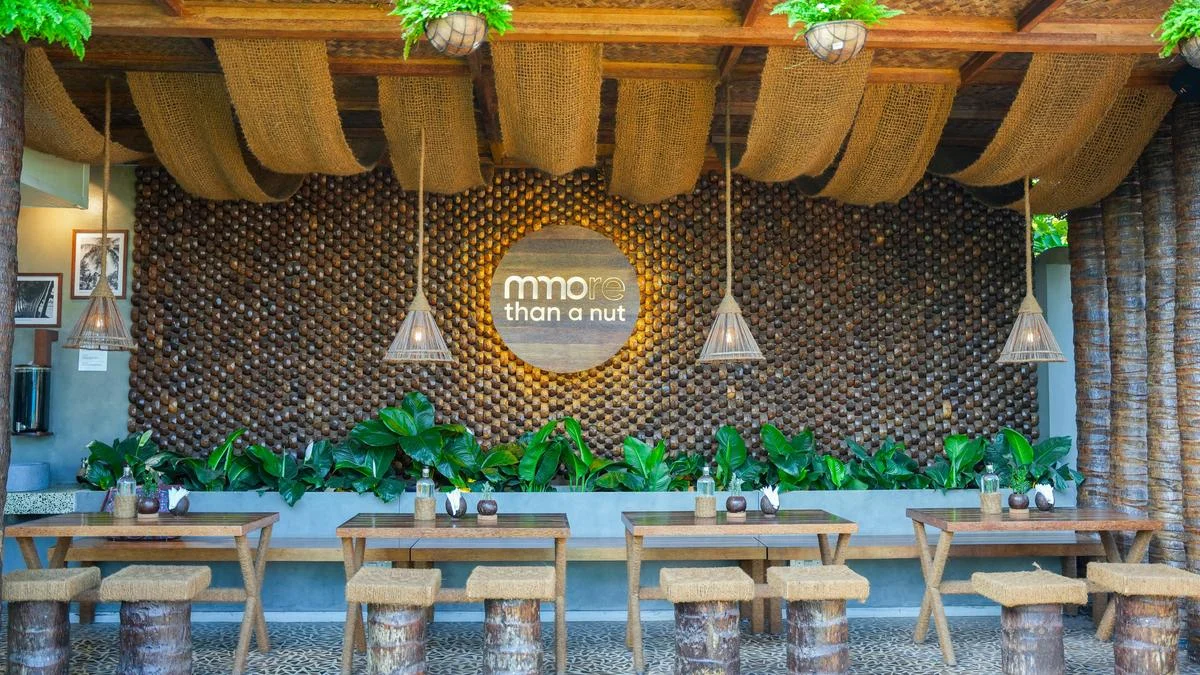
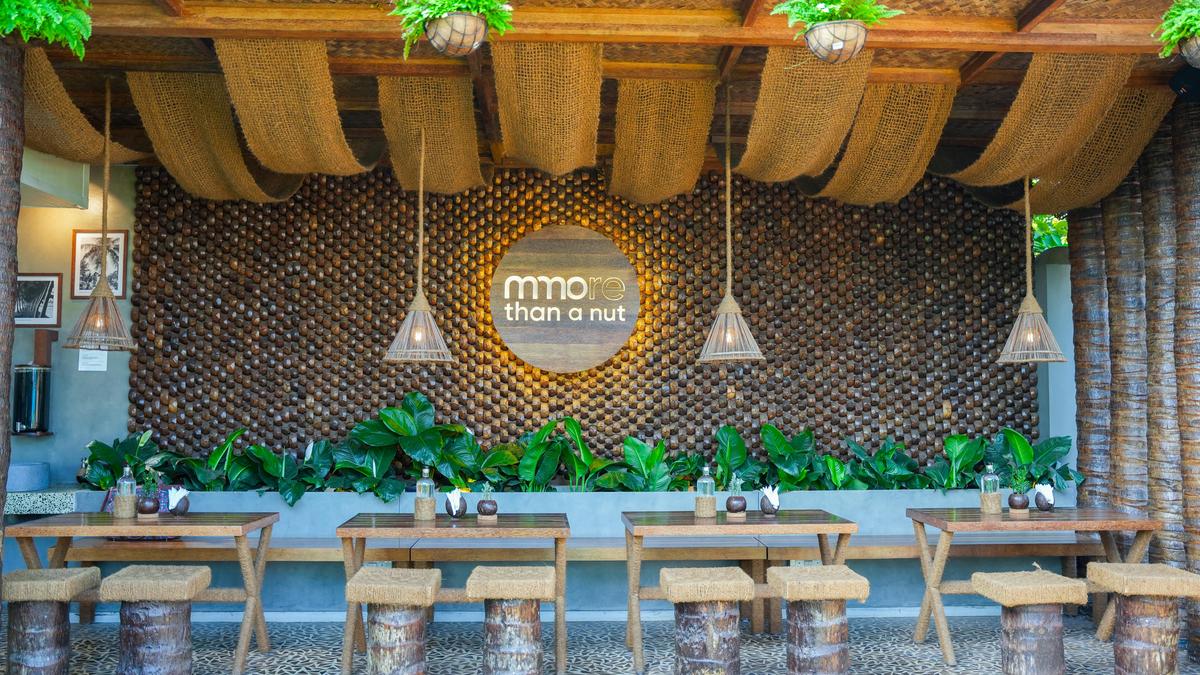
The cafe serves as a living showroom for coconut-based industrial design. Every element of the interior has been engineered from coconut byproducts:
- Furniture: The tables and benches are crafted from coconut wood, a sustainable alternative to traditional hardwoods.
- Surfaces: The flooring features a unique mosaic effect created from embedded coconut shells, while walls are clad in coconut-fiber panels and shell-based tiles.
- Lighting and Accessories: Lampshades are fashioned from polished shells, and even the functional items—such as dustbins and garden lights—utilize coconut husks and shells.
- Tableware: The cafe bypasses plastic and ceramic in favor of coconut-shell bowls and utensils, reinforcing a zero-waste aesthetic.
A Vertical Retail Ecosystem
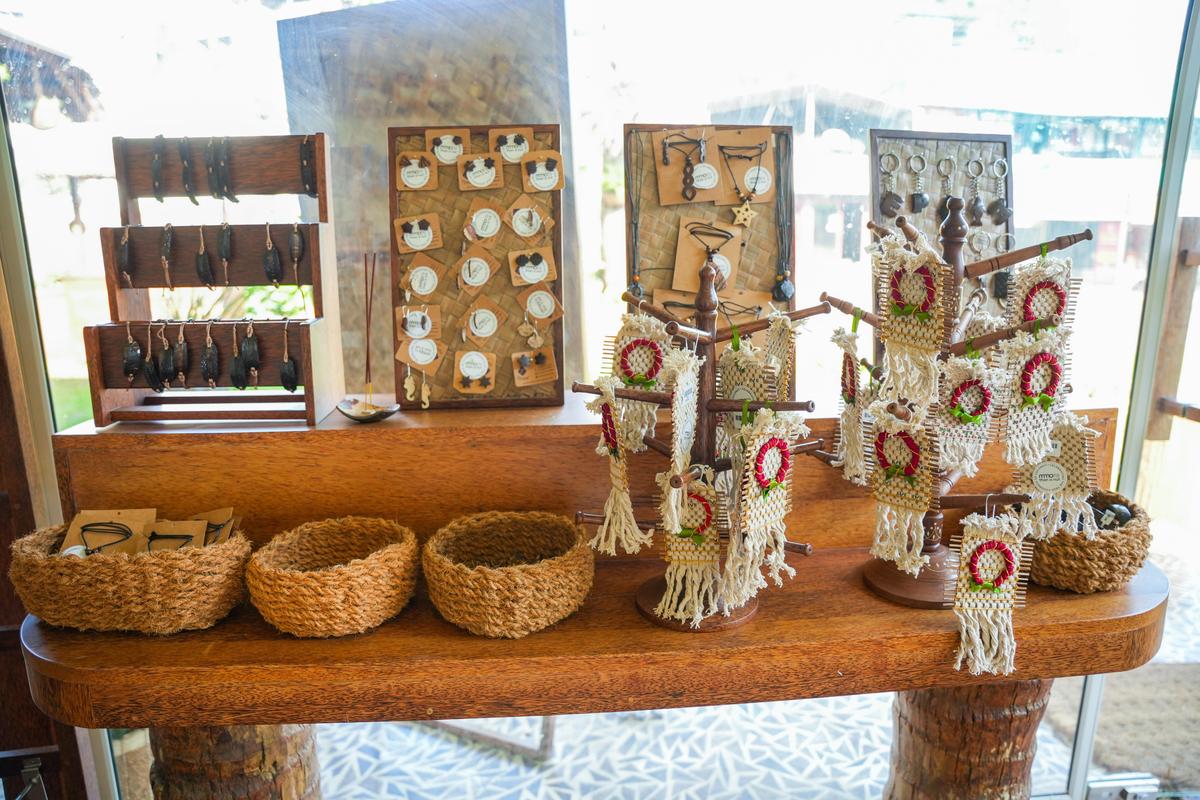
Beyond the cafe experience, the space serves as a flagship store for Mezhukkattil Mills Originals (MMO). The shelves are stocked with an extensive range of value-added products derived from Kerala’s coconut groves. This includes:
- Culinary Staples: Virgin coconut oil, traditional coconut oil, and coconut milk powder.
- Innovations: Coconut flour (a gluten-free alternative), coconut butter, concentrated cooking pastes, and coconut vinegar.
- Sustainable Living: Mats, homeware, and lifestyle accessories made from coconut fiber and shells.
The Gastronomic Menu
The culinary offerings are the result of extensive Research and Development (R&D) conducted in a specialized kitchen located on the second floor of the Mezhukkattil Mills factory. The menu features:
- Beverages: Dairy-free hot chocolate made with coconut milk, and signature smoothies such as Avocado-Coconut and Mango-Tender Coconut.
- Traditional Refreshments: Freshly harvested Neera (unfermented coconut sap) and chilled matured coconut water.
- Bakery Items: "Travel cakes" designed to stay fresh without refrigeration, muffins, cookies, and a coconut-infused Baklava featuring pistachios and roasted coconut.
II. Chronology: From 1976 Oil Mill to 21st-Century Brand
The story of MMore Than A Nut is inextricably linked to the legacy of Mezhukkattil Mills, an institution that has mirrored the evolution of Kerala’s agricultural sector over the last five decades.
1976: The Foundation
The journey began in 1976 when Ubais Ali’s father established Mezhukkattil Mills. In its early years, the mill functioned as a traditional processing unit, focusing primarily on the extraction of coconut oil for the local market. During this era, coconut was a commodity—valued for its utility but subject to the price fluctuations of the bulk oil market.
The Export Era and Diversification
As the second generation took the reins, the focus shifted toward quality and global standards. Mezhukkattil Mills expanded into international markets, exporting high-grade coconut products. This exposure to global food trends highlighted a gap in the domestic market: while the West was embracing coconut as a premium health product, the local population in Kerala was beginning to undervalue it as a common, everyday item.
2020–Present: The Birth of "MMore Than A Nut"
Recognizing the need to re-brand the coconut for a younger, more health-conscious demographic, Ubais Ali envisioned a space that would elevate the fruit from a kitchen staple to a lifestyle choice. The cafe was established adjacent to the large factory unit in Aluva to serve as a bridge between industrial production and consumer experience. The R&D unit was established to experiment with coconut flour and milk as substitutes for wheat and dairy, leading to the current menu of confections and beverages.

III. Supporting Data: The Economic and Health Rationale
The push for coconut-based products is supported by significant nutritional science and economic data, which Ubais Ali frequently advocates for in public forums.
The "Superfood" Profile
Coconut is rich in Medium-Chain Triglycerides (MCTs), particularly lauric acid, which is known for its antimicrobial properties and its ability to provide immediate energy. By utilizing coconut flour and milk, the cafe offers options that are:
- Gluten-Free: Catering to the rising number of consumers with gluten sensitivities.
- Vegan-Friendly: Providing a creamy, nutrient-dense alternative to animal dairy.
- Low Glycemic Index: Coconut flour is higher in fiber and protein than traditional wheat flour, helping to regulate blood sugar levels.
Economic Impact on Kerala
Kerala’s economy is deeply intertwined with coconut cultivation, yet the state has often struggled with low value-addition. According to agricultural reports, processing raw coconuts into value-added products like virgin oil, flour, and Neera can increase the profit margin for farmers by 300% to 500% compared to selling raw copra.
MMore Than A Nut serves as a model for "Vertical Integration," where the processor (the mill) moves directly into retail and hospitality. This model ensures that a larger share of the consumer price remains within the local ecosystem, benefiting both the manufacturer and the agriculturalists who supply the raw material.
IV. Official Responses and Industry Recognition
The innovation displayed at MMore Than A Nut and Mezhukkattil Mills has not gone unnoticed by governmental and industrial bodies.
Government Accolades
Mezhukkattil Mills has been the recipient of several awards from the Government of India and the Coconut Development Board (CDB). These awards have specifically recognized the company’s:
- Innovation in Product Development: Creating shelf-stable versions of traditional products.
- Packaging Design: Modernizing the aesthetic of coconut products to compete with international brands on supermarket shelves.
Industry Positioning
Industry experts view the cafe as a successful case study in "Experience Centers." By allowing customers to touch coconut-wood furniture and taste coconut-based baklava, the brand bypasses traditional advertising. Ubais Ali’s advocacy for local produce over imported nuts like almonds and raisins has resonated with the "Vocal for Local" and "Atmanirbhar Bharat" (Self-Reliant India) initiatives championed by the central government.
V. Implications: The Future of Sustainable Gastronomy
The success of MMore Than A Nut carries profound implications for the future of the food and beverage industry in India and beyond.
1. Environmental Sustainability
The cafe demonstrates a viable path toward a circular economy. By utilizing every part of the coconut—the wood for furniture, the shell for flooring, the husk for fiber, and the fruit for food—the venture minimizes waste. As the global construction and interior design industries seek sustainable alternatives to timber and plastic, the "Aluva Model" provides a blueprint for using agricultural byproducts in high-end design.
2. Cultural Reclamations
There is a significant cultural shift occurring through this venture. For decades, Western dietary trends influenced Indian urban consumption. By presenting the coconut as a sophisticated, versatile, and premium product, MMore Than A Nut is helping to reclaim the cultural identity of Kerala. It transforms the Kalpavriksham from a nostalgic symbol of the past into a functional powerhouse of the future.
3. The Neera Revolution
The cafe’s focus on Neera is particularly noteworthy. As a non-alcoholic, nutrient-rich sap, Neera has the potential to become a major health drink. However, its tendency to ferment quickly has historically limited its commercial viability. The R&D at Mezhukkattil Mills, involving immediate chilling and specialized sourcing, shows how technology can solve age-old logistical hurdles in tropical agriculture.
4. Scaling the Model
Ubais Ali’s vision extends beyond a single location. The cafe serves as a prototype for what could potentially become a franchise model. If scaled, this could create a massive demand for coconut-based construction materials and high-value food products, providing a stable, high-income market for Kerala’s coconut farmers.
Conclusion
MMore Than A Nut is more than a destination for a cup of coconut-infused coffee. It is a bold experiment in sustainability, a masterclass in brand storytelling, and a tribute to the resilience of Kerala’s agricultural heritage. As Ubais Ali aptly summarizes, the goal is to give the coconut its due—not just as a nut, but as a cornerstone of a modern, sustainable lifestyle. In the heart of Aluva, the "wish-fulfilling tree" is finally fulfilling the modern demand for health, style, and environmental responsibility.
