

The journey of pregnancy is often romanticized in popular culture, yet for many women, the reality is a complex interplay of hormonal shifts, metabolic adjustments, and significant lifestyle changes. Recently, popular Indian television actor Divyanka Tripathi Dahiya brought these challenges into the spotlight during a candid conversation on her sister-in-law Nilika Grover’s YouTube channel. By sharing her personal struggles with digestion and her subsequent shift to a restrictive diet of soups and salads, Tripathi Dahiya has sparked a vital conversation about maternal nutrition and the physiological realities of the "zero trimester" and beyond.
Main Facts: The Revelation that Sparked a Health Dialogue
Divyanka Tripathi Dahiya, a household name in India known for her roles in hit television series, recently used her platform to discuss a relatable but often under-discussed aspect of pregnancy: the dramatic slowing of metabolism. During the interview, the actor revealed that she initially attempted to maintain a standard, "heavy" diet, which even included occasional indulgences like chaat (a popular Indian street food known for being spicy and tangy).
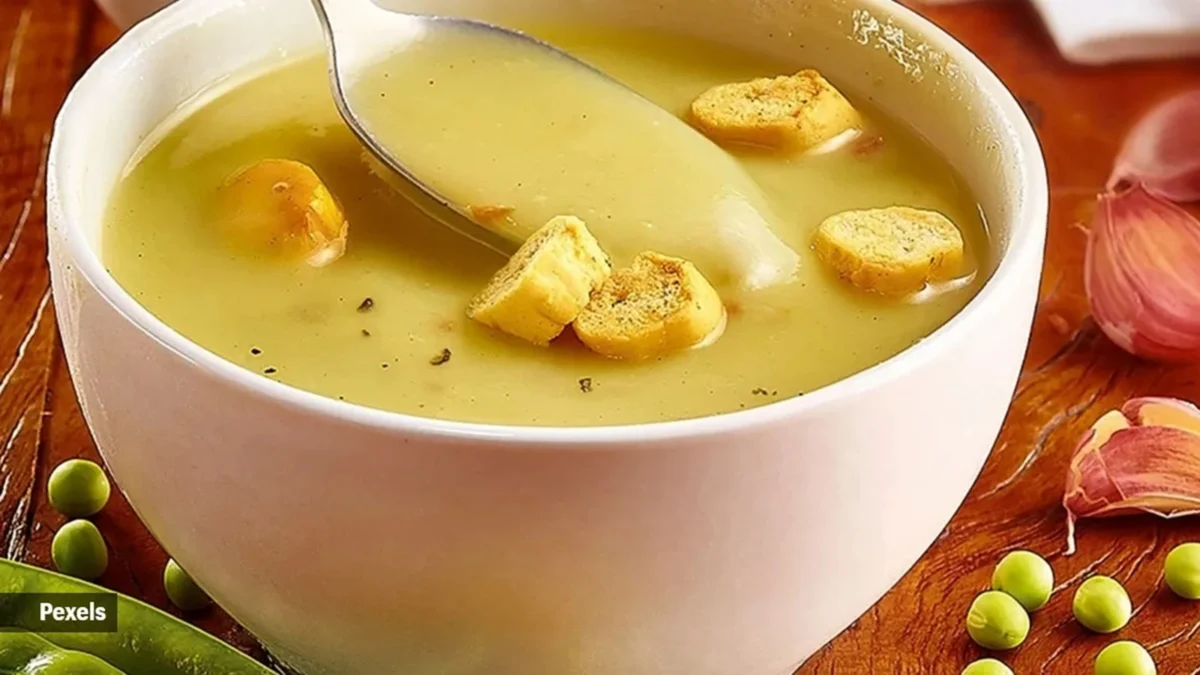
However, she soon realized that her body was no longer processing food as it once did. "I had started eating proper heavy food at the start of pregnancy. Sometimes, I was eating chaat also. Then I realized that nothing is getting digested," she admitted. This realization prompted a drastic shift in her dietary habits, leading her to rely primarily on soups and salads to manage her discomfort.
While her personal anecdote highlights the discomfort of pregnancy-induced indigestion, it also raises critical questions for health experts: Is a soup-and-salad diet sustainable for a developing fetus? How does pregnancy fundamentally alter the human metabolism? And what are the safest ways to manage the "heaviness" that defines the early stages of motherhood?
Chronology: The Evolution of Digestive Challenges in Pregnancy
The digestive and metabolic changes a woman experiences are not static; they evolve through the distinct stages of pregnancy.
The First Trimester (The ‘Zero Trimester’ to Week 12)
This is typically the period where Divyanka’s experience is most common. The body is flooded with hormones like Human Chorionic Gonadotropin (hCG) and progesterone. While hCG is responsible for the "morning sickness" or nausea many experience, progesterone plays a more insidious role in digestion. It acts as a muscle relaxant, which is necessary to prevent the uterus from contracting, but it also relaxes the muscles of the gastrointestinal (GI) tract. This results in a significant slowdown of peristalsis—the wave-like contractions that move food through the digestive system.
The Second Trimester (Week 13 to Week 26)
As the body adjusts to hormonal surges, many women find a "sweet spot" where nausea subsides. However, as Divyanka noted, the metabolic shift often persists. The uterus begins to expand, physically putting pressure on the stomach and intestines. This physical crowding, combined with continued high levels of progesterone, can make "heavy" meals feel like they are "sitting" in the stomach for hours.
The Third Trimester (Week 27 to Birth)
In the final stages, metabolism actually speeds up to support the rapid growth of the baby, but the digestive capacity remains limited due to extreme physical compression of the organs. At this stage, the "soup and salad" approach often becomes a necessity rather than a choice for many, as the stomach’s volume is physically reduced.
Supporting Data: The Science of Pregnancy Metabolism
To understand why an actor like Divyanka Tripathi Dahiya would feel that "nothing is getting digested," one must look at the physiological data.
1. The Progesterone Effect
Progesterone is the primary culprit behind the metabolic "lag." Research indicates that progesterone slows gastric emptying by up to 30-50% in some pregnant women. This delay is biologically intentional—it allows the body more time to absorb nutrients from the food to pass on to the fetus. However, the side effect is bloating, acid reflux (heartburn), and a persistent feeling of fullness.
2. Basal Metabolic Rate (BMR) Shifts
Contrary to the feeling of "sluggishness," a woman’s Basal Metabolic Rate actually increases during pregnancy. By the late second trimester, a pregnant woman requires roughly 300 to 350 extra calories per day. The paradox is that while the body needs more energy, the digestive system is less capable of processing large quantities of food at once.
3. Sensory Heightening
As noted by medical professionals, the body becomes hypersensitive to smells and textures. This is an evolutionary defense mechanism designed to protect the fetus from potentially toxic or spoiled foods. For Divyanka, the shift away from chaat—which is often high in spices and oil—was likely a subconscious response to this sensory heightened state.
Official Responses: Expert Medical Perspectives on "Soup and Salad" Diets
Medical experts caution that while Divyanka’s shift to lighter meals was a logical response to discomfort, it requires careful management to ensure nutritional density.

Dr. Shruti Chandak, a consultant obstetrician and gynecologist at KIMS Hospitals, Thane, provided a nuanced perspective on the actor’s dietary choice. She confirmed that digestive issues are nearly universal in early pregnancy but warned against over-restriction.
"During pregnancy, hormonal changes, particularly rising progesterone, slow down digestion. This can lead to bloating, heaviness, acidity, or a general feeling that food is sitting in the stomach," Dr. Chandak explained. "While warm liquids like soups are gentler on the stomach and can reduce discomfort like bloating or nausea, relying only on soups and salads for long periods may not provide enough calories, protein, and essential nutrients needed during pregnancy."
Furthermore, Dr. Chandak pointed out a common misconception about salads. "Salads, especially raw ones, can sometimes cause more bloating in sensitive individuals." Raw vegetables contain complex fibers that require significant digestive effort—something the progesterone-slowed gut may struggle with.
The Expert Recommendation for "Heaviness"
Instead of a total elimination of solid foods, Dr. Chandak and other nutritionists suggest a "Middle Path" approach:
- Small, Frequent Meals: Moving from three large meals to six mini-meals prevents the stomach from becoming overly distended.
- Bioavailable Proteins: Incorporating well-cooked lentils (dal), soft-boiled eggs, or steamed fish rather than heavy, fried meats.
- Traditional Comfort Foods: Dr. Chandak specifically recommends Indian staples like khichdi (a pressure-cooked mix of rice and lentils) and curd rice. These provide complex carbohydrates and probiotics that aid digestion without causing the "heaviness" associated with chaat or oily foods.
Implications: Celebrity Influence and the Importance of Personalized Care
Divyanka Tripathi Dahiya’s confession has broader implications for how society views pregnancy health. When a high-profile figure speaks about her "struggles," it de-stigmatizes the discomfort that many women feel pressured to hide. However, it also highlights the danger of "dietary trends" in maternal health.
The Risk of Under-Nutrition
The primary implication of a long-term "soup and salad" diet is the risk of micronutrient deficiencies. Pregnancy requires increased intake of:
- Folic Acid: Crucial for neural tube development.
- Iron: To support the increased blood volume (which nearly doubles during pregnancy).
- Calcium: For the development of the baby’s skeletal system.
If a mother-to-be switches to clear soups and basic greens, she may miss out on the caloric density and fat-soluble vitamins (A, D, E, K) necessary for fetal brain development.
When Discomfort Becomes a Medical Emergency
Dr. Chandak emphasizes that there is a line between "metabolic slowing" and clinical conditions like Hyperemesis Gravidarum (HG). While Divyanka managed her symptoms through diet, other women may face persistent vomiting or an utter inability to keep food down.
"If the discomfort is persistent, severe, or accompanied by symptoms like frequent vomiting, inability to keep food down, significant weight loss, or dehydration, it’s important to seek medical advice," Dr. Chandak warned. Extreme symptoms can lead to electrolyte imbalances that threaten both the mother and the child.
The Role of Hydration
One often overlooked aspect of the "soup" diet is hydration. Soups provide essential fluids, which are critical for maintaining amniotic fluid levels and preventing the constipation that often accompanies slowed digestion.
Conclusion: Balancing Comfort and Nutrition
Divyanka Tripathi Dahiya’s journey serves as a poignant reminder that pregnancy is a deeply individual experience. What works for one woman’s metabolism may not work for another’s. Her shift to soups and salads was a successful "survival strategy" for her digestive discomfort, but as medical experts suggest, it is a strategy that must be tempered with nutritional science.
The takeaway for expecting mothers is clear: listen to your body, but consult the experts. While the "heaviness" of the first and second trimesters is a physiological reality driven by progesterone, the solution lies in finding nutrient-dense, easy-to-digest alternatives like khichdi and stews, rather than simply reducing the volume of food.
As the dialogue around maternal health continues to evolve, the openness of public figures like Divyanka ensures that the "unglamorous" side of pregnancy—the bloating, the indigestion, and the metabolic shifts—is met with the medical attention and social empathy it deserves.
DISCLAIMER: This article is based on information from the public domain and expert medical opinions. Pregnancy requires personalized medical supervision. Always consult your obstetrician or a certified prenatal nutritionist before making significant changes to your diet or exercise routine.
